Christina Labriola – Författare
Visar alla böcker från författaren Christina Labriola. Handla med fri frakt och snabb leverans.
2 produkter
2 produkter
509 kr
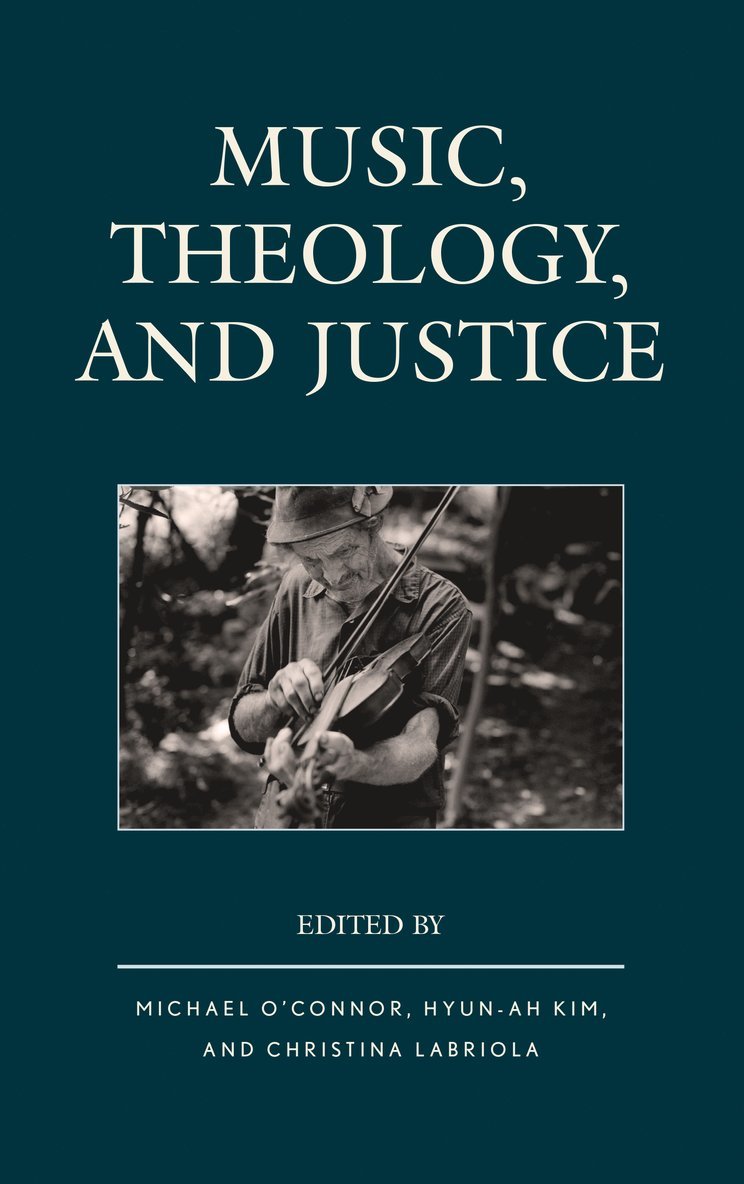
Music does not make itself. It is made by people: professionals and amateurs, singers and instrumentalists, composers and publishers, performers and audiences, entrepreneurs and consumers. In turn, making music shapes those who make it—spiritually, emotionally, physically, mentally, socially, politically, economically—for good or ill, harming and healing. This volume considers the social practice of music from a Christian point of view. Using a variety of methodological perspectives, the essays explore the ethical and doctrinal implications of music-making. The reflections are grouped according to the traditional threefold ministry of Christ: prophet, priest, and shepherd: the prophetic role of music, as a means of articulating protest against injustice, offering consolation, and embodying a harmonious order; the pastoral role of music: creating and sustaining community, building peace, fostering harmony with the whole of creation; and the priestly role of music: in service of reconciliation and restoration, for individuals and communities, offering prayers of praise and intercession to God. Using music in priestly, prophetic, and pastoral ways, Christians pray for and rehearse the coming of God’s kingdom—whether in formal worship, social protest, concert performance, interfaith sharing, or peacebuilding. Whereas temperance was of prime importance in relation to the ethics of music from antiquity to the early modern period, justice has become central to contemporary debates. This book seeks to contribute to those debates by means of Christian theological reflection on a wide range of musics: including monastic chant, death metal, protest songs, psalms and worship music, punk rock, musical drama, interfaith choral singing, Sting, and Daft Punk.
1 209 kr
Skickas inom 10-15 vardagar
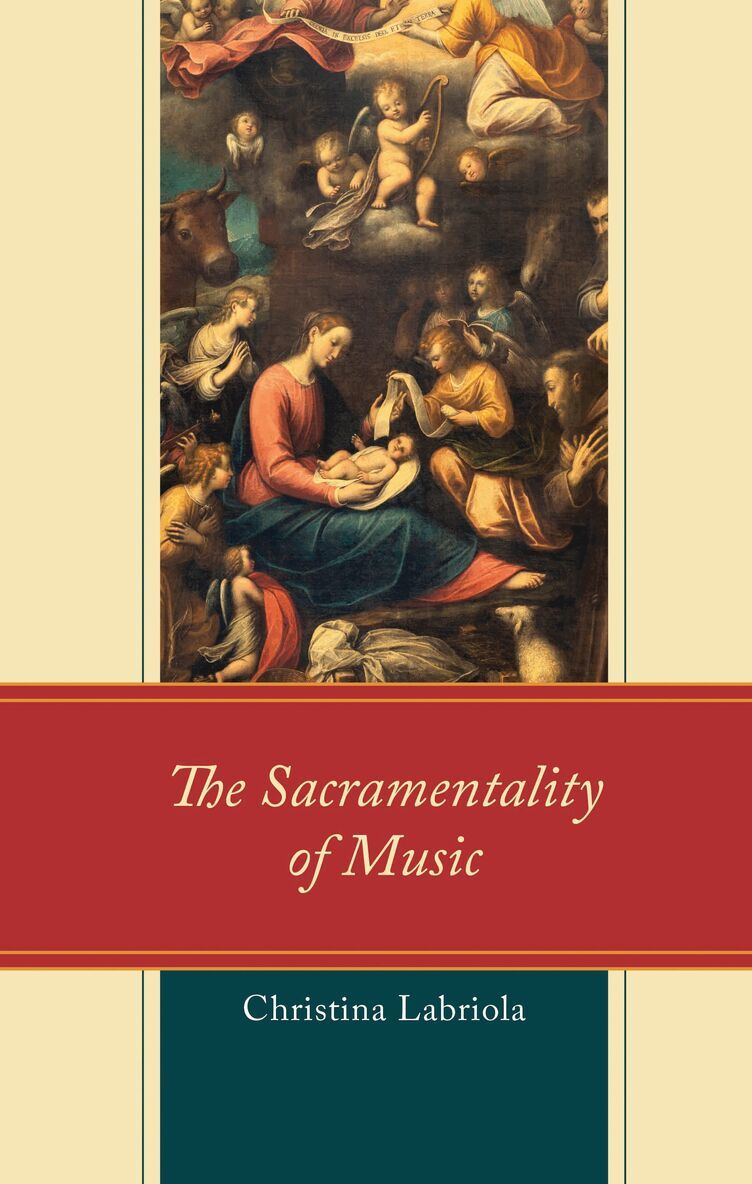
Steeped in the Catholic spiritual tradition, The Sacramentality of Music argues that musical experience, in its appeal to the entirety of the human person, can serve as a locus of encounter with the divine and an occasion of God’s self-revelation in love, with spiritually nurturing, ultimately transformative, ends. Christina Labriolacontends that this dynamic might most aptly be understood as sacramental, an all-encompassing perspective of the cosmos permeated by the divine creative, salvific, sustaining presence. Through its participation in the mysteries of beauty and creativity, its bodily and affective engagement, and impact on the inner life, music operates sacramentally: manifesting divine realities through the tangible stuff of human experience. In a thematic theological exploration that interweaves pastoral theology, theological aesthetics, and mysticism, the reader is invited to contemplate music’s sacramental potentiality and to engage the sacramentally charged music of Beethoven, Bartok, MacMillan, Messiaen, Mozart, Ešenvalds, Bach, Pärt, and Hildegard. In attending to musical ways of relating to God, this book invites readers into a deepening awareness of the sacramental nature of reality itself as that in which the spiritual resonance of music is grounded and reveals afresh, taking musical beauty seriously in the spiritual order with repercussions for Christian living.