Christina M. Anderson – författare
Visar alla böcker från författaren Christina M. Anderson. Handla med fri frakt och snabb leverans.
22 produkter
Connoisseurship
Av Christina M. Anderson, Peter Stewart
Inbunden, 2023
1167 kr
Lägg i varukorg
Despite the central importance of connoisseurship in the rarefied world of art collecting, it occupies an uncomfortable position in modern scholarship. On the one hand, the concept retains a significant role in the study of art and the care of public and private collections when it is linked with …
Connoisseurship
Av Peter Stewart, Christina M. Anderson
E-bok, 2023
1039 kr
Lägg i varukorg
Despite the central importance of connoisseurship in the rarefied world of art collecting, it occupies an uncomfortable position in modern scholarship. On the one hand, the concept retains a significant role in the study of art and the care of public and private collections when it is linked with …
Connoisseurship
Av Peter Stewart, Christina M. Anderson
E-bok, 2023
1039 kr
Lägg i varukorg
Despite the central importance of connoisseurship in the rarefied world of art collecting, it occupies an uncomfortable position in modern scholarship. On the one hand, the concept retains a significant role in the study of art and the care of public and private collections when it is linked with …
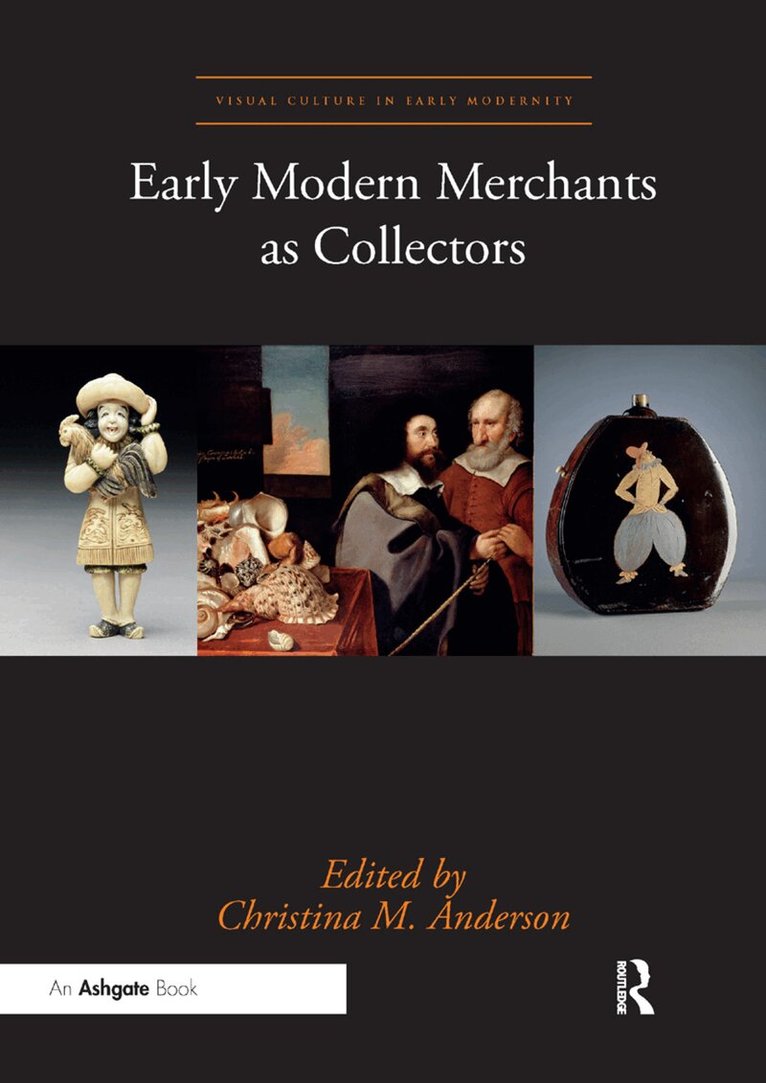
Early Modern Merchants as Collectors
Häftad, 2019
729 kr
Lägg i varukorg
Early Modern Merchants as Collectors encourages the rethinking of collecting not as an elite, often aristocratic pursuit, but rather as a vital activity that has engaged many different groups within society. The essays included in this volume consider merchants not only as important collectors in …
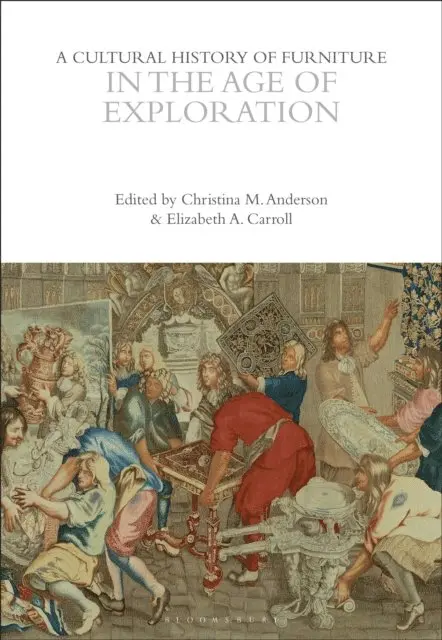
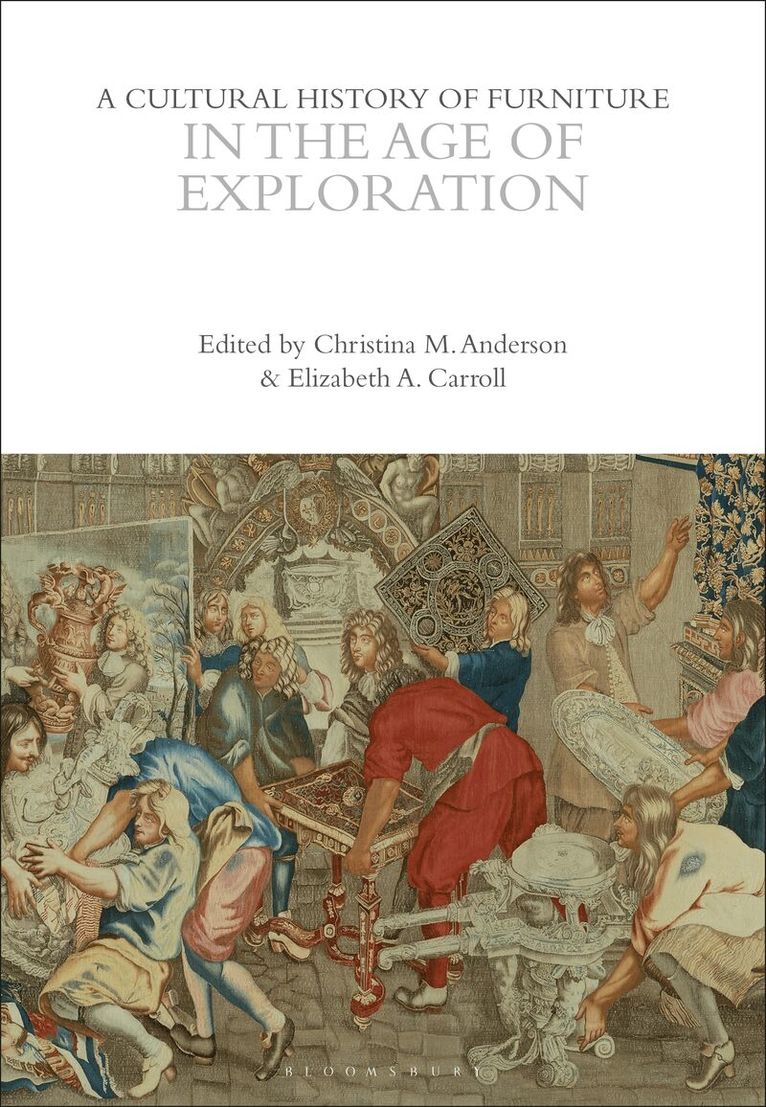
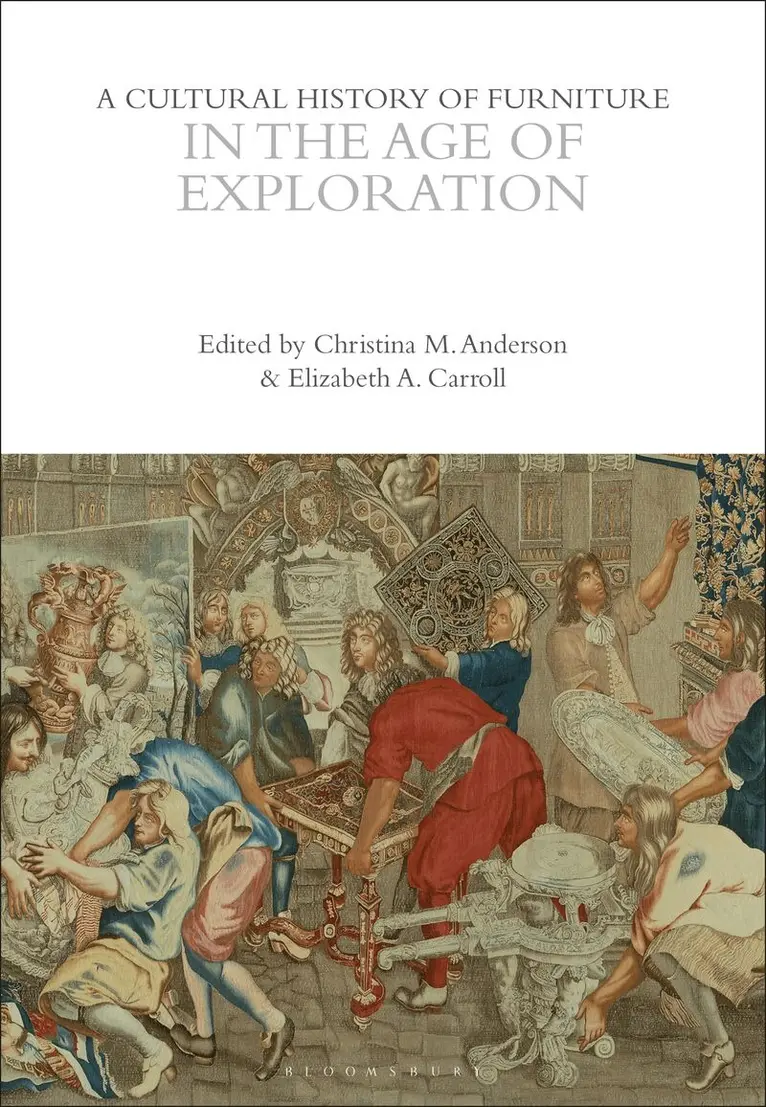
Cultural History of Furniture in the Age of Exploration
Av Christina M. Anderson, Elizabeth A. Carroll
E-bok, 2022
418 kr
Lägg i varukorg
The 16th and 17th centuries in Europe witnessed a significant paradigm shift: the exploration so characteristic of the period stemmed from religious motives but came to be propelled by commerce and curiosity as Europeans increasingly engaged with the rest of the world. Interiors in both public and …
Cultural History of Furniture in the Age of Exploration
Av Christina M. Anderson, Elizabeth A. Carroll
E-bok, 2022
418 kr
Lägg i varukorg
The 16th and 17th centuries in Europe witnessed a significant paradigm shift: the exploration so characteristic of the period stemmed from religious motives but came to be propelled by commerce and curiosity as Europeans increasingly engaged with the rest of the world. Interiors in both public and …
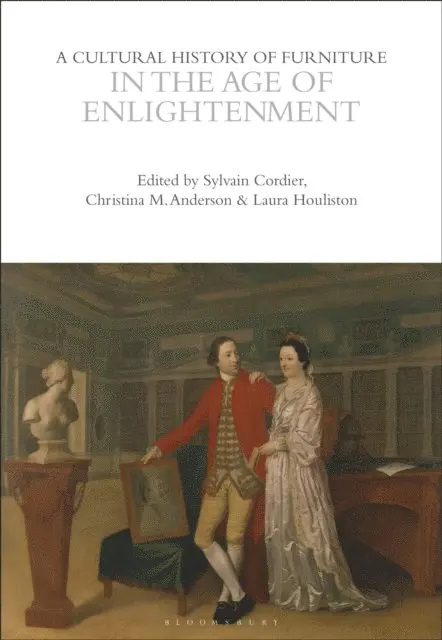
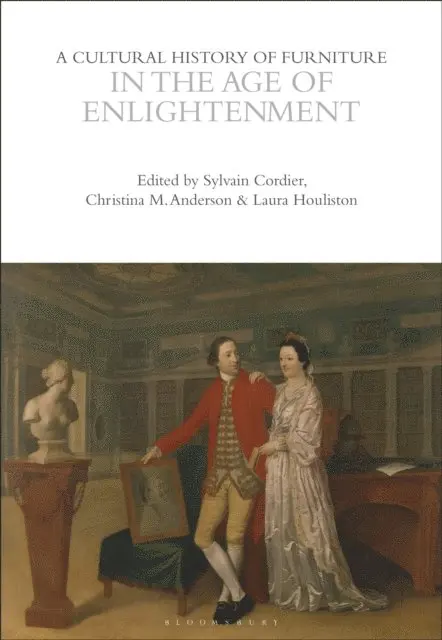
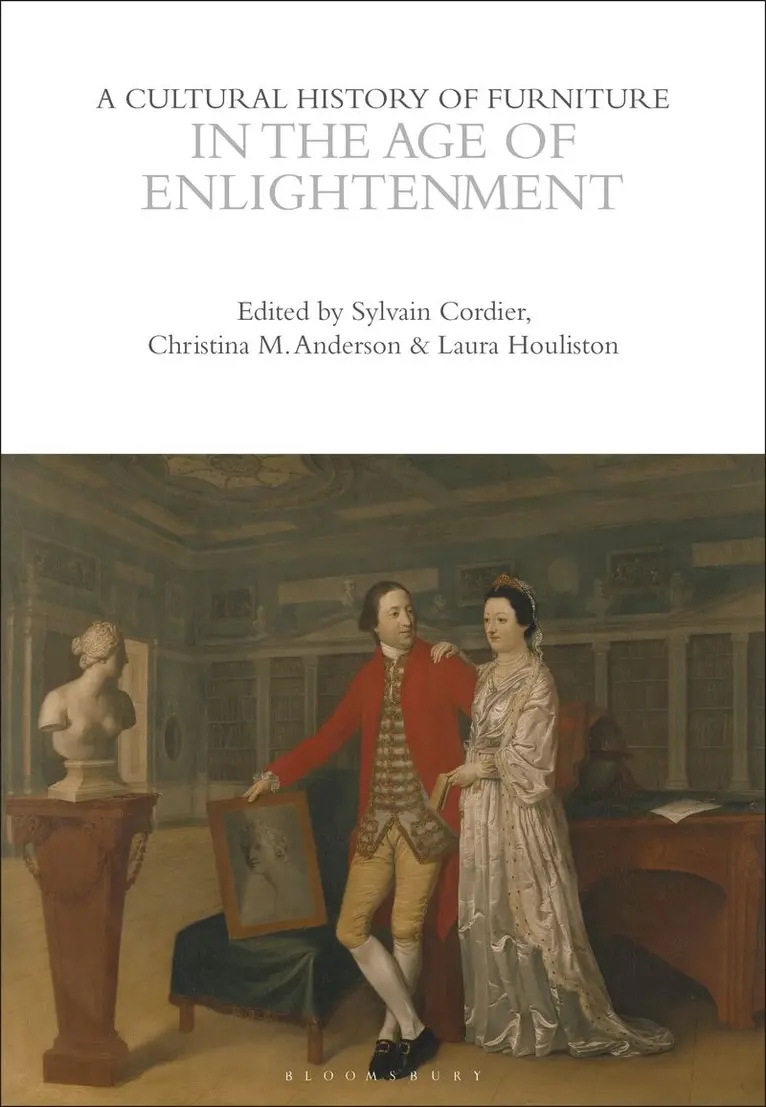
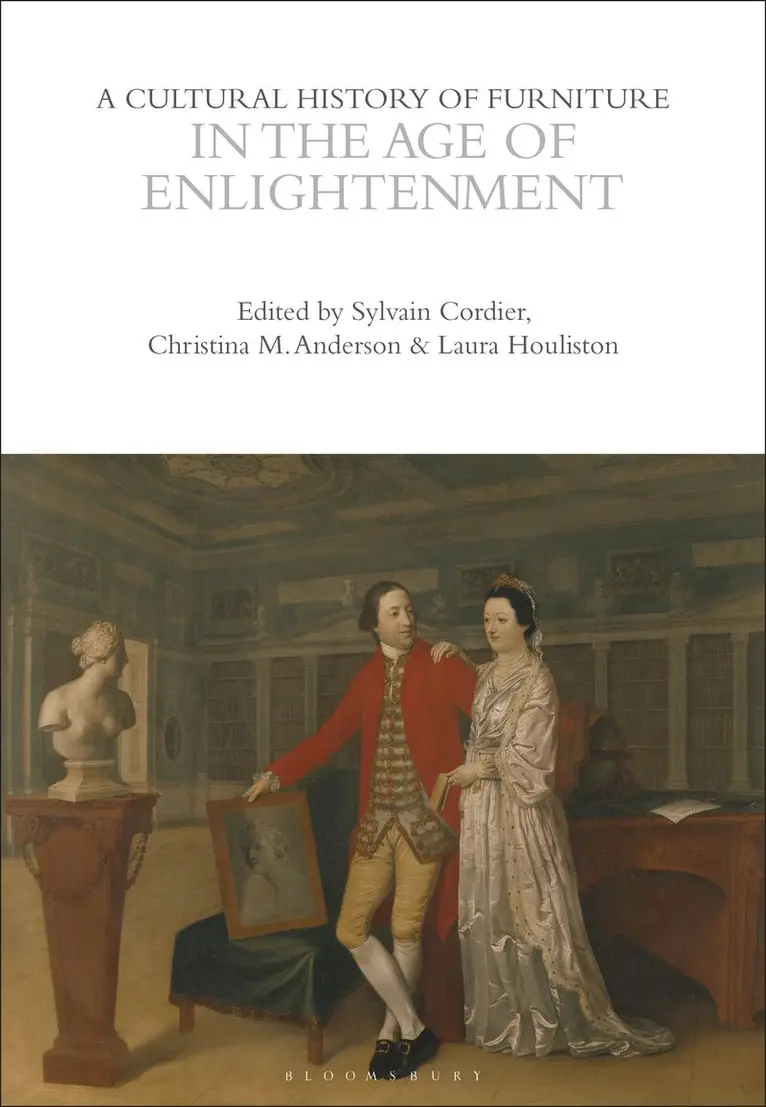
Cultural History of Furniture in the Age of Enlightenment
Av Sylvain Cordier, Christina M. Anderson m. fl.
E-bok, 2022
418 kr
Lägg i varukorg
The 18th century saw the height of court culture in Europe as well as the beginnings of its demise with conflicts such as the American and French Revolutions. The Scientific Revolution, which had begun in the preceding centuries, also ushered in a new intellectual era which advocated the use of …
Cultural History of Furniture in the Age of Enlightenment
Av Sylvain Cordier, Christina M. Anderson m. fl.
E-bok, 2022
418 kr
Lägg i varukorg
The 18th century saw the height of court culture in Europe as well as the beginnings of its demise with conflicts such as the American and French Revolutions. The Scientific Revolution, which had begun in the preceding centuries, also ushered in a new intellectual era which advocated the use of …
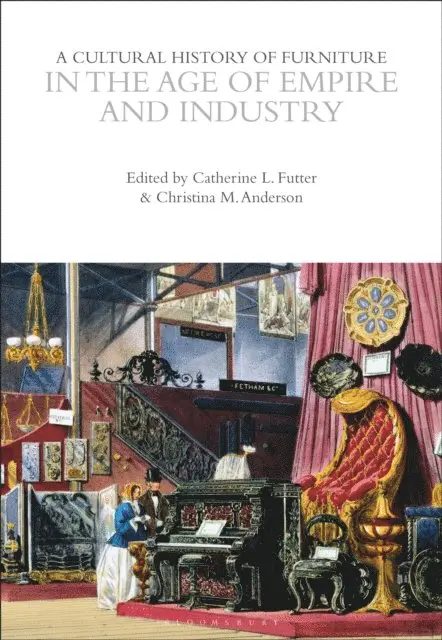
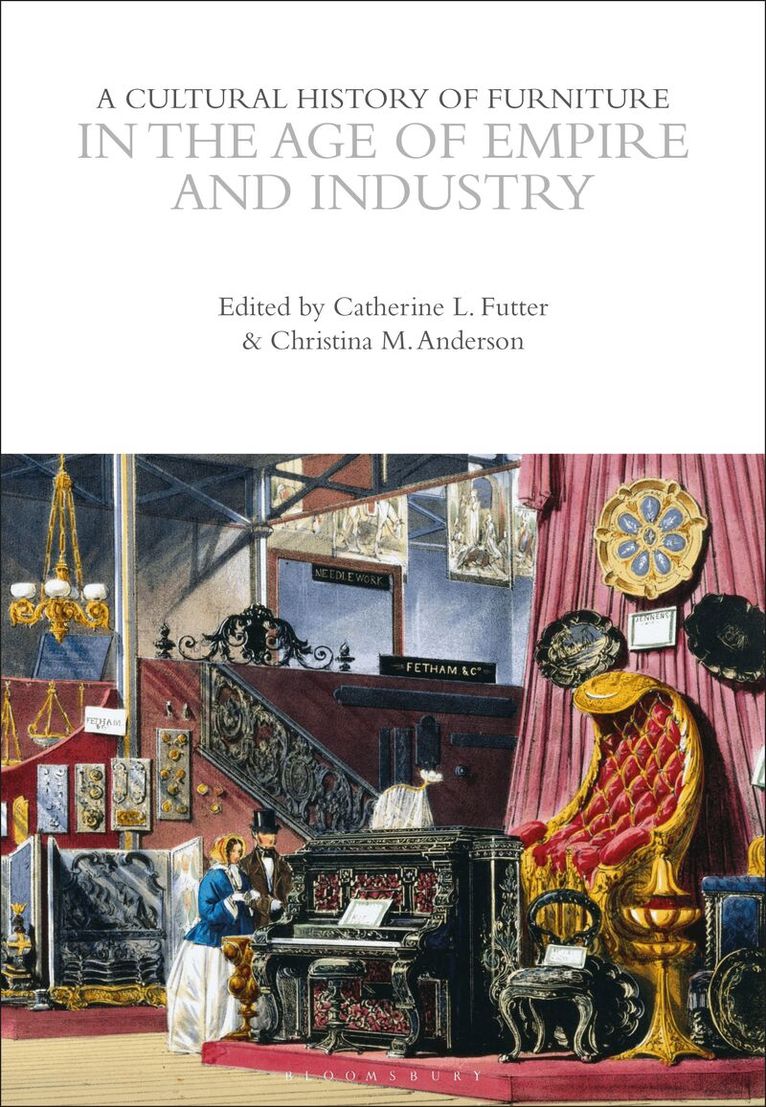
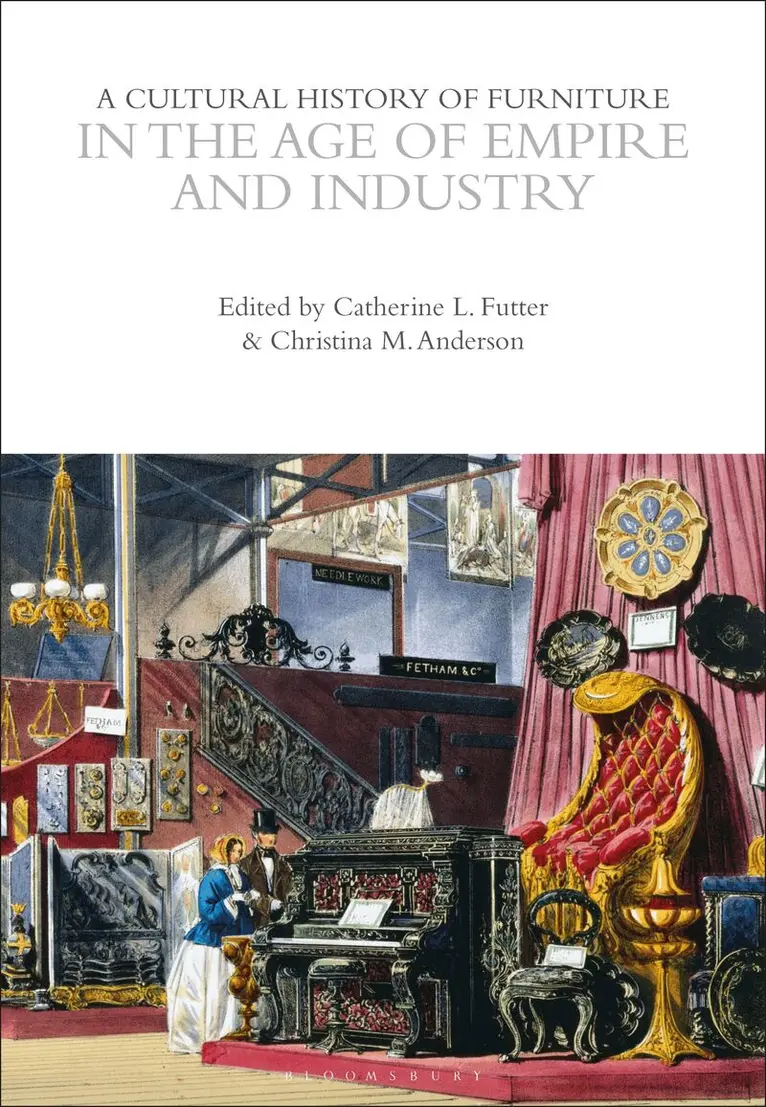
Cultural History of Furniture in the Age of Empire and Industry
Av Catherine L. Futter, Christina M. Anderson
E-bok, 2022
418 kr
Lägg i varukorg
The 19th century in Western culture was a time of both confidence and turbulence. Industrial development produced a growing middle class as well as efficiency, convenience, and innovation across a range of fields from engineering to architecture. Alongside these improvements, the century began with …
Cultural History of Furniture in the Age of Empire and Industry
Av Catherine L. Futter, Christina M. Anderson
E-bok, 2022
418 kr
Lägg i varukorg
The 19th century in Western culture was a time of both confidence and turbulence. Industrial development produced a growing middle class as well as efficiency, convenience, and innovation across a range of fields from engineering to architecture. Alongside these improvements, the century began with …
Cultural History of Furniture in the Age of Exploration
Av Christina M. Anderson, Elizabeth A. Carroll
Häftad, 2026
383 kr
Lägg i varukorg
The 16th and 17th centuries in Europe witnessed a significant paradigm shift: the exploration so characteristic of the period stemmed from religious motives but came to be propelled by commerce and curiosity as Europeans increasingly engaged with the rest of the world. Interiors in both public and …
Cultural History of Furniture in the Age of Enlightenment
Av Sylvain Cordier, Christina M. Anderson m. fl.
Häftad, 2026
383 kr
Lägg i varukorg
The 18th century saw the height of court culture in Europe as well as the beginnings of its demise with conflicts such as the American and French Revolutions. The Scientific Revolution, which had begun in the preceding centuries, also ushered in a new intellectual era which advocated the use of …
Cultural History of Furniture in the Age of Empire and Industry
Av Catherine L. Futter, Christina M. Anderson
Häftad, 2026
383 kr
Lägg i varukorg
The 19th century in Western culture was a time of both confidence and turbulence. Industrial development produced a growing middle class as well as efficiency, convenience, and innovation across a range of fields from engineering to architecture. Alongside these improvements, the century began with …
Cultural History of Furniture
Volumes 1-6
2026
2224 kr
Lägg i varukorg
Furniture is an artifact so what can it tell us about culture? What social, religious, political, and economic factors have shaped its form and functions? How does furniture demonstrate the transformations in private and public life across time and cultures?In a work that spans 4,500 years, 60 …
Early Modern Merchants as Collectors
Inbunden, 2016
2834 kr
Lägg i varukorg
Early Modern Merchants as Collectors encourages the rethinking of collecting not as an elite, often aristocratic pursuit, but rather as a vital activity that has engaged many different groups within society. The essays included in this volume consider merchants not only as important collectors in …
Cultural History of Furniture in the Age of Exploration
Av Christina M. Anderson, Elizabeth A. Carroll
Inbunden, 2024
1163 kr
Lägg i varukorg
The 16th and 17th centuries in Europe witnessed a significant paradigm shift: the exploration so characteristic of the period stemmed from religious motives but came to be propelled by commerce and curiosity as Europeans increasingly engaged with the rest of the world. Interiors in both public and …
Cultural History of Furniture in the Age of Enlightenment
Av Christina M. Anderson, Elizabeth A. Carroll
Inbunden, 2024
1163 kr
Lägg i varukorg
The 18th century saw the height of court culture in Europe as well as the beginnings of its demise with conflicts such as the American and French Revolutions. The Scientific Revolution, which had begun in the preceding centuries, also ushered in a new intellectual era which advocated the use of …
Cultural History of Furniture in the Age of Empire and Industry
Av Christina M. Anderson, Elizabeth A. Carroll
Inbunden, 2024
1163 kr
Lägg i varukorg
The 19th century in Western culture was a time of both confidence and turbulence. Industrial development produced a growing middle class as well as efficiency, convenience, and innovation across a range of fields from engineering to architecture. Alongside these improvements, the century began with …
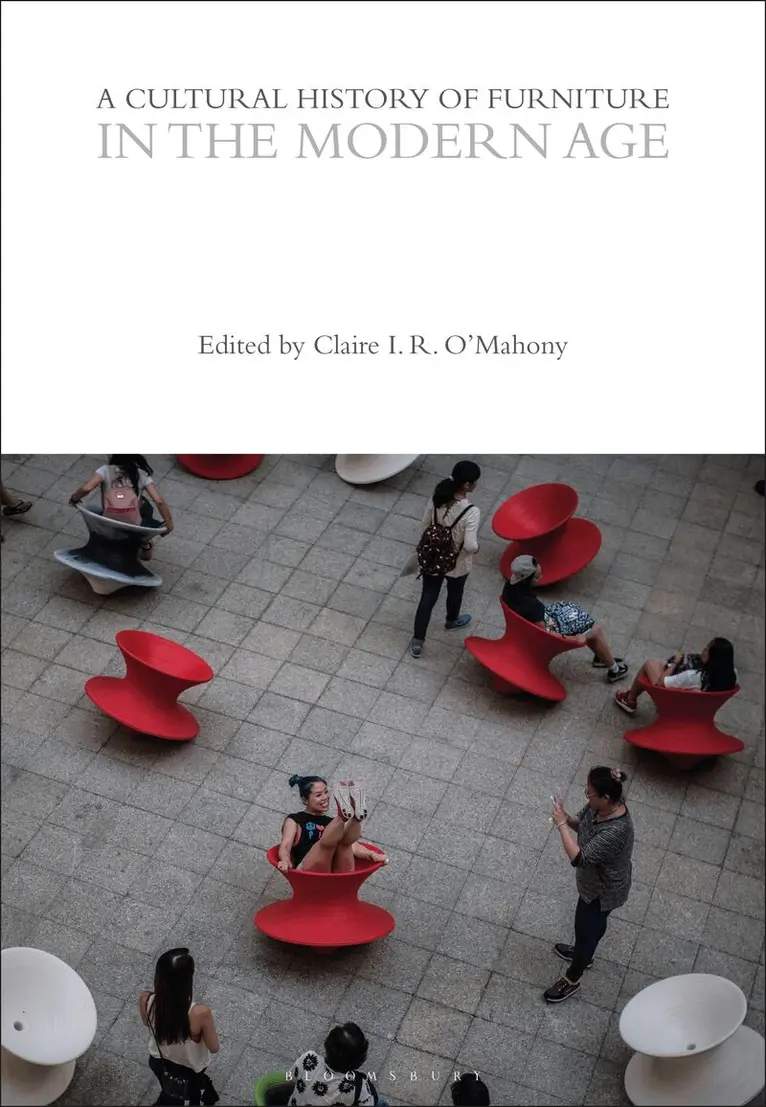
Cultural History of Furniture in the Modern Age
Av Christina M. Anderson, Elizabeth A. Carroll
Inbunden, 2024
1163 kr
Lägg i varukorg
Furniture is a unique witness to the transformations of private and public experience amidst the upheavals of the 20th century: how we work, rest, and play are determined by the embodied encounter with furniture, defining and projecting a sense of identity and status, responding to and exemplifying …
Puddles and the Green Blanket
E-bok, 2025
58 kr
Lägg i varukorg
"Puddles and the Green Blanket” was inspired by the author’s fanciful ideas about a black cat who peacefully napped on a green blanket on his owner’s porch, observing passersby. This story highlights the daily routine of Miss. Smith, a retired teacher, as she creates a comfortable environment for …
Cultural History of Furniture
2022
9925 kr
Tillfälligt slut
Furniture is an artifact so what can it tell us about culture? What social, religious, political, and economic factors have shaped its form and functions? How does furniture demonstrate the transformations in private and public life across time and cultures?In a work that spans 4,500 years, 60 …