Elizabeth A. Carroll – författare
Visar alla böcker från författaren Elizabeth A. Carroll. Handla med fri frakt och snabb leverans.
7 produkter
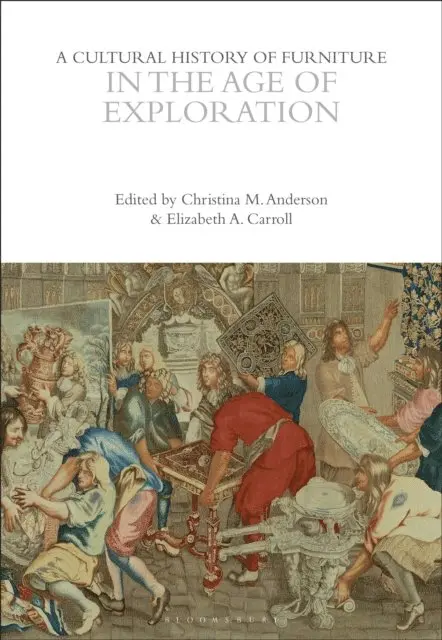
Cultural History of Furniture in the Age of Exploration
Av Christina M. Anderson, Elizabeth A. Carroll
E-bok, 2022
418 kr
Lägg i varukorg
The 16th and 17th centuries in Europe witnessed a significant paradigm shift: the exploration so characteristic of the period stemmed from religious motives but came to be propelled by commerce and curiosity as Europeans increasingly engaged with the rest of the world. Interiors in both public and …
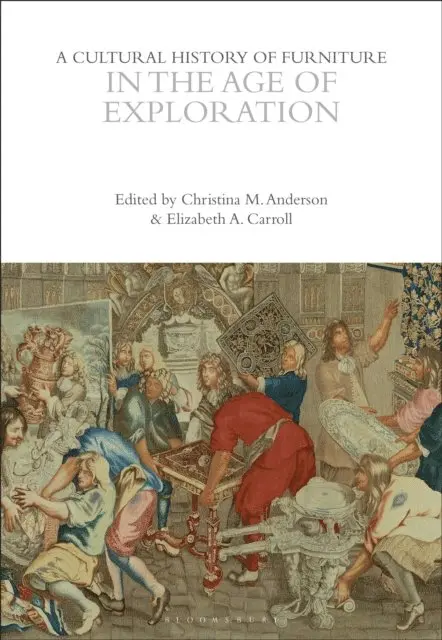
Cultural History of Furniture in the Age of Exploration
Av Christina M. Anderson, Elizabeth A. Carroll
E-bok, 2022
418 kr
Lägg i varukorg
The 16th and 17th centuries in Europe witnessed a significant paradigm shift: the exploration so characteristic of the period stemmed from religious motives but came to be propelled by commerce and curiosity as Europeans increasingly engaged with the rest of the world. Interiors in both public and …
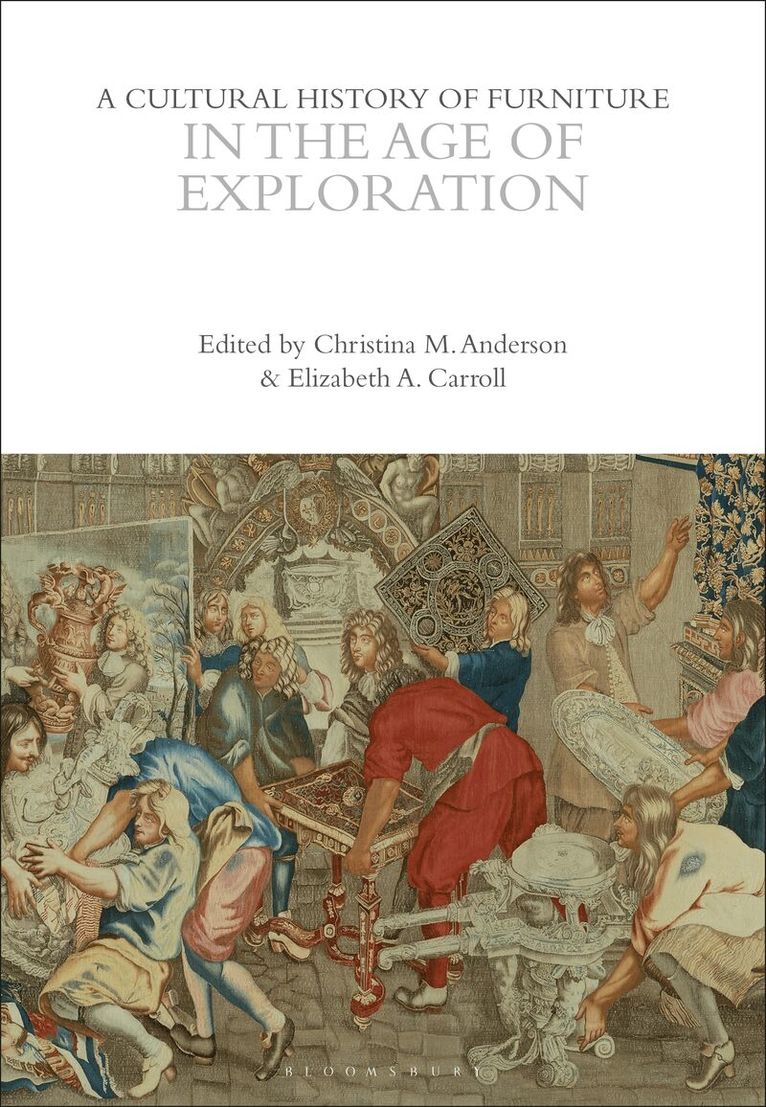
Cultural History of Furniture in the Age of Exploration
Av Christina M. Anderson, Elizabeth A. Carroll
Häftad, 2026
383 kr
Lägg i varukorg
The 16th and 17th centuries in Europe witnessed a significant paradigm shift: the exploration so characteristic of the period stemmed from religious motives but came to be propelled by commerce and curiosity as Europeans increasingly engaged with the rest of the world. Interiors in both public and …
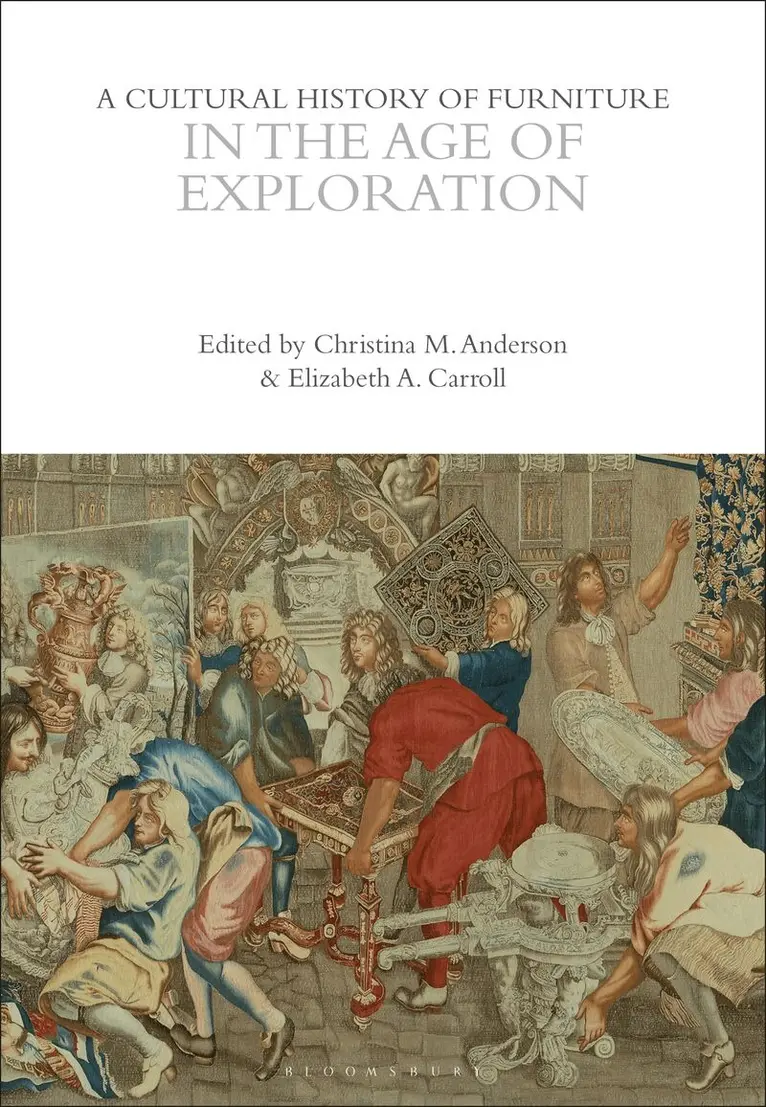
Cultural History of Furniture in the Age of Exploration
Av Christina M. Anderson, Elizabeth A. Carroll
Inbunden, 2024
1163 kr
Lägg i varukorg
The 16th and 17th centuries in Europe witnessed a significant paradigm shift: the exploration so characteristic of the period stemmed from religious motives but came to be propelled by commerce and curiosity as Europeans increasingly engaged with the rest of the world. Interiors in both public and …
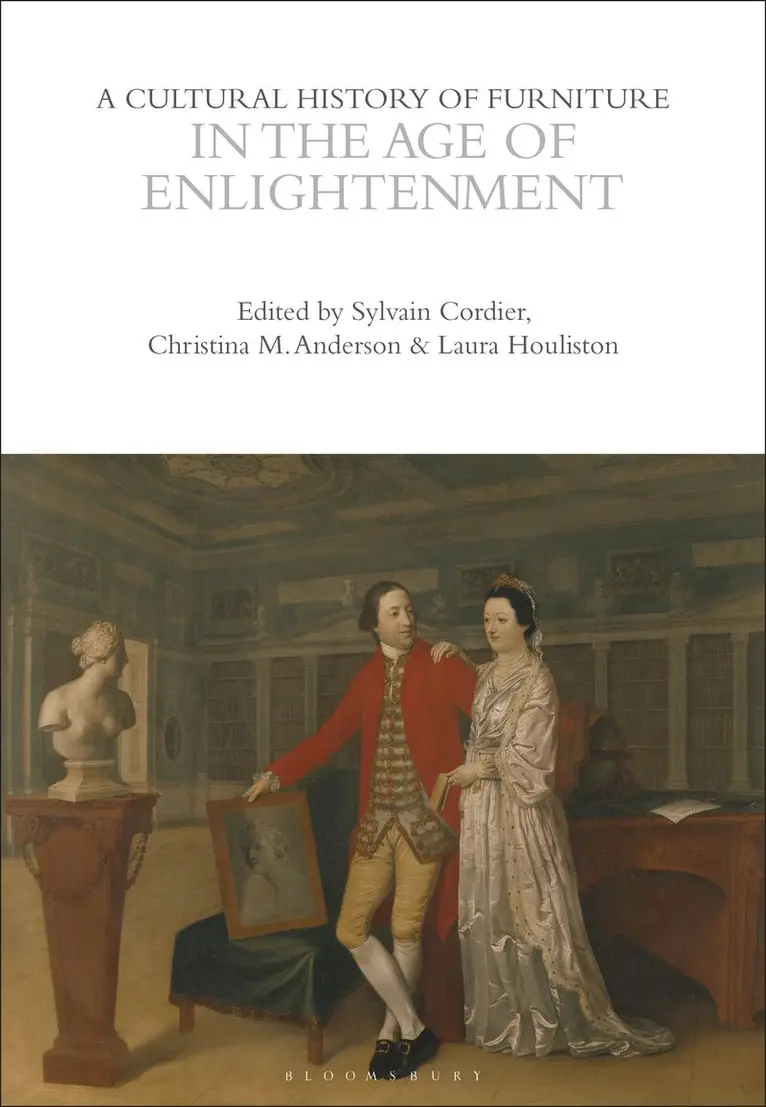
Cultural History of Furniture in the Age of Enlightenment
Av Christina M. Anderson, Elizabeth A. Carroll
Inbunden, 2024
1163 kr
Lägg i varukorg
The 18th century saw the height of court culture in Europe as well as the beginnings of its demise with conflicts such as the American and French Revolutions. The Scientific Revolution, which had begun in the preceding centuries, also ushered in a new intellectual era which advocated the use of …
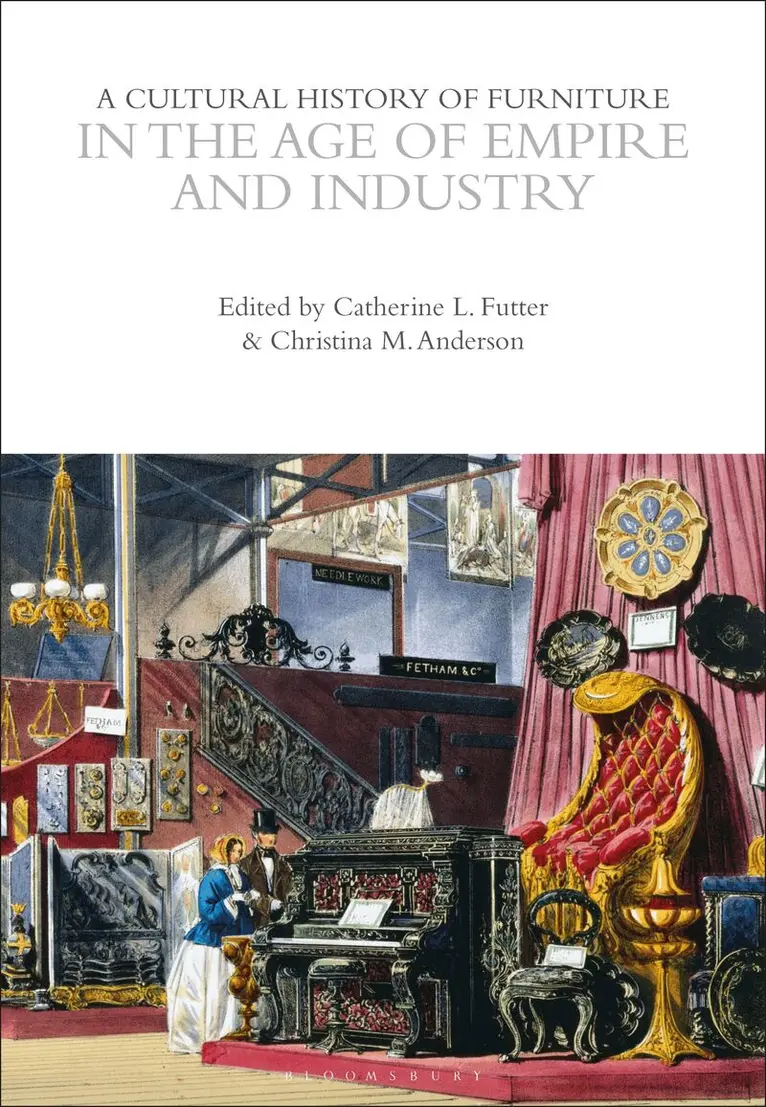
Cultural History of Furniture in the Age of Empire and Industry
Av Christina M. Anderson, Elizabeth A. Carroll
Inbunden, 2024
1163 kr
Lägg i varukorg
The 19th century in Western culture was a time of both confidence and turbulence. Industrial development produced a growing middle class as well as efficiency, convenience, and innovation across a range of fields from engineering to architecture. Alongside these improvements, the century began with …
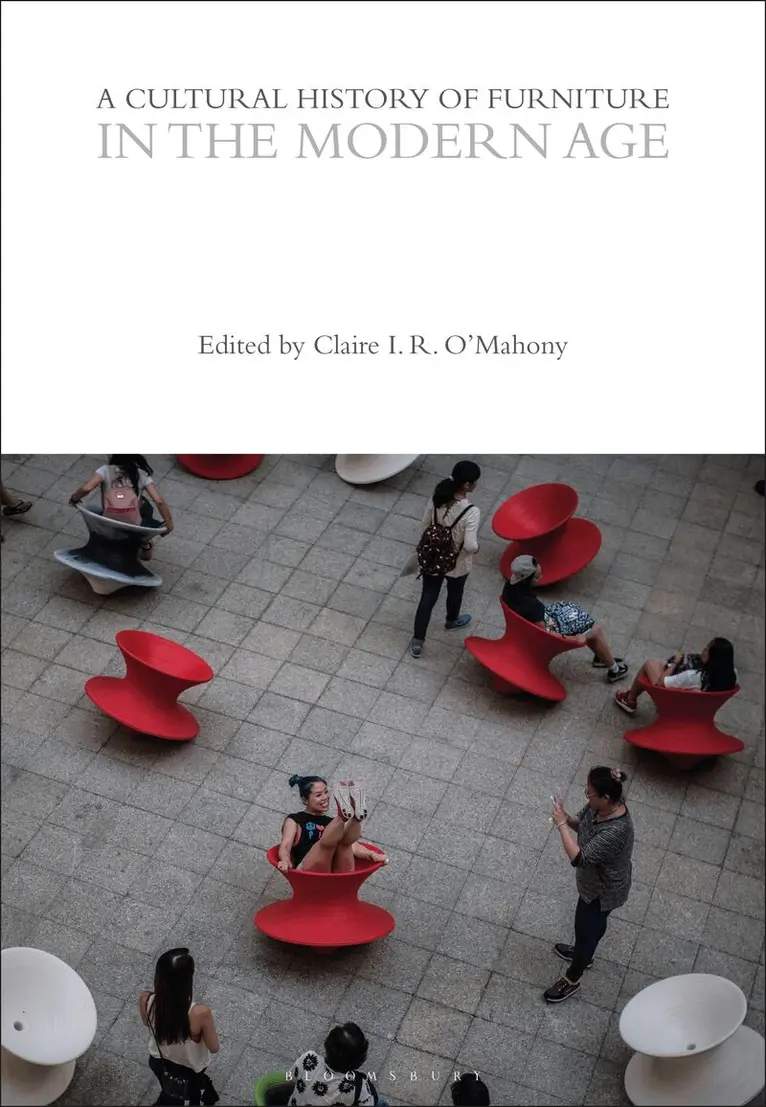
Cultural History of Furniture in the Modern Age
Av Christina M. Anderson, Elizabeth A. Carroll
Inbunden, 2024
1163 kr
Lägg i varukorg
Furniture is a unique witness to the transformations of private and public experience amidst the upheavals of the 20th century: how we work, rest, and play are determined by the embodied encounter with furniture, defining and projecting a sense of identity and status, responding to and exemplifying …