Christina Stojanova - Böcker
Visar alla böcker från författaren Christina Stojanova. Handla med fri frakt och snabb leverans.
4 produkter
4 produkter
1 276 kr
Skickas inom 10-15 vardagar
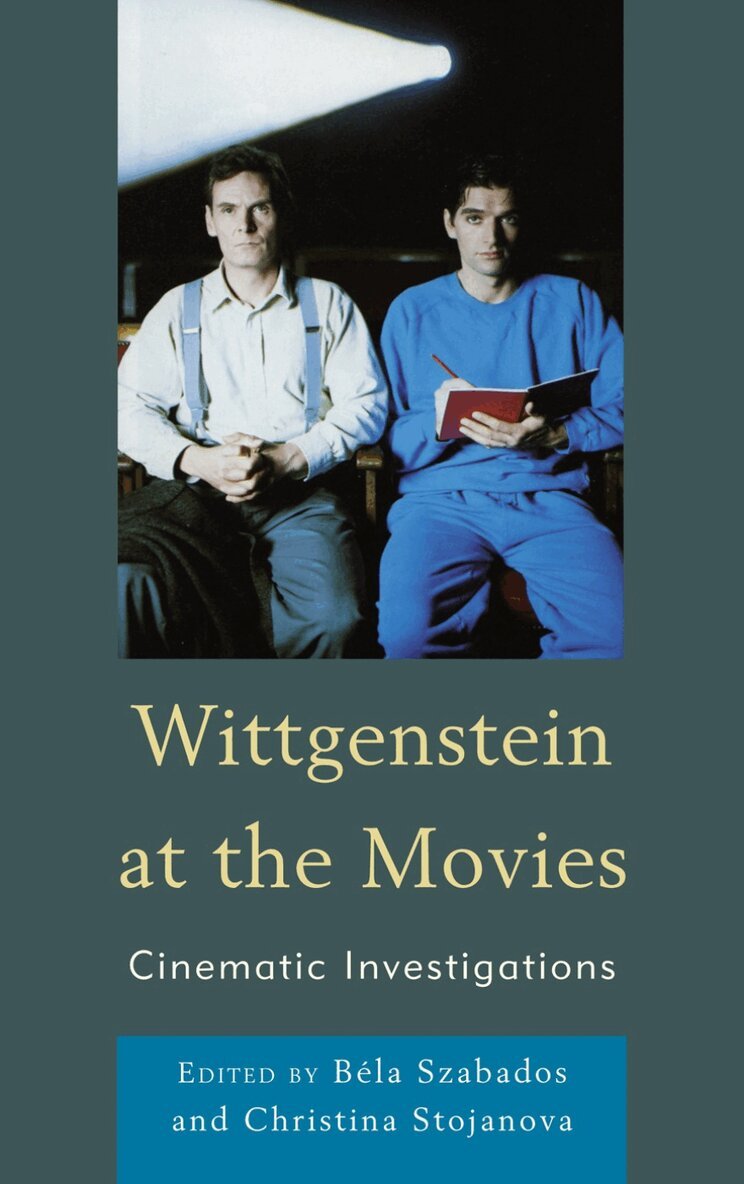
Ludwig Wittgenstein loved movies, and based on his remarks on watching them, there is a strong connection between his experience of watching films and his thoughts on aesthetics. Furthermore, however, Wittgenstein himself has been invoked in recent cinema. Wittgenstein at the Movies is centered on in-depth explorations of two intriguing experimental films on Wittgenstein: Derek Jarman's Wittgenstein and Péter Forgács' Wittgenstein Tractatus. The featured essays look at cinematic interpretations of Wittgenstein's life and philosophy in a manner bound to provoke the lively interest of Wittgenstein scholars, film theorists, and students of film aesthetics. As well, the book engages a broader audience concerned with philosophical issues about film and Wittgenstein's cultural significance, with the world of fin-de-siècle Vienna, of Cambridge in the first half of the twentieth century, of artistic modernism.
2 150 kr
Skickas inom 3-6 vardagar
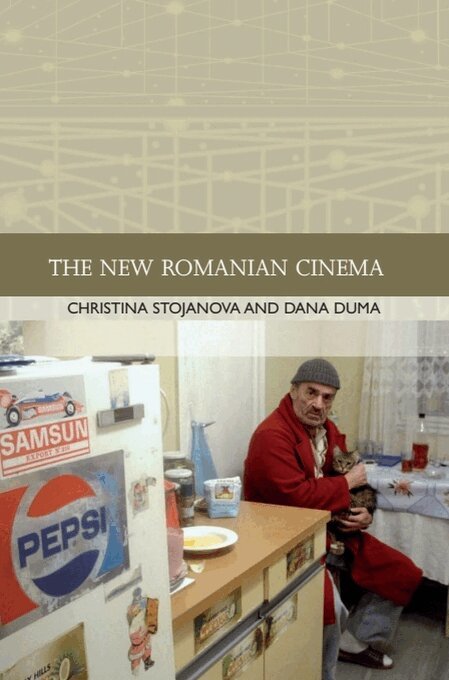
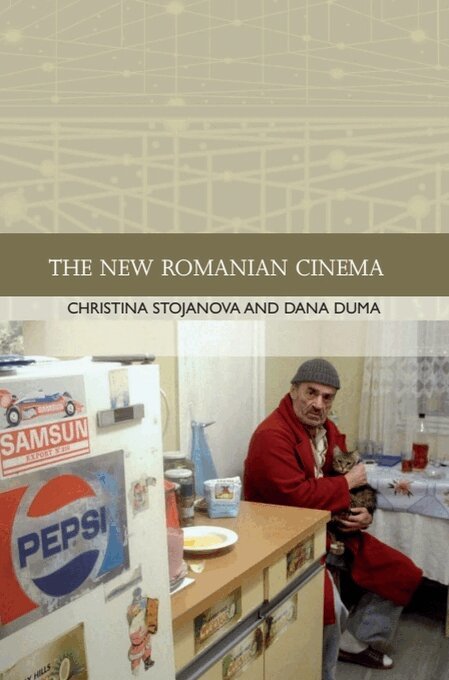
Covering more than forty films made since 2001 – including The Death of Mr. Lazarescu, The Paper will be Blue, Police, Adjective and Beyond the Hills – this pioneering collection of essays on New Romanian Cinema is the first to contextualise it aesthetically, theoretically and historically. Scholars from across Europe and North America are brought together, reflecting on the realism, minimalism and intermedial artifice of New Romanian cinemas, on its approaches to issues of national and gender identity, and on its unique convergence of ethics and aesthetics. With its thorough bibliographic and filmographic references, and a comprehensive historical overview, the anthology represents a systematic guide to New Romanian Cinema as a consolidated cinematic movement, and highlights its potential as a rich interdisciplinary field of study.
366 kr
Skickas
Covering more than forty films made since 2001 – including The Death of Mr. Lazarescu, The Paper will be Blue, Police, Adjective and Beyond the Hills – this pioneering collection of essays on New Romanian Cinema is the first to contextualise it aesthetically, theoretically and historically. Scholars from across Europe and North America are brought together, reflecting on the realism, minimalism and intermedial artifice of New Romanian cinemas, on its approaches to issues of national and gender identity, and on its unique convergence of ethics and aesthetics. With its thorough bibliographic and filmographic references, and a comprehensive historical overview, the anthology represents a systematic guide to New Romanian Cinema as a consolidated cinematic movement, and highlights its potential as a rich interdisciplinary field of study.
602 kr
Skickas inom 10-15 vardagar
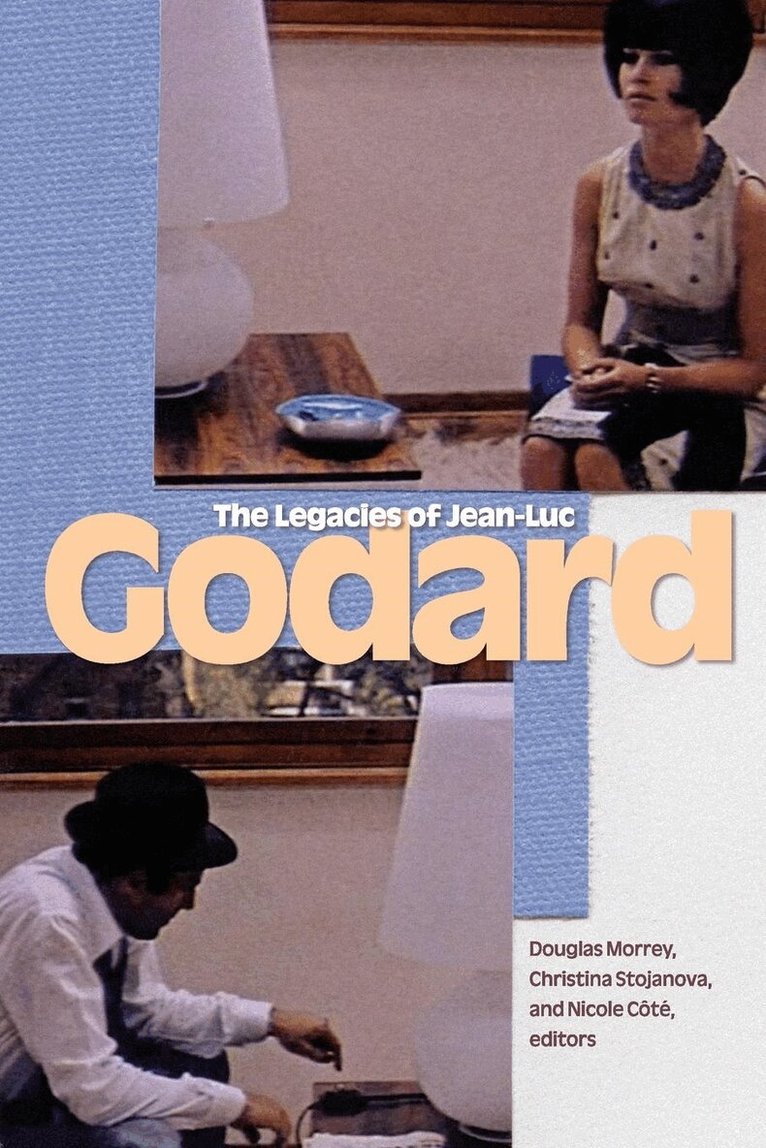
The artistic impact of Jean-Luc Godard, whose career in cinema has spanned over fifty years and yielded a hundred or more discrete works in different media cannot be overestimated, not only on French and other world cinemas, but on fields as diverse as television, video art, gallery installation, philosophy, music, literature, and dance.The Legacies of Jean-Luc Godard marks an initial attempt to map the range and diversity of Godard's impact across these different fields. It contains reassessments of key films like Vivre sa vie and Passion as well as considerations of Godard's influence over directors like Christophe Honoré. Contributors look at Godard's relation to philosophy and influence over film philosophy through reference to Wittgenstein, Deleuze, and Cavell, and show how Godard's work in cinema interacts with other arts, such as painting, music, and dance. They suggest that Godard's late work makes important contributions to debates in memory and Holocaust Studies.The volume will appeal to a non-specialist audience with its discussions of canonical films and treatment of themes popular within film studies programs such as cinema and ethics. But it will also attract academic specialists on Godard with its chapters on recent works, including Dans le noir du temps (2002) and Voyage(s) en utopie (2006), interventions in long-running academic debates (Godard, the Holocaust, and anti- Semitism), and treatment of rarely discussed areas of Godard's work (choreographed movement).