Christopher Kobrak – författare
Visar alla böcker från författaren Christopher Kobrak. Handla med fri frakt och snabb leverans.
10 produkter
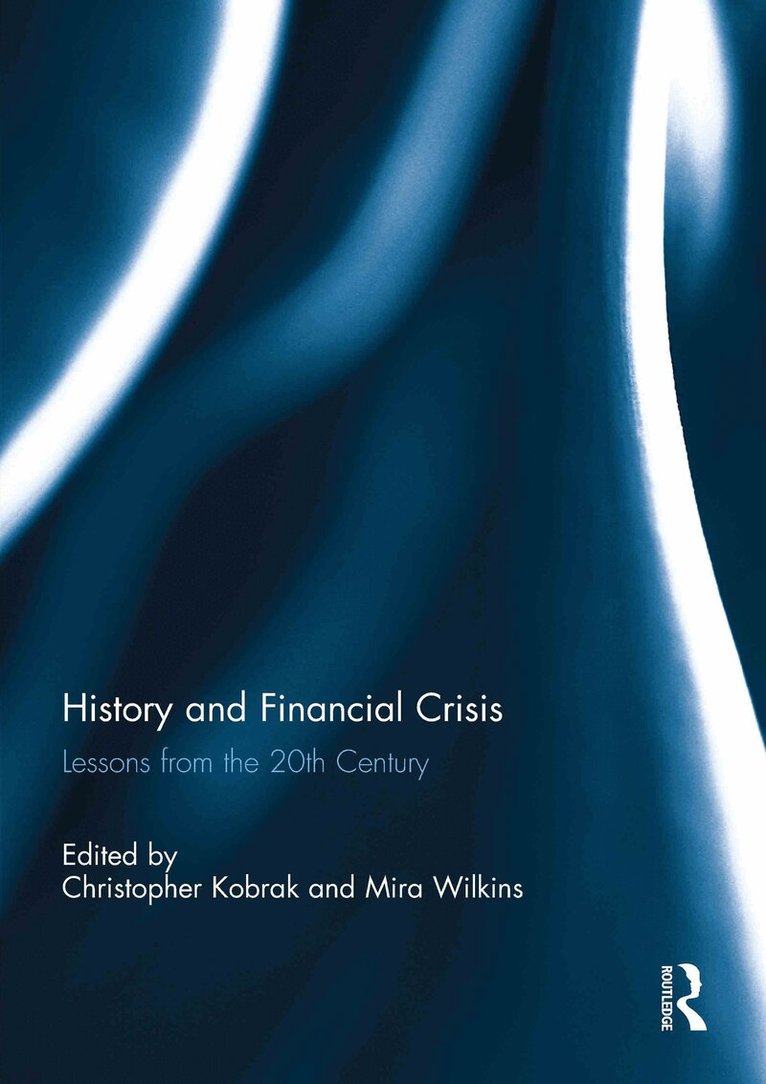
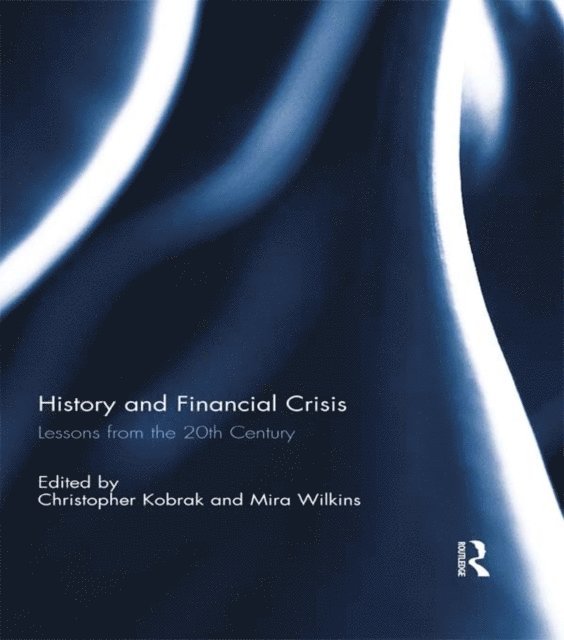
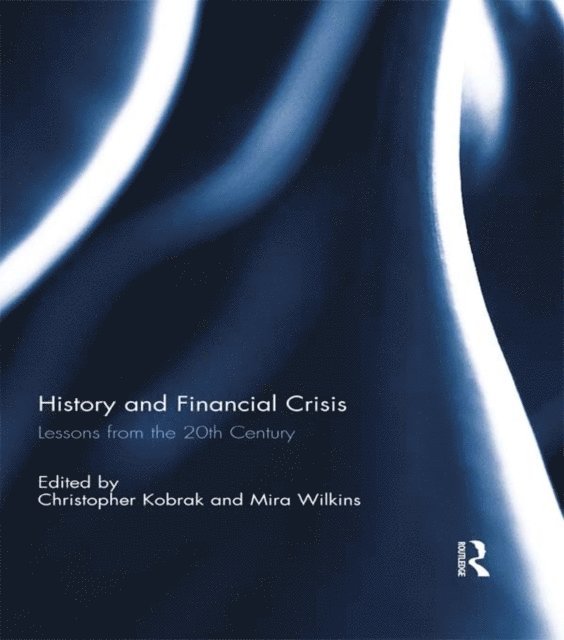
History and Financial Crisis
Lessons from the 20th century
Av Christopher Kobrak, Mira Wilkins
Inbunden, 2012
3156 kr
Lägg i varukorg
One striking weaknesses of our financial architecture, which helped bring on and perhaps deepen the Panic of 2008, is an inadequate appreciation of the past. Information about how the system functioned and the reliability of organizations and institutional controls were drawn from a relatively …
National Cultures and International Competition
The Experience of Schering AG, 1851-1950
Häftad, 2009
670 kr
Lägg i varukorg
This book is first and foremost a history of Schering AG, one of Germany's best known pharmaceutical companies, from its birth as a pharmacy in the middle of the nineteenth century to the first steps of its rebirth as a multinational in 1950. The book traces the various stages of Schering's …
National Cultures and International Competition
The Experience of Schering AG, 1851-1950
Inbunden, 2002
672 kr
Lägg i varukorg
This book is first and foremost a history of Schering AG, one of Germany's best known pharmaceutical companies, from its birth as a pharmacy in the middle of the nineteenth century to the first steps of its rebirth as a multinational in 1950. The book traces the various stages of Schering's …
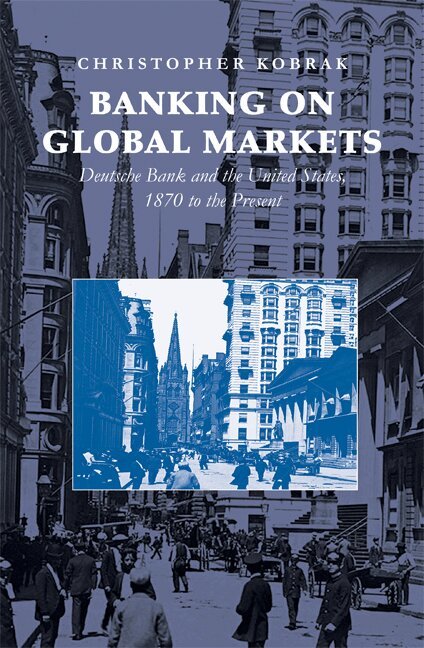
Banking on Global Markets
Deutsche Bank and the United States, 1870 to the Present
Inbunden, 2008
1156 kr
Lägg i varukorg
Banking on Global Markets uses the story of the US business and political dealings of Germany's largest bank to illuminate developments in the ongoing globalization of major financial institutions. Throughout its nearly 140-year-long history, Deutsche Bank served as one of Germany's principal …
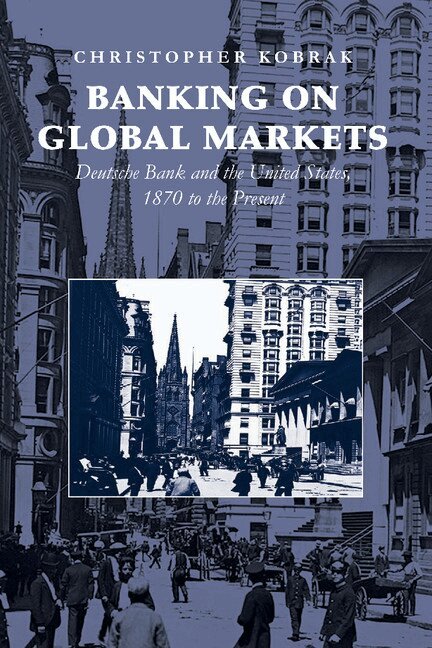
Banking on Global Markets
Deutsche Bank and the United States, 1870 to the Present
Häftad, 2012
771 kr
Lägg i varukorg
Banking on Global Markets uses the story of the US business and political dealings of Germany's largest bank to illuminate developments in the ongoing globalization of major financial institutions. Throughout its nearly 140-year-long history, Deutsche Bank served as one of Germany's principal …
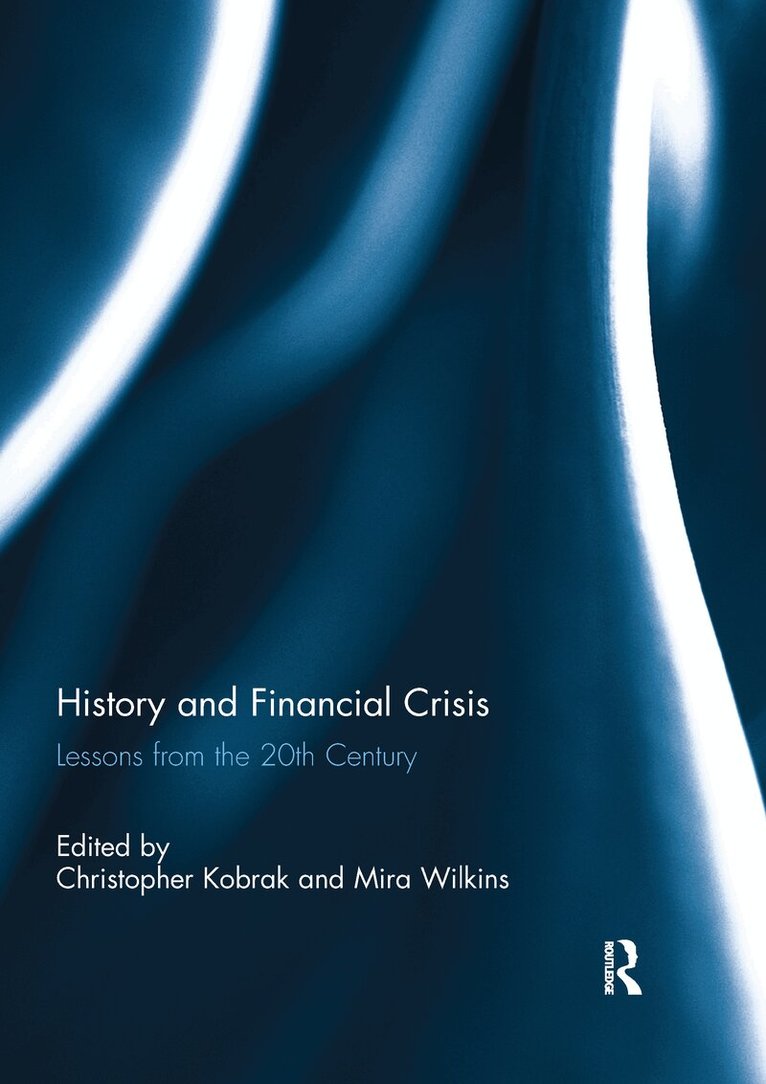
History and Financial Crisis
Lessons from the 20th century
Av Christopher Kobrak, Mira Wilkins
Häftad, 2014
922 kr
Lägg i varukorg
One striking weaknesses of our financial architecture, which helped bring on and perhaps deepen the Panic of 2008, is an inadequate appreciation of the past. Information about how the system functioned and the reliability of organizations and institutional controls were drawn from a relatively …
History and Financial Crisis
Lessons from the 20th century
Av Mira Wilkins, Christopher Kobrak
E-bok, 2014
1064 kr
Lägg i varukorg
One striking weaknesses of our financial architecture, which helped bring on and perhaps deepen the Panic of 2008, is an inadequate appreciation of the past. Information about how the system functioned and the reliability of organizations and institutional controls were drawn from a relatively …
History and Financial Crisis
Lessons from the 20th century
Av Mira Wilkins, Christopher Kobrak
E-bok, 2014
1088 kr
Lägg i varukorg
One striking weaknesses of our financial architecture, which helped bring on and perhaps deepen the Panic of 2008, is an inadequate appreciation of the past. Information about how the system functioned and the reliability of organizations and institutional controls were drawn from a relatively …
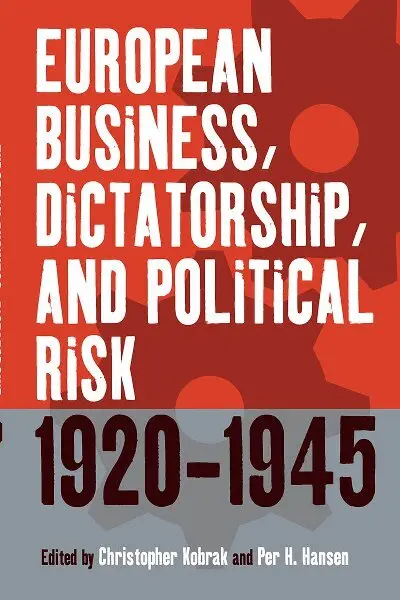
European Business, Dictatorship, and Political Risk, 1920-1945
Av Christopher Kobrak, Per H. Hansen
Inbunden, 2004
1936 kr
Lägg i varukorg
For much of the twentieth century, the prevalence of dictatorial regimes has left business, especially multinational firms, with a series of complex and for the most part unwelcome choices. This volume, which includes essays by noted American and European scholars such as Mira Wilkins, Gerald …
European Business, Dictatorship, and Political Risk, 1920-1945
Av Per H. Hansen, Christopher Kobrak
E-bok, 2004
419 kr
Lägg i varukorg
For much of the twentieth century, the prevalence of dictatorial regimes has left business, especially multinational firms, with a series of complex and for the most part unwelcome choices. This volume, which includes essays by noted American and European scholars such as Mira Wilkins, Gerald …