Christopher M. Span – författare
Visar alla böcker från författaren Christopher M. Span. Handla med fri frakt och snabb leverans.
6 produkter
6 produkter
E-bok
PDF, Engelska, 20141 053 kr
Läs direkt efter köp
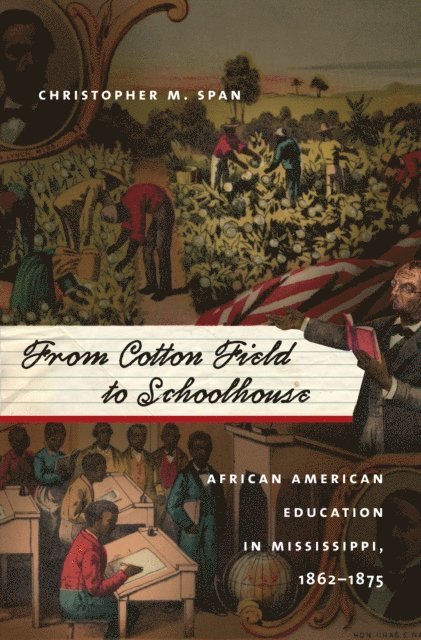
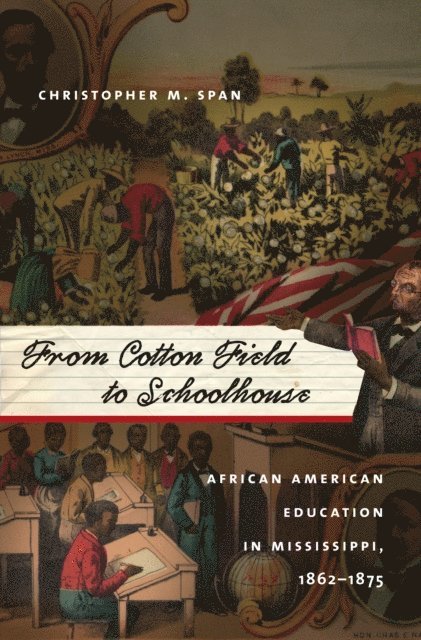
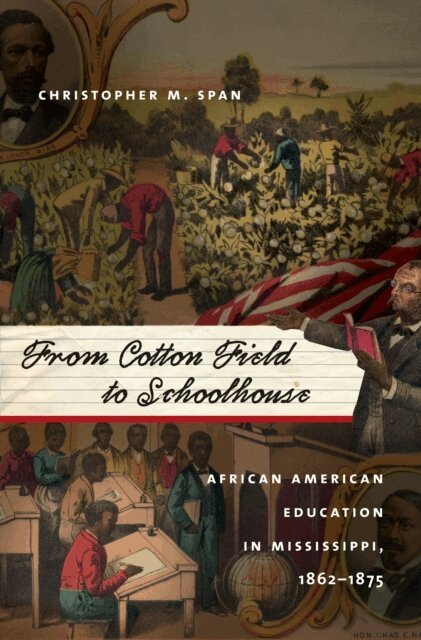
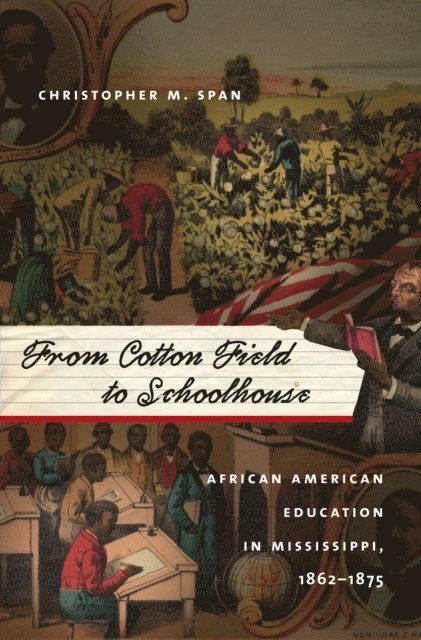
In the years immediately following the Civil War--the formative years for an emerging society of freed African Americans in Mississippi--there was much debate over the general purpose of black schools and who would control them. From Cotton Field to Schoolhouse is the first comprehensive examination of Mississippi''s politics and policies of postwar racial education. The primary debate centered on whether schools for African Americans (mostly freedpeople) should seek to develop blacks as citizens, train them to be free but subordinate laborers, or produce some other outcome. African Americans envisioned schools established by and for themselves as a primary means of achieving independence, equality, political empowerment, and some degree of social and economic mobility--in essence, full citizenship. Most northerners assisting freedpeople regarded such expectations as unrealistic and expected African Americans to labor under contract for those who had previously enslaved them and their families. Meanwhile, many white Mississippians objected to any educational opportunities for the former slaves. Christopher Span finds that newly freed slaves made heroic efforts to participate in their own education, but too often the schooling was used to control and redirect the aspirations of the newly freed.
Häftad, Engelska, 2014
447 kr
Skickas inom 10-15 vardagar
In the years immediately following the Civil War--the formative years for an emerging society of freed African Americans in Mississippi--there was much debate over the general purpose of black schools and who would control them. From Cotton Field to Schoolhouse is the first comprehensive examination of Mississippi's politics and policies of postwar racial education. The primary debate centered on whether schools for African Americans (mostly freedpeople) should seek to develop blacks as citizens, train them to be free but subordinate laborers, or produce some other outcome. African Americans envisioned schools established by and for themselves as a primary means of achieving independence, equality, political empowerment, and some degree of social and economic mobility--in essence, full citizenship. Most northerners assisting freedpeople regarded such expectations as unrealistic and expected African Americans to labor under contract for those who had previously enslaved them and their families. Meanwhile, many white Mississippians objected to any educational opportunities for the former slaves. Christopher Span finds that newly freed slaves made heroic efforts to participate in their own education, but too often the schooling was used to control and redirect the aspirations of the newly freed.
Häftad, Engelska, 2015
667 kr
Skickas inom 5-8 vardagar
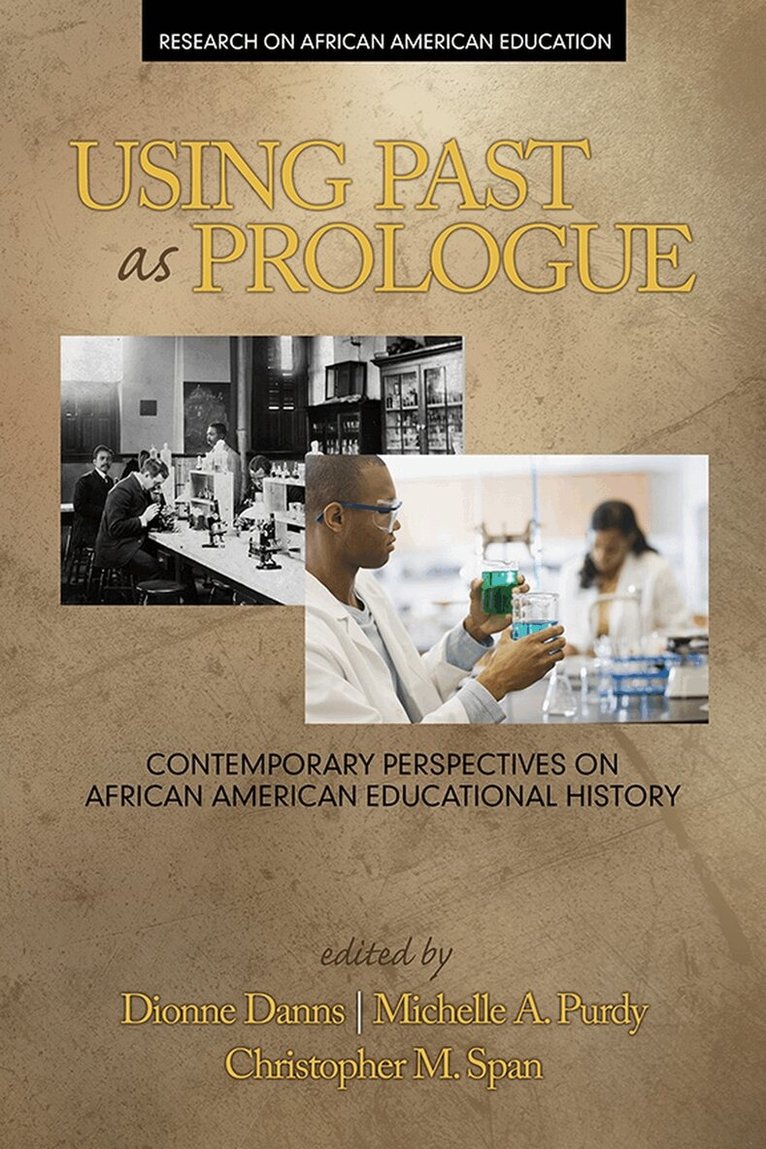
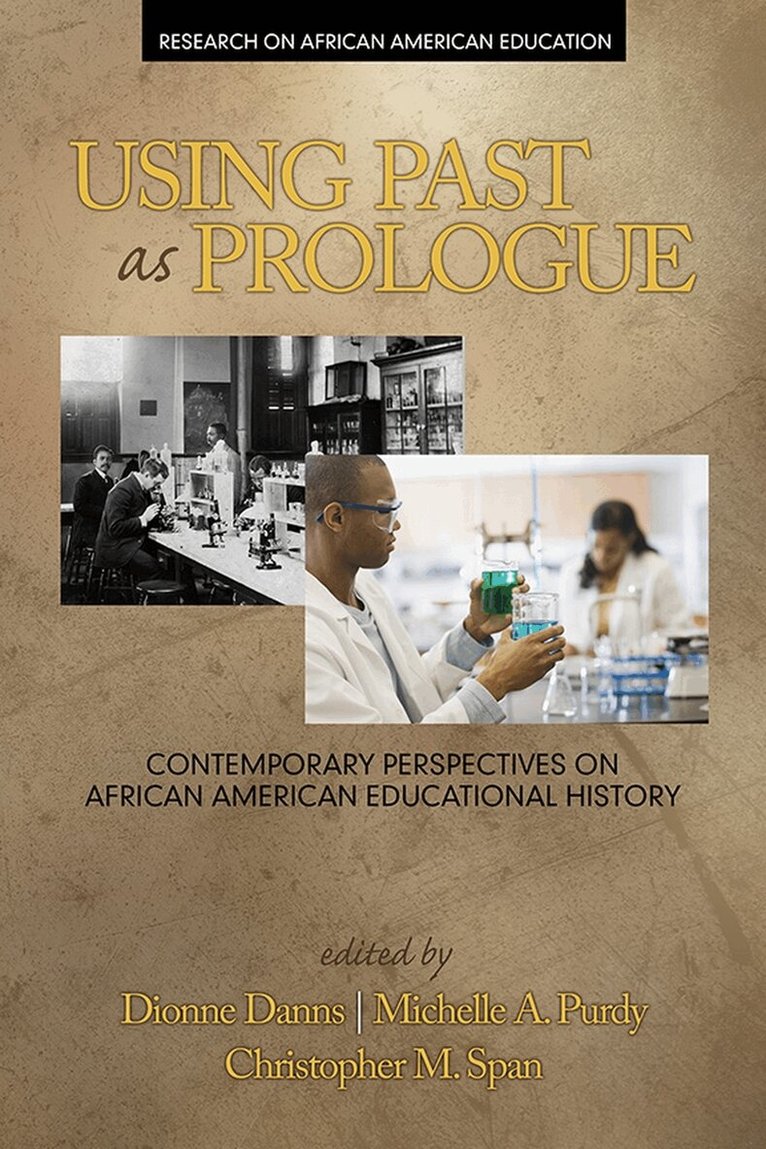
In 1978, V. P. Franklin and James D. Anderson co-edited New Perspectives on Black Educational History. For Franklin, Anderson, and their contributors, there were glaring gaps in the historiography of Black education that each of the essays began to fill with new information or fresh perspectives. There have been a number of important studies on the history of African American education in the more than three decades since Franklin and Anderson published their volume that has pushed the field forward. Scholars have redefined the views of Black southern schools as simply inferior, demonstrated the active role Blacks had in creating and sustaining their schools, sharpened our understanding of Black teachers’ and educational leaders’ role in educating Black students and themselves with professional development, provided a better understanding and recognition of the struggles in the North (particularly in urban and metropolitan areas), expanded our thinking about school desegregation and community control, and broadened our understanding of Black experiences and activism in higher education and private schools.Our volume will highlight and expand upon the changes to the field over the last three and a half decades. In the shadow of 60th anniversary of Brown v. Board of Education and the 50th anniversary of the 1964 Civil Rights Act, contributors expand on the way African Americans viewed and experienced a variety of educational policies including segregation and desegregation, and the varied options they chose beyond desegregation. The volume covers both the North and South in the 19th and 20th centuries. Contributors explore how educators, administrators, students, and communities responded to educational policies in various settings including K-12 public and private schooling and higher education. A significant contribution of the book is showcasing the growing and concentrated work in the era immediately following the Brown decision. Finally, scholars consider the historian’s engagement with recent history, contemporary issues, future directions, methodology, and teaching.
Inbunden, Engelska, 2015
1 130 kr
Skickas inom 5-8 vardagar
In 1978, V. P. Franklin and James D. Anderson co-edited New Perspectives on Black Educational History. For Franklin, Anderson, and their contributors, there were glaring gaps in the historiography of Black education that each of the essays began to fill with new information or fresh perspectives. There have been a number of important studies on the history of African American education in the more than three decades since Franklin and Anderson published their volume that has pushed the field forward. Scholars have redefined the views of Black southern schools as simply inferior, demonstrated the active role Blacks had in creating and sustaining their schools, sharpened our understanding of Black teachers’ and educational leaders’ role in educating Black students and themselves with professional development, provided a better understanding and recognition of the struggles in the North (particularly in urban and metropolitan areas), expanded our thinking about school desegregation and community control, and broadened our understanding of Black experiences and activism in higher education and private schools.Our volume will highlight and expand upon the changes to the field over the last three and a half decades. In the shadow of 60th anniversary of Brown v. Board of Education and the 50th anniversary of the 1964 Civil Rights Act, contributors expand on the way African Americans viewed and experienced a variety of educational policies including segregation and desegregation, and the varied options they chose beyond desegregation. The volume covers both the North and South in the 19th and 20th centuries. Contributors explore how educators, administrators, students, and communities responded to educational policies in various settings including K-12 public and private schooling and higher education. A significant contribution of the book is showcasing the growing and concentrated work in the era immediately following the Brown decision. Finally, scholars consider the historian’s engagement with recent history, contemporary issues, future directions, methodology, and teaching.
E-bok
Engelska, 2015468 kr
Läs direkt efter köp
In 1978, V. P. Franklin and James D. Anderson co-edited New Perspectives on Black Educational History. For Franklin, Anderson, and their contributors, there were glaring gaps in the historiography of Black education that each of the essays began to fill with new information or fresh perspectives. There have been a number of important studies on the history of African American education in the more than three decades since Franklin and Anderson published their volume that has pushed the field forward. Scholars have redefined the views of Black southern schools as simply inferior, demonstrated the active role Blacks had in creating and sustaining their schools, sharpened our understanding of Black teachers' and educational leaders' role in educating Black students and themselves with professional development, provided a better understanding and recognition of the struggles in the North (particularly in urban and metropolitan areas), expanded our thinking about school desegregation and community control, and broadened our understanding of Black experiences and activism in higher education and private schools.Our volume will highlight and expand upon the changes to the field over the last three and a half decades. In the shadow of 60th anniversary of Brown v. Board of Education and the 50th anniversary of the 1964 Civil Rights Act, contributors expand on the way African Americans viewed and experienced a variety of educational policies including segregation and desegregation, and the varied options they chose beyond desegregation. The volume covers both the North and South in the 19th and 20th centuries. Contributors explore how educators, administrators, students, and communities responded to educational policies in various settings including K-12 public and private schooling and higher education. A significant contribution of the book is showcasing the growing and concentrated work in the era immediately following the Brown decision. Finally, scholars consider the historian's engagement with recent history, contemporary issues, future directions, methodology, and teaching.
E-bok
Engelska, 2015696 kr
Läs direkt efter köp
In 1978, V. P. Franklin and James D. Anderson co-edited New Perspectives on Black Educational History. For Franklin, Anderson, and their contributors, there were glaring gaps in the historiography of Black education that each of the essays began to fill with new information or fresh perspectives. There have been a number of important studies on the history of African American education in the more than three decades since Franklin and Anderson published their volume that has pushed the field forward. Scholars have redefined the views of Black southern schools as simply inferior, demonstrated the active role Blacks had in creating and sustaining their schools, sharpened our understanding of Black teachers' and educational leaders' role in educating Black students and themselves with professional development, provided a better understanding and recognition of the struggles in the North (particularly in urban and metropolitan areas), expanded our thinking about school desegregation and community control, and broadened our understanding of Black experiences and activism in higher education and private schools.Our volume will highlight and expand upon the changes to the field over the last three and a half decades. In the shadow of 60th anniversary of Brown v. Board of Education and the 50th anniversary of the 1964 Civil Rights Act, contributors expand on the way African Americans viewed and experienced a variety of educational policies including segregation and desegregation, and the varied options they chose beyond desegregation. The volume covers both the North and South in the 19th and 20th centuries. Contributors explore how educators, administrators, students, and communities responded to educational policies in various settings including K-12 public and private schooling and higher education. A significant contribution of the book is showcasing the growing and concentrated work in the era immediately following the Brown decision. Finally, scholars consider the historian's engagement with recent history, contemporary issues, future directions, methodology, and teaching.