Christopher S. Beekman – författare
Visar alla böcker från författaren Christopher S. Beekman. Handla med fri frakt och snabb leverans.
10 produkter
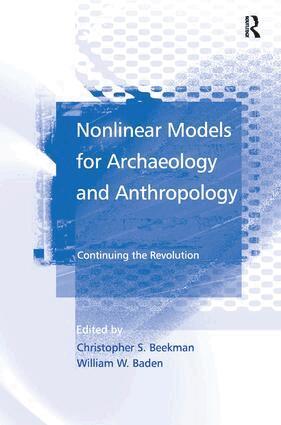
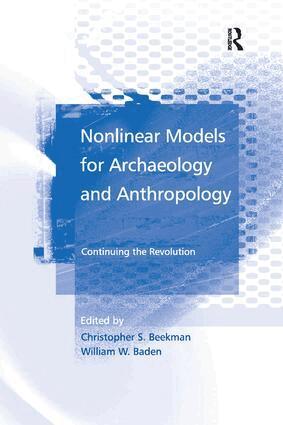
Nonlinear Models for Archaeology and Anthropology
Continuing the Revolution
Av William W. Baden, Christopher S. Beekman
Inbunden, 2005
2513 kr
Lägg i varukorg
The dominant social theory used by archaeologists has tended to focus on either small scale agency or large-scale cultural patterns and processes of change. The authors of this volume argue that archaeologists should use nonlinear models to more accurately model the connections between scales of …
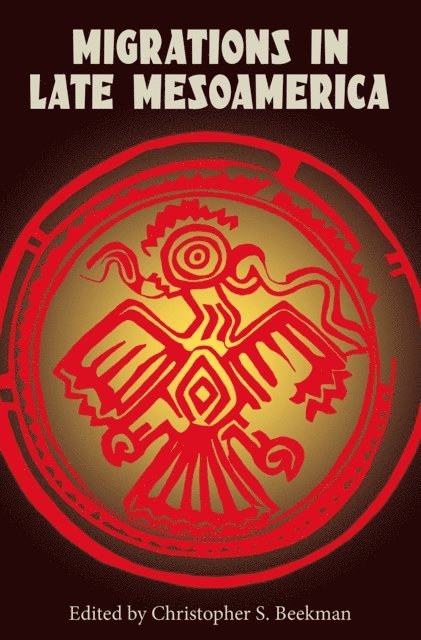
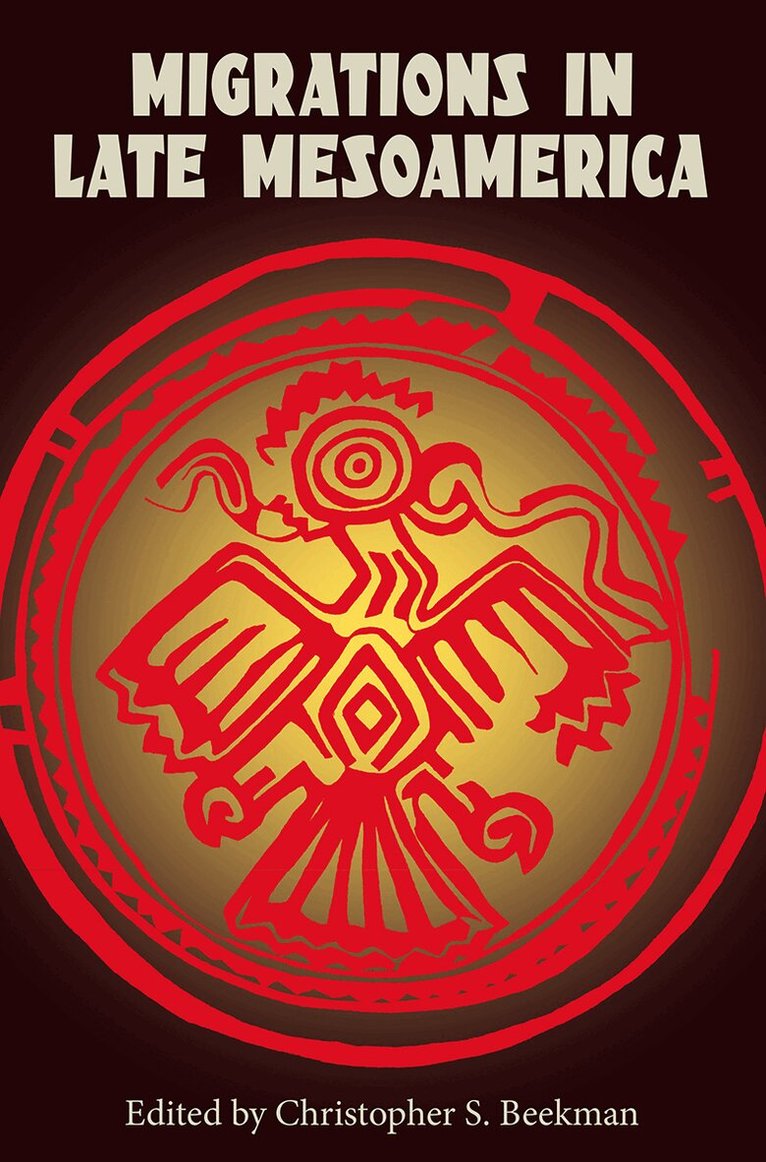
Migrations in Late Mesoamerica
E-bok, 2019
1592 kr
Lägg i varukorg
Bringing the often-neglected topic of migration to the forefront of ancient Mesoamerican studies, this volume uses an illuminating multidisciplinary approach to address the role of population movements in Mexico and Central America from AD 500 to 1500, the tumultuous centuries before European …
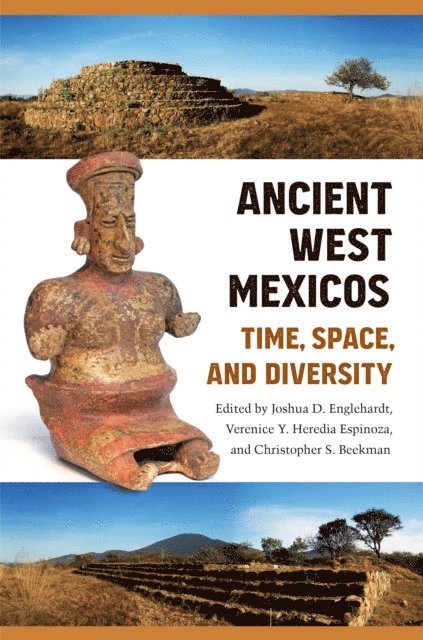
Ancient West Mexicos
Time, Space, and Diversity
Av Christopher S. Beekman, Verenice Y. Heredia Espinoza m. fl.
E-bok, 2020
1962 kr
Lägg i varukorg
The ancient societies of western Mexico have long been understudied and misunderstood. Focusing on recent archaeological data, Ancient West Mexicos highlights the diversity and complexity of the region’s pre-Columbian cultures and argues that western Mexico was more similar to the rest of the …
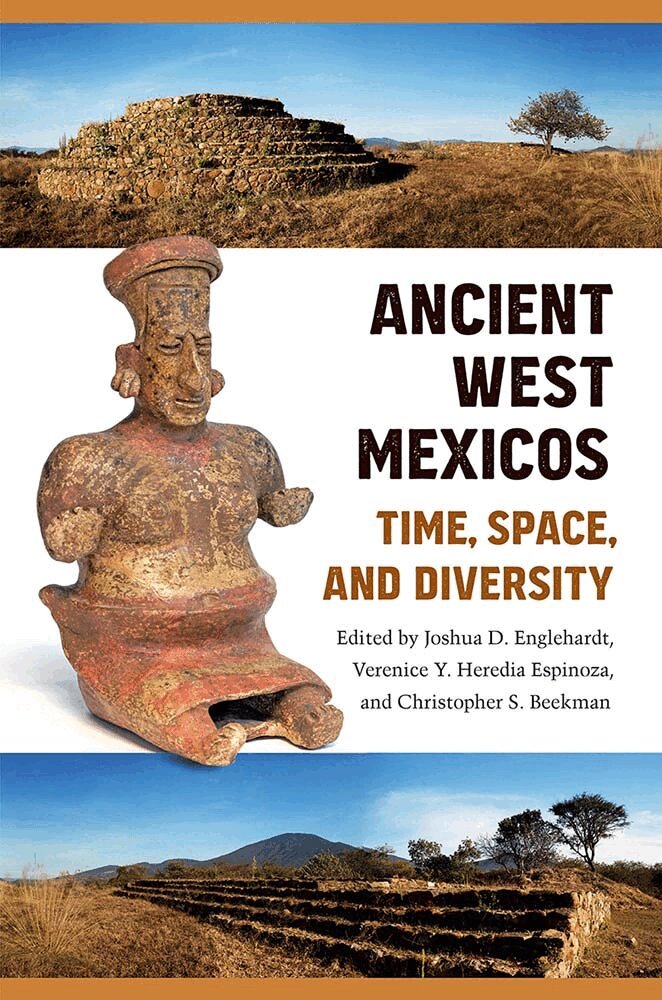
Ancient West Mexicos
Time, Space, and Diversity
Av Joshua D. Englehardt, Verenice Y. Heredia Espinoza m. fl.
Inbunden, 2020
1291 kr
Lägg i varukorg
The ancient societies of western Mexico have long been understudied and misunderstood. Focusing on recent archaeological data, Ancient West Mexicos highlights the diversity and complexity of the region's pre-Hispanic cultures and argues that western Mexico was more similar to the rest of the …
Waves of Influence
Pacific Maritime Networks Connecting Mexico, Central America, and Northwestern South America
Av Christopher S. Beekman, Colin McEwan
Inbunden, 2022
757 kr
Lägg i varukorg
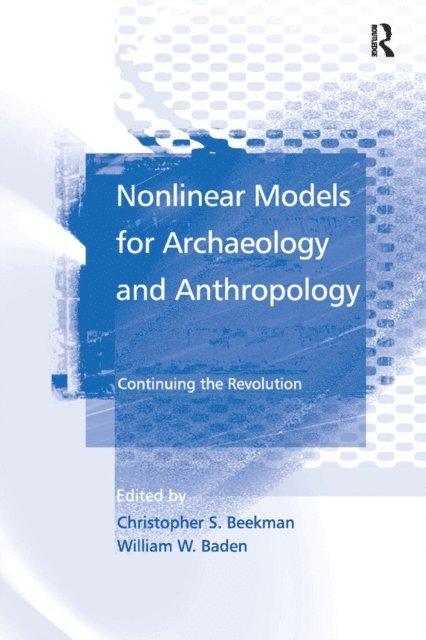
Nonlinear Models for Archaeology and Anthropology
Continuing the Revolution
Av William W. Baden, Christopher S. Beekman
Häftad, 2016
940 kr
Lägg i varukorg
The dominant social theory used by archaeologists has tended to focus on either small scale agency or large-scale cultural patterns and processes of change. The authors of this volume argue that archaeologists should use nonlinear models to more accurately model the connections between scales of …
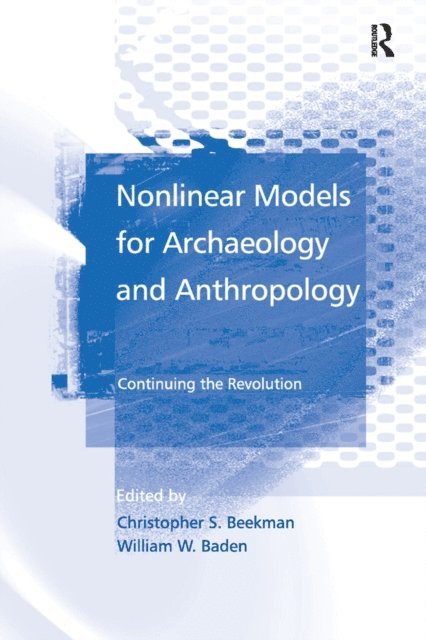
Nonlinear Models for Archaeology and Anthropology
Continuing the Revolution
Av William W. Baden, Christopher S. Beekman
E-bok, 2016
1106 kr
Lägg i varukorg
The dominant social theory used by archaeologists has tended to focus on either small scale agency or large-scale cultural patterns and processes of change. The authors of this volume argue that archaeologists should use nonlinear models to more accurately model the connections between scales of …
Nonlinear Models for Archaeology and Anthropology
Continuing the Revolution
Av William W. Baden, Christopher S. Beekman
E-bok, 2016
1106 kr
Lägg i varukorg
The dominant social theory used by archaeologists has tended to focus on either small scale agency or large-scale cultural patterns and processes of change. The authors of this volume argue that archaeologists should use nonlinear models to more accurately model the connections between scales of …
Migrations in Late Mesoamerica
Inbunden, 2019
990 kr
Tillfälligt slut
Bringing the often-neglected topic of migration to the forefront of ancient Mesoamerican studies, this volume uses an illuminating multidisciplinary approach to address the role of population movements in Mexico and Central America from AD 500 to 1500, the tumultuous centuries before European …
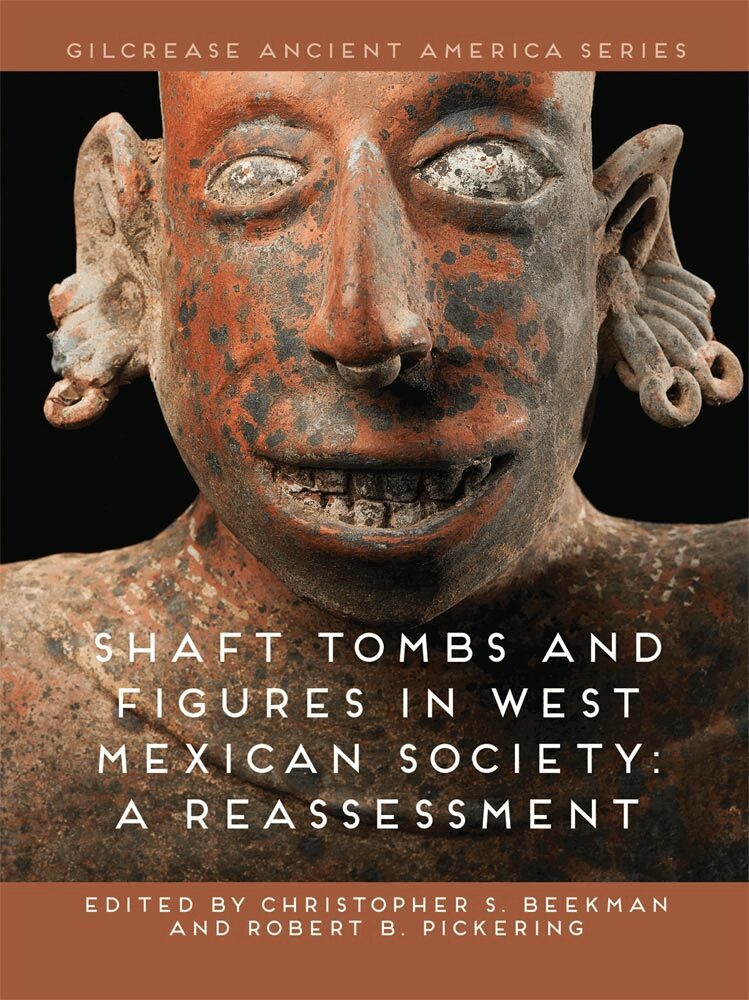
Shaft Tombs and Figures in West Mexican Society
A Reassessment
Av Christopher S. Beekman, Robert B. Pickering
Inbunden, 2016
699 kr
Tillfälligt slut