Christopher Schlottmann - Böcker
Visar alla böcker från författaren Christopher Schlottmann. Handla med fri frakt och snabb leverans.
6 produkter
6 produkter
659 kr
Skickas inom 5-8 vardagar
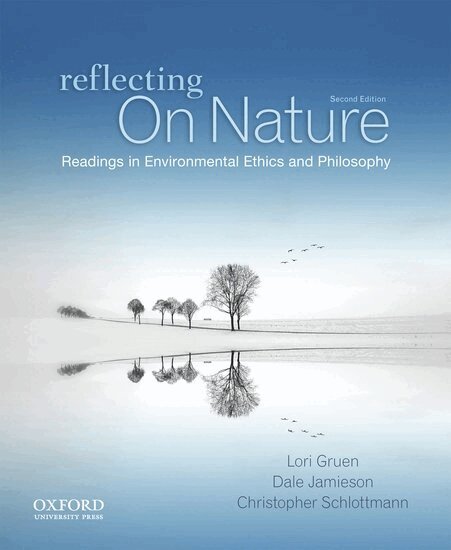
Spanning centuries of philosophical and environmental thought, Reflecting on Nature: Readings in Environmental Ethics and Philosophy, Second Edition, will inform and enlighten your students while also encouraging debate.Extensively revised and updated for the second edition, this comprehensive collection presents fifty classic and contemporary readings, thirty-three of them new. The second edition retains the core readings and insights of the first edition while also updating its coverage in light of the many changes that have occurred over the last twenty years in the intellectual climate and in patterns of environmental concern. The selections are topically organized into sections on animals, biodiversity, ethics, images of nature, wilderness, and--new to this edition--aesthetics, climate change, food, and justice. This thematic organization, in combination with coverage of current environmental issues, encourages students to apply what they learn in class to real-life problems.Featuring insightful section introductions, discussion questions, and suggestions for further reading, Reflecting on Nature, Second Edition, is ideal for use in environmental philosophy, environmental ethics, and environmental studies courses.
2 088 kr
Skickas inom 10-15 vardagar
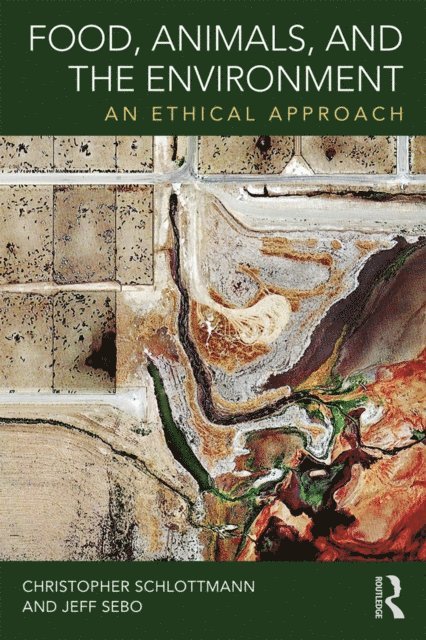
Food, Animals, and the Environment: An Ethical Approach examines some of the main impacts that agriculture has on humans, nonhumans, and the environment, as well as some of the main questions that these impacts raise for the ethics of food production, consumption, and activism. Agriculture is having a lasting effect on this planet. Some forms of agriculture are especially harmful. For example, industrial animal agriculture kills 100+ billion animals per year; consumes vast amounts of land, water, and energy; and produces vast amounts of waste, pollution, and greenhouse gas emissions. Other forms, such as local, organic, and plant-based food, have many benefits, but they also have many costs, especially at scale. These impacts raise difficult ethical questions. What do we owe animals, plants, species, and ecosystems? What do we owe people in other nations and future generations? What are the ethics of risk, uncertainty, and collective harm? What is the meaning and value of natural food in a world reshaped by human activity? What are the ethics of supporting harmful industries when less harmful alternatives are available? What are the ethics of resisting harmful industries through activism, advocacy, and philanthropy? The discussion ranges over cutting-edge topics such as effective altruism, abolition and regulation, revolution and reform, individual and structural change, single-issue and multi-issue activism, and legal and illegal activism. This unique and accessible text is ideal for teachers, students, and anyone else interested in serious examination of one of the most complex and important moral problems of our time.
549 kr
Skickas inom 10-15 vardagar
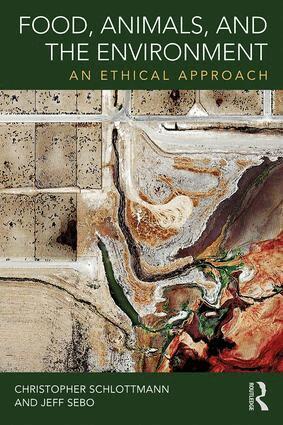
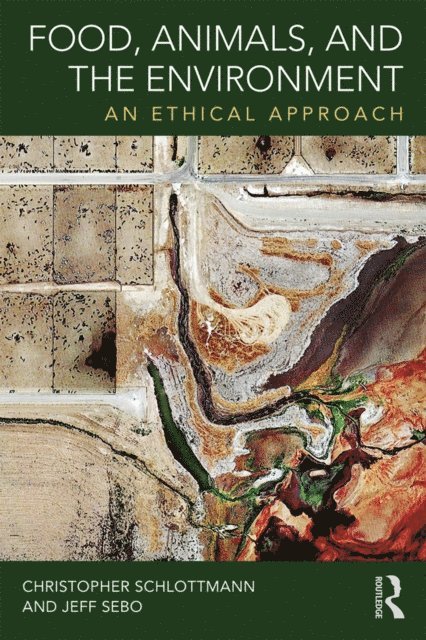
Food, Animals, and the Environment: An Ethical Approach examines some of the main impacts that agriculture has on humans, nonhumans, and the environment, as well as some of the main questions that these impacts raise for the ethics of food production, consumption, and activism. Agriculture is having a lasting effect on this planet. Some forms of agriculture are especially harmful. For example, industrial animal agriculture kills 100+ billion animals per year; consumes vast amounts of land, water, and energy; and produces vast amounts of waste, pollution, and greenhouse gas emissions. Other forms, such as local, organic, and plant-based food, have many benefits, but they also have many costs, especially at scale. These impacts raise difficult ethical questions. What do we owe animals, plants, species, and ecosystems? What do we owe people in other nations and future generations? What are the ethics of risk, uncertainty, and collective harm? What is the meaning and value of natural food in a world reshaped by human activity? What are the ethics of supporting harmful industries when less harmful alternatives are available? What are the ethics of resisting harmful industries through activism, advocacy, and philanthropy? The discussion ranges over cutting-edge topics such as effective altruism, abolition and regulation, revolution and reform, individual and structural change, single-issue and multi-issue activism, and legal and illegal activism. This unique and accessible text is ideal for teachers, students, and anyone else interested in serious examination of one of the most complex and important moral problems of our time.
Conceptual Challenges for Environmental Education
Advocacy, Autonomy, Implicit Education and Values
Häftad, Engelska, 2012
411 kr
Skickas inom 5-8 vardagar
Conceptual Challenges for Environmental Education is a critical analysis of environmental education from the perspective of educational ethics. It spells out elements of the conceptual foundations of an environmental education theory – among them implicit education, advocacy, Decade of Education for Sustainable Development, and climate change – that can both advance our understanding of and improve our responses to modern environmental problems. The book is intended to broaden the types of environmental education practiced, specifically by attempting to draw on the integrative strengths of liberal education. At their core, environmental problems require both ethical and integrative understanding as part of their solutions: this book proposes strategies for incorporating such understanding into our educational theories and programs.
1 167 kr
Skickas inom 10-15 vardagar
Environment and Society connects the core themes of environmental studies to the urgent issues and debates of the twenty-first century. In an era marked by climate change, rapid urbanization, and resource scarcity, environmental studies has emerged as a crucial arena of study. Assembling canonical and contemporary texts, this volume presents a systematic survey of concepts and issues central to the environment in society, such as: social mobilization on behalf of environmental objectives; the relationships between human population, economic growth and stresses on the planet's natural resources; debates about the relative effects of collective and individual action; and unequal distribution of the social costs of environmental degradation. Organized around key themes, with each section featuring questions for debate and suggestions for further reading, the book introduces students to the history of environmental studies, and demonstrates how the field's interdisciplinary approach uniquely engages the essential issues of the present.
428 kr
Skickas inom 7-10 vardagar
Environment and Society connects the core themes of environmental studies to the urgent issues and debates of the twenty-first century. In an era marked by climate change, rapid urbanization, and resource scarcity, environmental studies has emerged as a crucial arena of study. Assembling canonical and contemporary texts, this volume presents a systematic survey of concepts and issues central to the environment in society, such as: social mobilization on behalf of environmental objectives; the relationships between human population, economic growth and stresses on the planet's natural resources; debates about the relative effects of collective and individual action; and unequal distribution of the social costs of environmental degradation. Organized around key themes, with each section featuring questions for debate and suggestions for further reading, the book introduces students to the history of environmental studies, and demonstrates how the field's interdisciplinary approach uniquely engages the essential issues of the present.