Christopher Tadgell – författare
Visar alla böcker från författaren Christopher Tadgell. Handla med fri frakt och snabb leverans.
23 produkter
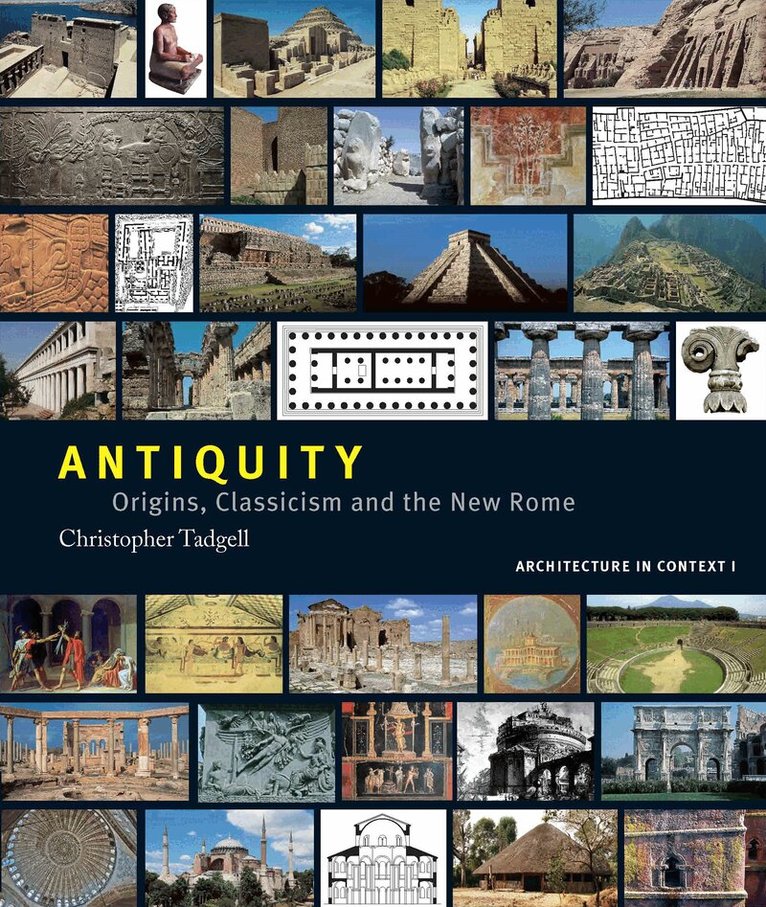
Antiquity
Origins, Classicism and the New Rome
Inbunden, 2007
3154 kr
Lägg i varukorg
The first in a new series of five books describing and illustrating the seminal architectural traditions of the world, Antiquity traces architectural history from its very beginnings until the time when the traditions that shape today’s environments began to flourish.More than a catalogue of …
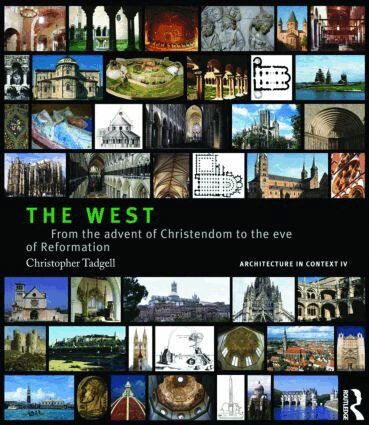
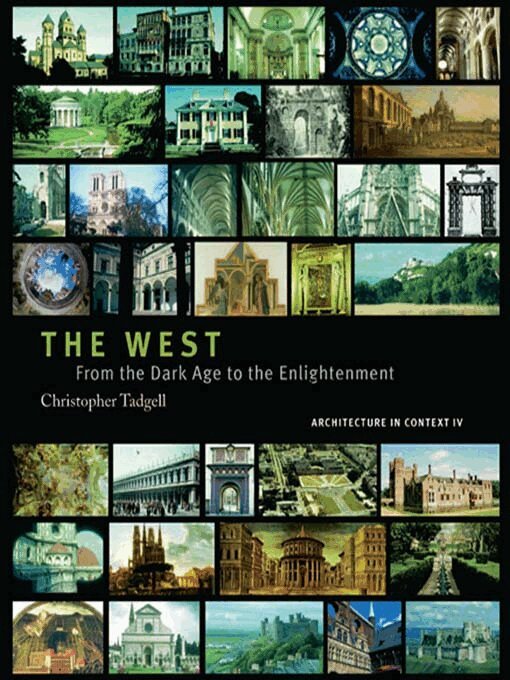
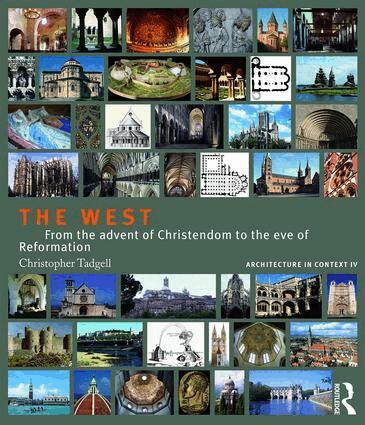
West
From the advent of Christendom to the eve of Reformation
Inbunden, 2009
2585 kr
Lägg i varukorg
Christopher Tadgell covers the major architectural traditions of the Middle Ages, from the Romanesque architecture of the ninth and tenth centuries, built on the legacy of ancient Rome and including elements from Carolingian, Ottonian, Byzantine and northern European traditions, through to the …
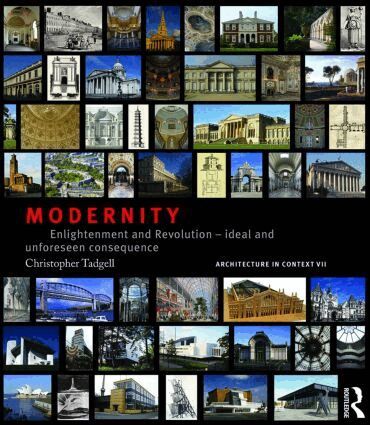
Modernity
Enlightenment and Revolution – ideal and unforeseen consequence
Inbunden, 2015
2548 kr
Lägg i varukorg
The seventh book in the Architecture in Context series, this is a comprehensive survey of European architecture from the pre-dawn of the Enlightenment in early Georgian England to the triumph of Brutalism in the seventh decade of the twentieth century.The three main sections of the book are …
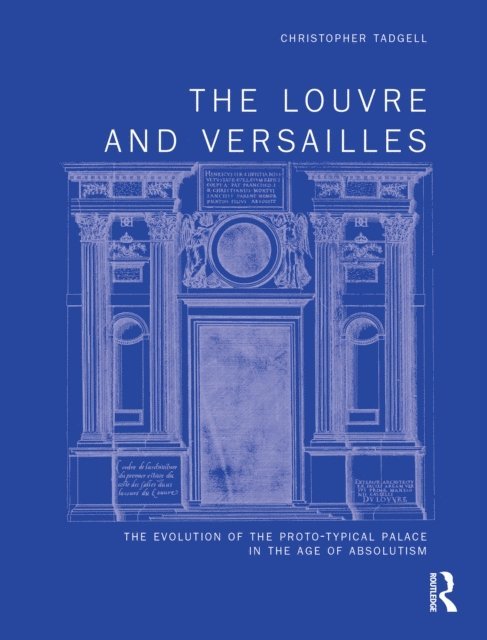
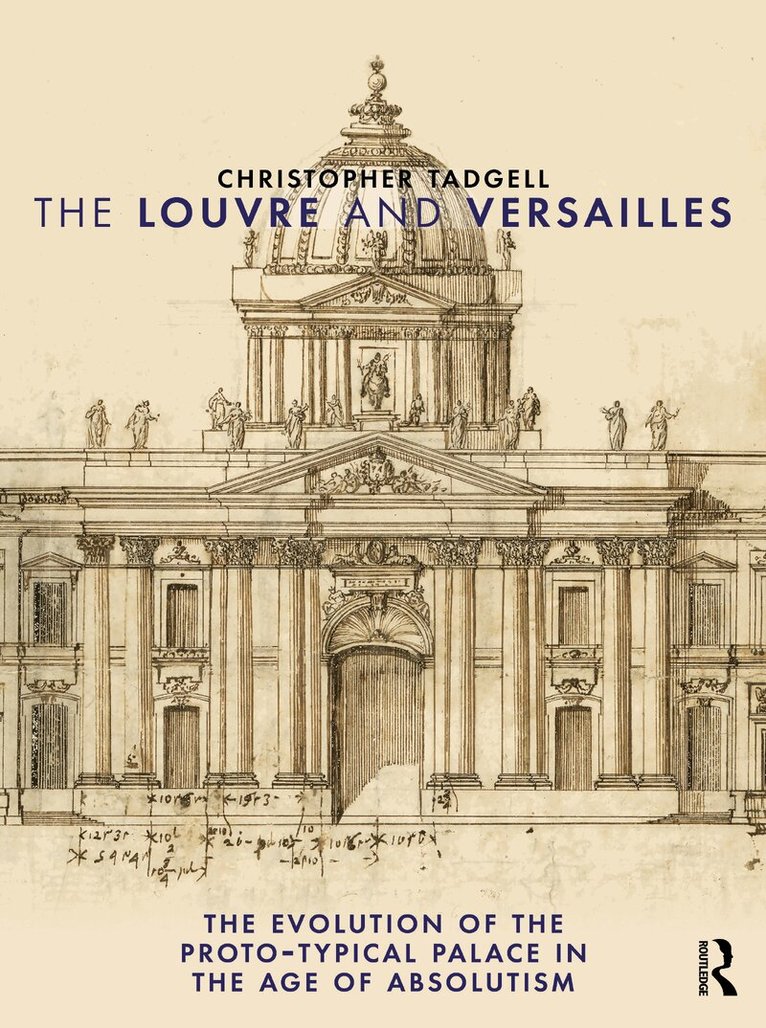
Louvre and Versailles
The Evolution of the Proto-typical Palace in the Age of Absolutism
E-bok, 2020
785 kr
Lägg i varukorg
In tracing the evolution of the Louvre from fortress to palace and of Versailles from hunting domain to dynastic capital, Dr Tadgell’s detailed architectural analysis of many projects – external and internal, realised and unrealised – is set in the context of the development of the medieval …
Louvre and Versailles
The Evolution of the Proto-typical Palace in the Age of Absolutism
E-bok, 2020
768 kr
Lägg i varukorg
In tracing the evolution of the Louvre from fortress to palace and of Versailles from hunting domain to dynastic capital, Dr Tadgell’s detailed architectural analysis of many projects – external and internal, realised and unrealised – is set in the context of the development of the medieval …
Architecture in the Indian Subcontinent
From the Mauryas to the Mughals
E-bok, 2023
977 kr
Lägg i varukorg
Dedicated to the tracing of continuity across sectarian divides, Christopher Tadgell’s History of Architecture in India (1989) was the first modern monograph to draw together in one volume all the strands of India’s pre-colonial architectural history – from the Vedic and Native traditions of early …
Architecture in the Indian Subcontinent
From the Mauryas to the Mughals
E-bok, 2023
977 kr
Lägg i varukorg
Dedicated to the tracing of continuity across sectarian divides, Christopher Tadgell’s History of Architecture in India (1989) was the first modern monograph to draw together in one volume all the strands of India’s pre-colonial architectural history – from the Vedic and Native traditions of early …
Architecture in the Indian Subcontinent
From the Mauryas to the Mughals
Inbunden, 2023
1026 kr
Lägg i varukorg
Dedicated to the tracing of continuity across sectarian divides, Christopher Tadgell’s History of Architecture in India (1989) was the first modern monograph to draw together in one volume all the strands of India’s pre-colonial architectural history – from the Vedic and Native traditions of early …
Louvre and Versailles
The Evolution of the Proto-typical Palace in the Age of Absolutism
Häftad, 2025
667 kr
Lägg i varukorg
In tracing the evolution of the Louvre from fortress to palace and of Versailles from hunting domain to dynastic capital, Dr Tadgell’s detailed architectural analysis of many projects – external and internal, realised and unrealised – is set in the context of the development of the medieval …
Louvre and Versailles
The Evolution of the Proto-typical Palace in the Age of Absolutism
Inbunden, 2025
1266 kr
Lägg i varukorg
In tracing the evolution of the Louvre from fortress to palace and of Versailles from hunting domain to dynastic capital, Dr Tadgell’s detailed architectural analysis of many projects – external and internal, realised and unrealised – is set in the context of the development of the medieval …
West
From the advent of Christendom to the eve of Reformation
E-bok, 2013
927 kr
Lägg i varukorg
Christopher Tadgell covers the major architectural traditions of the Middle Ages, from the Romanesque architecture of the ninth and tenth centuries, built on the legacy of ancient Rome and including elements from Carolingian, Ottonian, Byzantine and northern European traditions, through to the …
West
From the advent of Christendom to the eve of Reformation
E-bok, 2013
927 kr
Lägg i varukorg
Christopher Tadgell covers the major architectural traditions of the Middle Ages, from the Romanesque architecture of the ninth and tenth centuries, built on the legacy of ancient Rome and including elements from Carolingian, Ottonian, Byzantine and northern European traditions, through to the …
Antiquity
Origins, Classicism and the New Rome
E-bok, 2018
1124 kr
Lägg i varukorg
The first in a new series of five books describing and illustrating the seminal architectural traditions of the world, Antiquity traces architectural history from its very beginnings until the time when the traditions that shape today’s environments began to flourish.More than a catalogue of …
Antiquity
Origins, Classicism and the New Rome
E-bok, 2018
1124 kr
Lägg i varukorg
The first in a new series of five books describing and illustrating the seminal architectural traditions of the world, Antiquity traces architectural history from its very beginnings until the time when the traditions that shape today’s environments began to flourish.More than a catalogue of …
Modernity
Enlightenment and Revolution – ideal and unforeseen consequence
Häftad, 2017
938 kr
Lägg i varukorg
The seventh book in the Architecture in Context series, this is a comprehensive survey of the European tradition of architecture from the pre-dawn of the Enlightenment in early Georgian England to the triumph of Brutalism in the seventh decade of the twentieth century.The three main sections are …
Antiquity
Origins, Classicism and the New Rome
Häftad, 2017
938 kr
Lägg i varukorg
This is the first in a series of seven books that describe and illustrate the seminal architectural traditions of the world. It describes the origins of the Classical tradition in the mountain temples of Sumer, the pyramids of Egypt and the ziggurats of Mesopotamia. The story continues with the …
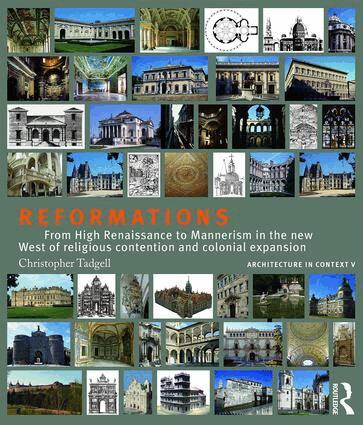
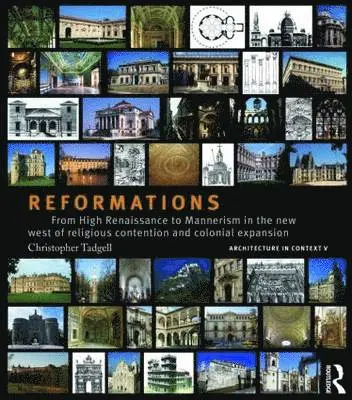
Reformations
From High Renaissance to Mannerism in the new West of religious contention and colonial expansion
Häftad, 2017
938 kr
Lägg i varukorg
Unprecedented in scope, this fifth volume in the Architecture in Context series traces the rediscovery of Classical ideas and the emergence of the great artists and architects of late 15th- and early 16th-century Italy that led to the cultural peak characterized as the High Renaissance.It begins …
West
From the advent of Christendom to the eve of Reformation
Häftad, 2017
981 kr
Lägg i varukorg
This volume tells the story of European architecture in the ‘middle ages’ – from the destruction by northern barbarians of Rome and the urban society it had fostered to the rediscovery of Classical values and the rebirth of humanism in 15th-century Italy.This period saw the evolution of feudalism, …
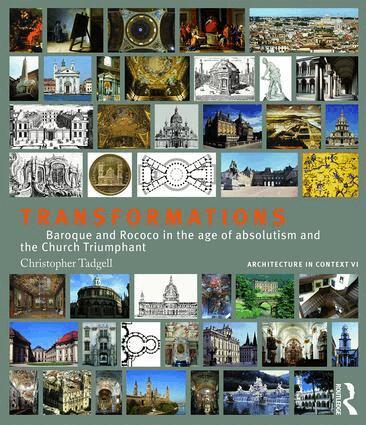
Transformations
Baroque and Rococo in the age of absolutism and the Church Triumphant
Häftad, 2017
951 kr
Lägg i varukorg
Unprecedented in scope – like its companion volume on the High Renaissance, Mannerism – this sixth volume in the Architecture in Context series traces the development of architecture and decoration in the 17th and early 18th centuries – particularly the transformation of rationalist Classical …
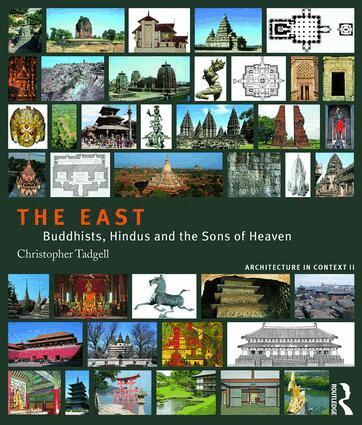
East
Buddhists, Hindus and the Sons of Heaven
Häftad, 2017
998 kr
Lägg i varukorg
The East, the second in a series of seven books that describe and illustrate the seminal architectural traditions of the world, is a survey of unparalleled range and depth. The journey starts on the Indian subcontinent with the Vedic and native traditions of the 2nd millennium BCE, modified by the …
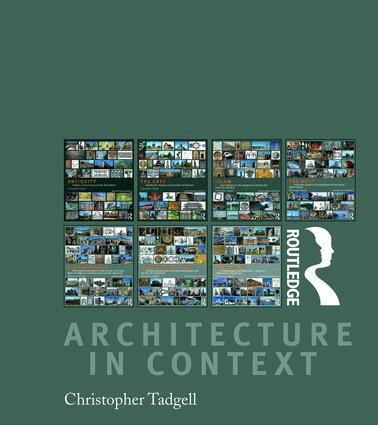
Architecture in Context: Boxset
2017
7324 kr
Lägg i varukorg
Architecture in Context is a series of seven books describing and illustrating all the seminal traditions of architecture from the earliest settlements in the Euphrates and Jordan valleys to the stylistically and technologically sophisticated buildings of the second half of the twentieth century. …
Reformations: From High Renaissance to Mannerism in the New West of Religious Contention and Colonial Expansion
Inbunden
859 kr
Tillfälligt slut
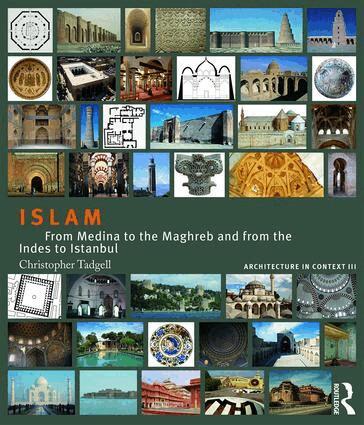
Islam
From Medina to the Maghreb and from the Indies to Istanbul
Häftad, 2017
645 kr
Tillfälligt slut
The Prophet Muhammad – acknowledged by his followers to have been the hand with which God wrote his definitive Word enshrined in the Koran – was born into the Quraishi tribe at Mecca c. 570 and died in Medina in 632. The great religion founded on that Word, which first claimed the submission …