Christos Kakalis – författare
1 090 kr
Skickas inom 10-15 vardagar
1 101 kr
Läs direkt efter köp
873 kr
Skickas inom 10-15 vardagar
1 356 kr
Skickas inom 10-15 vardagar
481 kr
Läs direkt efter köp
481 kr
Läs direkt efter köp
461 kr
Skickas inom 10-15 vardagar
565 kr
Skickas inom 10-15 vardagar
718 kr
Läs direkt efter köp
565 kr
Skickas inom 10-15 vardagar
1 523 kr
Skickas inom 10-15 vardagar
1 851 kr
Läs direkt efter köp
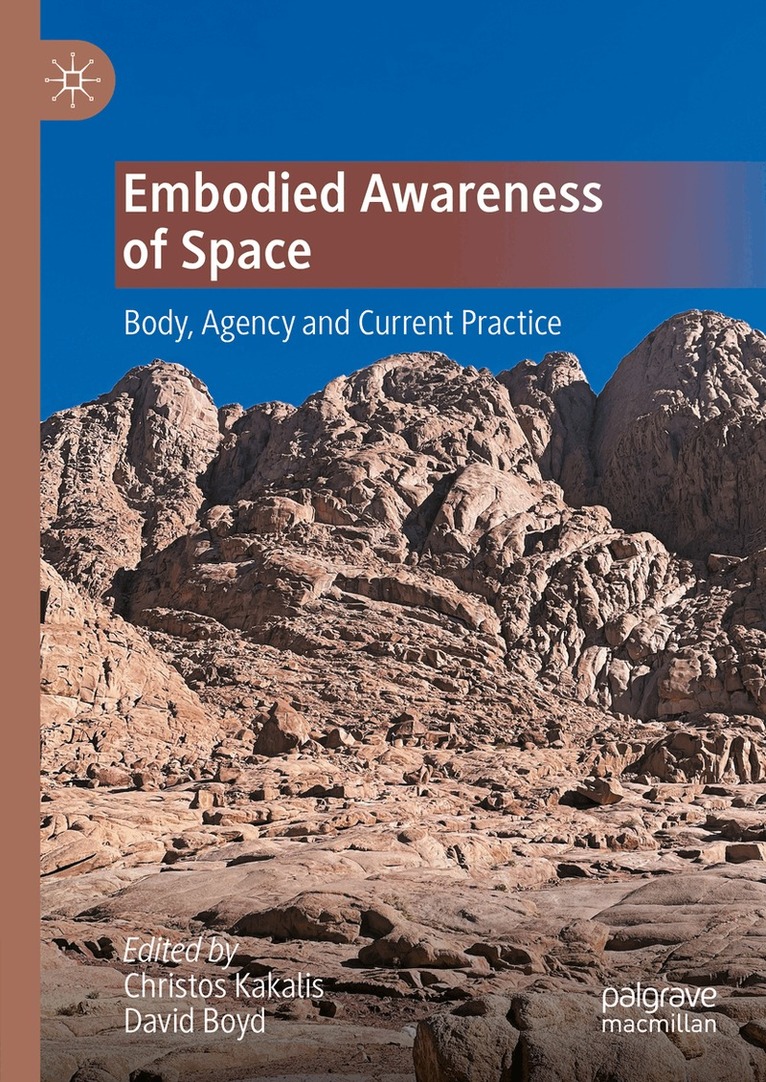
This edited volume explores the notion of embodied experience through a diverse range of disciplines: architecture, music, literature, performance studies, philosophy, geopolitics. In doing so, it illuminates the need to redefine the role of the human body as one of the protagonists for raising awareness of space-time issues through processing, experimentation and application of histories and theories of embodied awareness of space. Critically revisiting these spatio-temporal dialogues, this book suggests a method of linking theory, history and practice: past, present and future. The authors reinstate the significance of history and theory in creative thinking, and test their applicability in a number of different areas: theoretical and buildable architectural projects, mapping and geography, representation, and performative arts. This volume will appeal to students and scholars from architecture, art, cultural studies, landscape studies, media studies, and other disciplines in the humanities and social sciences.
1 523 kr
Skickas inom 10-15 vardagar
1 415 kr
Skickas inom 10-15 vardagar
1 672 kr
Läs direkt efter köp
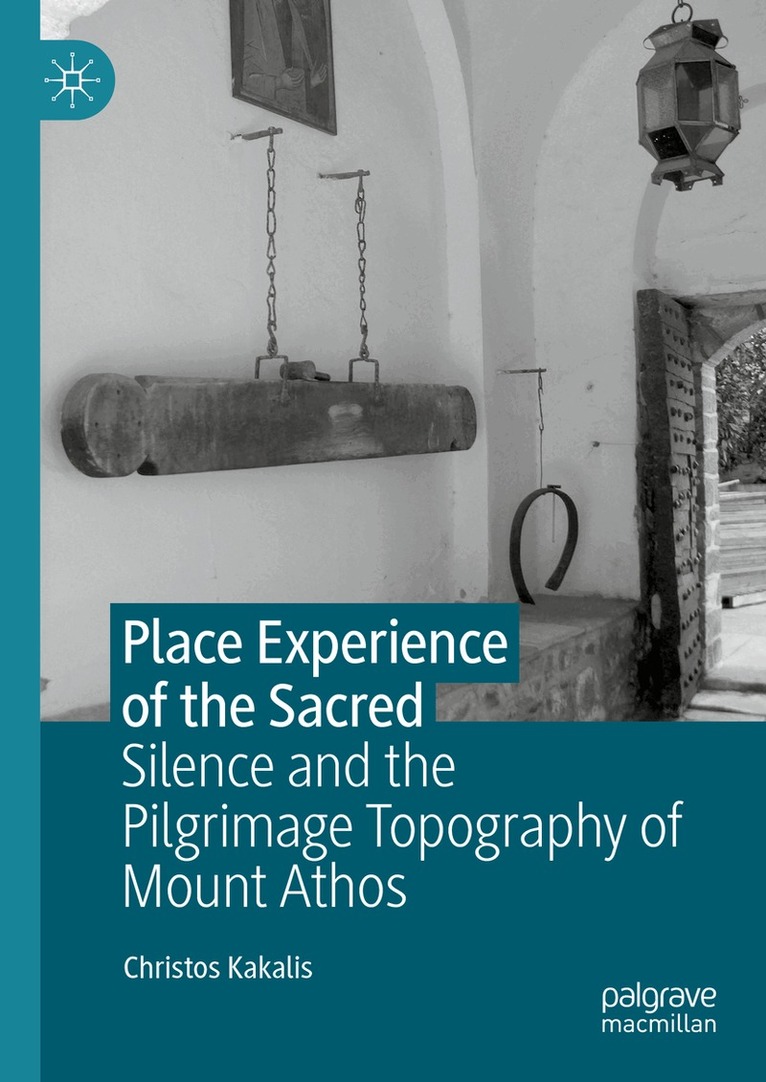
This book explores the topography of Mount Athos, emphasizing the significance of silence and communal ritual in its understanding. Mount Athos, a mountainous peninsula in northern Greece, is a valuable case study of sacred topography, as it is one of the world’s largest monastic communities and an important pilgrimage destination. Its phenomenological examination highlights the importance of embodiment in the experience of religious places. Combining interdisciplinary insights from architectural theory, philosophy, theology and anthropology with archival and ethnographic materials, the book brings a fresh contribution to both Athonite studies and scholarship on sacred space. By focusing on the interrelation between silence and communal ritual, it offers an alternative to the traditional art historical, objectifying approaches. It reintroduces the phenomenological understanding of place, investigating also how this is expressed through a number of narratives, such as travel literature, maps and diaries.