Christy Desmet – författare
Visar alla böcker från författaren Christy Desmet. Handla med fri frakt och snabb leverans.
22 produkter
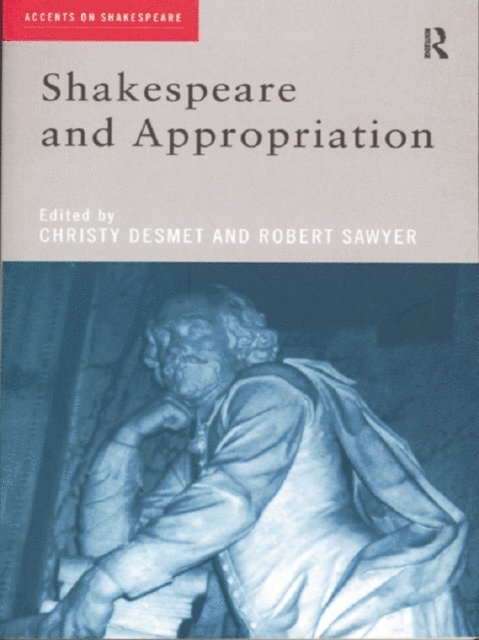
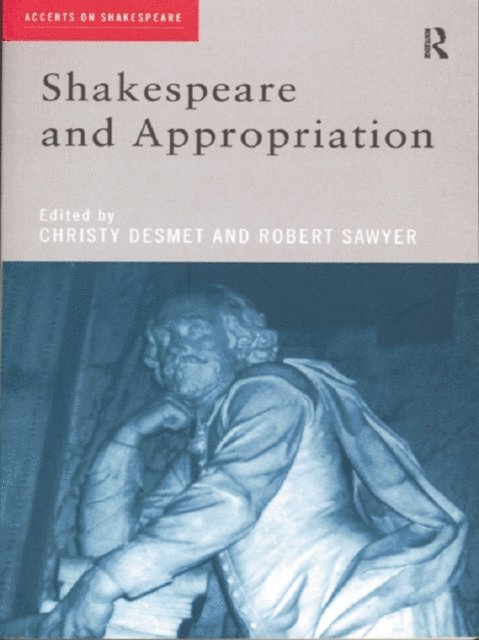
Shakespeare and Appropriation
Av Christy Desmet, Robert Sawyer
Inbunden, 1999
2886 kr
Lägg i varukorg
The vitality of our culture is still often measured by the status Shakespeare has within it. Contemporary readers and writers continue to exploit Shakespeare's cultural afterlife in a vivid and creative way. This fascinating collection of original essays shows how writers' efforts to imitate, …
Shakespeare and Appropriation
Av Christy Desmet, Robert Sawyer
Häftad, 1999
744 kr
Lägg i varukorg
The vitality of our culture is still often measured by the status Shakespeare has within it. Contemporary readers and writers continue to exploit Shakespeare's cultural afterlife in a vivid and creative way. This fascinating collection of original essays shows how writers' efforts to imitate, …
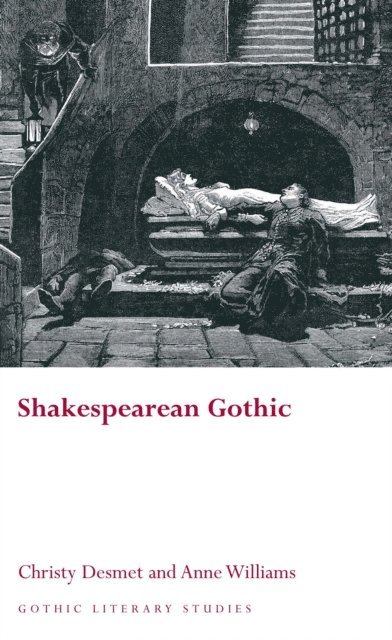
Shakespearean Gothic
Av Christy Desmet, Anne Williams
Häftad, 2009
330 kr
Lägg i varukorg
This collection of essays explores the thesis that Shakespeare as we know him today was born in the eighteenth century, at the same time as the Gothic tradition, first named by Horace Walpole in 1764. The two are inextricable. Writers interested in pursuing 'Gothic' themes and forms (the …
Shakespearean Gothic
Av Christy Desmet, Anne Williams
Inbunden, 2009
1150 kr
Lägg i varukorg
This collection of essays explores the thesis that Shakespeare as we know him today was born in the eighteenth century, at the same time as the Gothic tradition, first named by Horace Walpole in 1764. The two are inextricable. Writers interested in pursuing 'Gothic' themes and forms (the …
Shakespearean Gothic
Av Anne Williams, Christy Desmet m. fl.
E-bok, 2009
176 kr
Lägg i varukorg
This book explores the paradox that the Gothic (today's werewolves, vampires, and horror movies) owe their origins (and their legitimacy) to eighteenth-century interpretations of Shakespeare. As Shakespeare was being established as the supreme British writer throughout the century, he was cited as …
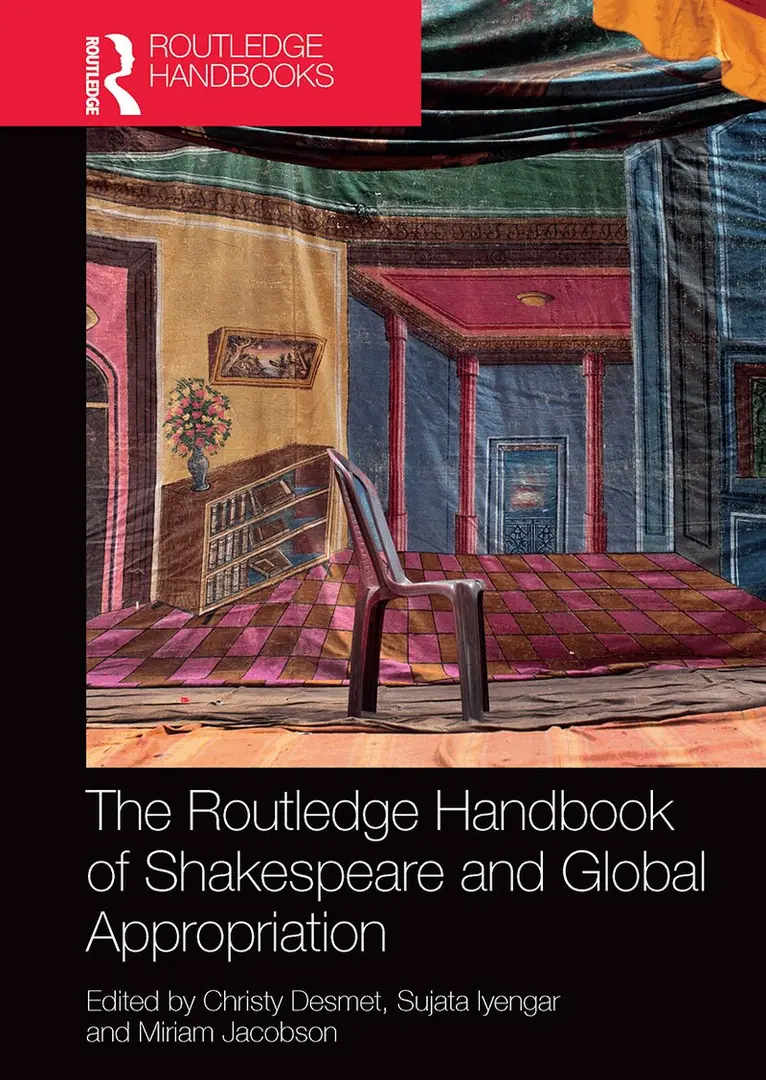
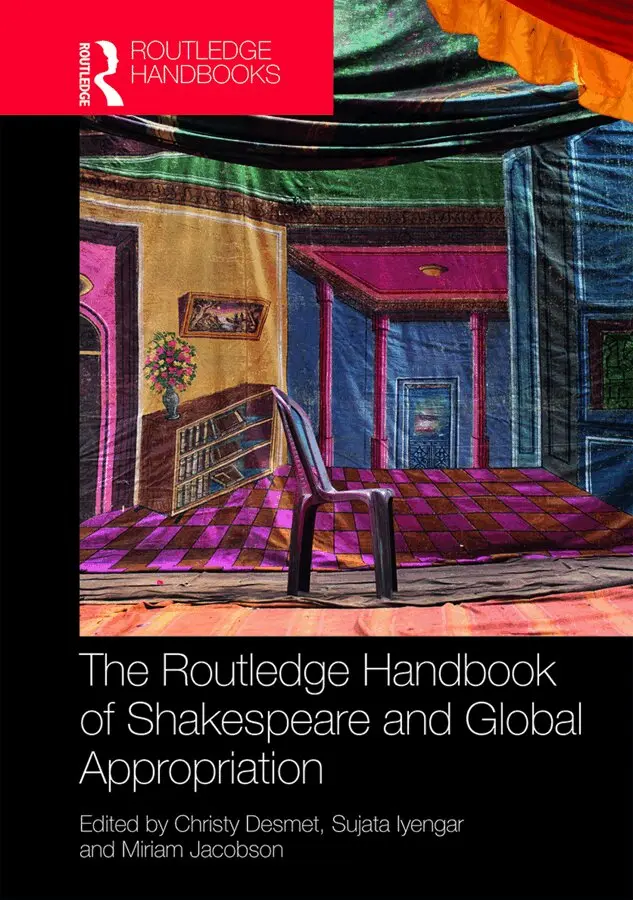
Routledge Handbook of Shakespeare and Global Appropriation
Av Christy Desmet, Sujata Iyengar m. fl.
Häftad, 2023
845 kr
Lägg i varukorg
The Routledge Handbook of Shakespeare and Global Appropriation brings together a variety of different voices to examine the ways that Shakespeare has been adapted and appropriated onto stage, screen, page, and a variety of digital formats. The thirty-nine chapters address topics such as trans- and …
Lives of Shakespearian Actors, Part IV, Volume 1
Helen Faucit, Lucia Elizabeth Vestris and Fanny Kemble by Their Contemporaries
Av Janice Norwood, Christy Desmet m. fl.
E-bok, 2024
3253 kr
Lägg i varukorg
Features three female actors who were significant in their development of new and innovative ways of performing Shakespeare.
Lives of Shakespearian Actors, Part IV, Volume 2
Helen Faucit, Lucia Elizabeth Vestris and Fanny Kemble by Their Contemporaries
Av Janice Norwood, Christy Desmet m. fl.
E-bok, 2024
1138 kr
Lägg i varukorg
Features three female actors who were significant in their development of new and innovative ways of performing Shakespeare.
Lives of Shakespearian Actors, Part IV, Volume 3
Helen Faucit, Lucia Elizabeth Vestris and Fanny Kemble by Their Contemporaries
Av Janice Norwood, Christy Desmet m. fl.
E-bok, 2024
3183 kr
Lägg i varukorg
Features three female actors who were significant in their development of new and innovative ways of performing Shakespeare.
Shakespeare and Appropriation
Av Robert Sawyer, Christy Desmet
E-bok, 2013
857 kr
Lägg i varukorg
The vitality of our culture is still often measured by the status Shakespeare has within it. Contemporary readers and writers continue to exploit Shakespeare''s cultural afterlife in a vivid and creative way. This fascinating collection of original essays shows how writers'' efforts to imitate, …
Shakespeare and Appropriation
Av Robert Sawyer, Christy Desmet
E-bok, 2013
857 kr
Lägg i varukorg
The vitality of our culture is still often measured by the status Shakespeare has within it. Contemporary readers and writers continue to exploit Shakespeare''s cultural afterlife in a vivid and creative way. This fascinating collection of original essays shows how writers'' efforts to imitate, …
Routledge Handbook of Shakespeare and Global Appropriation
Av Christy Desmet, Sujata Iyengar m. fl.
Inbunden, 2019
4359 kr
Lägg i varukorg
The Routledge Handbook of Shakespeare and Global Appropriation brings together a variety of different voices to examine the ways that Shakespeare has been adapted and appropriated onto stage, screen, page, and a variety of digital formats. The thirty-nine chapters address topics such as trans- and …
Lives of Shakespearian Actors, Part IV, Volume 1
Helen Faucit, Lucia Elizabeth Vestris and Fanny Kemble by Their Contemporaries
Av Gail Marshall, Tetsuo Kishi m. fl.
Inbunden, 2011
2911 kr
Lägg i varukorg
Features three female actors who were significant in their development of new and innovative ways of performing Shakespeare.
Lives of Shakespearian Actors, Part IV, Volume 2
Helen Faucit, Lucia Elizabeth Vestris and Fanny Kemble by Their Contemporaries
Av Gail Marshall, Tetsuo Kishi m. fl.
Inbunden, 2011
2451 kr
Lägg i varukorg
Features three female actors who were significant in their development of new and innovative ways of performing Shakespeare.
Lives of Shakespearian Actors, Part IV, Volume 3
Helen Faucit, Lucia Elizabeth Vestris and Fanny Kemble by Their Contemporaries
Av Gail Marshall, Tetsuo Kishi m. fl.
Inbunden, 2011
2911 kr
Lägg i varukorg
Features three female actors who were significant in their development of new and innovative ways of performing Shakespeare.
Routledge Handbook of Shakespeare and Global Appropriation
Av Miriam Jacobson, Sujata Iyengar m. fl.
E-bok, 2019
974 kr
Lägg i varukorg
The Routledge Handbook of Shakespeare and Global Appropriation brings together a variety of different voices to examine the ways that Shakespeare has been adapted and appropriated onto stage, screen, page, and a variety of digital formats. The thirty-nine chapters address topics such as trans- and …
Routledge Handbook of Shakespeare and Global Appropriation
Av Miriam Jacobson, Sujata Iyengar m. fl.
E-bok, 2019
996 kr
Lägg i varukorg
The Routledge Handbook of Shakespeare and Global Appropriation brings together a variety of different voices to examine the ways that Shakespeare has been adapted and appropriated onto stage, screen, page, and a variety of digital formats. The thirty-nine chapters address topics such as trans- and …
Shakespearean Gothic
Av Anne Williams, Christy Desmet m. fl.
E-bok, 2009
176 kr
Lägg i varukorg
This collection of essays explores the thesis that Shakespeare as we know him today was born in the eighteenth century, at the same time as the Gothic tradition, first named by Horace Walpole in 1764. The two are inextricable. Writers interested in pursuing 'Gothic' themes and forms (the …
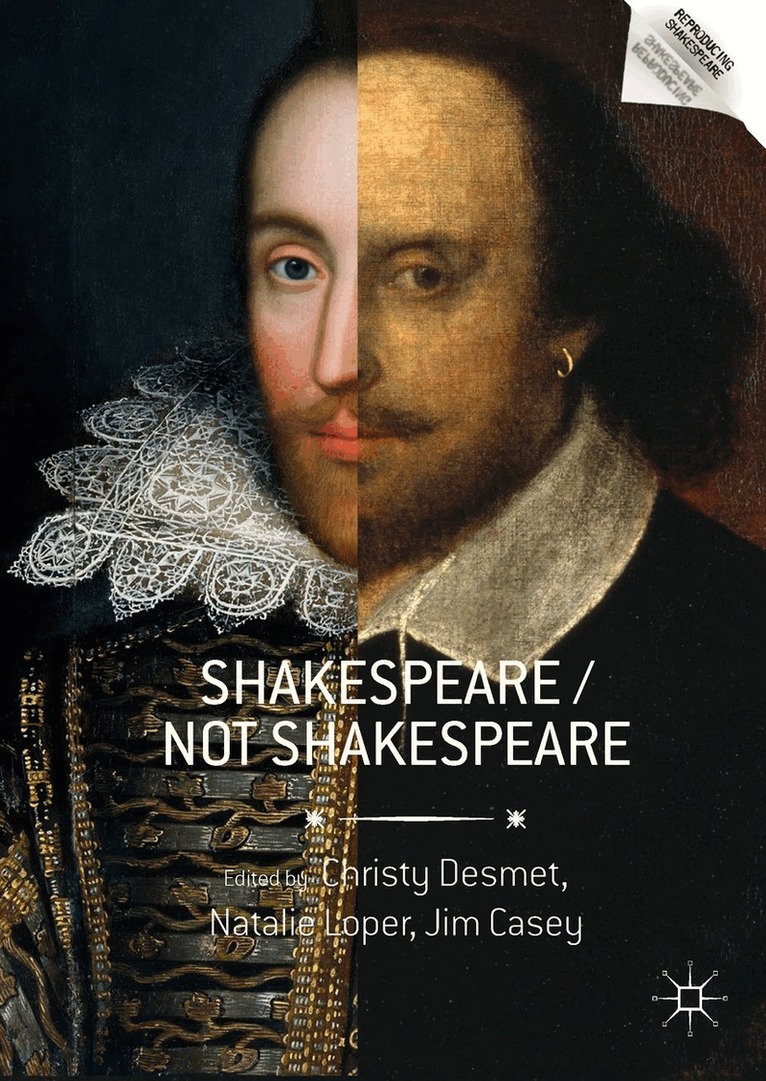
Shakespeare / Not Shakespeare
Av Christy Desmet, Natalie Loper m. fl.
Inbunden, 2017
1435 kr
Lägg i varukorg
This essay collection addresses the paradox that something may at once “be” and “not be” Shakespeare. This phenomenon can be a matter of perception rather than authorial intention: audiences may detect Shakespeare where the author disclaims him or have difficulty finding him where he is named. …
Shakespeare / Not Shakespeare
Av Jim Casey, Natalie Loper m. fl.
E-bok, 2017
1893 kr
Lägg i varukorg
This essay collection addresses the paradox that something may at once “be” and “not be” Shakespeare. This phenomenon can be a matter of perception rather than authorial intention: audiences may detect Shakespeare where the author disclaims him or have difficulty finding him where he is named. …
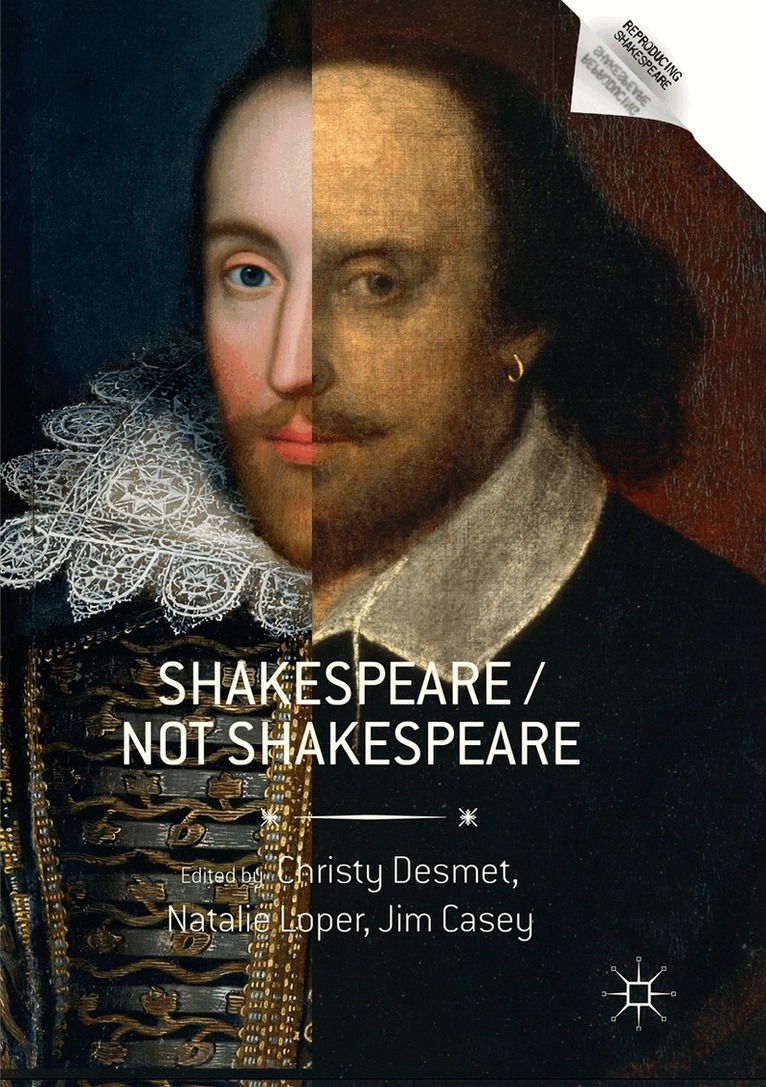
Shakespeare / Not Shakespeare
Av Christy Desmet, Natalie Loper m. fl.
Häftad, 2018
1435 kr
Lägg i varukorg
This essay collection addresses the paradox that something may at once “be” and “not be” Shakespeare. This phenomenon can be a matter of perception rather than authorial intention: audiences may detect Shakespeare where the author disclaims him or have difficulty finding him where he is named. …
Lives of Shakespearian Actors, Part IV
Helen Faucit, Lucia Elizabeth Vestris and Fanny Kemble by Their Contemporaries
2011
8449 kr
Tillfälligt slut
Features three female actors who were significant in their development of new and innovative ways of performing Shakespeare.