Claire Pamment - Böcker
Visar alla böcker från författaren Claire Pamment. Handla med fri frakt och snabb leverans.
4 produkter
4 produkter
752 kr
Skickas inom 7-10 vardagar
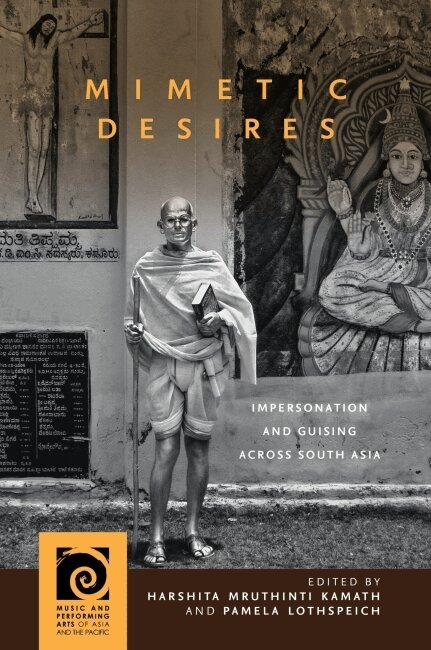
Through an exploration of subjects such as Gandhi impersonators, "God-men," performance artists, and participants in ritual enactments of sacred stories through dance and theatre, Mimetic Desires makes an intervention toward understanding the phenomenon of impersonation and guising in South Asia and the world. This volume defines impersonation as the temporary assumption of an identity or guise in performance that is perceived to be not one’s own, regardless of whether this assumption is deliberate, intentional, and conscious or not. Interrogating the legitimacy of the purported dialectic between the "real/original" and "fake/dupe," Mimetic Desires refutes any ordering of identity along the lines of a binary or dichotomy that presupposes the myth of an original identity. Guising captures sartorial and kinetic play more generally. By peeling back the layers of performative masks to reveal the process of the masquerade itself, we can see that those with the most social capital are often those with the most power and opportunities to impersonate "up"—and "down"—social hierarchies. The twelve chapters in Mimetic Desires disclose sites and processes of socio-political power facilitated by normative markers of social status relating to race, ethnicity, gender, caste, class, and religion—and how those markers can be manipulated to express and enhance individual and group power. The first comprehensive study to focus on impersonation in South Asia, Mimetic Desires expands on previous scholarship on impersonation and guising in vernacular theatre, dance, public processions, and religious ritual. It is particularly in conversation with the robust scholarship on gender performance and trans-kothi-hijra engagement in theatrical and dance forms in South Asia. Mimetic Desires explores some of the contexts and forms of impersonation in South Asia, with its remarkable array of performing arts, to gain insight into the very human and quotidian practices of impersonation and guising.
1 205 kr
Skickas inom 10-15 vardagar
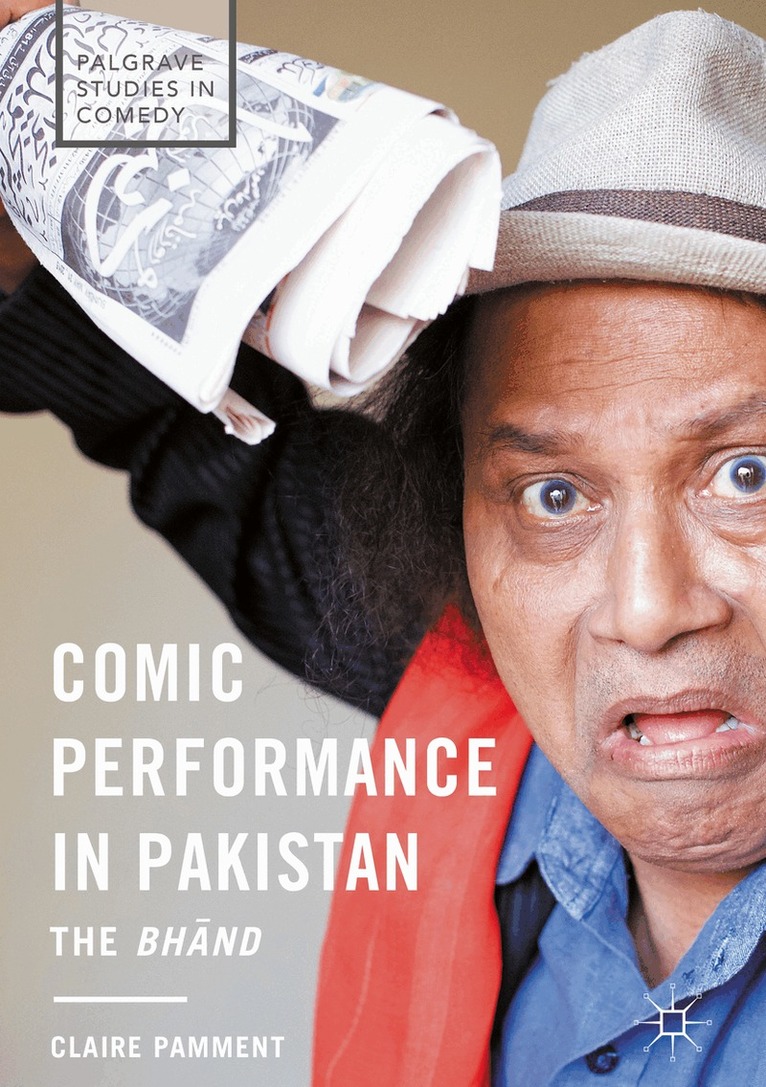
This book explores comic performance in Pakistan through the vibrant Indo-Muslim tradition of the Punjabi bhand which now holds a marginal space in contemporary weddings.
970 kr
Skickas inom 10-15 vardagar
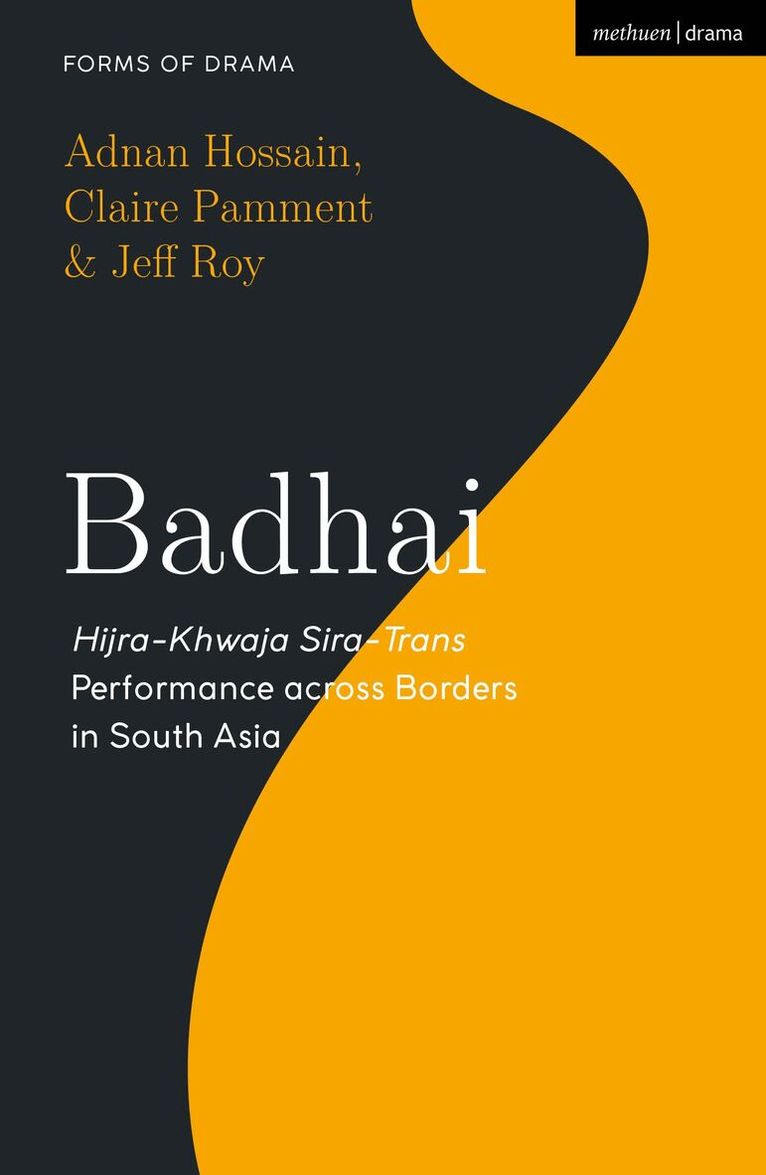
This is the first full-length book to provide an introduction to badhai performances throughout South Asia, examining their characteristics and relationships to differing contexts in Bangladesh, India, and Pakistan. Badhai’s repertoires of songs, dances, prayers, and comic repartee are performed by socially marginalised hijra, khwaja sira, and trans communities. They commemorate weddings, births and other celebratory heteronormative events. The form is improvisational and responds to particular contexts, but also moves across borders, including those of nation, religion, genre, and identity.This collaboratively authored book draws from anthropology, theatre and performance studies, music and sound studies, ethnomusicology, queer and transgender studies, and sustained ethnographic fieldwork to examine badhai’s place-based dynamics, transcultural features, and communications across the hijrascape. This vital study explores the form’s changing status and analyses these performances’ layered, scalar, and sensorial practices, to extend ways of understanding hijra-khwaja sira-trans performance.
420 kr
Skickas inom 10-15 vardagar
This is the first full-length book to provide an introduction to badhai performances throughout South Asia, examining their characteristics and relationships to differing contexts in Bangladesh, India, and Pakistan. Badhai’s repertoires of songs, dances, prayers, and comic repartee are performed by socially marginalised hijra, khwaja sira, and trans communities. They commemorate weddings, births and other celebratory heteronormative events. The form is improvisational and responds to particular contexts, but also moves across borders, including those of nation, religion, genre, and identity.This collaboratively authored book draws from anthropology, theatre and performance studies, music and sound studies, ethnomusicology, queer and transgender studies, and sustained ethnographic fieldwork to examine badhai’s place-based dynamics, transcultural features, and communications across the hijrascape. This vital study explores the form’s changing status and analyses these performances’ layered, scalar, and sensorial practices, to extend ways of understanding hijra-khwaja sira-trans performance.