
Committee on the Geologic Record of Biosphere Dynamics – författare
Visar alla böcker från författaren Committee on the Geologic Record of Biosphere Dynamics. Handla med fri frakt och snabb leverans.
3 produkter
3 produkter
Häftad, Engelska, 2005
540 kr
Skickas
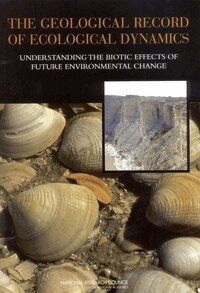
In order to answer important questions about ecosystems and biodiversity, scientists can look to the past geological recorda "which includes fossils, sediment and ice cores, and tree rings. Because of recent advances in earth scientistsa (TM) ability to analyze biological and environmental information from geological data, the National Science Foundation and the U.S. Geological Survey asked a National Research Council (NRC) committee to assess the scientific opportunities provided by the geologic record and recommend how scientists can take advantage of these opportunities for the nationa (TM)s benefit. The committee identified three initiatives for future research to be developed over the next decade: (1) use the geological record as a a /natural laboratorya to explore changes in living things under a range of past conditions, (2) use the record to better predict the response of biological systems to climate change, and (3) use geologic information to evaluate the effects of human and non-human factors on ecosystems. The committee also offered suggestions for improving the field through better training, improved databases, and additional funding.
E-bok
Engelska, 2005746 kr
Läs direkt efter köp
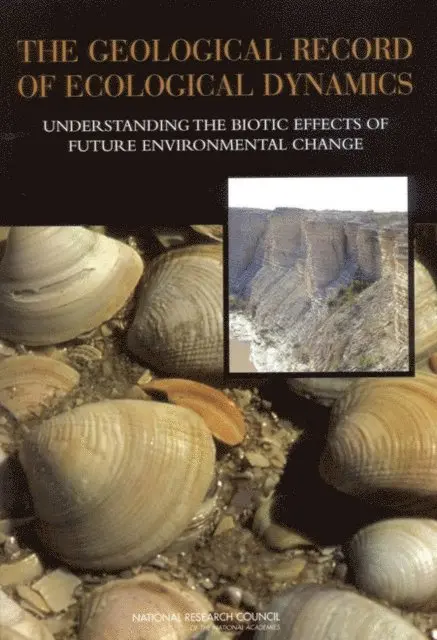
In order to answer important questions about ecosystems and biodiversity, scientists can look to the past geological record—which includes fossils, sediment and ice cores, and tree rings. Because of recent advances in earth scientists'' ability to analyze biological and environmental information from geological data, the National Science Foundation and the U.S. Geological Survey asked a National Research Council (NRC) committee to assess the scientific opportunities provided by the geologic record and recommend how scientists can take advantage of these opportunities for the nation''s benefit. The committee identified three initiatives for future research to be developed over the next decade: (1) use the geological record as a "natural laboratory" to explore changes in living things under a range of past conditions, (2) use the record to better predict the response of biological systems to climate change, and (3) use geologic information to evaluate the effects of human and non-human factors on ecosystems. The committee also offered suggestions for improving the field through better training, improved databases, and additional funding.
E-bok
PDF, Engelska, 2005528 kr
Läs direkt efter köp
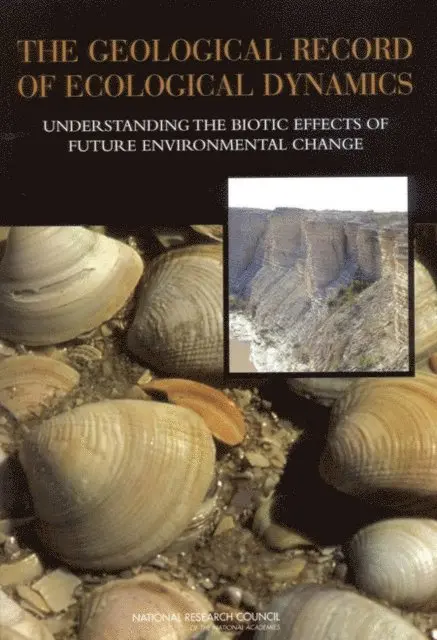
In order to answer important questions about ecosystems and biodiversity, scientists can look to the past geological record—which includes fossils, sediment and ice cores, and tree rings. Because of recent advances in earth scientists'' ability to analyze biological and environmental information from geological data, the National Science Foundation and the U.S. Geological Survey asked a National Research Council (NRC) committee to assess the scientific opportunities provided by the geologic record and recommend how scientists can take advantage of these opportunities for the nation''s benefit. The committee identified three initiatives for future research to be developed over the next decade: (1) use the geological record as a "natural laboratory" to explore changes in living things under a range of past conditions, (2) use the record to better predict the response of biological systems to climate change, and (3) use geologic information to evaluate the effects of human and non-human factors on ecosystems. The committee also offered suggestions for improving the field through better training, improved databases, and additional funding.