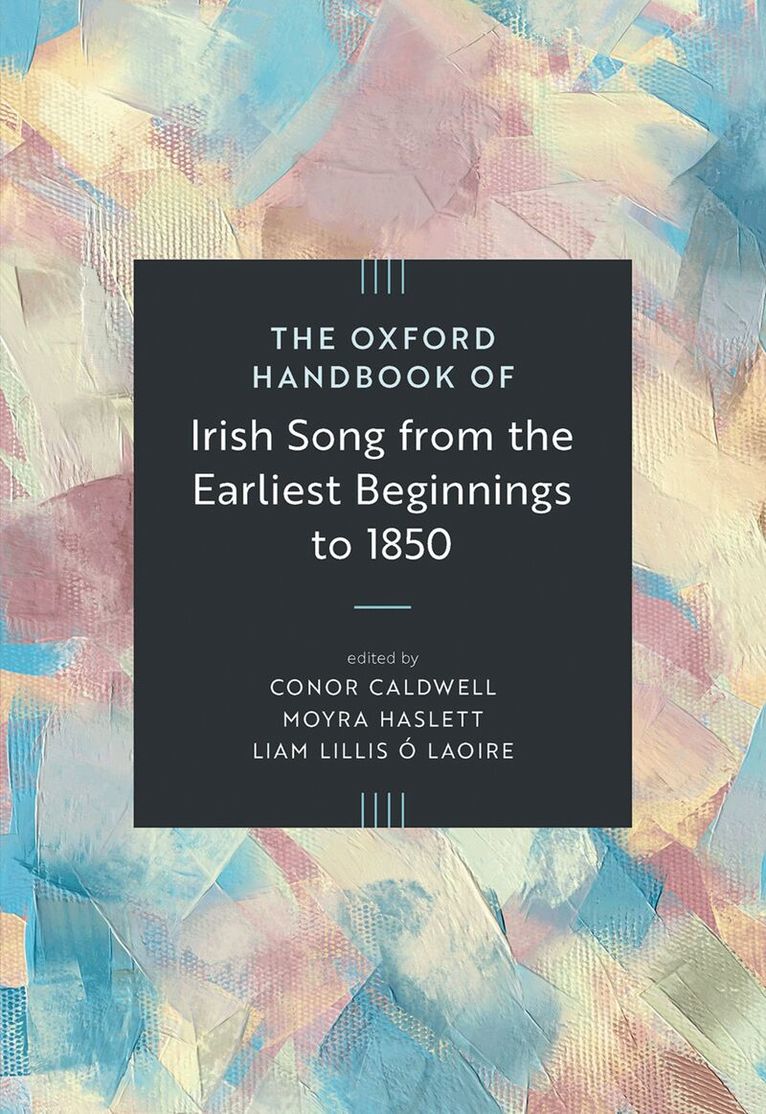
This Handbook explores song in Ireland from early times to the modern period across all traditions. From descriptions of song in the Old Irish period to an exploration of the music of keening, the volume breaks new ground in Irish musical and cultural studies. Thirty-nine chapters explore the rich diversity of singing traditions in Ireland, including sacred and ceremonial song, traditional singing in Irish and anglophone ballads, songs of love and of political activism, and examine how songs circulated in print, manuscript and oral forms. Turlough Carolan (Toirdhealbhach Ó Cearbhalláin) and Thomas Moore feature as identifiable and famous song-composers, in addition to eighteenth-century Gaelic poets and song-writers such as Seán Clárach Mac Domhnaill, Eoghan Rua Ó Súilleabháin and Máire Bhuí Ní Laeire. Notable collectors of Irish song also form an important strand: from Bunting's coterie of scribes to the work of Petrie and Goodman. Equally important, however, are the anonymous singers who transmitted diverse traditions of song through families and communities. This authoritative overview provides a platform for researchers across multiple disciplines to access knowledge about Irish song traditions as well as setting the scene for new research directions on the performance, social contexts, historical significance, and modern adaptations of Irish song.
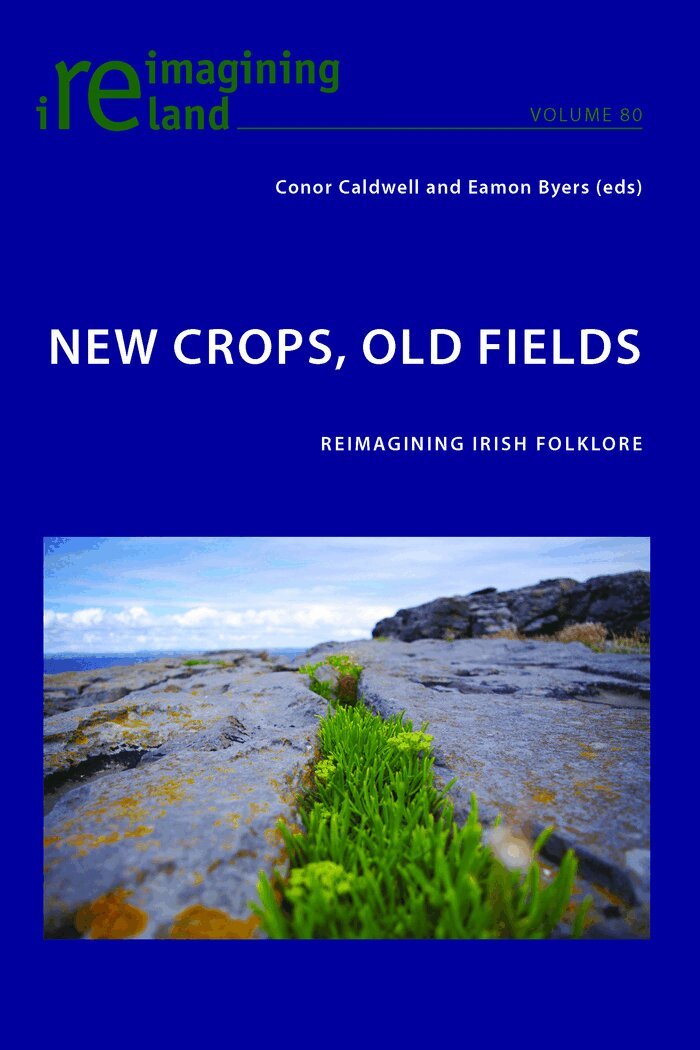
From our homes to our houses of government, from our schoolyards to our stadia, from our galleries to our gable walls, folklore is not only preserved but continues to be reimagined in all aspects of everyday life in Ireland. In the twenty-first century, the traditions of Irish folklore are engaged in a constant process of regeneration, where the old and the new, the oral, the textual and the visual intermingle. However, while the «first life» of Irish folklore has amassed a vast literature, what has attracted less attention is its «second life»: the variety of ways in which traditions have been reused and recycled in other contexts by politicians, poets, visual artists, sportsmen, tourism officers, museum curators, writers and musicians.This volume is concerned with those moments of cultural creation that occupy the space between the «first life» and «second life» of folklore and, in particular, the ways in which folk traditions are reinvented. Featuring essays from both authorities in the field and emerging voices, this interdisciplinary collection demonstrates the rich diversity of folk culture, as a practice and as an area of study, in contemporary Ireland.
This Handbook explores song in Ireland from early times to the modern period across all traditions. From descriptions of song in the Old Irish period to an exploration of the music of keening, the volume breaks new ground in Irish musical and cultural studies. Thirty-nine chapters explore the rich diversity of singing traditions in Ireland, including sacred and ceremonial song, traditional singing in Irish and anglophone ballads, songs of love and of political activism, and examine how songs circulated in print, manuscript and oral forms. Turlough Carolan (Toirdhealbhach Ó Cearbhalláin) and Thomas Moore feature as identifiable and famous song-composers, in addition to eighteenth-century Gaelic poets and song-writers such as Seán Clárach Mac Domhnaill, Eoghan Rua Ó Súilleabháin and Máire Bhuí Ní Laeire. Notable collectors of Irish song also form an important strand: from Bunting's coterie of scribes to the work of Petrie and Goodman. Equally important, however, are the anonymous singers who transmitted diverse traditions of song through families and communities. This authoritative overview provides a platform for researchers across multiple disciplines to access knowledge about Irish song traditions as well as setting the scene for new research directions on the performance, social contexts, historical significance, and modern adaptations of Irish song.
From our homes to our houses of government, from our schoolyards to our stadia, from our galleries to our gable walls, folklore is not only preserved but continues to be reimagined in all aspects of everyday life in Ireland. In the twenty-first century, the traditions of Irish folklore are engaged in a constant process of regeneration, where the old and the new, the oral, the textual and the visual intermingle. However, while the «first life» of Irish folklore has amassed a vast literature, what has attracted less attention is its «second life»: the variety of ways in which traditions have been reused and recycled in other contexts by politicians, poets, visual artists, sportsmen, tourism officers, museum curators, writers and musicians.This volume is concerned with those moments of cultural creation that occupy the space between the «first life» and «second life» of folklore and, in particular, the ways in which folk traditions are reinvented. Featuring essays from both authorities in the field and emerging voices, this interdisciplinary collection demonstrates the rich diversity of folk culture, as a practice and as an area of study, in contemporary Ireland.