Conrad Hughes – författare
2 127 kr
Skickas inom 10-15 vardagar
554 kr
Skickas inom 10-15 vardagar
631 kr
Läs direkt efter köp
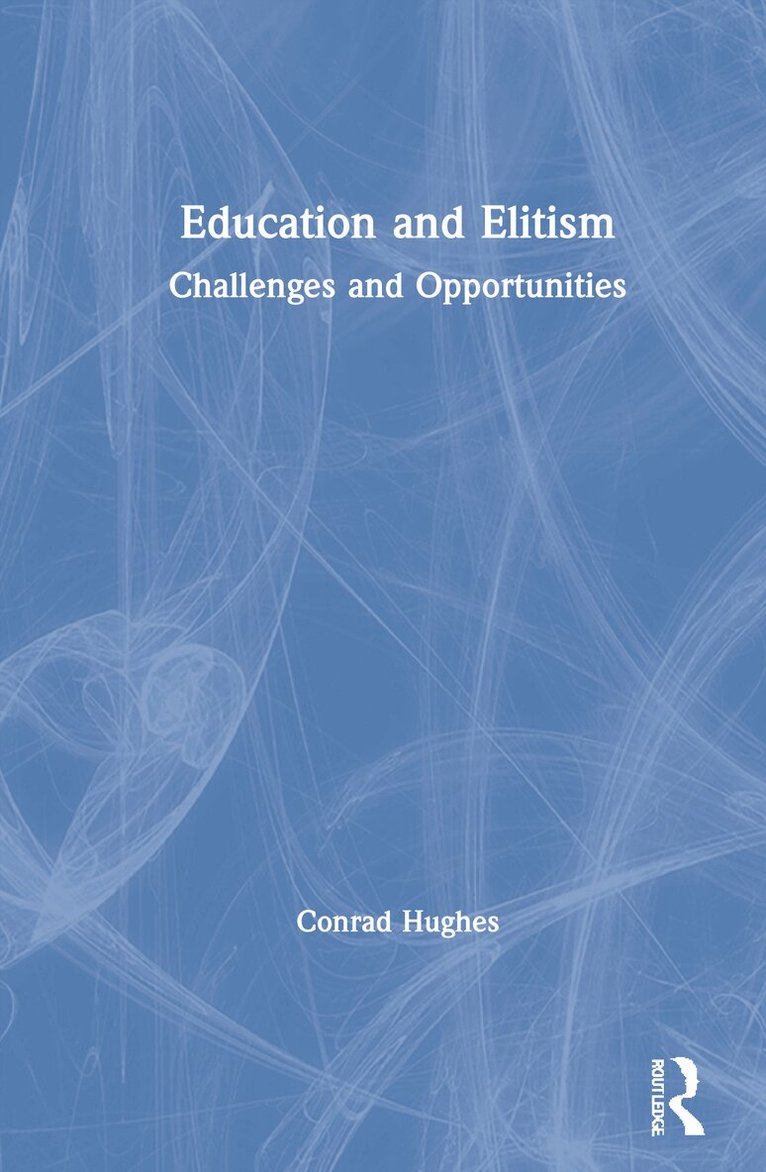
Education and Elitism discusses polemical debates around privilege, private schools, elitist universities, equal access to education and underlying notions of fairness. The overarching question that runs through the book is about the future of education worldwide: how can schools and universities tread the tightrope between access and quality?
This book investigates the philosophical positions that characterize elitism and anti-elitism to establish three types: meritocratic, plutocratic and cultural. These types of elitism (and their counter-positions) are used as reference points throughout the book''s analysis of successive educational themes. The conclusion leads to suggestions that bridge the worlds of elitism and egalitarianism worldwide. The book covers critical questions related to the sociology and philosophy of education with particular focus on contemporary disruptors to education such as the COVID-19 pandemic and protest movements for social justice.
With an attempt to offer readers an objective overview, this book will be an excellent compendium for students, academics, and researchers of the sociology of education, education policy and comparative education. It will also be of interest toschool leaders, university provosts and professionals working in curriculum design.
631 kr
Läs direkt efter köp
Education and Elitism discusses polemical debates around privilege, private schools, elitist universities, equal access to education and underlying notions of fairness. The overarching question that runs through the book is about the future of education worldwide: how can schools and universities tread the tightrope between access and quality?
This book investigates the philosophical positions that characterize elitism and anti-elitism to establish three types: meritocratic, plutocratic and cultural. These types of elitism (and their counter-positions) are used as reference points throughout the book''s analysis of successive educational themes. The conclusion leads to suggestions that bridge the worlds of elitism and egalitarianism worldwide. The book covers critical questions related to the sociology and philosophy of education with particular focus on contemporary disruptors to education such as the COVID-19 pandemic and protest movements for social justice.
With an attempt to offer readers an objective overview, this book will be an excellent compendium for students, academics, and researchers of the sociology of education, education policy and comparative education. It will also be of interest toschool leaders, university provosts and professionals working in curriculum design.
1 981 kr
Skickas inom 10-15 vardagar
619 kr
Skickas inom 10-15 vardagar
377 kr
Läs direkt efter köp
735 kr
Läs direkt efter köp
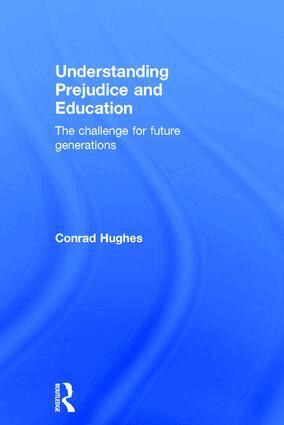
What is prejudice in the 21st Century and how can education help to reduce it?
This original text discusses prejudice in detail, offering a clear analysis of research and theory on prejudice and prejudice reduction, drawn from findings in social psychology, critical thinking and education. Presenting the underlying principle that prejudice can be reduced through the development of four core attributes – empathy, understanding, cognitive flexibility and metacognitive thought – the book offers effective educational strategies for preparing young people for life.
Chapters explore a range of examples of classroom practice and provide a thorough engagement with the minefield of prejudice, set against challenging sociological, ideological, political and cultural questions. An integrative framework is included that can be adapted and adopted in schools, synthesising findings and emphasising the need for individuals and groups to work against preconceived beliefs and emotional reactions to situations, offering contra-intuitive, rational and affective responses.
Understanding Prejudice and Education is essential reading for all those engaged in relevant undergraduate, Master’s level and postgraduate courses in education, social psychology and cultural studies, as well as teachers and school leaders interested in developing strategies to reduce prejudice in their schools.
710 kr
Läs direkt efter köp
What is prejudice in the 21st Century and how can education help to reduce it?
This original text discusses prejudice in detail, offering a clear analysis of research and theory on prejudice and prejudice reduction, drawn from findings in social psychology, critical thinking and education. Presenting the underlying principle that prejudice can be reduced through the development of four core attributes – empathy, understanding, cognitive flexibility and metacognitive thought – the book offers effective educational strategies for preparing young people for life.
Chapters explore a range of examples of classroom practice and provide a thorough engagement with the minefield of prejudice, set against challenging sociological, ideological, political and cultural questions. An integrative framework is included that can be adapted and adopted in schools, synthesising findings and emphasising the need for individuals and groups to work against preconceived beliefs and emotional reactions to situations, offering contra-intuitive, rational and affective responses.
Understanding Prejudice and Education is essential reading for all those engaged in relevant undergraduate, Master’s level and postgraduate courses in education, social psychology and cultural studies, as well as teachers and school leaders interested in developing strategies to reduce prejudice in their schools.
Educating for the Twenty-First Century: Seven Global Challenges
798 kr
Skickas inom 5-8 vardagar
Educating for the Twenty-First Century: Seven Global Challenges
1 786 kr
Skickas inom 5-8 vardagar
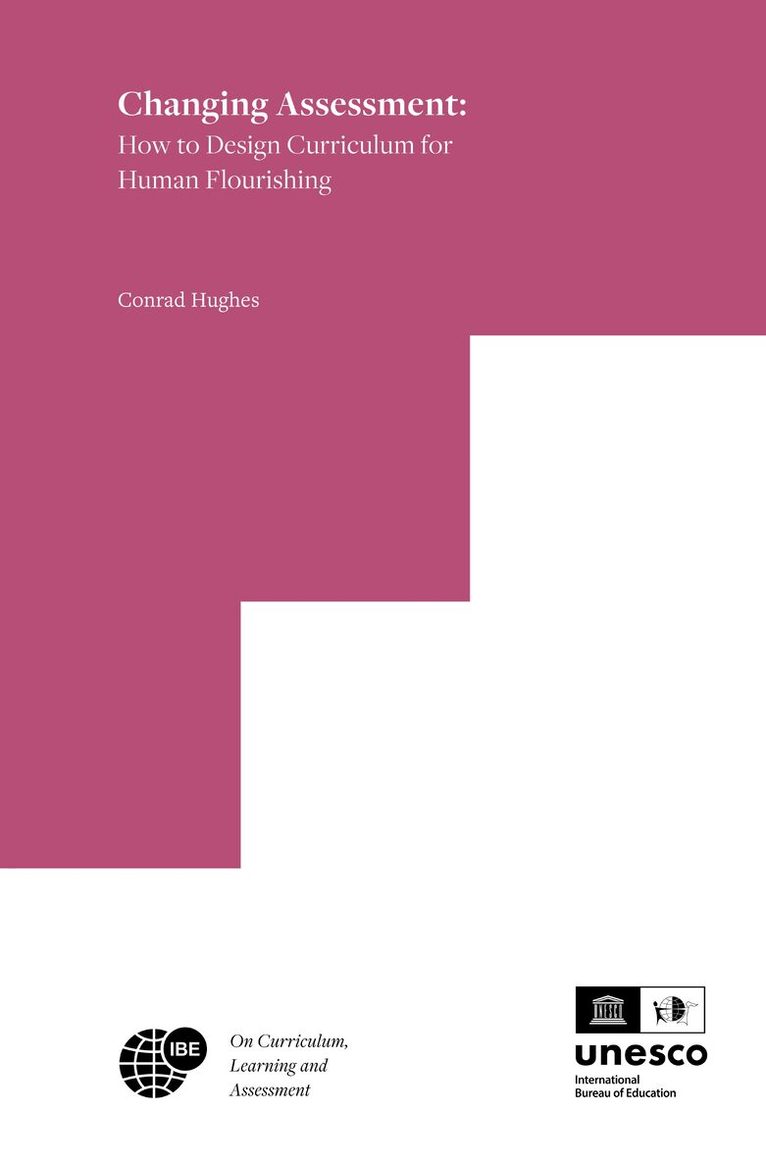
Changing Assessment
How to Design Curriculum for Human Flourishing
653 kr
Skickas inom 3-6 vardagar
Changing Assessment
How to Design Curriculum for Human Flourishing
1 075 kr
Skickas inom 3-6 vardagar