Corey Tazzara – författare
Visar alla böcker från författaren Corey Tazzara. Handla med fri frakt och snabb leverans.
11 produkter
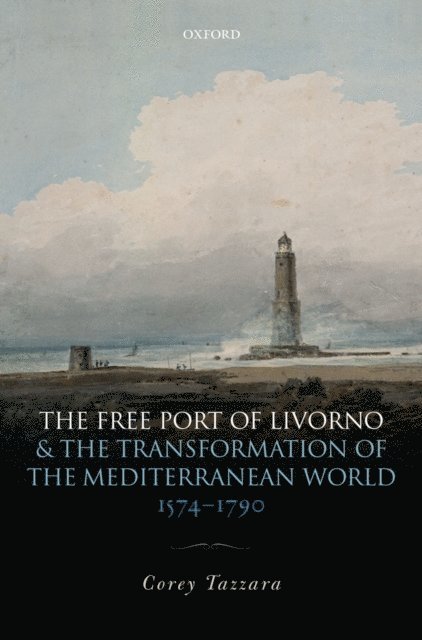
Free Port of Livorno and the Transformation of the Mediterranean World
E-bok, 2017
1511 kr
Lägg i varukorg
In the twilight of the Renaissance, the grand duke of Tuscany-a scion of the fabled Medici family of bankers-invited foreign merchants, artisans, and ship captains to settle in his port city of Livorno. The town quickly became one of the most bustling port cities in the Mediterranean, presenting a …
Free Port of Livorno and the Transformation of the Mediterranean World
E-bok, 2017
1511 kr
Lägg i varukorg
In the twilight of the Renaissance, the grand duke of Tuscany-a scion of the fabled Medici family of bankers-invited foreign merchants, artisans, and ship captains to settle in his port city of Livorno. The town quickly became one of the most bustling port cities in the Mediterranean, presenting a …
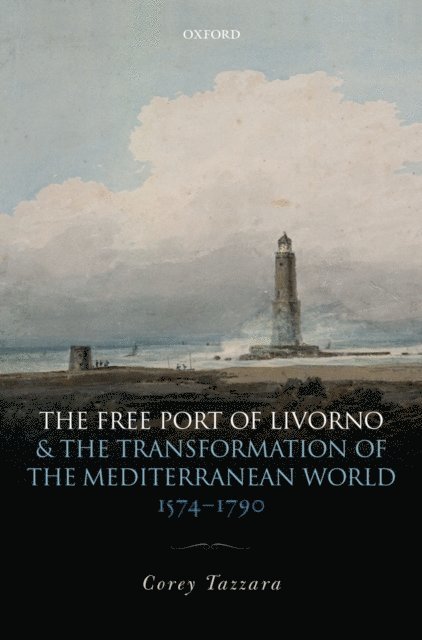
The Free Port of Livorno and the Transformation of the Mediterranean World
Inbunden, 2017
2278 kr
Lägg i varukorg
In the twilight of the Renaissance, the grand duke of Tuscany-a scion of the fabled Medici family of bankers-invited foreign merchants, artisans, and ship captains to settle in his port city of Livorno. The town quickly became one of the most bustling port cities in the Mediterranean, presenting a …
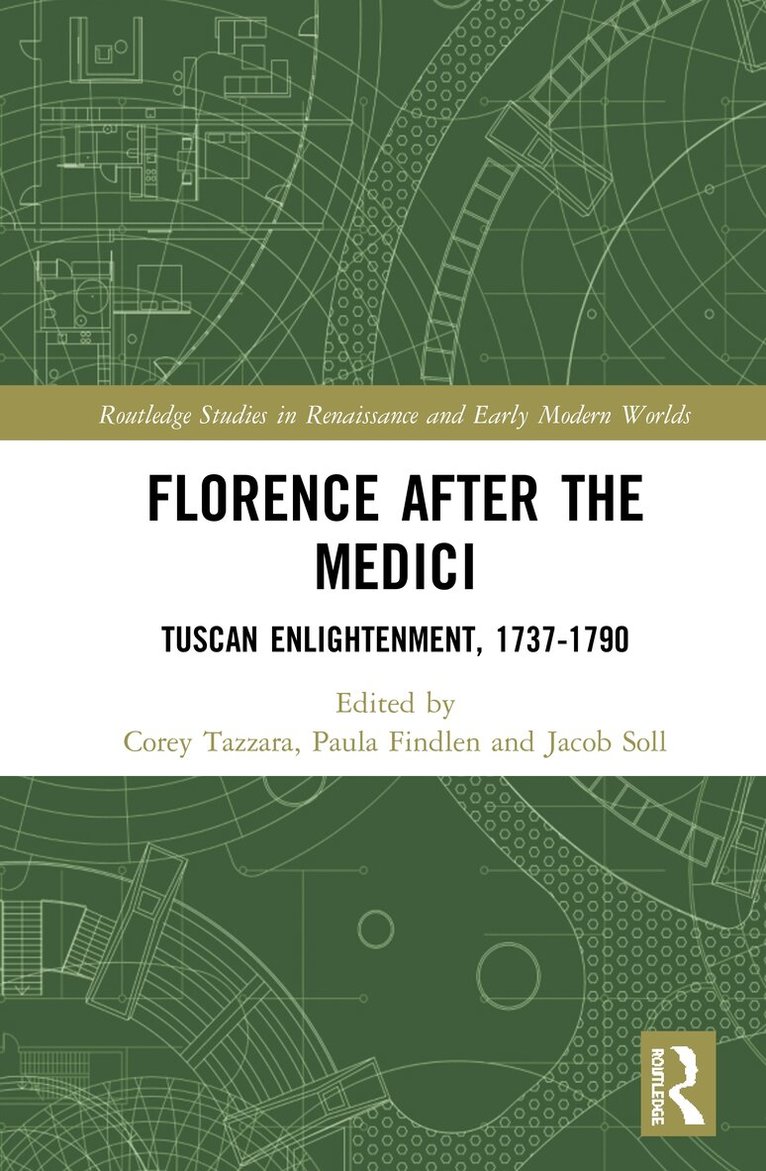
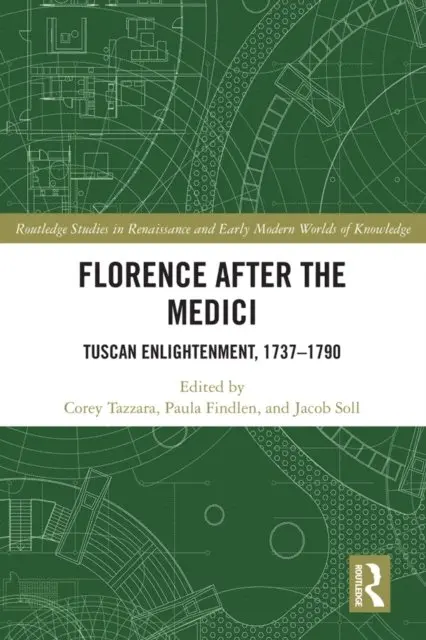
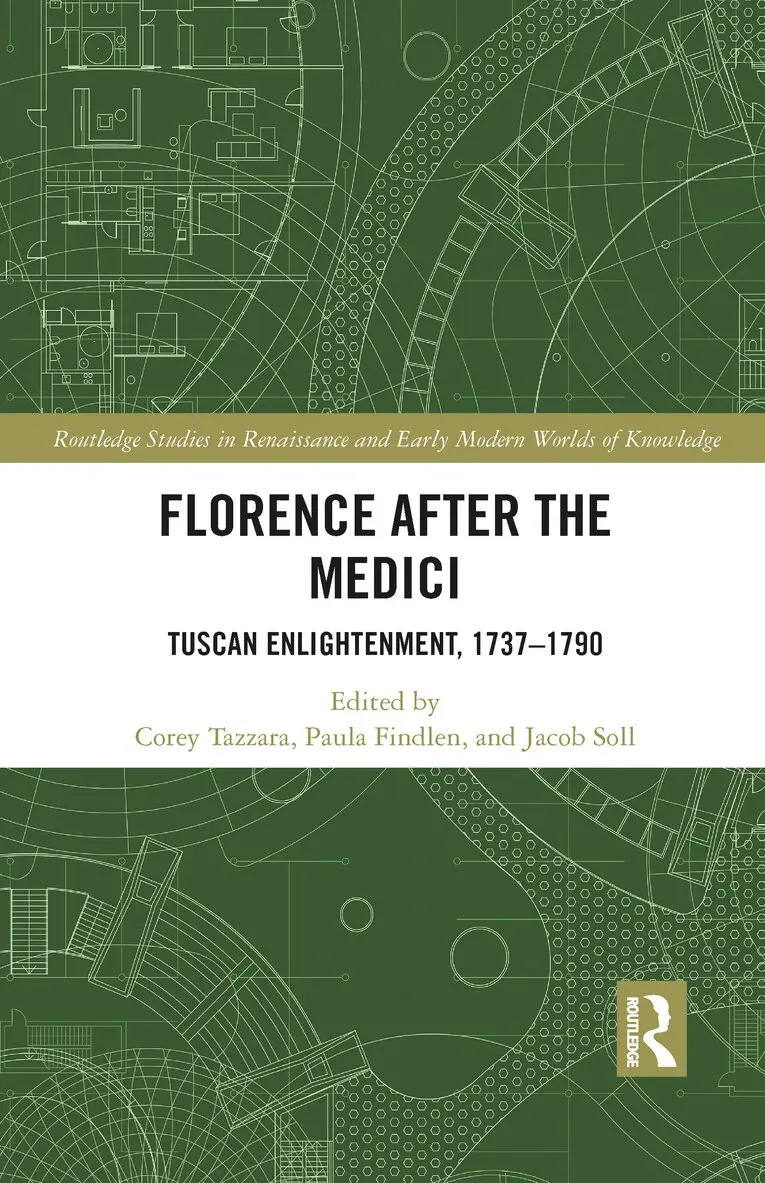
Florence After the Medici
Tuscan Enlightenment, 1737-1790
Av Corey Tazzara, Paula Findlen m. fl.
Inbunden, 2019
2588 kr
Lägg i varukorg
Although there is a rich historiography on Enlightenment Tuscany in Italian as well as French and German, the principle Anglophone works are Eric Cochrane’s Tradition and Enlightenment in the Tuscan Academies (1961) and his Enlightenment Florence in the Forgotten Centuries (1973). It is high time …
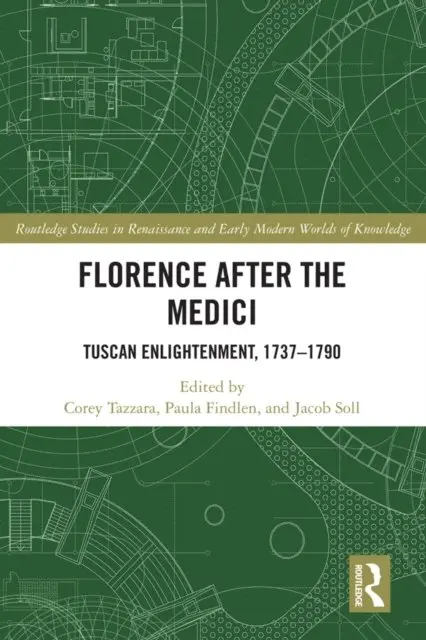
Florence After the Medici
Tuscan Enlightenment, 1737-1790
Av Jacob Soll, Paula Findlen m. fl.
E-bok, 2019
767 kr
Lägg i varukorg
Although there is a rich historiography on Enlightenment Tuscany in Italian as well as French and German, the principle Anglophone works are Eric Cochrane’s Tradition and Enlightenment in the Tuscan Academies (1961) and his Enlightenment Florence in the Forgotten Centuries (1973). It is high time …
Florence After the Medici
Tuscan Enlightenment, 1737-1790
Av Jacob Soll, Paula Findlen m. fl.
E-bok, 2019
767 kr
Lägg i varukorg
Although there is a rich historiography on Enlightenment Tuscany in Italian as well as French and German, the principle Anglophone works are Eric Cochrane’s Tradition and Enlightenment in the Tuscan Academies (1961) and his Enlightenment Florence in the Forgotten Centuries (1973). It is high time …
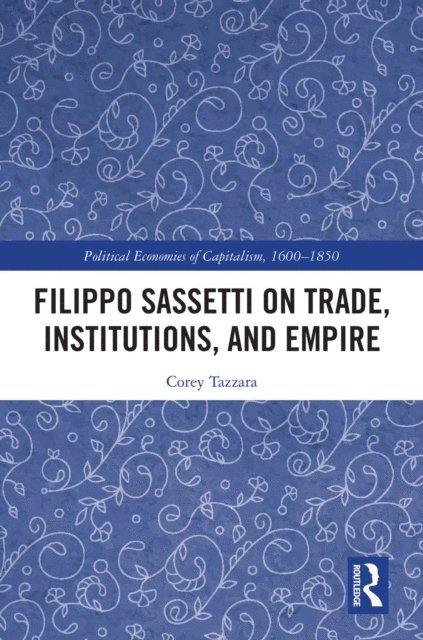
Filippo Sassetti on Trade, Institutions and Empire
E-bok, 2023
785 kr
Lägg i varukorg
The Florentine traveler, merchant, and academician Filippo Sassetti was one of the premier economic thinkers of the late Renaissance. Well known for his ethnographic observations, Sassetti was also a commercial writer of the highest caliber—at once an original thinker and a remarkable witness to …
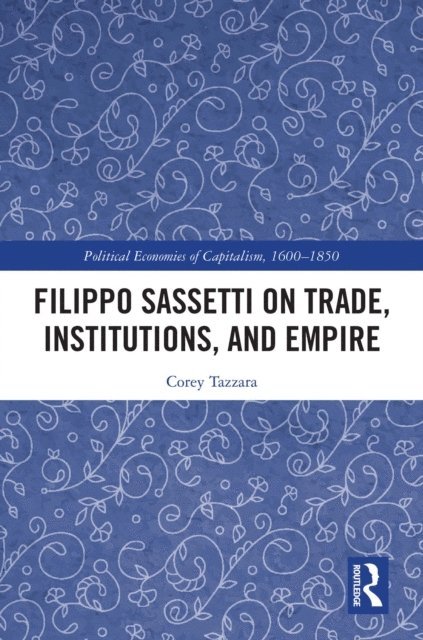
Filippo Sassetti on Trade, Institutions and Empire
E-bok, 2023
768 kr
Lägg i varukorg
The Florentine traveler, merchant, and academician Filippo Sassetti was one of the premier economic thinkers of the late Renaissance. Well known for his ethnographic observations, Sassetti was also a commercial writer of the highest caliber—at once an original thinker and a remarkable witness to …
Florence After the Medici
Tuscan Enlightenment, 1737-1790
Av Corey Tazzara, Paula Findlen m. fl.
Häftad, 2021
727 kr
Lägg i varukorg
Although there is a rich historiography on Enlightenment Tuscany in Italian as well as French and German, the principle Anglophone works are Eric Cochrane’s Tradition and Enlightenment in the Tuscan Academies (1961) and his Enlightenment Florence in the Forgotten Centuries (1973). It is high time …
Filippo Sassetti on Trade, Institutions and Empire
Inbunden, 2023
2588 kr
Lägg i varukorg
The Florentine traveler, merchant, and academician Filippo Sassetti was one of the premier economic thinkers of the late Renaissance. Well known for his ethnographic observations, Sassetti was also a commercial writer of the highest caliber—at once an original thinker and a remarkable witness to …
Filippo Sassetti on Trade, Institutions and Empire
Häftad, 2024
667 kr
Lägg i varukorg
The Florentine traveler, merchant, and academician Filippo Sassetti was one of the premier economic thinkers of the late Renaissance. Well known for his ethnographic observations, Sassetti was also a commercial writer of the highest caliber—at once an original thinker and a remarkable witness to …