Jacob Soll – författare
Visar alla böcker från författaren Jacob Soll. Handla med fri frakt och snabb leverans.
15 produkter
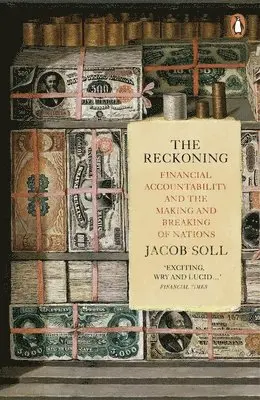
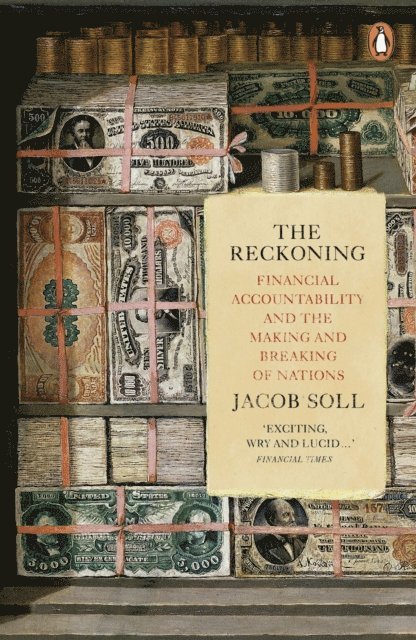
Reckoning
Financial Accountability and the Making and Breaking of Nations
Av Jacob Soll
Häftad, 2015
5,0 utav 5 stjärnor. Totalt antal röster: (1)
147 kr
Lägg i varukorg
In The Reckoning, award-winning historian Jacob Soll shows how the use and misuse of financial bookkeeping has determined the fates of entire societies. Time and again, Soll reveals, good and honest accounting has been a tool to build successful companies, states and empires. Yet when it is …
Florence After the Medici
Tuscan Enlightenment, 1737-1790
Av Corey Tazzara, Paula Findlen m. fl.
Inbunden, 2019
2588 kr
Lägg i varukorg
Although there is a rich historiography on Enlightenment Tuscany in Italian as well as French and German, the principle Anglophone works are Eric Cochrane’s Tradition and Enlightenment in the Tuscan Academies (1961) and his Enlightenment Florence in the Forgotten Centuries (1973). It is high time …
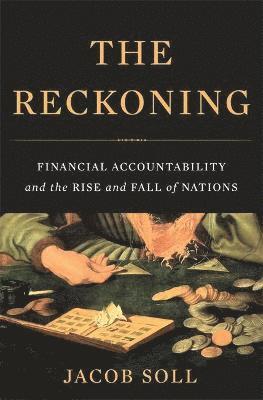
The Reckoning
Financial Accountability and the Rise and Fall of Nations
Av Jacob Soll
Inbunden, 2014
635 kr
Lägg i varukorg
Whether building a road or fighting a war, leaders from ancient Mesopotamia to the present have relied on financial accounting to track their state's assets and guide its policies. Basic accounting tools such as auditing and double-entry bookkeeping form the basis of modern capitalism and the …
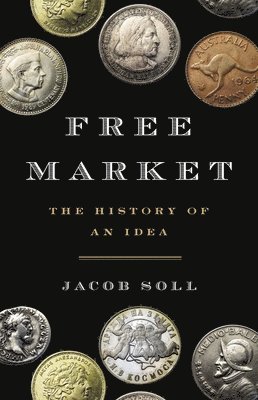
Free Market
The History of an Idea
Av Jacob Soll
Inbunden, 2022
318 kr
Lägg i varukorg
After two government bailouts of the American economy in less than twenty years, free market thought is due for serious reappraisal. Free Market: The History of an Idea shows how the idea became so powerful, why it succeeded, and why it has failed so spectacularly. In 1990, the G7 Countries enjoyed …
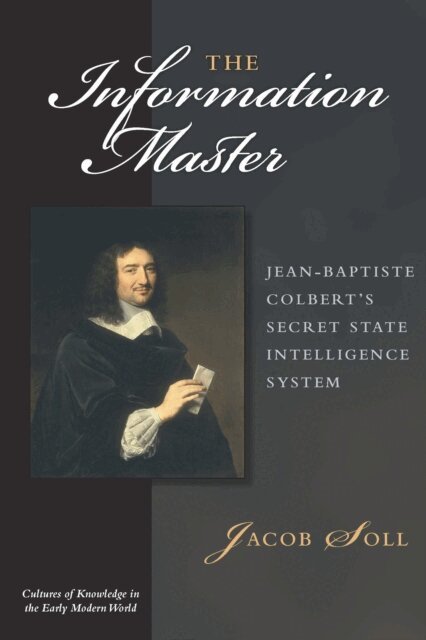
Information Master
Jean-Baptiste Colbert''s Secret State Intelligence System
Av Jacob Soll
E-bok, 2010
604 kr
Lägg i varukorg
"Colbert has long been celebrated as Louis XIV''s minister of finance, trade, and industry. More recently, he has been viewed as his minister of culture and propaganda. In this lively and persuasive book, Jake Soll has given us a third Colbert, the information manager." ---Peter Burke, University …
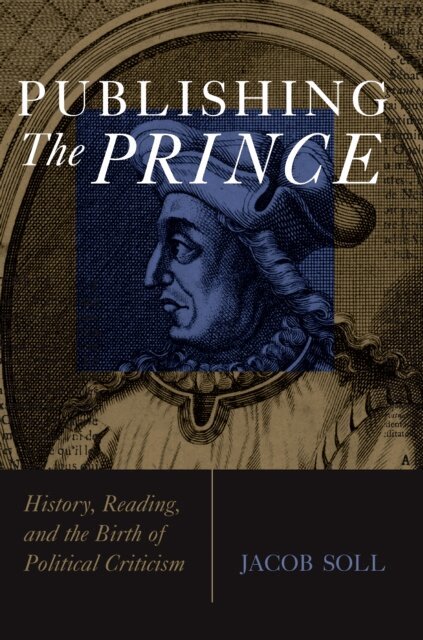
Publishing The Prince
History, Reading, and the Birth of Political Criticism
Av Jacob Soll
E-bok, 2010
585 kr
Lägg i varukorg
As new ideas arose during the Enlightenment, many political thinkers published their own versions of popular early modern "absolutist" texts and transformed them into manuals of political resistance. As a result, these works never achieved a fixed and stable edition. Publishing The Prince …
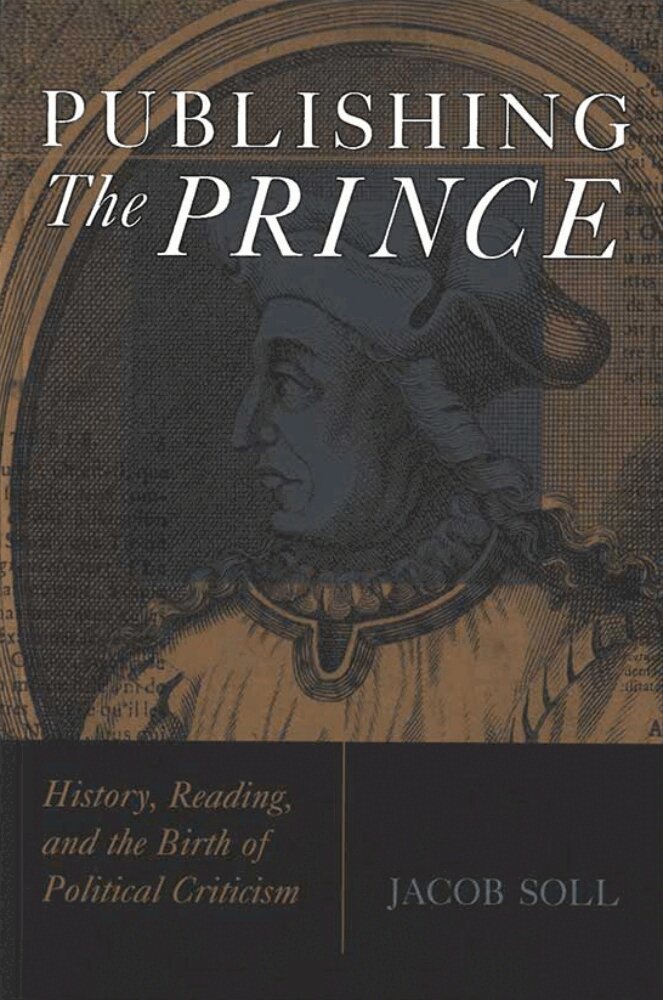
Publishing The Prince
History, Reading, and the Birth of Political Criticism
Av Jacob Soll
Häftad, 2008
395 kr
Lägg i varukorg
As new ideas arose during the Enlightenment, many political thinkers published their own versions of popular early modern "absolutist" texts and transformed them into manuals of political resistance. As a result, these works never achieved a fixed and stable edition. Publishing The Prince …
Florence After the Medici
Tuscan Enlightenment, 1737-1790
Av Jacob Soll, Paula Findlen m. fl.
E-bok, 2019
767 kr
Lägg i varukorg
Although there is a rich historiography on Enlightenment Tuscany in Italian as well as French and German, the principle Anglophone works are Eric Cochrane’s Tradition and Enlightenment in the Tuscan Academies (1961) and his Enlightenment Florence in the Forgotten Centuries (1973). It is high time …
Florence After the Medici
Tuscan Enlightenment, 1737-1790
Av Jacob Soll, Paula Findlen m. fl.
E-bok, 2019
767 kr
Lägg i varukorg
Although there is a rich historiography on Enlightenment Tuscany in Italian as well as French and German, the principle Anglophone works are Eric Cochrane’s Tradition and Enlightenment in the Tuscan Academies (1961) and his Enlightenment Florence in the Forgotten Centuries (1973). It is high time …
Florence After the Medici
Tuscan Enlightenment, 1737-1790
Av Corey Tazzara, Paula Findlen m. fl.
Häftad, 2021
727 kr
Lägg i varukorg
Although there is a rich historiography on Enlightenment Tuscany in Italian as well as French and German, the principle Anglophone works are Eric Cochrane’s Tradition and Enlightenment in the Tuscan Academies (1961) and his Enlightenment Florence in the Forgotten Centuries (1973). It is high time …
Reckoning
Financial Accountability and the Making and Breaking of Nations
Av Jacob Soll
E-bok, 2014
108 kr
Lägg i varukorg
In The Reckoning, award-winning historian Jacob Soll shows how the use and misuse of financial bookkeeping has determined the fates of entire societies. Time and again, Soll reveals, good and honest accounting has been a tool to build successful companies, states and empires. Yet when it is …
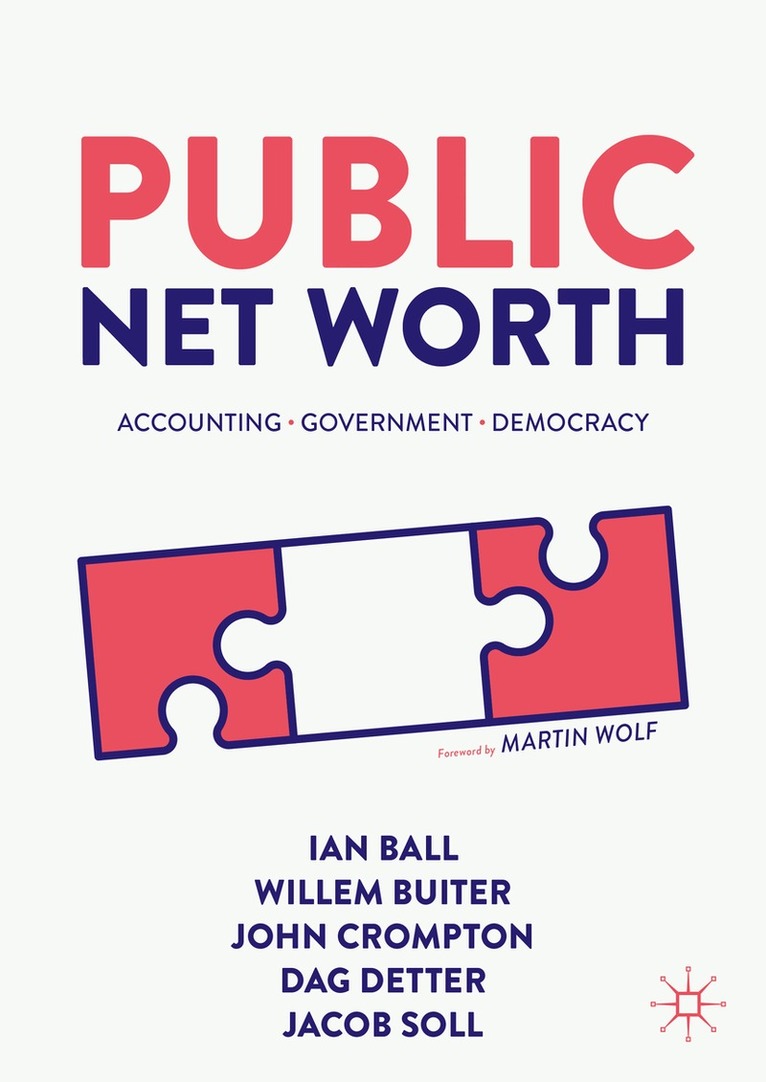
Public Net Worth
Accounting – Government - Democracy
Av Ian Ball, Willem Buiter m. fl.
Inbunden, 2024
481 kr
Lägg i varukorg
As individuals, we depend on the services that governments provide. Collectively, we look to them to tackle the big problems - from long-term climate and demographic change to short-term crises like pandemics or war. Funding this activity, and managing the required finances sustainably, is …
Public Net Worth
Accounting – Government - Democracy
Av Jacob Soll, Dag Detter m. fl.
E-bok, 2024
571 kr
Lägg i varukorg
As individuals, we depend on the services that governments provide. Collectively, we look to them to tackle the big problems - from long-term climate and demographic change to short-term crises like pandemics or war. Funding this activity, and managing the required finances sustainably, is …
Public Net Worth
Accounting – Government - Democracy
Av Ian Ball, Willem Buiter m. fl.
Häftad, 2025
407 kr
Lägg i varukorg
As individuals, we depend on the services that governments provide. Collectively, we look to them to tackle the big problems - from long-term climate and demographic change to short-term crises like pandemics or war. Funding this activity, and managing the required finances sustainably, is …
Information Master
Jean-Baptiste Colbert's Secret State Intelligence System
Av Jacob Soll
Häftad, 2011
395 kr
Tillfälligt slut
"Colbert has long been celebrated as Louis XIV's minister of finance, trade, and industry. More recently, he has been viewed as his minister of culture and propaganda. In this lively and persuasive book, Jake Soll has given us a third Colbert, the information manager."---Peter Burke, University of …