Cormac Ó Gráda - Böcker
Visar alla böcker från författaren Cormac Ó Gráda. Handla med fri frakt och snabb leverans.
11 produkter
11 produkter
841 kr
Skickas inom 5-8 vardagar
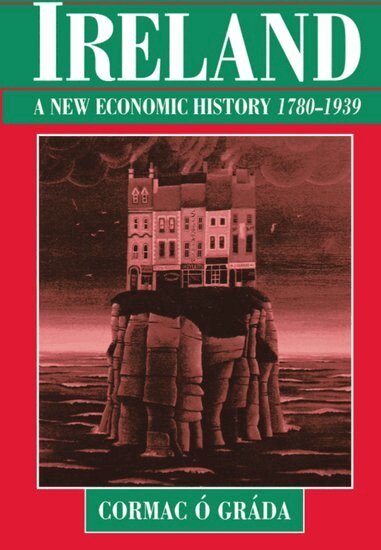
Ireland: A New Economic History offers a fresh, comprehensive economic history of Ireland between 1780 and 1939. Its methodology is mould-breaking, and it is unparalleled in its broad scope and comparative focus. Cormac Ó Gráda unites historical research with economic theory in an original and stimulating book, which will be essential reading for all students of Irish history.
2 236 kr
Skickas inom 5-8 vardagar
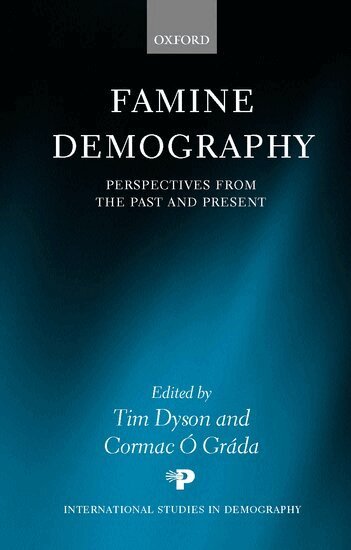
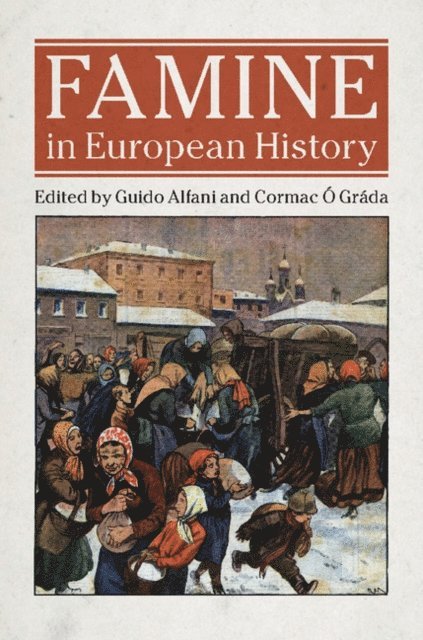
This book deals with the important subject of famine demography. It contains case studies of the demography of historical and more recent famines in locations as far apart as Ireland, Finland, India, Burundi, Russia, Greece, Madagascar, and Japan. The authors address issues such as the role of famines in controlling population growth in the past, the nature of interactions between starvation and epidemic diseases during times of famine, and the detailed demographic consequences of famines. In the latter category issues such as the age and cause-specific profiles of excess famine mortality receive particular attention. Famine Demography illustrates how the demographic impacts of famines can vary according, for example, to the nature of the famine causation process and the socio-economic and demographic characteristics of the populations which are affected. The nature and basis of sex differentials in famine mortality are a recurring theme of the book, as are the implications for human fertility and migration.This is the only comparative volume of its kind. It is wide-ranging in time and place, but at the same time focuses sharply on a particular subject. Consequently its contents provide a unique understanding of famine demography, which should be of interest to academics and practitioners involved in limiting the consequences of famines.
436 kr
Skickas inom 7-10 vardagar
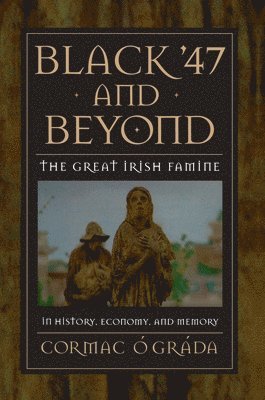
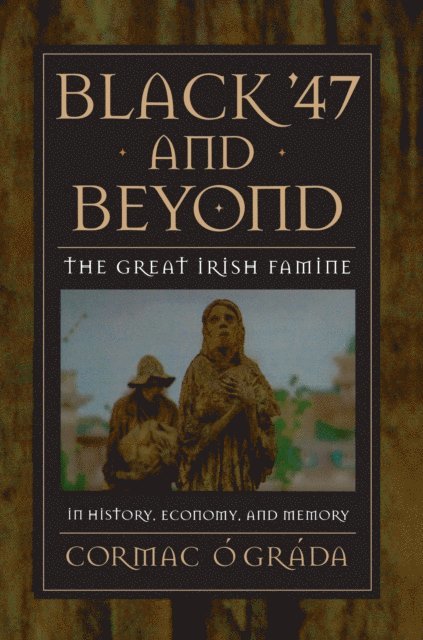
Here Ireland's premier economic historian and one of the leading authorities on the Great Irish Famine examines the most lethal natural disaster to strike Europe in the nineteenth century. Between the mid-eighteenth and early-nineteenth centuries, the food source that we still call the Irish potato had allowed the fastest population growth in the whole of Western Europe. As vividly described in O Grada's new work, the advent of the blight phytophthora infestans transformed the potato from an emblem of utility to a symbol of death by starvation. The Irish famine peaked in Black '47, but it brought misery and increased mortality to Ireland for several years. Central to Irish and British history, European demography, the world history of famines, and the story of American immigration, the Great Irish Famine is presented here from a variety of new perspectives. Moving away from the traditional narrative historical approach to the catastrophe, O Grada concentrates instead on fresh insights available through interdisciplinary and comparative methods.He highlights several economic and sociological features of the famine previously neglected in the literature, such as the part played by traders and markets, by medical science, and by migration. Other topics include how the Irish climate, usually hospitable to the potato, exacerbated the failure of the crops in 1845-1847, and the controversial issue of Britain's failure to provide adequate relief to the dying Irish. O Grada also examines the impact on urban Dublin of what was mainly a rural disaster and offers a critical analysis of the famine as represented in folk memory and tradition. The broad scope of this book is matched by its remarkable range of sources, published and archival. The book will be the starting point for all future research into the Irish famine.
663 kr
Skickas inom 7-10 vardagar
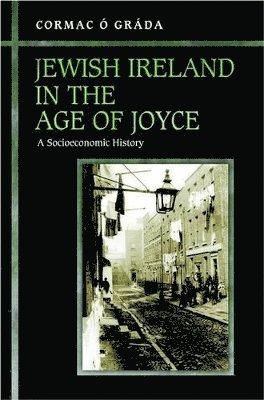
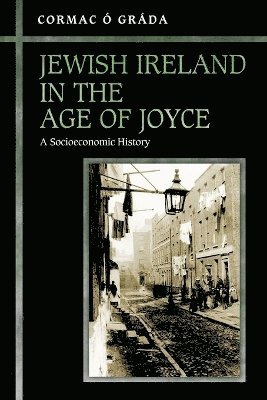
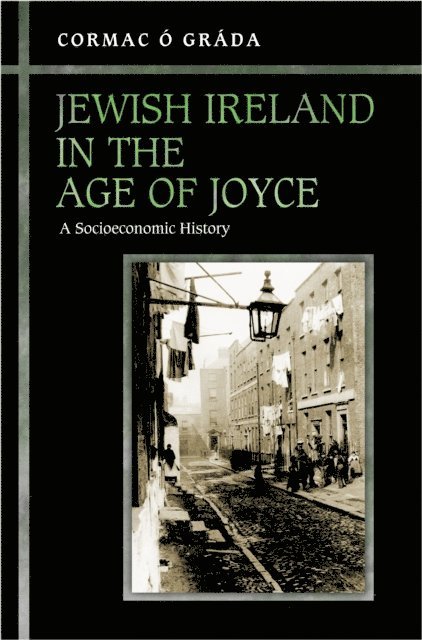
James Joyce's Leopold Bloom--the atheistic Everyman of Ulysses, son of a Hungarian Jewish father and an Irish Protestant mother--may have turned the world's literary eyes on Dublin, but those who look to him for history should think again. He could hardly have been a product of the city's bona fide Jewish community, where intermarriage with outsiders was rare and piety was pronounced. In Jewish Ireland in the Age of Joyce, a leading economic historian tells the real story of how Jewish Ireland--and Dublin's Little Jerusalem in particular--made ends meet from the 1870s, when the first Lithuanian Jewish immigrants landed in Dublin, to the late 1940s, just before the community began its dramatic decline. In 1866--the year Bloom was born--Dublin's Jewish population hardly existed, and on the eve of World War I it numbered barely three thousand. But this small group of people quickly found an economic niche in an era of depression, and developed a surprisingly vibrant web of institutions. In a richly detailed, elegantly written blend of historical, economic, and demographic analysis, Cormac O Grada examines the challenges this community faced.He asks how its patterns of child rearing, schooling, and cultural and religious behavior influenced its marital, fertility, and infant-mortality rates. He argues that the community's small size shaped its occupational profile and influenced its acculturation; it also compromised its viability in the long run. Jewish Ireland in the Age of Joyce presents a fascinating portrait of a group of people in an unlikely location who, though small in number, comprised Ireland's most resilient immigrant community until the Celtic Tiger's immigration surge of the 1990s.
290 kr
Skickas inom 7-10 vardagar
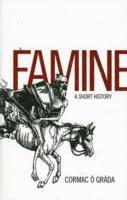
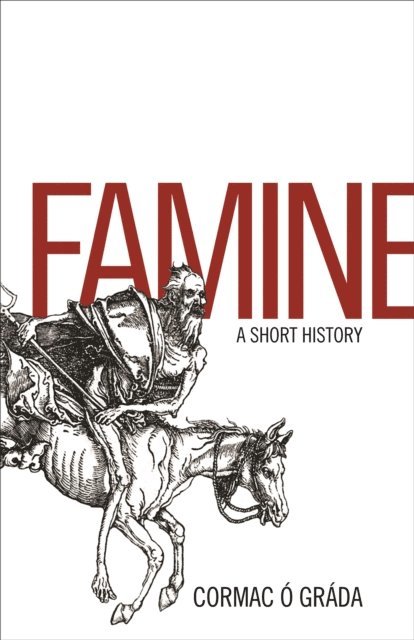
Famine remains one of the worst calamities that can befall a society. Mass starvation--whether it is inflicted by drought or engineered by misguided or genocidal economic policies--devastates families, weakens the social fabric, and undermines political stability. Cormac O Grada, the acclaimed author who chronicled the tragic Irish famine in books like Black '47 and Beyond, here traces the complete history of famine from the earliest records to today. Combining powerful storytelling with the latest evidence from economics and history, O Grada explores the causes and profound consequences of famine over the past five millennia, from ancient Egypt to the killing fields of 1970s Cambodia, from the Great Famine of fourteenth-century Europe to the famine in Niger in 2005. He enriches our understanding of the most crucial and far-reaching aspects of famine, including the roles that population pressure, public policy, and human agency play in causing famine; how food markets can mitigate famine or make it worse; famine's long-term demographic consequences; and the successes and failures of globalized disaster relief.O Grada demonstrates the central role famine has played in the economic and political histories of places as different as Ukraine under Stalin, 1940s Bengal, and Mao's China. And he examines the prospects of a world free of famine. This is the most comprehensive history of famine available, and is required reading for anyone concerned with issues of economic development and world poverty.
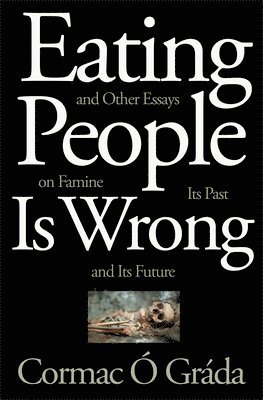
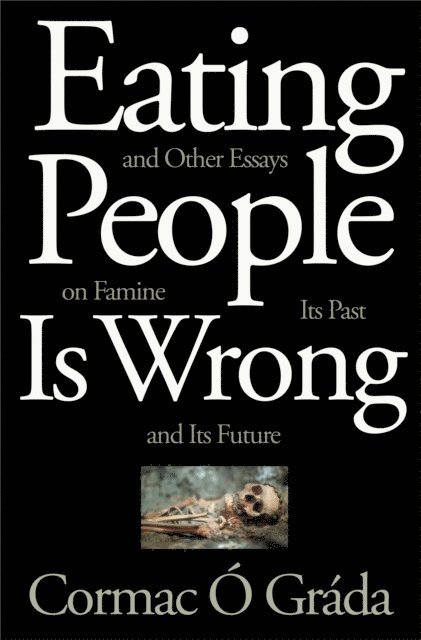
Eating People Is Wrong, and Other Essays on Famine, Its Past, and Its Future
Inbunden, Engelska, 2015
396 kr
Skickas inom 7-10 vardagar
Famines are becoming smaller and rarer, but optimism about the possibility of a famine-free future must be tempered by the threat of global warming. That is just one of the arguments that Cormac O Grada, one of the world's leading authorities on the history and economics of famine, develops in this wide-ranging book, which provides crucial new perspectives on key questions raised by famines around the globe between the seventeenth and twenty-first centuries. The book begins with a taboo topic. O Grada argues that cannibalism, while by no means a universal feature of famines and never responsible for more than a tiny proportion of famine deaths, has probably been more common during very severe famines than previously thought. The book goes on to offer new interpretations of two of the twentieth century's most notorious and controversial famines, the Great Bengal Famine and the Chinese Great Leap Forward Famine. O Grada questions the standard view of the Bengal Famine as a perfect example of market failure, arguing instead that the primary cause was the unwillingness of colonial rulers to divert food from their war effort.The book also addresses the role played by traders and speculators during famines more generally, invoking evidence from famines in France, Ireland, Finland, Malawi, Niger, and Somalia since the 1600s, and overturning Adam Smith's claim that government attempts to solve food shortages always cause famines. Thought-provoking and important, this is essential reading for historians, economists, demographers, and anyone else who is interested in the history and possible future of famine.
290 kr
Skickas inom 7-10 vardagar
James Joyce's Leopold Bloom--the atheistic Everyman of Ulysses, son of a Hungarian Jewish father and an Irish Protestant mother--may have turned the world's literary eyes on Dublin, but those who look to him for history should think again. He could hardly have been a product of the city's bona fide Jewish community, where intermarriage with outsiders was rare and piety was pronounced. In Jewish Ireland in the Age of Joyce, a leading economic historian tells the real story of how Jewish Ireland--and Dublin's Little Jerusalem in particular--made ends meet from the 1870s, when the first Lithuanian Jewish immigrants landed in Dublin, to the late 1940s, just before the community began its dramatic decline. In 1866--the year Bloom was born--Dublin's Jewish population hardly existed, and on the eve of World War I it numbered barely three thousand. But this small group of people quickly found an economic niche in an era of depression, and developed a surprisingly vibrant web of institutions. In a richly detailed, elegantly written blend of historical, economic, and demographic analysis, Cormac O Grada examines the challenges this community faced.He asks how its patterns of child rearing, schooling, and cultural and religious behavior influenced its marital, fertility, and infant-mortality rates. He argues that the community's small size shaped its occupational profile and influenced its acculturation; it also compromised its viability in the long run. Jewish Ireland in the Age of Joyce presents a fascinating portrait of a group of people in an unlikely location who, though small in number, comprised Ireland's most resilient immigrant community until the Celtic Tiger's immigration surge of the 1990s.
290 kr
Skickas inom 7-10 vardagar
New perspectives on the history of famine—and the possibility of a famine-free worldFamines are becoming smaller and rarer, but optimism about the possibility of a famine-free future must be tempered by the threat of global warming. That is just one of the arguments that Cormac Ó Gráda, one of the world's leading authorities on the history and economics of famine, develops in this wide-ranging book, which provides crucial new perspectives on key questions raised by famines around the globe between the seventeenth and twenty-first centuries.The book begins with a taboo topic. Ó Gráda argues that cannibalism, while by no means a universal feature of famines and never responsible for more than a tiny proportion of famine deaths, has probably been more common during very severe famines than previously thought. The book goes on to offer new interpretations of two of the twentieth century’s most notorious and controversial famines, the Great Bengal Famine and the Chinese Great Leap Forward Famine. Ó Gráda questions the standard view of the Bengal Famine as a perfect example of market failure, arguing instead that the primary cause was the unwillingness of colonial rulers to divert food from their war effort. The book also addresses the role played by traders and speculators during famines more generally, invoking evidence from famines in France, Ireland, Finland, Malawi, Niger, and Somalia since the 1600s, and overturning Adam Smith’s claim that government attempts to solve food shortages always cause famines.Thought-provoking and important, this is essential reading for historians, economists, demographers, and anyone else who is interested in the history and possible future of famine.
445 kr
Skickas inom 7-10 vardagar
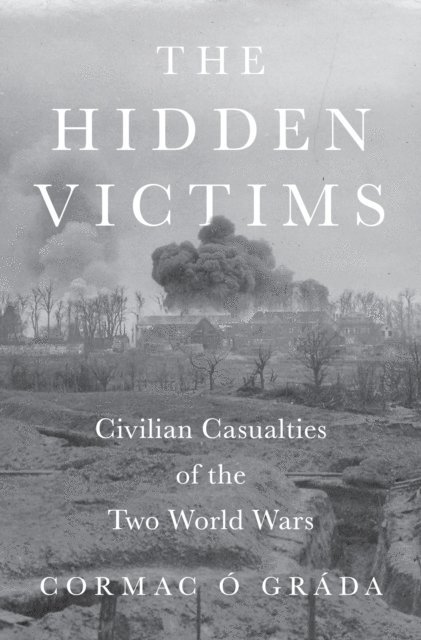
A staggering new account of the civilian death toll of the world wars—and what it reveals about the true nature and cost of modern warSoldiers have never been the only casualties of wars. But the armies that fought World Wars I and II killed far more civilians than soldiers as they countenanced or deliberately inflicted civilian deaths on a mass scale. By one reputable estimate, 9.7 million civilians and 9 million combatants died in World War I, while World War II killed 25.5 million civilians and 15 million combatants. But in The Hidden Victims, Cormac Ó Gráda argues that even these shocking numbers are almost certainly too low. Carefully evaluating all the evidence available, he estimates that the wars cost not 35 million but some 65 million civilian lives—nearly two-thirds of the 100 million total killed. Indeed, he shows that war-induced famines alone may have killed 30 million people, making them the single largest cause of death.The Hidden Victims is the first book to attempt to measure and describe the full scale of civilian deaths during the world wars, from all causes, including genocide, starvation, aerial bombardment, and disease. While nations went to great lengths to record military casualties, they often didn’t count or deliberately obscured civilian deaths. Getting the numbers right is important. It reveals much about the true human costs of the wars, the nature of modern warfare, and the failure of efforts to stop civilian casualties. It also makes it possible to argue with those who try to deny, minimize, or exaggerate wartime savagery.
385 kr
Tillfälligt slut
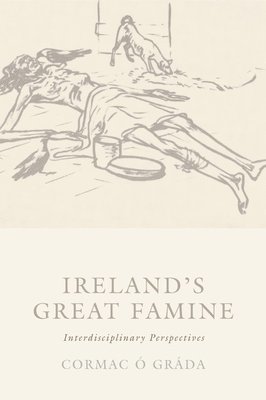
These essays by Ireland's leading economic historian range widely over topics associated with the Ireland's Great Famine of 1846-52. The famine was the defining event of nineteenth-century Irish history, and nineteenth-century Europe's greatest natural disaster, killing about one million people and prompting many hundreds of thousands more to emigrate. The subjects covered here include: trends in living standards before the famine; the impact of the crisis on landlords; the characteristics of famine mortality; the market for potatoes during the 1840s; the role of migration as disaster relief; the New York Irish in the wake of the famine; the famine in folklore and memory, and in comparative perspective; and the historiography of the famine in Ireland. Ireland's Great Famine includes four previously unpublished essays, together with others assembled from a wide range of publications in different fields. Some have been co-authored by other leading scholars.Taken together, the essays give a full account of the famine, its effects, what was and was not done to alleviate it, how it compares with other (especially modern third world) famines, and how successive scholars have tackled these matters. This will become a standard reference in both Irish history and the international field of famine studies. The essays include collaborations with Andres Eiriksson, Timothy Guinnane, Joel Mokyr and Kevin O'Rourke.
775 kr
Tillfälligt slut
These essays by Ireland's leading economic historian range widely over topics associated with the Ireland's Great Famine of 1846-52. The famine was the defining event of nineteenth-century Irish history, and nineteenth-century Europe's greatest natural disaster, killing about one million people and prompting many hundreds of thousands more to emigrate. The subjects covered here include: trends in living standards before the famine; the impact of the crisis on landlords; the characteristics of famine mortality; the market for potatoes during the 1840s; the role of migration as disaster relief; the New York Irish in the wake of the famine; the famine in folklore and memory, and in comparative perspective; and the historiography of the famine in Ireland. Ireland's Great Famine includes four previously unpublished essays, together with others assembled from a wide range of publications in different fields. Some have been co-authored by other leading scholars.Taken together, the essays give a full account of the famine, its effects, what was and was not done to alleviate it, how it compares with other (especially modern third world) famines, and how successive scholars have tackled these matters. This will become a standard reference in both Irish history and the international field of famine studies. The essays include collaborations with Andres Eiriksson, Timothy Guinnane, Joel Mokyr and Kevin O'Rourke.