Cosima Bruno – författare
Visar alla böcker från författaren Cosima Bruno. Handla med fri frakt och snabb leverans.
5 produkter
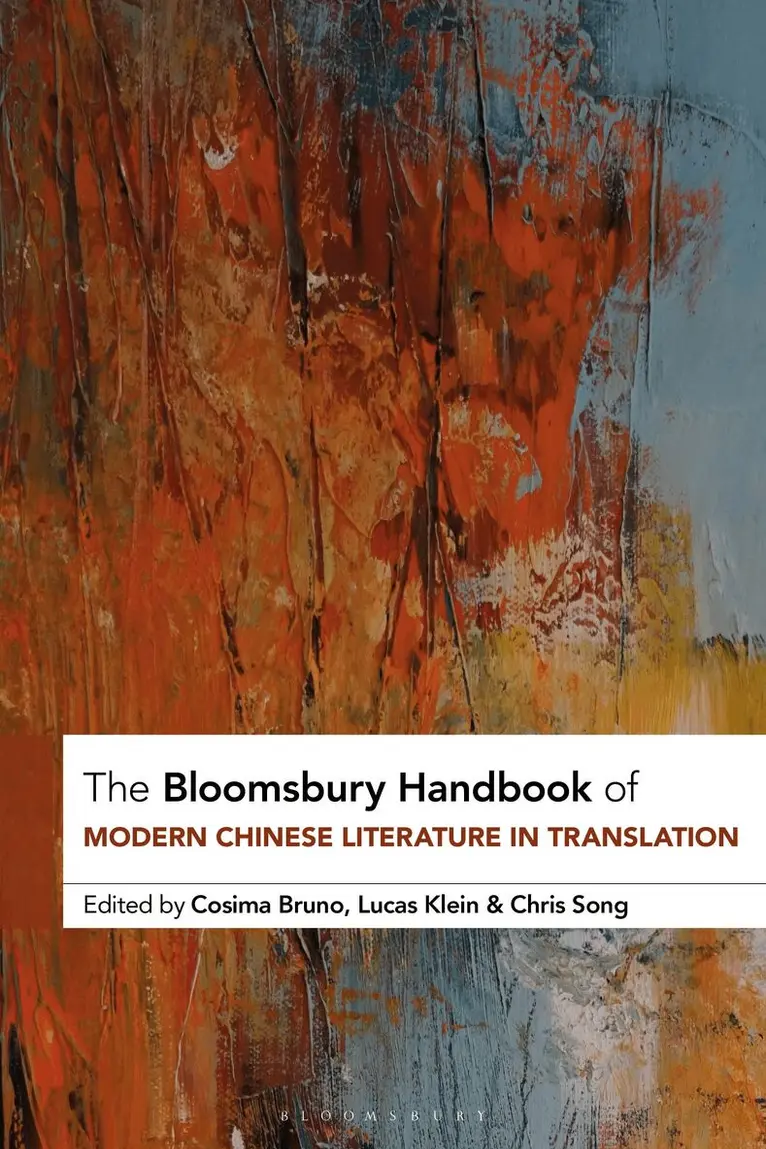
Bloomsbury Handbook of Modern Chinese Literature in Translation
Av Cosima Bruno, Lucas Klein m. fl.
Inbunden, 2023
2437 kr
Lägg i varukorg
Offering the first systematic overview of modern and contemporary Chinese literature from a translation studies perspective, this handbook provides students, researchers and teachers with a context in which to read and appreciate the effects of linguistic and cultural transfer in Chinese literary …
Bloomsbury Handbook of Modern Chinese Literature in Translation
Av Cosima Bruno, Lucas Klein m. fl.
E-bok, 2023
771 kr
Lägg i varukorg
Offering the first systematic overview of modern and contemporary Chinese literature from a translation studies perspective, this handbook provides students, researchers and teachers with a context in which to read and appreciate the effects of linguistic and cultural transfer in Chinese literary …
Bloomsbury Handbook of Modern Chinese Literature in Translation
Av Cosima Bruno, Lucas Klein m. fl.
E-bok, 2023
771 kr
Lägg i varukorg
Offering the first systematic overview of modern and contemporary Chinese literature from a translation studies perspective, this handbook provides students, researchers and teachers with a context in which to read and appreciate the effects of linguistic and cultural transfer in Chinese literary …
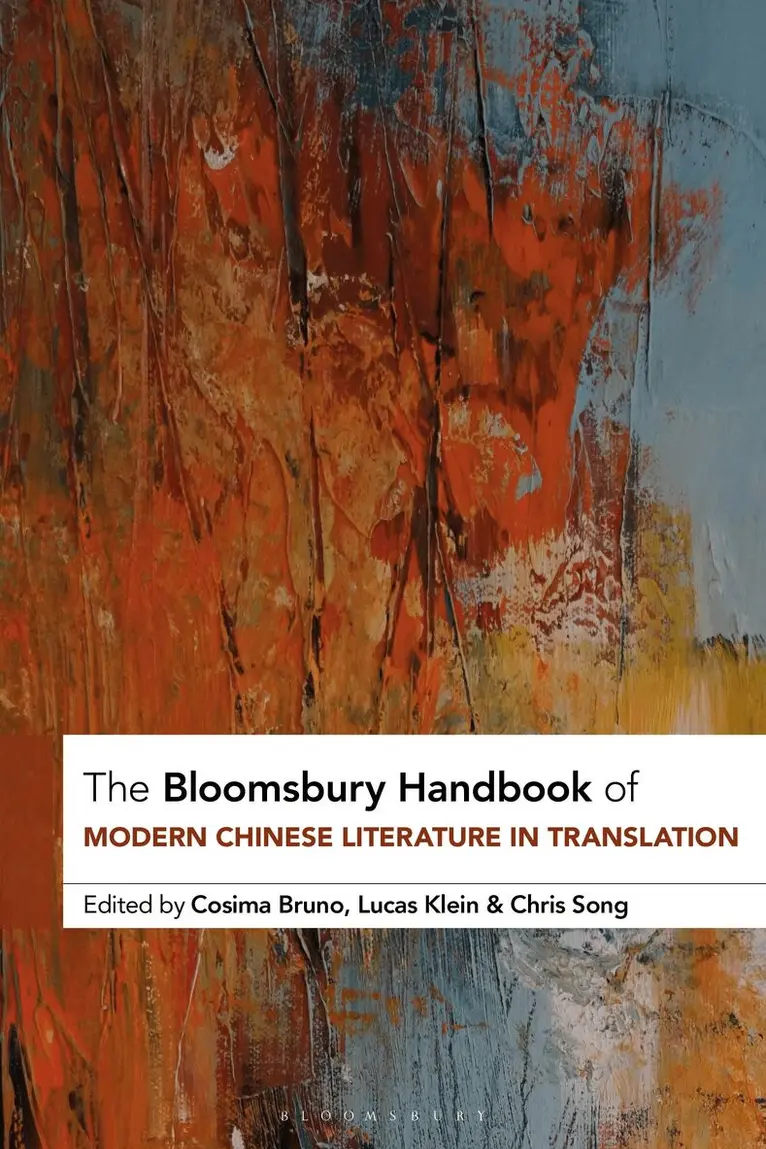
Bloomsbury Handbook of Modern Chinese Literature in Translation
Av Cosima Bruno, Lucas Klein m. fl.
Häftad, 2025
704 kr
Lägg i varukorg
Offering the first systematic overview of modern and contemporary Chinese literature from a translation studies perspective, this handbook provides students, researchers and teachers with a context in which to read and appreciate the effects of linguistic and cultural transfer in Chinese literary …
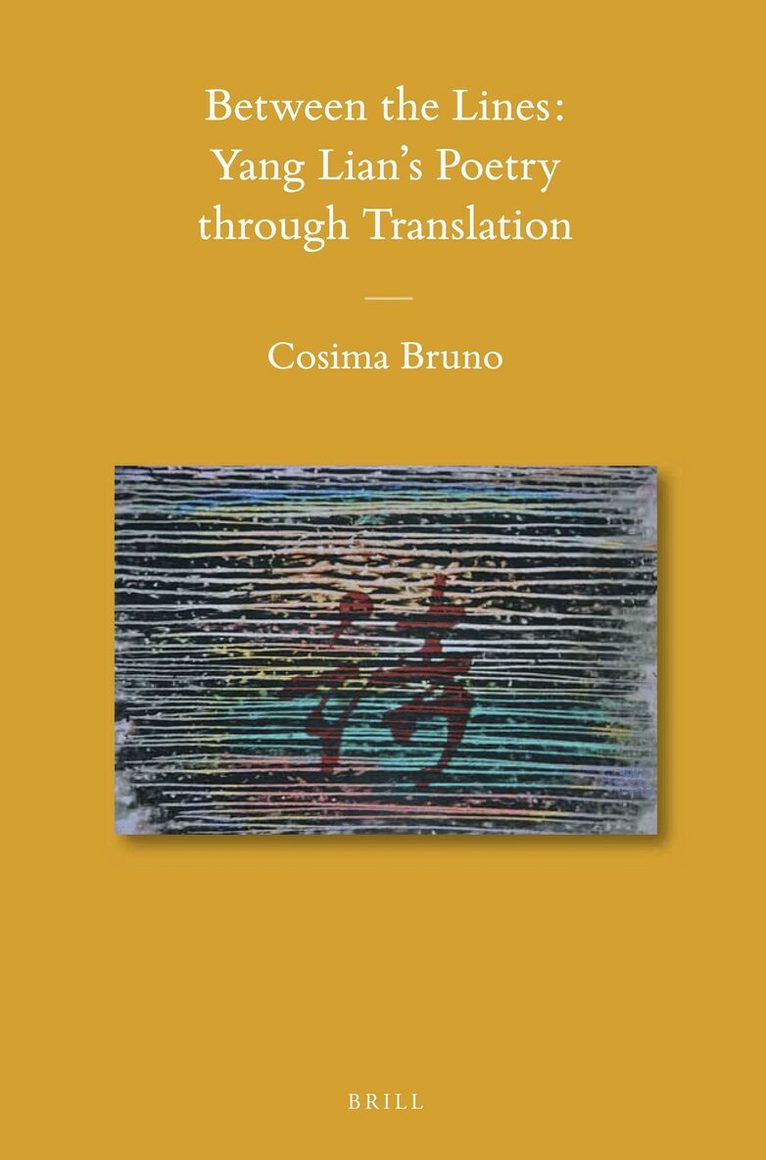
Between the Lines:Yang Lian's Poetry through Translation
Av Cosima Bruno
Inbunden, 2012
2159 kr
Lägg i varukorg
In Between the Lines Cosima Bruno illustrates how the study of translation can enhance our experience of reading poetry. By inquiring into the mutual dependence of the source text and its translation, the study offers both theoretical insights and methodological tools that bring in-depth stylistic …