Crispin Bates - Böcker
Visar alla böcker från författaren Crispin Bates. Handla med fri frakt och snabb leverans.
13 produkter
13 produkter
1 095 kr
Skickas inom 10-15 vardagar
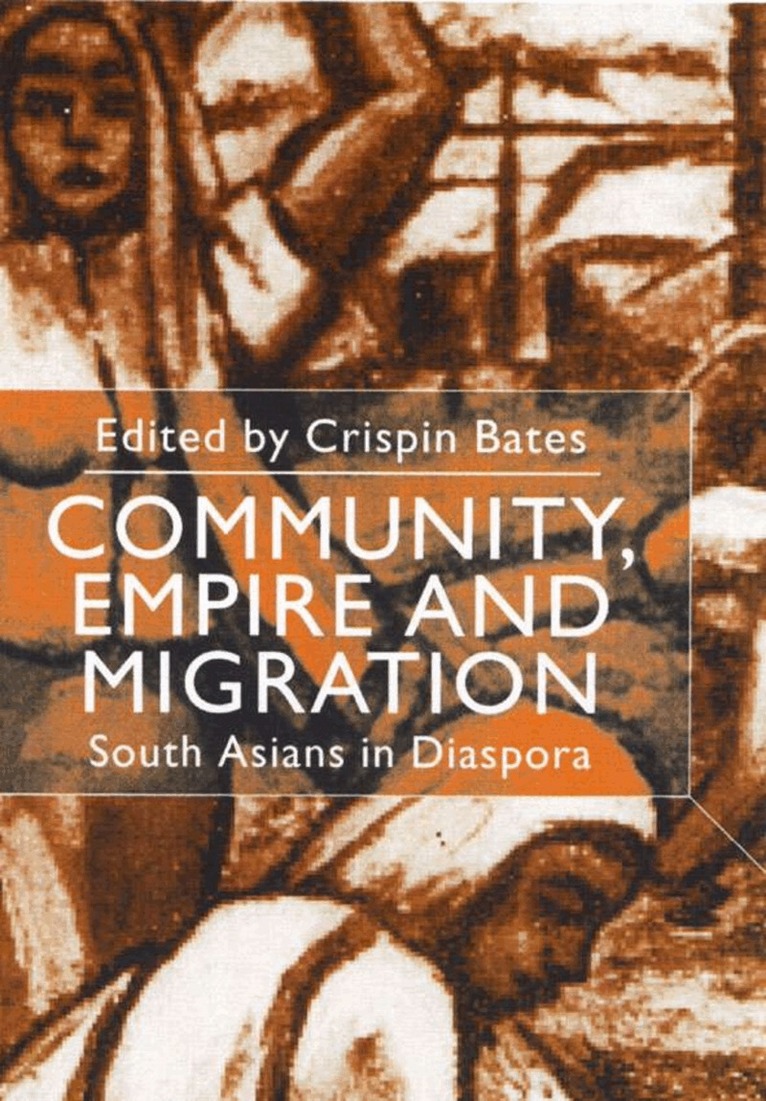
South Asians in Diaspora is a collection of essays concerning the history, politics, and anthropology of migration in India, Pakistan, and Sri Lanka, as well as in the numerous overseas locations, such as Fiji, Africa, the Caribbean and USA, where South Asians migrated in the colonial period and after.
2 012 kr
Skickas inom 10-15 vardagar
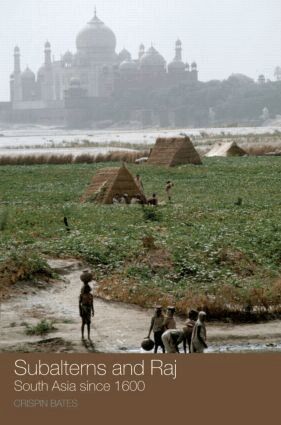
Subalterns and Raj presents a unique introductory history of India with an account that begins before the period of British rule, and pursues the continuities within that history up to the present day. Its coverage ranges from Mughal India to post-independence Pakistan, Bangladesh and Sri Lanka, with a focus on the ‘ordinary’ people of India and South Asia.Subalterns and Raj examines overlooked issues in Indian social history and highlights controversies between historians. Taking an iconoclastic approach to the elites of South Asia since independence, it is critical of the colonial regime that went before them. This book is a stimulating and controversial read and, with a detailed guide to further reading and end-of-chapter bibliographies, it is an excellent guide for all students of the Indian subcontinent.
607 kr
Skickas inom 10-15 vardagar
Subalterns and Raj presents a unique introductory history of India with an account that begins before the period of British rule, and pursues the continuities within that history up to the present day. Its coverage ranges from Mughal India to post-independence Pakistan, Bangladesh and Sri Lanka, with a focus on the ‘ordinary’ people of India and South Asia.Subalterns and Raj examines overlooked issues in Indian social history and highlights controversies between historians. Taking an iconoclastic approach to the elites of South Asia since independence, it is critical of the colonial regime that went before them. This book is a stimulating and controversial read and, with a detailed guide to further reading and end-of-chapter bibliographies, it is an excellent guide for all students of the Indian subcontinent.
775 kr
Skickas inom 10-15 vardagar
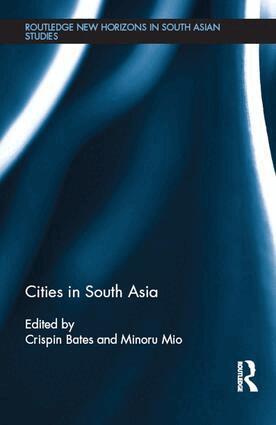
Globalisation has long historical roots in South Asia, but economic liberalisation has led to uniquely rapid urban growth in South Asia during the past decade. This book brings together a multidisciplinary collection of chapters on contemporary and historical themes explaining this recent explosive growth and transformations on-going in the cities of this region.The essays in this volume attempt to shed light on the historical roots of these cities and the traditions that are increasingly placed under strain by modernity, as well as exploring the lived experience of a new generation of city dwellers and their indelible impact on those who live at the city’s margins. The book discusses that previously, cities such as Mumbai grew by accumulating a vast hinterland of slum-dwellers who depressed wages and supplied cheap labour to the city’s industrial economy. However, it goes on to show that the new growth of cities such as Bangalore, Hyderabad, and Madras in south India, or Delhi and Calcutta in the north of India, is more capital-intensive, export-driven, and oriented towards the information technology and service sectors. The book explains that these cities have attracted a new elite of young, educated workers, with money to spend and an outlook on life that is often a complex mix of modern ideas and conservative tradition. It goes on to cover topics such as the politics of town planning, consumer culture, and the struggles among multiple identities in the city. By tracing the genealogies of cities, it gives a useful insight into the historical conditioning that determines how cities negotiate new changes and influences.There will soon be more mega cities in South Asia than anywhere else in the world, and this book provides an in-depth analysis of this growth. It will be of interest to students and scholars of South Asian History, Politics and Anthropology, as well as those working in the fields of urbanisation and globalisation.
1 363 kr
Skickas inom 7-10 vardagar
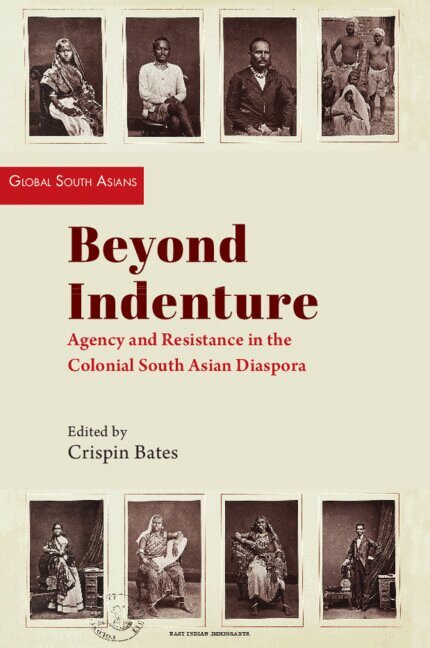
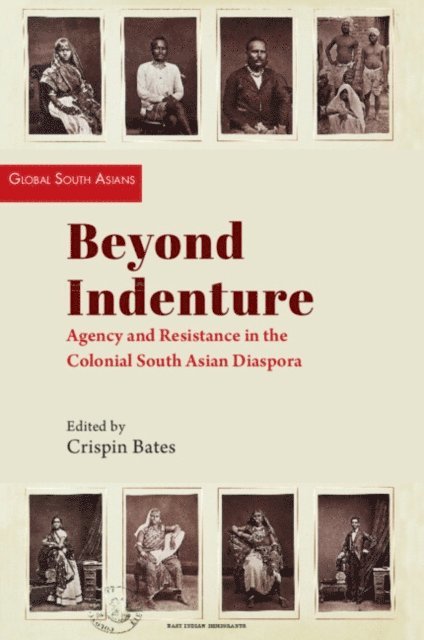
Beyond Indenture brings together original essays by a mix of experienced and upcoming scholars. They reflect, as far as possible, the viewpoints and voices of indentured Indians who exercised agency, resisted and manipulated the colonial labour system to their advantage, and went on to build new lives for themselves overseas following the expiry of their contracts. Some remigrated to other colonies to earn a better wage and escape from debt and other burdens. Among those who chose to remain, women played a prominent role in the struggle for rights, freedom and opportunities, achieving them in ways which often defied or redefined South Asian customs and traditions. Alongside the migrant labourers, 'passenger Indians' made their way to the sugar, tea and rubber colonies, and became clerks, teachers and shopkeepers. After independence, the Indian communities overseas faced newer problems, not least of which were discrimination and marginalisation. Some were forced to return home. Others built upon the experience of struggles in the colonial era to collectively mobilise. Another theme explored is that of the broad alliances of diasporic Indians and Pakistani and Bangladeshi migrants who have been recently enabled by the internet to connect with each other and to reconnect with the countries from which they originated.
1 160 kr
Skickas inom 7-10 vardagar
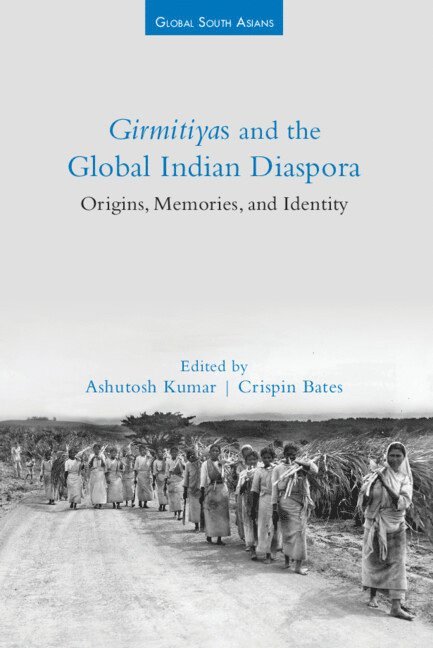
Many Indians journeyed out of India to supplant the loss of slave labour in the former European plantation colonies of Mauritius, South Africa, Fiji, and the Caribbean from the early nineteenth century onwards. This book aims to highlight the careers of these migrants who served as vital agents in building the global society of the twenty-first century. It explores the transformative experiences of those who migrated, and the memories of those who did not return after expiration of their contracts but chose instead to stay in their respective host countries. It describes the many challenges they faced - ageing in a society far from home, the loss of their formal Indian identity after Indian independence, their efforts to preserve a sense of community in the post-independence societies of South Africa and the Caribbean, and their adapting to the new political and social realities they faced as minorities in the countries in which their ancestors had adventurously determined to settle and live.
635 kr
Skickas inom 10-15 vardagar
In Savage Attack: Tribal Insurgency in India the authors ask whether there is anything particularly adivasi about the forms of resistance that have been labelled as adivasi movements. What does it mean to speak about adivasi as opposed to peasant resistance? Can one differentiate adivasi resistance from that of other lower castes such as the dalits? In this volume the authors move beyond stereotypes of tribal rebellion to argue that it is important to explore how and why particular forms of resistance are depicted as adivasi issues at particular points in time. Interpretations that have depicted adivasis as a united and highly politicised group of people have romanticised and demonized tribal society and history, thus denying the individuals and communities involved any real agency. Both the interpretations of the state and of left-wing supporters of tribal insurgencies have continued to ignore the complex realities of tribal life and the variety in the expressions of political activism that have resulted across the length and breadth of the Indian subcontinent.
2 151 kr
Skickas inom 10-15 vardagar
In Savage Attack: Tribal Insurgency in India the authors ask whether there is anything particularly adivasi about the forms of resistance that have been labelled as adivasi movements. What does it mean to speak about adivasi as opposed to peasant resistance? Can one differentiate adivasi resistance from that of other lower castes such as the dalits? In this volume the authors move beyond stereotypes of tribal rebellion to argue that it is important to explore how and why particular forms of resistance are depicted as adivasi issues at particular points in time. Interpretations that have depicted adivasis as a united and highly politicised group of people have romanticised and demonized tribal society and history, thus denying the individuals and communities involved any real agency. Both the interpretations of the state and of left-wing supporters of tribal insurgencies have continued to ignore the complex realities of tribal life and the variety in the expressions of political activism that have resulted across the length and breadth of the Indian subcontinent.
715 kr
Skickas inom 10-15 vardagar
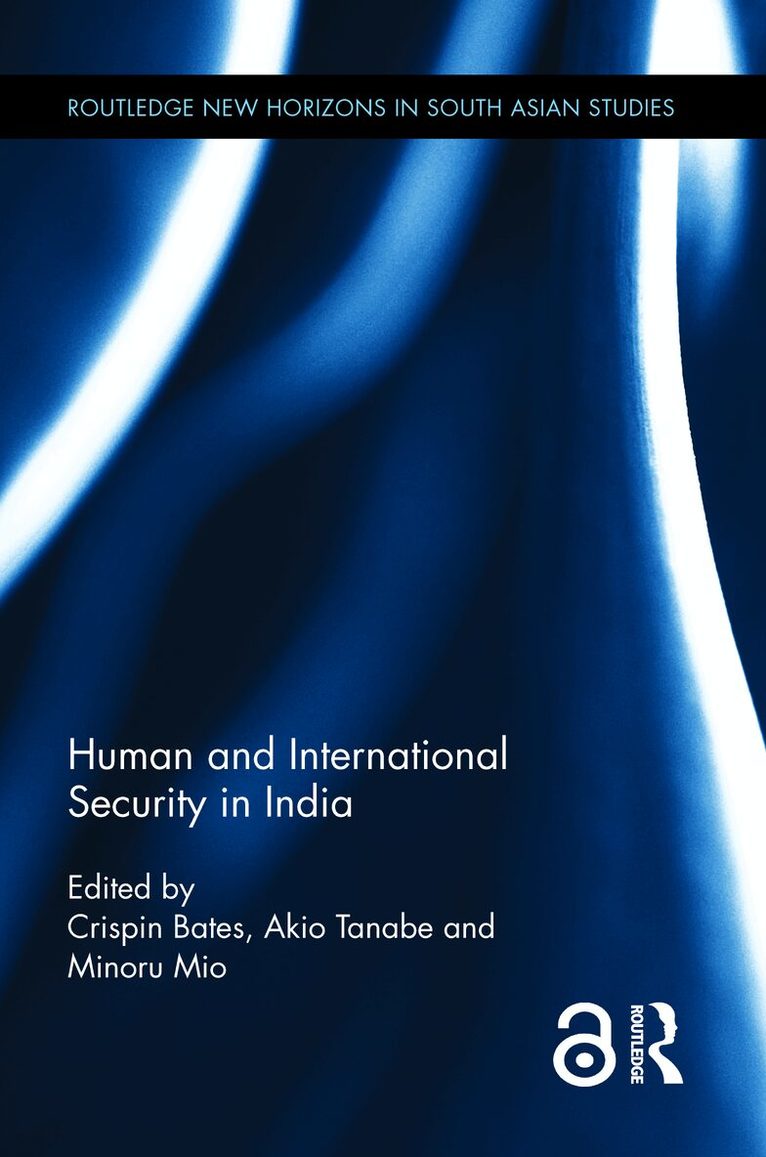
With its common colonial experience, an overarching cultural unity despite apparent diversities, and issues of nation-building cutting across national frontiers, South Asia offers a critical site on which to develop a discourse on regional security that centres on the notion of human security. This book analyses the progress that has been achieved since independence in multiple intersecting areas of human security development in India, the largest nation in South Asia, as well as considering the paradigms that might be brought to bear in future consideration and pursuance of these objectives.Providing original insights, the book analyses the idea of security based on specific human concerns cutting across state frontiers, such as socio-economic development, human rights, gender equity, environmental degradation, terrorism, democracy, and governance. It also discusses the realisation that human security and international security are inextricably inter-linked. The book gives an overview of Indian foreign policy, with particular focus on its relationship with China. It also looks at public health care in India, and issues of microfinance and gender. Democracy and violence in the country is discussed in-depth, as well as Muslim identity and community.Human and International Security in India will be of particular interest to researchers of contemporary South Asian History, South Asian Politics, Sociology and Development Studies.
2 358 kr
Skickas inom 10-15 vardagar
Globalisation has long historical roots in South Asia, but economic liberalisation has led to uniquely rapid urban growth in South Asia during the past decade. This book brings together a multidisciplinary collection of chapters on contemporary and historical themes explaining this recent explosive growth and transformations on-going in the cities of this region.The essays in this volume attempt to shed light on the historical roots of these cities and the traditions that are increasingly placed under strain by modernity, as well as exploring the lived experience of a new generation of city dwellers and their indelible impact on those who live at the city’s margins. The book discusses that previously, cities such as Mumbai grew by accumulating a vast hinterland of slum-dwellers who depressed wages and supplied cheap labour to the city’s industrial economy. However, it goes on to show that the new growth of cities such as Bangalore, Hyderabad, and Madras in south India, or Delhi and Calcutta in the north of India, is more capital-intensive, export-driven, and oriented towards the information technology and service sectors. The book explains that these cities have attracted a new elite of young, educated workers, with money to spend and an outlook on life that is often a complex mix of modern ideas and conservative tradition. It goes on to cover topics such as the politics of town planning, consumer culture, and the struggles among multiple identities in the city. By tracing the genealogies of cities, it gives a useful insight into the historical conditioning that determines how cities negotiate new changes and influences.There will soon be more mega cities in South Asia than anywhere else in the world, and this book provides an in-depth analysis of this growth. It will be of interest to students and scholars of South Asian History, Politics and Anthropology, as well as those working in the fields of urbanisation and globalisation.
2 125 kr
Skickas inom 10-15 vardagar
With its common colonial experience, an overarching cultural unity despite apparent diversities, and issues of nation-building cutting across national frontiers, South Asia offers a critical site on which to develop a discourse on regional security that centres on the notion of human security. This book analyses the progress that has been achieved since independence in multiple intersecting areas of human security development in India, the largest nation in South Asia, as well as considering the paradigms that might be brought to bear in future consideration and pursuance of these objectives.Providing original insights, the book analyses the idea of security based on specific human concerns cutting across state frontiers, such as socio-economic development, human rights, gender equity, environmental degradation, terrorism, democracy, and governance. It also discusses the realisation that human security and international security are inextricably inter-linked. The book gives an overview of Indian foreign policy, with particular focus on its relationship with China. It also looks at public health care in India, and issues of microfinance and gender. Democracy and violence in the country is discussed in-depth, as well as Muslim identity and community.Human and International Security in India will be of particular interest to researchers of contemporary South Asian History, South Asian Politics, Sociology and Development Studies.The Open Access version of this book, available at http://www.taylorfrancis.com, has been made available under a Creative Commons Attribution-Non Commercial-No Derivatives 4.0 license.
1 083 kr
Skickas inom 5-8 vardagar
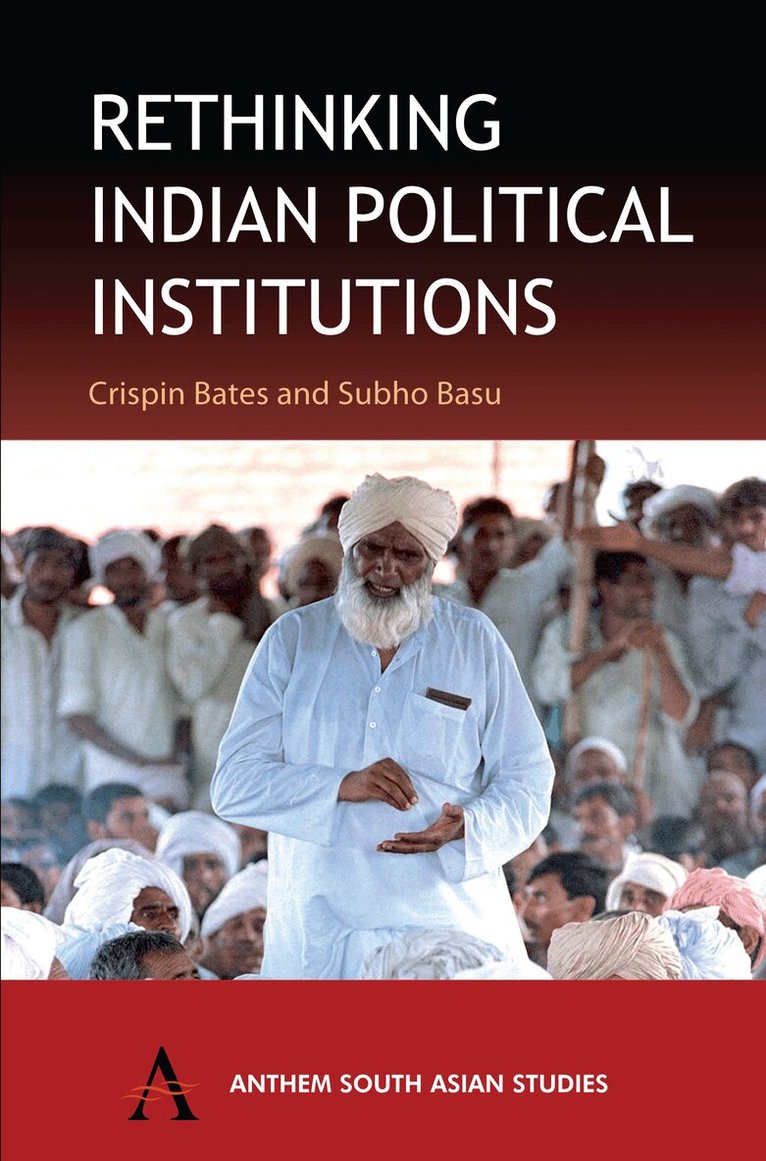
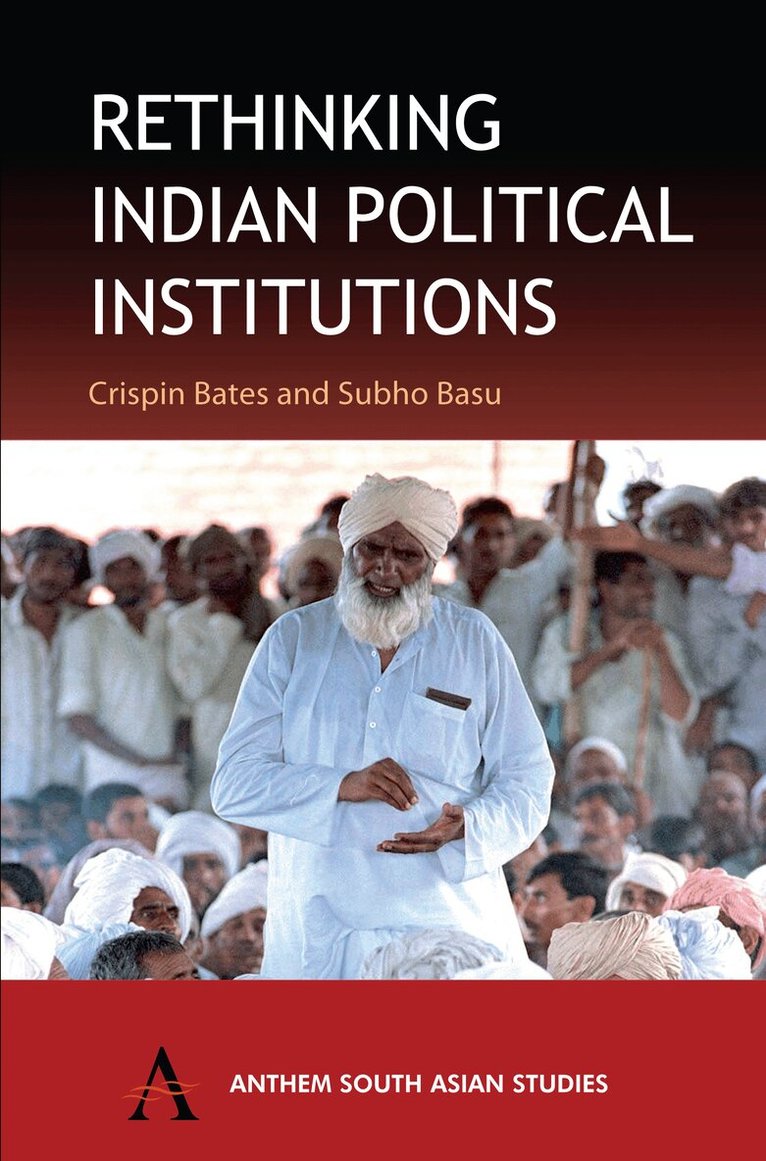
This book explores various aspects and processes of the twentieth-century Indian state, from the central, Union government down to grassroot-level in the provinces and villages.
350 kr
Skickas inom 5-8 vardagar
This book explores various aspects and processes of the twentieth-century Indian state, from the central, Union government down to grassroot-level in the provinces and villages.