Akio Tanabe - Böcker
Visar alla böcker från författaren Akio Tanabe. Handla med fri frakt och snabb leverans.
10 produkter
10 produkter
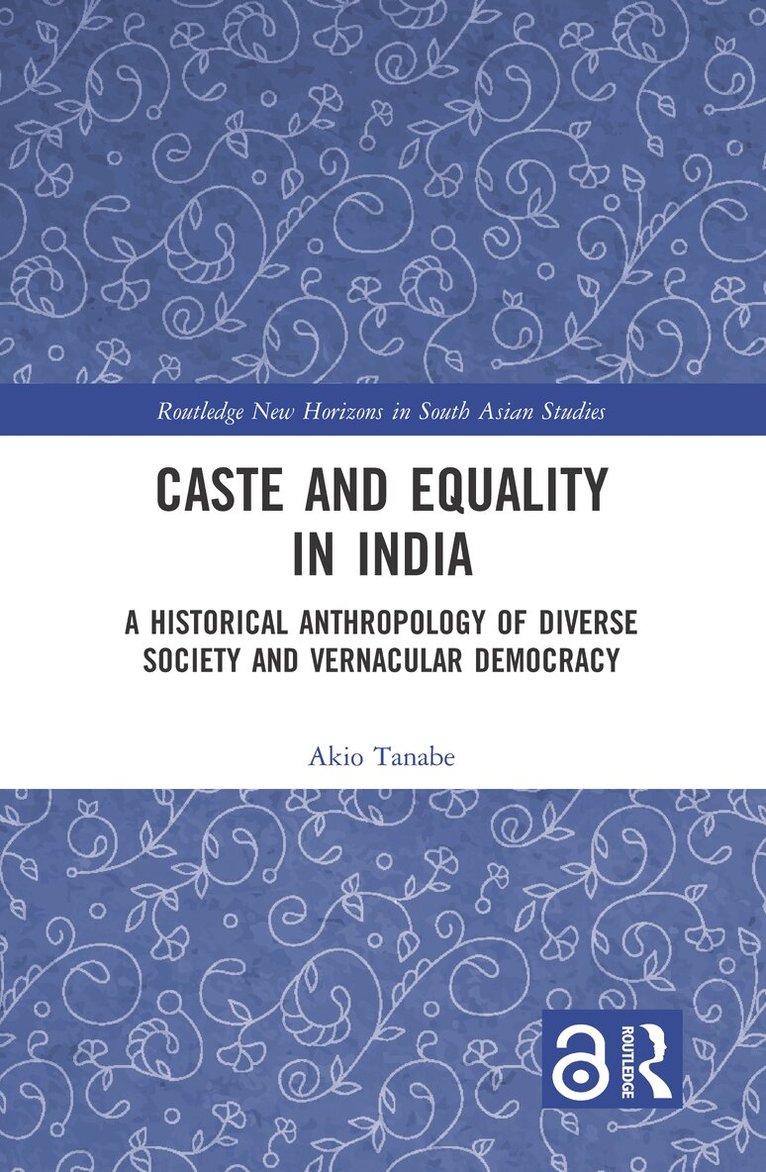
Caste and Equality in India
A Historical Anthropology of Diverse Society and Vernacular Democracy
Inbunden, Engelska, 2021
2 150 kr
Skickas inom 10-15 vardagar
This book presents an alternative view of caste in Indian society by analysing caste structure and change in local communities in Orissa from historical and anthropological perspectives.Focusing on the agricultural society in the Khurda district of Orissa between the eighteenth century and 2019, the book links discussions on the current transformation of society and politics in India with analyses of long-term historical transformations. The author suggests that, beyond status and power, there is another value which is important in Indian society, namely ontological equality, which functions as the politico-ethical ground for asserting respect and concern for the life of others. The book argues that the value of ontological equality has played an important role in creating and affirming the diverse society which characterises India. It further contends that the movement towards vernacular democracy, which has become conspicuous since the second half of the 1990s, is a historically groundbreaking event which opens a path beyond the postcolonial predicament, supported by the affirmation of diversity by subalterns based on the value of ontological equality.This important contribution to the study of Indian society will be of interest to academics working on the social, political and economic history, sociology, anthropology and political science of South Asia, as well as to those interested in social and political theory.
2 155 kr
Skickas inom 10-15 vardagar
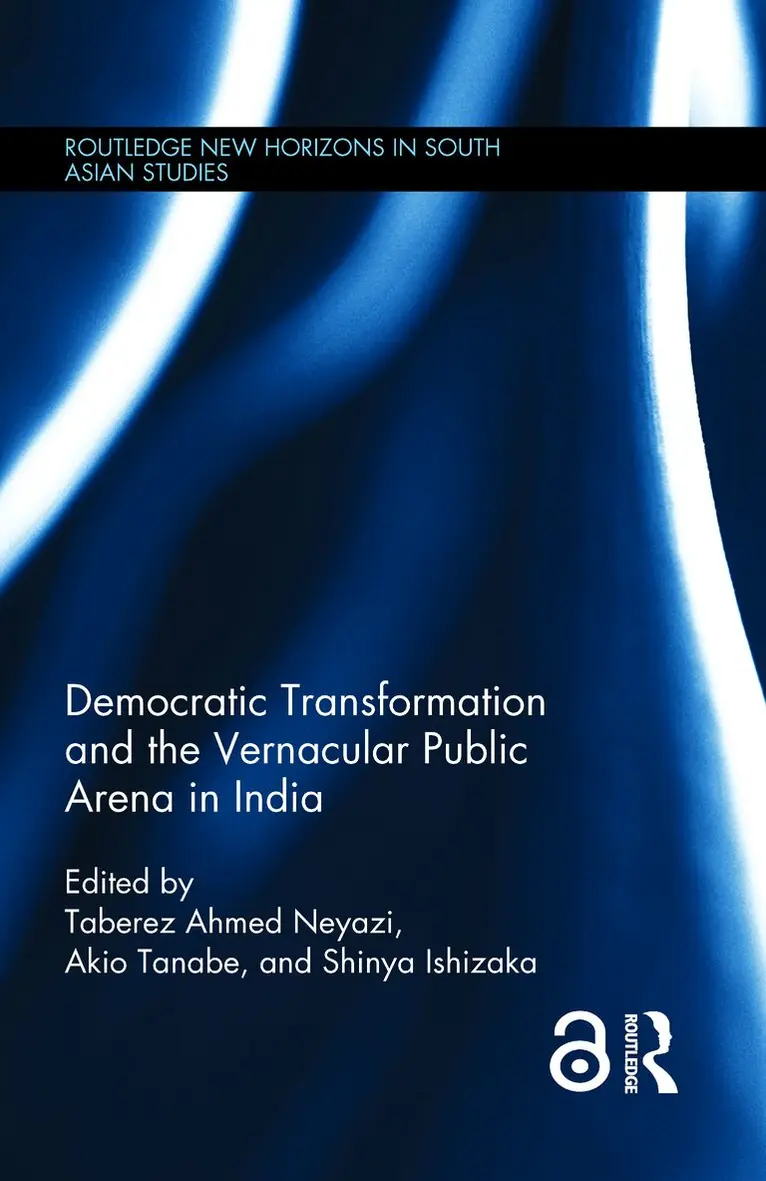
Since the structural change in Indian society that began in the 1990s - the result of the liberalisation of the economy, devolution of power, and decentralisation of the government–an unprecedented, democratic transformation has been taking place. This has caused the emergence of unexpected coalitions and alliances across diverse castes, classes, and religious groups according to the issues involved. In this volume, we intend to understand this deepening of democracy by employing a new analytical framework of the 'vernacular public arena' where negotiations, dialogues, debates, and contestations occur among 'vernacular publics'. This reflects the profound changes in Indian democracy as diverse social groups, including dalits, adivasis, and Other Backward Classes; minorities, women; individuals from rural areas, towns, and cities; the poor and the new middle classes–the 'vernacular publics'–participate in new ways in India’s public life. This participation is not confined to electoral politics, but has extended to the public arenas in which these groups have begun to raise their voice publicly and to negotiate and engage in dialogue with each other and the wider world. Contributors demonstrate that the participation of vernacular publics has resulted in the broadening of Indian democracy itself which focuses on the ways of governance, improving people’s lives, life chances, and living environments.An original, comprehensive study that furthers our understanding of the unfolding political dynamism and the complex reshuffling and reassembling taking place in Indian society and politics, this book will be relevant to academics with an interest in South Asian Studies from a variety of disciplines, including Political Science, Sociology, Anthropology, and Media Studies.The Open Access version of this book, available at http://www.taylorfrancis.com, has been made available under a Creative Commons Attribution-Non Commercial-No Derivatives 4.0 license.
663 kr
Skickas inom 10-15 vardagar
Since the structural change in Indian society that began in the 1990s - the result of the liberalisation of the economy, devolution of power, and decentralisation of the government–an unprecedented, democratic transformation has been taking place. This has caused the emergence of unexpected coalitions and alliances across diverse castes, classes, and religious groups according to the issues involved. In this volume, we intend to understand this deepening of democracy by employing a new analytical framework of the 'vernacular public arena' where negotiations, dialogues, debates, and contestations occur among 'vernacular publics'. This reflects the profound changes in Indian democracy as diverse social groups, including dalits, adivasis, and Other Backward Classes; minorities, women; individuals from rural areas, towns, and cities; the poor and the new middle classes–the 'vernacular publics'–participate in new ways in India’s public life. This participation is not confined to electoral politics, but has extended to the public arenas in which these groups have begun to raise their voice publicly and to negotiate and engage in dialogue with each other and the wider world. Contributors demonstrate that the participation of vernacular publics has resulted in the broadening of Indian democracy itself which focuses on the ways of governance, improving people’s lives, life chances, and living environments.An original, comprehensive study that furthers our understanding of the unfolding political dynamism and the complex reshuffling and reassembling taking place in Indian society and politics, this book will be relevant to academics with an interest in South Asian Studies from a variety of disciplines, including Political Science, Sociology, Anthropology, and Media Studies.
Caste and Equality in India
A Historical Anthropology of Diverse Society and Vernacular Democracy
Häftad, Engelska, 2023
593 kr
Skickas inom 10-15 vardagar
This book presents an alternative view of caste in Indian society by analysing caste structure and change in local communities in Orissa from historical and anthropological perspectives.Focusing on the agricultural society in the Khurda district of Orissa between the eighteenth century and 2019, the book links discussions on the current transformation of society and politics in India with analyses of long-term historical transformations. The author suggests that, beyond status and power, there is another value which is important in Indian society, namely ontological equality, which functions as the politico-ethical ground for asserting respect and concern for the life of others. The book argues that the value of ontological equality has played an important role in creating and affirming the diverse society which characterises India. It further contends that the movement towards vernacular democracy, which has become conspicuous since the second half of the 1990s, is a historically groundbreaking event which opens a path beyond the postcolonial predicament, supported by the affirmation of diversity by subalterns based on the value of ontological equality.This important contribution to the study of Indian society will be of interest to academics working on the social, political and economic history, sociology, anthropology and political science of South Asia, as well as to those interested in social and political theory.
1 886 kr
Skickas inom 10-15 vardagar
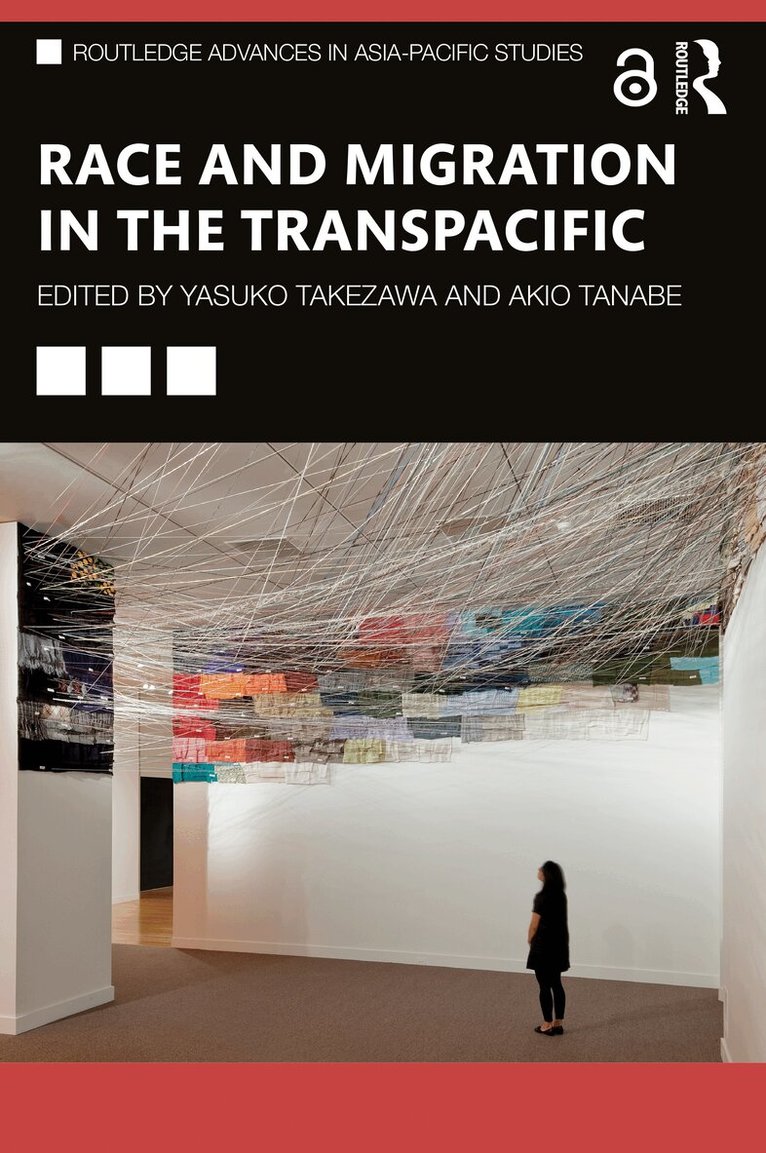
Looking at a range of cases from around the Transpacific, the contributors to this book explore the complex formulations of race and racism emerging from transoceanic migrations and encounters in the region.Asia has a history of ceaseless, active, and multidirectional migration, which continues to bear multilayered and complex genetic diversity. The traditional system of rank order between groups of people in Asia consisted of multiple “invisible” differences in variegated entanglements, including descent, birthplace, occupation, and lifestyle. Transpacific migration brought about the formation of multilayered and complex racial relationships, as the physically indistinguishable yet multifacetedly racialized groups encountered the hegemonic racial order deriving from the transatlantic experience of racialization based on “visible” differences. Each chapter in this book examines a different case study, identifying their complexities and particularities while contributing to a broad view of the possibilities for solidarity and human connection in a context of domination and discrimination. These cases include the dispossession of the Ainu people, the experiences of Burakumin emigrants in America, the policing of colonial Singapore, and data governance in India.A fascinating read for sociologists, anthropologists, and historians, especially those with a particular focus on the Asian and Pacific regions.
441 kr
Skickas inom 10-15 vardagar
Looking at a range of cases from around the Transpacific, the contributors to this book explore the complex formulations of race and racism emerging from transoceanic migrations and encounters in the region.Asia has a history of ceaseless, active, and multidirectional migration, which continues to bear multilayered and complex genetic diversity. The traditional system of rank order between groups of people in Asia consisted of multiple “invisible” differences in variegated entanglements, including descent, birthplace, occupation, and lifestyle. Transpacific migration brought about the formation of multilayered and complex racial relationships, as the physically indistinguishable yet multifacetedly racialized groups encountered the hegemonic racial order deriving from the transatlantic experience of racialization based on “visible” differences. Each chapter in this book examines a different case study, identifying their complexities and particularities while contributing to a broad view of the possibilities for solidarity and human connection in a context of domination and discrimination. These cases include the dispossession of the Ainu people, the experiences of Burakumin emigrants in America, the policing of colonial Singapore, and data governance in India.A fascinating read for sociologists, anthropologists, and historians, especially those with a particular focus on the Asian and Pacific regions.
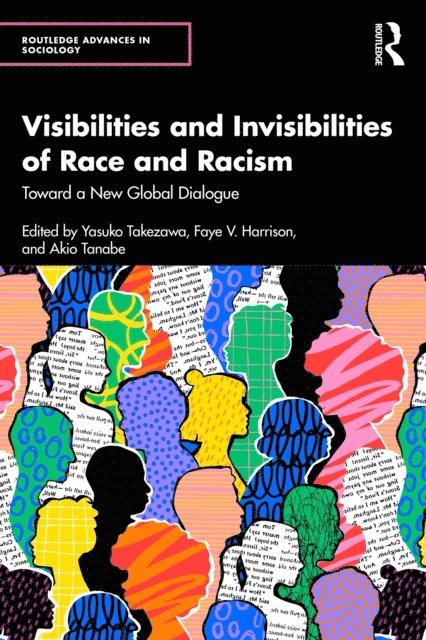
Visibilities and Invisibilities of Race and Racism
Toward a New Global Dialogue
Inbunden, Engelska, 2025
2 088 kr
Skickas inom 10-15 vardagar
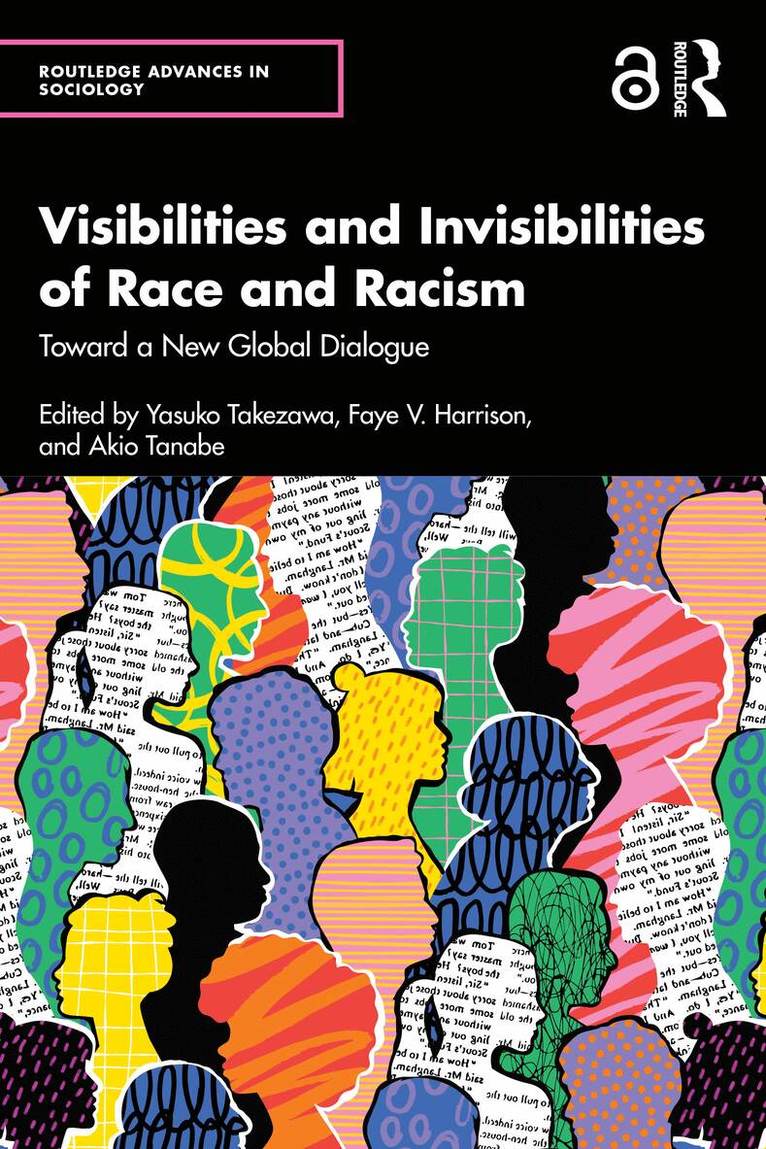
Takezawa, Harrison, Tanabe, and their contributors present a multi-sited, transnational, and intercultural perspective on racism, shifting its emphasis away from the conventional North Atlantic interpretive frameworks to better understand its fundamental nature.Racism is not a uniquely transatlantic phenomenon but, because it is most often understood within Euro-American paradigms, its salience in other contexts is often less visible. The chapters in this volume analyze the process by which fundamentally invisible differences have been made visible, and various groups and communities have been marked, essentialized, and substantialized under a range of social, political, and cultural conditions. Focusing on the space between the visible and invisible, they evaluate the dynamics by which invisible differences are rendered visible, and by which visible differences render other differences invisible. In doing so, they promote a decentering of Western-centered frameworks and elucidate continuities with and discontinuities from past era of racial antagonism and conflict. They look at case studies ranging from Japan, India, and Southeast Asia, to Iceland, the United States, and intra-“white” racism in Europe. The strength of this work lies in its exploration of the varied modalities of race and racism, particularly those that deviate from the conventional, visibly identifiable notions of race, thus broadening the understanding of racism beyond traditional paradigms.An important contribution to the re-worlding of the study of racism for scholars, researchers, and students of anthropology, sociology, ethnic studies, and intercultural studies.The Open Access version of this book, available at http://www.taylorfrancis.com, has been made available under a Creative Commons Attribution-Non Commercial-No Derivatives (CC BY-NC-ND) 4.0 license.
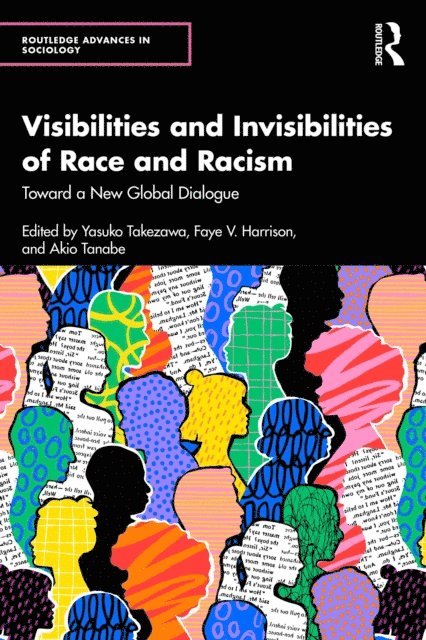
Visibilities and Invisibilities of Race and Racism
Toward a New Global Dialogue
Häftad, Engelska, 2025
576 kr
Skickas inom 10-15 vardagar
Takezawa, Harrison, Tanabe, and their contributors present a multi-sited, transnational, and intercultural perspective on racism, shifting its emphasis away from the conventional North Atlantic interpretive frameworks to better understand its fundamental nature.Racism is not a uniquely transatlantic phenomenon but, because it is most often understood within Euro-American paradigms, its salience in other contexts is often less visible. The chapters in this volume analyze the process by which fundamentally invisible differences have been made visible, and various groups and communities have been marked, essentialized, and substantialized under a range of social, political, and cultural conditions. Focusing on the space between the visible and invisible, they evaluate the dynamics by which invisible differences are rendered visible, and by which visible differences render other differences invisible. In doing so, they promote a decentering of Western-centered frameworks and elucidate continuities with and discontinuities from past era of racial antagonism and conflict. They look at case studies ranging from Japan, India, and Southeast Asia, to Iceland, the United States, and intra-“white” racism in Europe. The strength of this work lies in its exploration of the varied modalities of race and racism, particularly those that deviate from the conventional, visibly identifiable notions of race, thus broadening the understanding of racism beyond traditional paradigms.An important contribution to the re-worlding of the study of racism for scholars, researchers, and students of anthropology, sociology, ethnic studies, and intercultural studies.The Open Access version of this book, available at http://www.taylorfrancis.com, has been made available under a Creative Commons Attribution-Non Commercial-No Derivatives (CC BY-NC-ND) 4.0 license.
715 kr
Skickas inom 10-15 vardagar
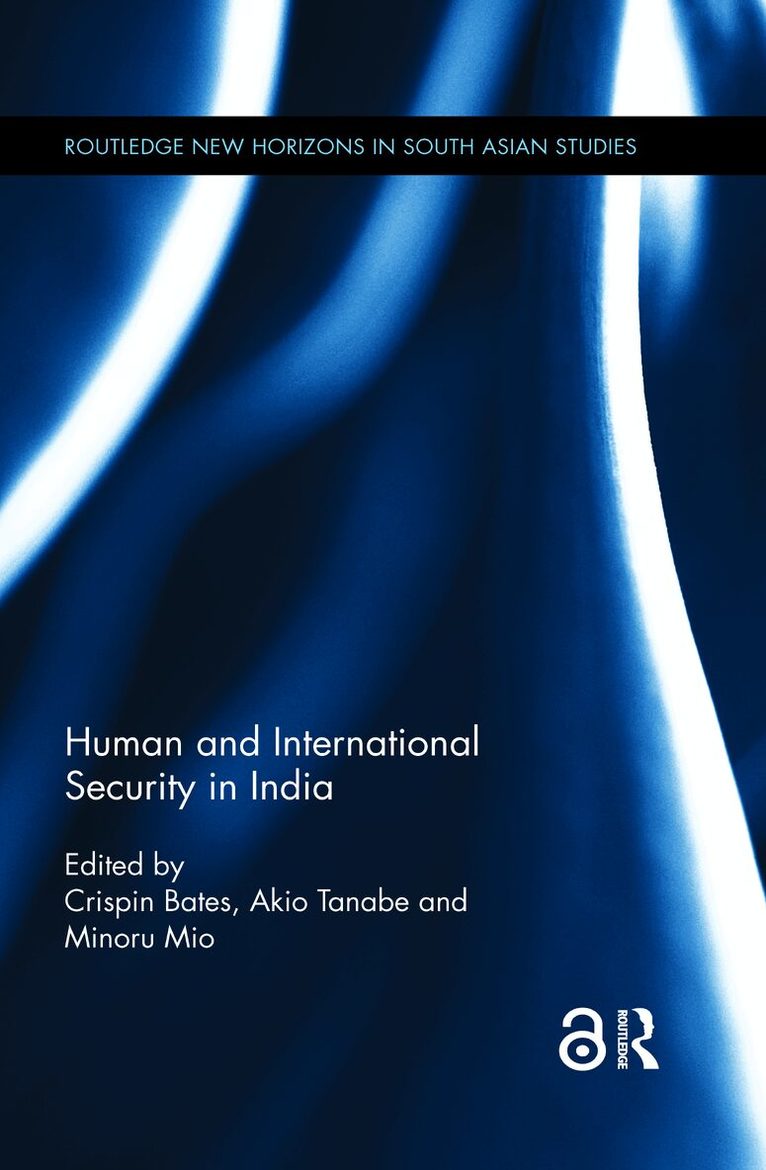
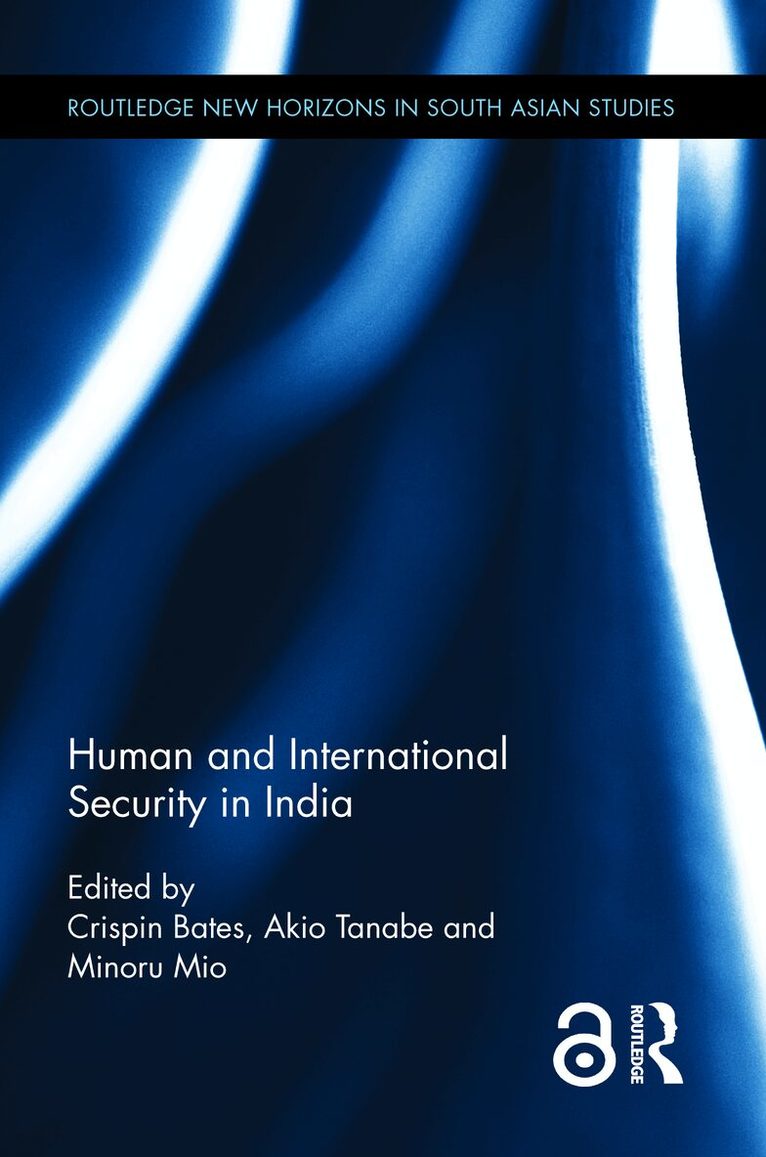
With its common colonial experience, an overarching cultural unity despite apparent diversities, and issues of nation-building cutting across national frontiers, South Asia offers a critical site on which to develop a discourse on regional security that centres on the notion of human security. This book analyses the progress that has been achieved since independence in multiple intersecting areas of human security development in India, the largest nation in South Asia, as well as considering the paradigms that might be brought to bear in future consideration and pursuance of these objectives.Providing original insights, the book analyses the idea of security based on specific human concerns cutting across state frontiers, such as socio-economic development, human rights, gender equity, environmental degradation, terrorism, democracy, and governance. It also discusses the realisation that human security and international security are inextricably inter-linked. The book gives an overview of Indian foreign policy, with particular focus on its relationship with China. It also looks at public health care in India, and issues of microfinance and gender. Democracy and violence in the country is discussed in-depth, as well as Muslim identity and community.Human and International Security in India will be of particular interest to researchers of contemporary South Asian History, South Asian Politics, Sociology and Development Studies.
2 124 kr
Skickas inom 10-15 vardagar
With its common colonial experience, an overarching cultural unity despite apparent diversities, and issues of nation-building cutting across national frontiers, South Asia offers a critical site on which to develop a discourse on regional security that centres on the notion of human security. This book analyses the progress that has been achieved since independence in multiple intersecting areas of human security development in India, the largest nation in South Asia, as well as considering the paradigms that might be brought to bear in future consideration and pursuance of these objectives.Providing original insights, the book analyses the idea of security based on specific human concerns cutting across state frontiers, such as socio-economic development, human rights, gender equity, environmental degradation, terrorism, democracy, and governance. It also discusses the realisation that human security and international security are inextricably inter-linked. The book gives an overview of Indian foreign policy, with particular focus on its relationship with China. It also looks at public health care in India, and issues of microfinance and gender. Democracy and violence in the country is discussed in-depth, as well as Muslim identity and community.Human and International Security in India will be of particular interest to researchers of contemporary South Asian History, South Asian Politics, Sociology and Development Studies.The Open Access version of this book, available at http://www.taylorfrancis.com, has been made available under a Creative Commons Attribution-Non Commercial-No Derivatives 4.0 license.