D. A. Russell – författare
Visar alla böcker från författaren D. A. Russell. Handla med fri frakt och snabb leverans.
14 produkter
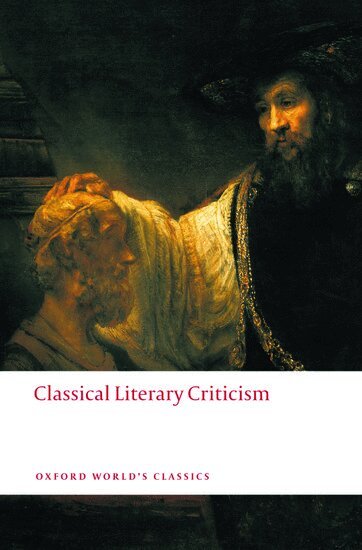
Classical Literary Criticism
Av D. A. Russell, Michael Winterbottom
Häftad, 2008
130 kr
Lägg i varukorg
This excellent and accessible work includes many major texts in translation: Aristotle's Poetics, Longinus' On Sublimity, Horace's Art of Poetry, Tacitus' Dialogues, and extracts from Plato and Plutarch. Based on the highly praised Ancient Literary Criticism (OUP, 1972), it contains a new …
Menander Rhetor
Av Menander Rhetor, D. A. Russell m. fl.
Inbunden, 1980
4549 kr
Lägg i varukorg
Menander Rhetor
Antonine Literature
Av Russell, David Ed Russell m. fl.
Inbunden, 1990
3074 kr
Lägg i varukorg
The quality as well as the historical view of the flourishing bilingual literature of the second century AD is increasingly recognized, but it has been rarely discussed with both Greek and Latin sides linked. This volume collects together eight papers which together offer a wide view of the …
Ancient Literary Criticism
The Principal Texts in New Translations
Av D. A. Russell, M. Winterbottom
Häftad, 1971
860 kr
Lägg i varukorg
Ancient literary criticism has always been a particularly inaccessible subject for the non-specialist student. This edition provides for the first time the principal texts in translation, giving the reader a full view of ancient literary criticism and its development. In addition to well-known …
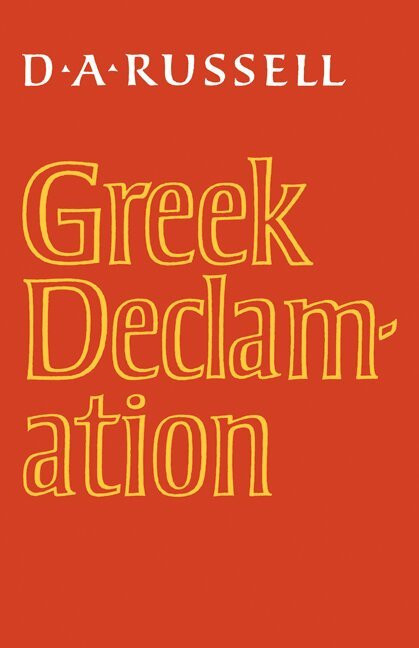
Greek Declamation
Häftad, 2009
574 kr
Lägg i varukorg
Declamation was 'a toy model of oratory' in which students composed and delivered deliberative and forensic practice speeches in character. It was not confined to the schools: the professionals gave public performances to large and critical audiences. Greco-Roman education was more or less …
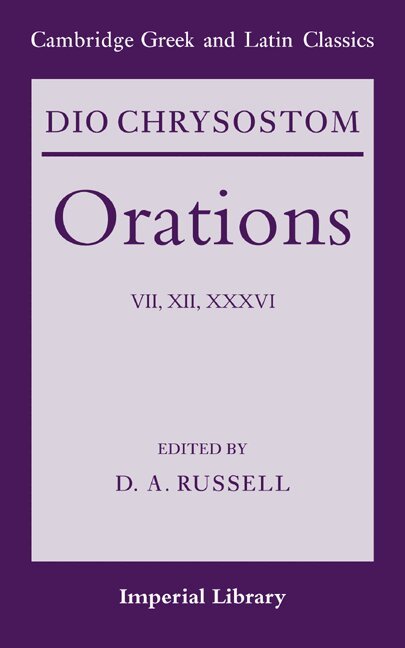
Dio Chrysostom Orations: 7, 12 and 36
Av Dio Chrysostom, D. A. Russell
Häftad, 1992
729 kr
Lägg i varukorg
Dio of Prusa, known as Dio Chrysostom, was the foremost orator in the classical world in the first century AD. This new edition, with introduction and commentary, presents three of his speeches, all of which are masterpieces of the genre and are particularly important for the intellectual history …
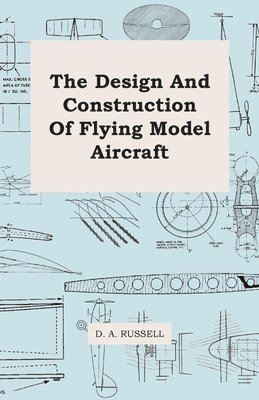
Design and Construction of Flying Model Aircraft
E-bok, 2011
147 kr
Lägg i varukorg
This book contains an accessible and novice-friendly guide to designing and constructing model aircraft. Containing step-by-step instructions and helpful diagrams, this book is highly recommended for those with an interest in model aircraft construction. It would make for a great addition to …
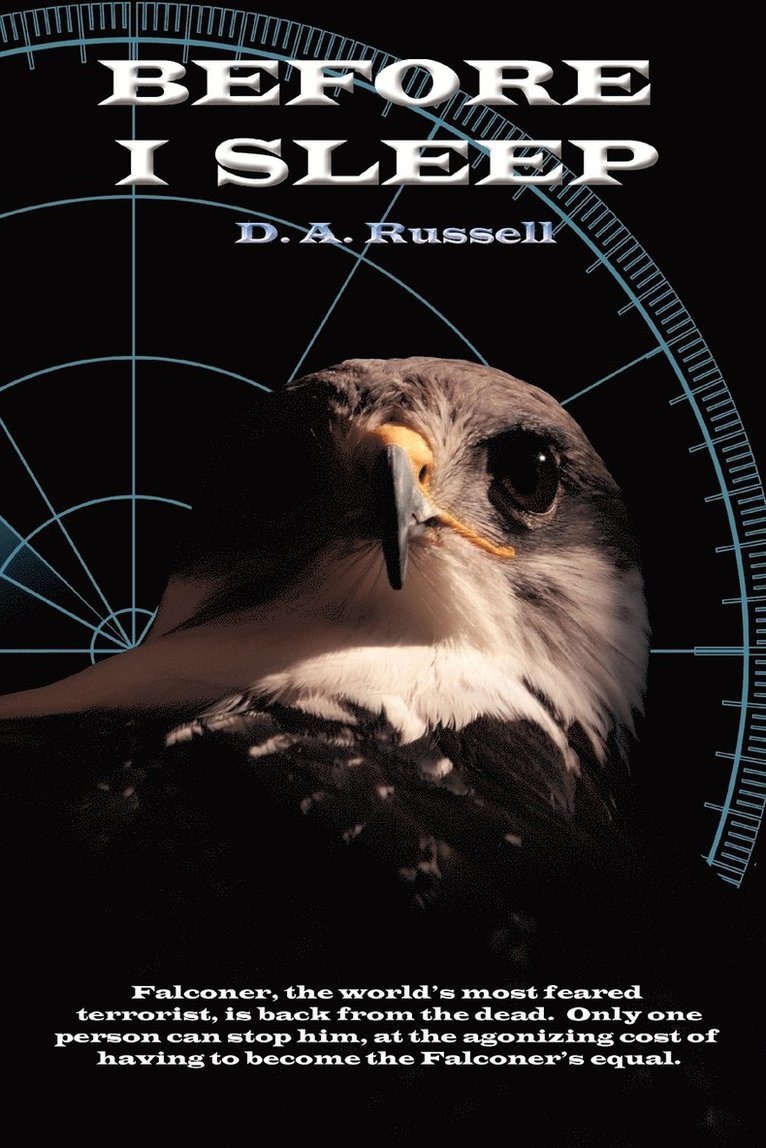
Before I Sleep
E-bok, 2012
92 kr
Lägg i varukorg
Six years after he was thought to have died, the most feared terrorist in the world has made his presence known once again, spotted in a small town north of Boston. Just knowing that he is alive is enough to shake the White House to the core, for the handful cleared to know realizes that a …
Lifting the Curtain (2nd Edition): The disgrace we call urban high school education
Häftad
204 kr
Lägg i varukorg
Criticism in Antiquity
Häftad, 1998
494 kr
Lägg i varukorg
The remains of classical literature contain a good deal of scattered literary theory, however difficult it may be to divine a consistent view among the conflicting interests of scholars, moralists and teachers of rhetoric. This book attempts to analyze the main themes against their historical …
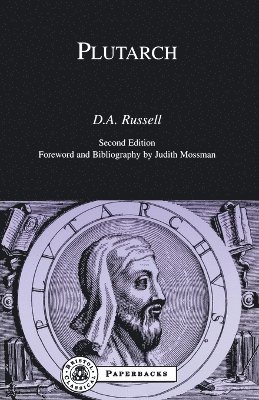
Plutarch
Häftad, 2001
429 kr
Lägg i varukorg
Plutarch's "Lives" and "Morals" are among the formative books of western civilisation, Written around AD 100, in Greece under Roman rule, they reflect conditions of that time: not only the political limitations, but - more importantly - the rich inheritance of post-classical as well as classical …