D. Katic – författare
Visar alla böcker från författaren D. Katic. Handla med fri frakt och snabb leverans.
3 produkter
3 produkter
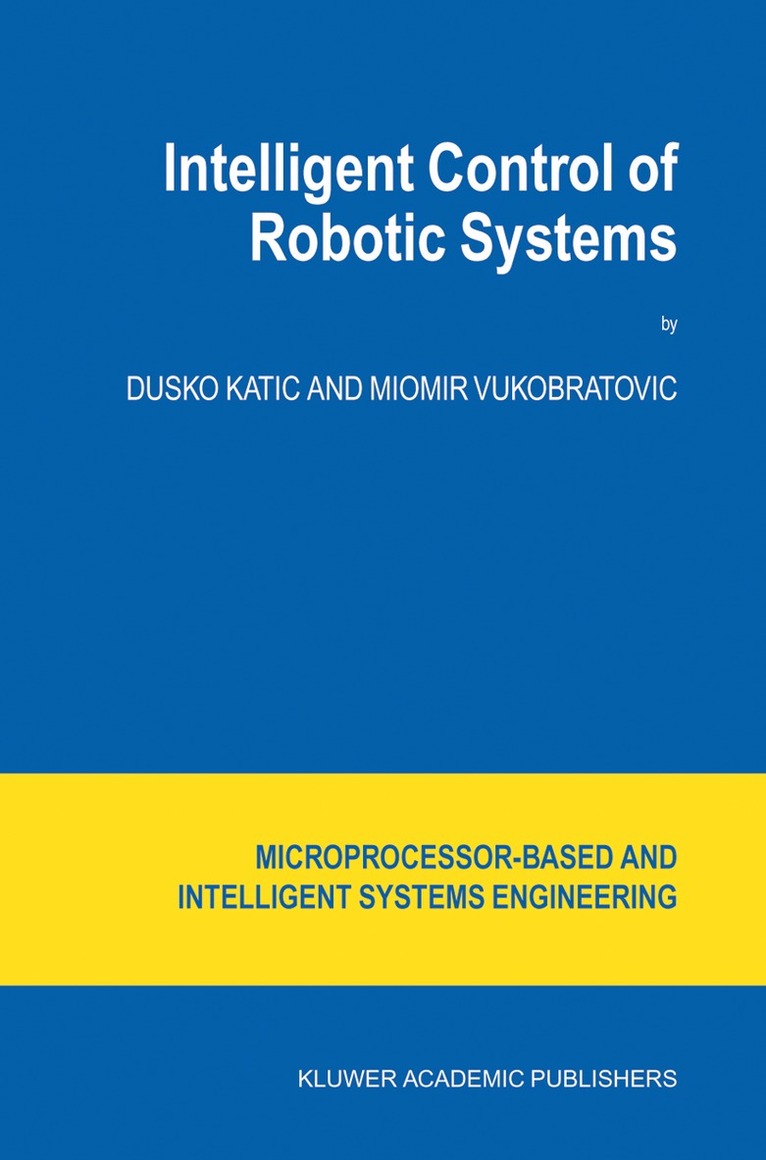
Inbunden, Engelska, 2003
1 619 kr
Skickas inom 10-15 vardagar
This text provides a strong coverage of both the theoretical and application aspects of neural networks, fuzzy logic, genetic algorithms and hybrid intelligent techniques in robotics. Specific emphasis in the research work is given on the development of new efficient learning rules for robotic connectionist training and synthesis of neural learning algorithms for low-level control in the domain of robotic compliance tasks. The book contains several different examples of applications based on neural and hybrid intelligent techniques. The book: provides the theoretical background an a survey of most up-to-date developments in this rapidly growing application area of intelligent control of robotic systems; focuses on research in connectionist and hybrid intelligent techniques, directly applicable to control or making use of modern control theory in robotics; takes a new approach to the synthesis of learning and classification of control laws for robotic compliance tasks, together with the appropriate application examples.This text should be useful to a wide audience of engineers, ranging from undergraduate and graduate students, new and advanced academic researchers, to the practitioners (mechanical and electrical engineers, computer and systems scientists).
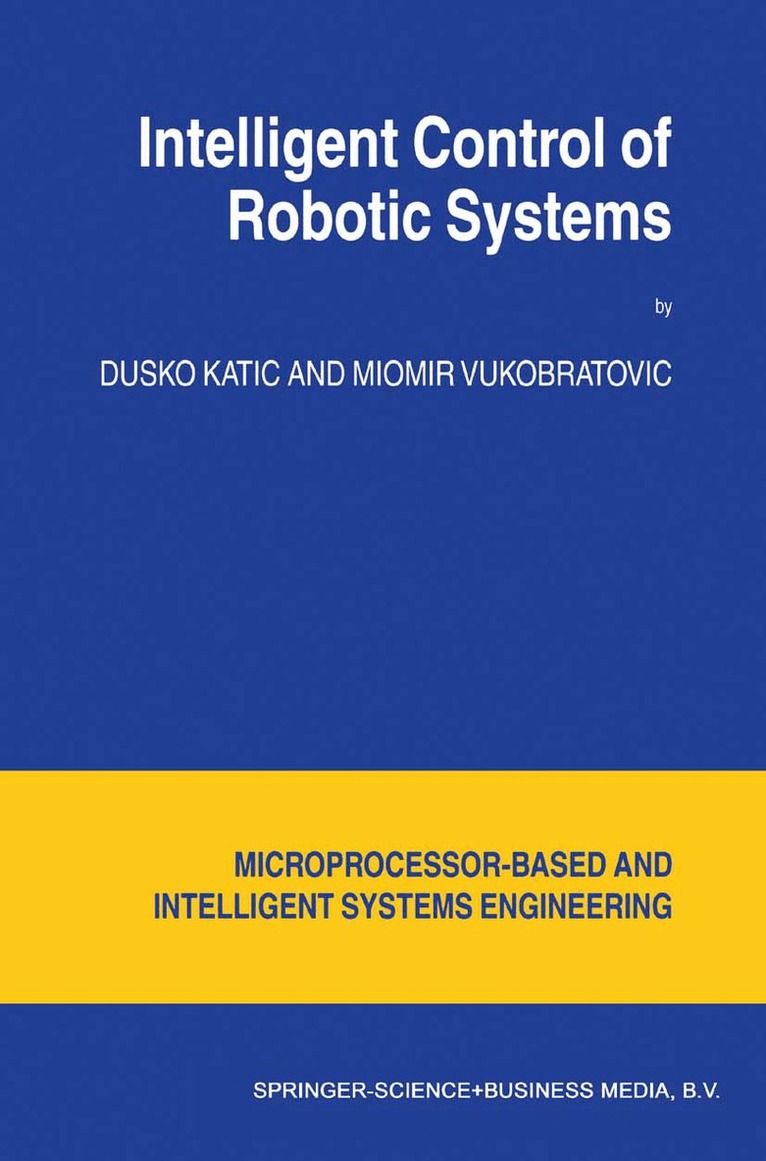
Häftad, Engelska, 2010
1 605 kr
Skickas inom 10-15 vardagar
This book provides a strong coverage of both the theoretical and application aspects of neural networks, fuzzy logic, genetic algorithms and hybrid intelligent techniques in robotics. Specific emphasis in the research work is given on the development of new efficient learning rules for robotic connectionist training and synthesis of neural learning algorithms for low-level control in the domain of robotic compliance tasks. The book contains several different examples of applications based on neural and hybrid intelligent techniques.
E-bok
PDF, Engelska, 20131 977 kr
Läs direkt efter köp
As robotic systems make their way into standard practice, they have opened the door to a wide spectrum of complex applications. Such applications usually demand that the robots be highly intelligent. Future robots are likely to have greater sensory capabilities, more intelligence, higher levels of manual dexter ity, and adequate mobility, compared to humans. In order to ensure high-quality control and performance in robotics, new intelligent control techniques must be developed, which are capable of coping with task complexity, multi-objective decision making, large volumes of perception data and substantial amounts of heuristic information. Hence, the pursuit of intelligent autonomous robotic systems has been a topic of much fascinating research in recent years. On the other hand, as emerging technologies, Soft Computing paradigms consisting of complementary elements of Fuzzy Logic, Neural Computing and Evolutionary Computation are viewed as the most promising methods towards intelligent robotic systems. Due to their strong learning and cognitive ability and good tolerance of uncertainty and imprecision, Soft Computing techniques have found wide application in the area of intelligent control of robotic systems.