D. Pletcher – författare
Visar alla böcker från författaren D. Pletcher. Handla med fri frakt och snabb leverans.
5 produkter
5 produkter
Inbunden, Engelska, 1990
4 854 kr
Skickas inom 10-15 vardagar
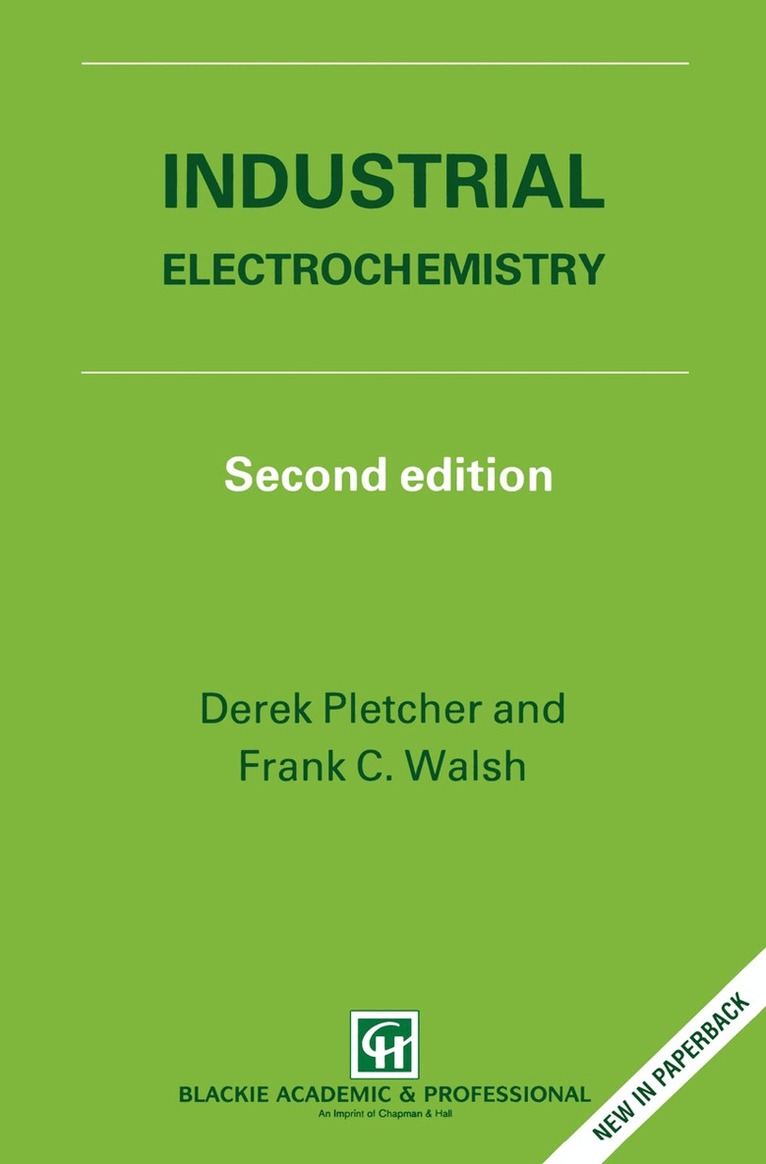
A manual of electrochemical technology which aims to build a bridge from fundamental electrochemistry and electrochemical engineering to industrial electochemistry by demonstrating how an understanding of the fundamentals is essential to the efficient design and operation of the process. The new edition of "Industrial Electrochemistry" begins with a discussion of fundamental concepts and then a much expanded chapter of electrochemical engineering. All chapters have been fully updated to take account of recent developments in the industry, and there is a new chapter on electrochemical sensors and monitoring techniques.
Häftad, Engelska, 1993
1 838 kr
Skickas inom 10-15 vardagar
The objective of this second edition remains the discussion of the many diverse roles of electrochemical technology in industry. Throughout the book, the intention is to emphasize that the applications, though extremely diverse, all are on the same principles of electrochemistry and electrochemical engineer based ing. Those familiar with the first edition will note a significant increase in the number of pages. The most obvious addition is the separate chapter on electrochemical sensors but, in fact, all chapters have been reviewed thoroughly and many have been altered substantially. These changes to the book partly reflect the different view of a second author as well as comments from students and friends. Also, they arise inevitably from the vitality and strength of electrochemical technology; in addition to important improvements in tech nology, new electrolytic processes and electrochemical devices continue to be reported. In the preface to the first edition it was stated: . . . the future for electrochemical technology is bright and there is a general expectation that new applications of electrochemistry will become economic as the world responds to the challenge of more expensive energy, of the need to develop new materials and to exploit different chemical feedstocks and of the necessity to protect the environment. The preparation of this second edition, seven years after these words were written, provided an occasion to review the progress of industrial electro chemistry.
E-bok
PDF, Engelska, 2001981 kr
Läs direkt efter köp
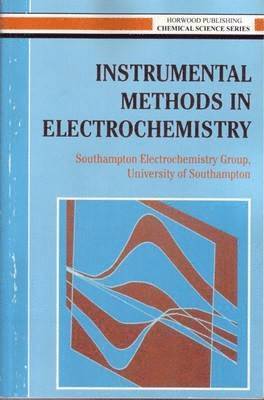
Using 372 references and 211 illustrations, this book underlines the fundamentals of electrochemistry essential to the understanding of laboratory experiments. It treats not only the fundamental concepts of electrode reactions, but also covers the methodology and practical application of the many versatile electrochemical techniques available.- Underlines the fundamentals of electrochemistry essential to the understanding of laboratory experiments- Treats the fundamental concepts of electrode reactions- Covers the methodology and practical application of the many versatile electrochemical techniques available
Häftad, Engelska, 2001
904 kr
Skickas inom 10-15 vardagar
Using 372 references and 211 illustrations, this book underlines the fundamentals of electrochemistry essential to the understanding of laboratory experiments. It treats not only the fundamental concepts of electrode reactions, but also covers the methodology and practical application of the many versatile electrochemical techniques available.
E-bok
PDF, Engelska, 20122 358 kr
Läs direkt efter köp
The objective of this second edition remains the discussion of the many diverse roles of electrochemical technology in industry. Throughout the book, the intention is to emphasize that the applications, though extremely diverse, all are on the same principles of electrochemistry and electrochemical engineer based ing. Those familiar with the first edition will note a significant increase in the number of pages. The most obvious addition is the separate chapter on electrochemical sensors but, in fact, all chapters have been reviewed thoroughly and many have been altered substantially. These changes to the book partly reflect the different view of a second author as well as comments from students and friends. Also, they arise inevitably from the vitality and strength of electrochemical technology; in addition to important improvements in tech nology, new electrolytic processes and electrochemical devices continue to be reported. In the preface to the first edition it was stated: . . . the future for electrochemical technology is bright and there is a general expectation that new applications of electrochemistry will become economic as the world responds to the challenge of more expensive energy, of the need to develop new materials and to exploit different chemical feedstocks and of the necessity to protect the environment. The preparation of this second edition, seven years after these words were written, provided an occasion to review the progress of industrial electro chemistry.