Daniel Beben - Böcker
Visar alla böcker från författaren Daniel Beben. Handla med fri frakt och snabb leverans.
3 produkter
3 produkter
1 123 kr
Skickas inom 7-10 vardagar
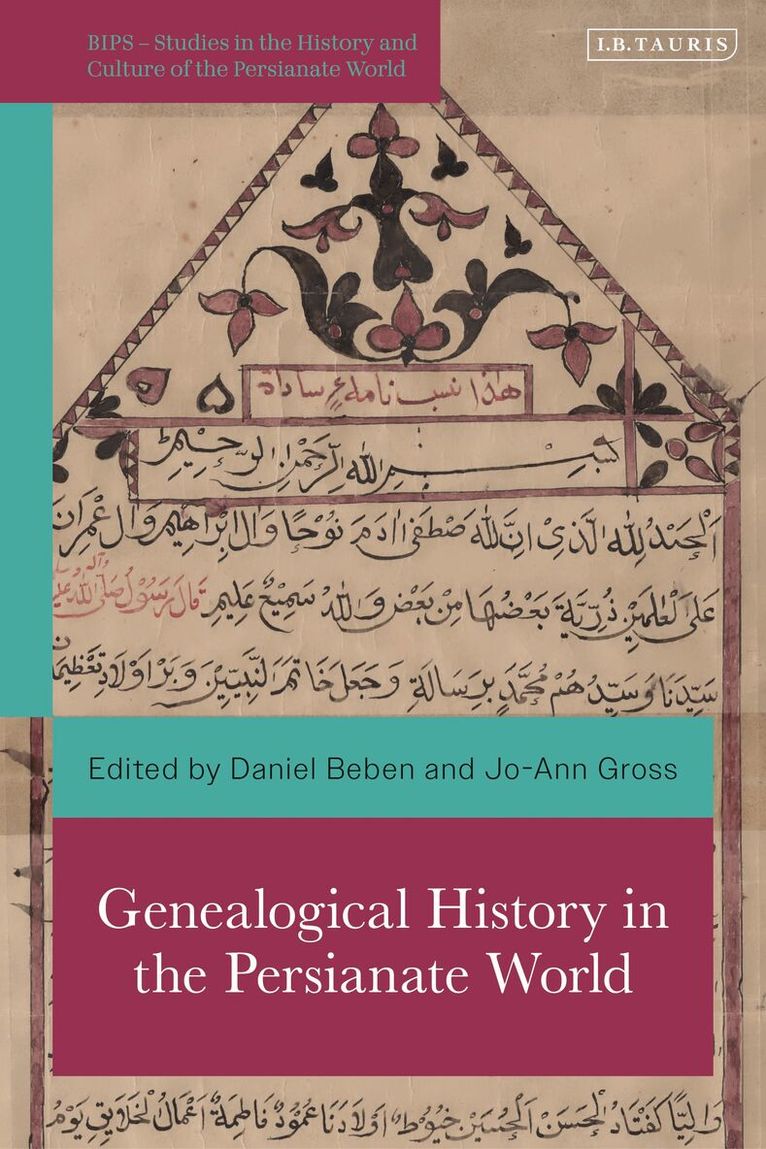
Scholarship on the Muslim world has recently begun to pay increased attention to non-literary genres of documentation as sources for historical research. Genealogical writings are one form of such documentation that has demonstrated significant potential for addressing a wide range of research concerns, particularly for topics that receive little attention in historical chronicles and other state-centered narrative sources. However, while genealogical documentation has received some attention in scholarship on the Arab world, it remains mostly unstudied in scholarship on Persianate societies. The chapters in this book offer reflections on theoretical and methodological issues concerning the study of genealogical documentation, combined with case studies based primarily on previously unpublished, unstudied source materials. The topics explored span the full breadth of the Persianate world, from Anatolia to the Ferghana Valley in Central Asia to the Gujarat region of India, utilizing sources dating from the fourteenth to the twentieth century. The book will be of significant interest to scholars and students of Islamic history and the Persianate ecumene as well as readers in other fields interested in comparative research demonstrating the use of genealogical documentation as historical sources.
484 kr
Kommande
Scholarship on the Muslim world has recently begun to pay increased attention to non-literary genres of documentation as sources for historical research. Genealogical writings are one form of such documentation that has demonstrated significant potential for addressing a wide range of research concerns, particularly for topics that receive little attention in historical chronicles and other state-centered narrative sources. However, while genealogical documentation has received some attention in scholarship on the Arab world, it remains mostly unstudied in scholarship on Persianate societies. The chapters in this book offer reflections on theoretical and methodological issues concerning the study of genealogical documentation, combined with case studies based primarily on previously unpublished, unstudied source materials. The topics explored span the full breadth of the Persianate world, from Anatolia to the Ferghana Valley in Central Asia to the Gujarat region of India, utilizing sources dating from the fourteenth to the twentieth century. The book will be of significant interest to scholars and students of Islamic history and the Persianate ecumene as well as readers in other fields interested in comparative research demonstrating the use of genealogical documentation as historical sources.
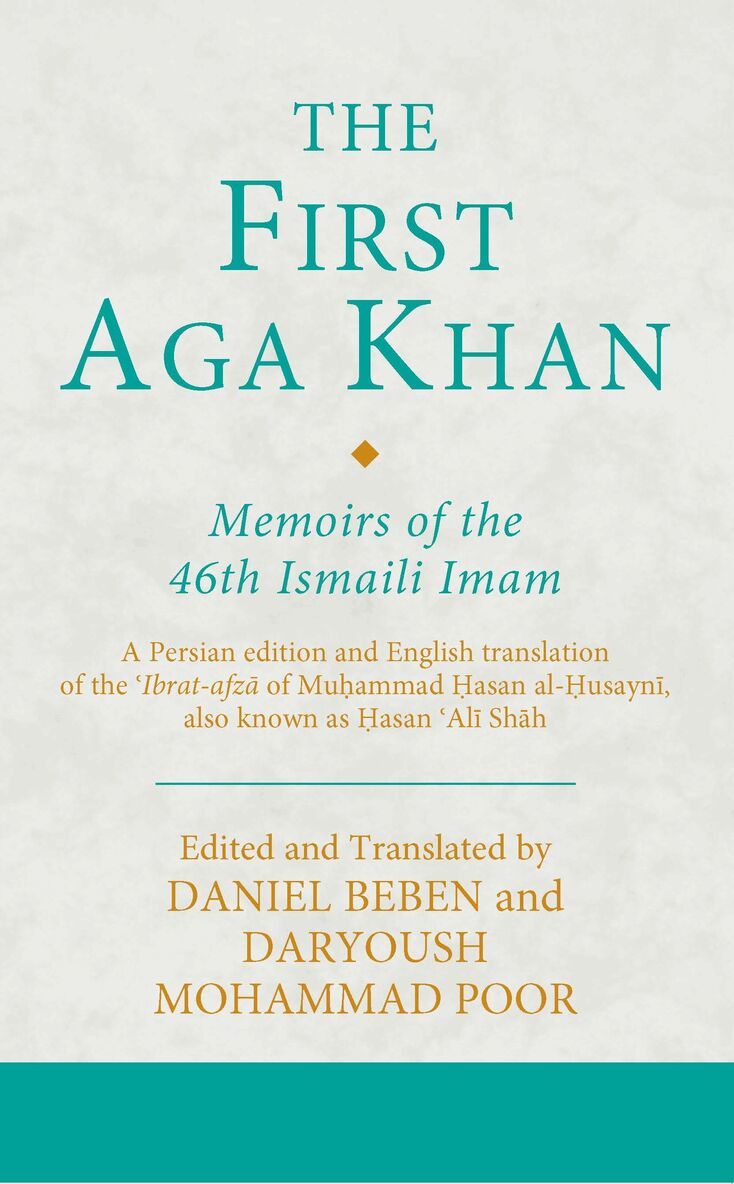
First Aga Khan: Memoirs of the 46th Ismaili Imam
A Persian edition and English translation of the 'Ibrat-afza of Muhammad Hasan al-Husayni also known as Hasan 'Ali Shah
Inbunden, Engelska, 2018
589 kr
Skickas inom 10-15 vardagar
The ebook editions of this book are available open access under a [CC BY-NC-ND 4.0] licence on bloomsburycollections.com. Open access was funded by Islamic Publications Ltd. I.B. Tauris in association with the Institute of Ismaili StudiesMuhammad Hasan al-Husayni, also known as Hasan 'Ali Shah and, more generally, as the Aga Khan (1804-1881), was the 46th Imam of the Nizari Ismailis and the first Ismaili Imam to bear the title of Aga Khan, bestowed on him by the contemporary Qajar monarch of Persia. This book is the first English translation of his memoirs, the 'Ibrat-afza, `A Book of Exhortation, or Example', and includes a new edition of the Persian text and a detailed introduction to the work and its context. The 'Ibrat-afza was composed in the year 1851, following the Ismaili Imam's departure from Persia and his permanent settlement in India. The text recounts the Aga Khan's early life and political career as the governor of the province of Kirman in Persia, and narrates the dramatic events of his conflict with the Qajar establishment followed by his subsequent travels and exploits in Afghanistan and British India. The 'Ibrat-afza provides a rare example of an autobiographical account from an Ismaili Imam and a first-hand perspective on the regional politics of the age. It offers a window into the history of the Ismailis of Persia, India and Central Asia at the dawn of the modern era of their history. Consequently, the book will be of great interest to both researchers and general readers interested in Ismaili history and in the history of the Islamic world in the nineteenth century.