Daniel M. Weary – författare
Visar alla böcker från författaren Daniel M. Weary. Handla med fri frakt och snabb leverans.
7 produkter
7 produkter
Inbunden, Engelska, 2007
2 174 kr
Skickas inom 10-15 vardagar
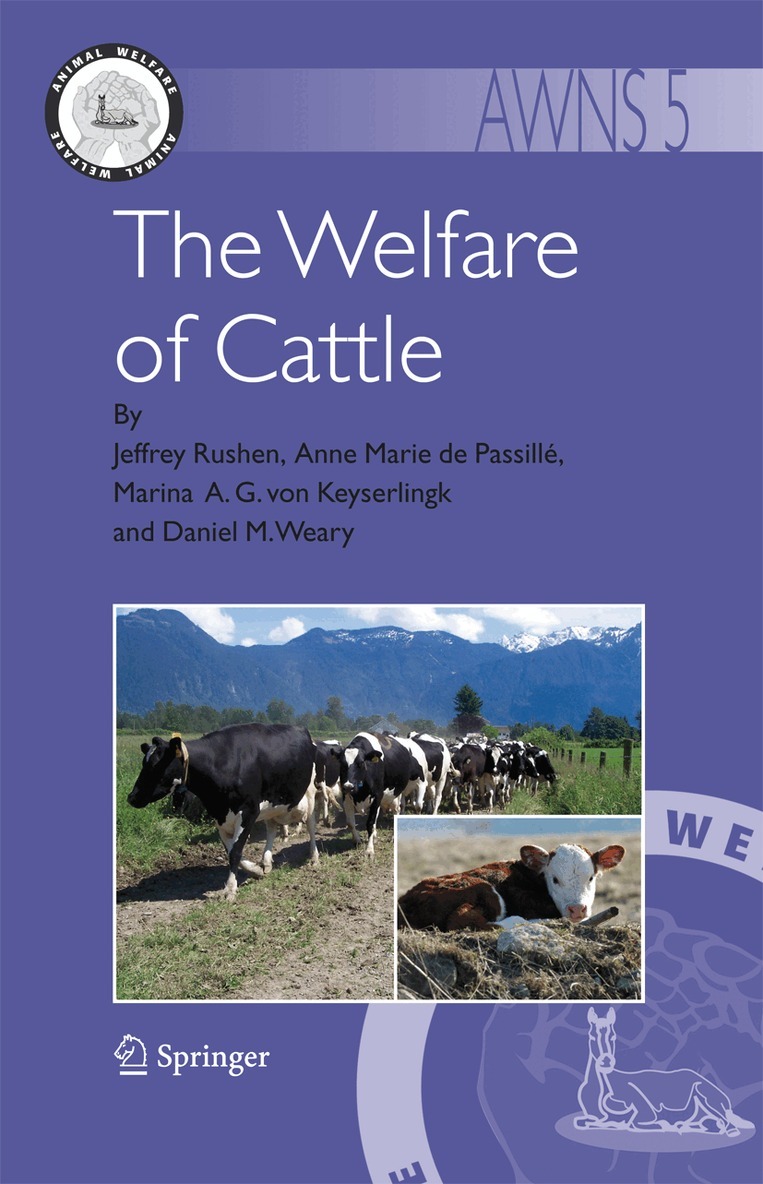
Animal welfare is attracting increasing interest worldwide, but particularly from those in developed countries, who now have the knowledge and resources to be able to offer the best management systems for their farm animals, as well as potentially being able to offer plentiful resources for companion, zoo and laboratory animals. The increased attention given to farm animal welfare in the West derives largely from the fact that the relentless pursuit of financial reward and efficiency has led to the development of intensive animal production systems that challenge the conscience of many consumers in those countries. In developing countries, human survival is still a daily uncertainty, so that provision for animal welfare has to be balanced against human welfare. Welfare is usually provided for only if it supports the output of the animal, be it food, work, clothing, sport or companionship. In re- ity, there are resources for all if they are properly husbanded in both developing and developed countries. The inequitable division of the world’s riches creates physical and psychological poverty for humans and animals alike in many parts of the world. Livestock are the world’s biggest land user (FAO, 2002) and the population is increasing rapidly to meet the need of an expanding human population. Populations of farm animals managed by humans are therefore increasing worldwide, and there is the tendency to allocate fewer resources to each animal.
E-bok
PDF, Engelska, 20072 822 kr
Läs direkt efter köp
Animal welfare is attracting increasing interest worldwide, but particularly from those in developed countries, who now have the knowledge and resources to be able to offer the best management systems for their farm animals, as well as potentially being able to offer plentiful resources for companion, zoo and laboratory animals. The increased attention given to farm animal welfare in the West derives largely from the fact that the relentless pursuit of financial reward and efficiency has led to the development of intensive animal production systems that challenge the conscience of many consumers in those countries. In developing countries, human survival is still a daily uncertainty, so that provision for animal welfare has to be balanced against human welfare. Welfare is usually provided for only if it supports the output of the animal, be it food, work, clothing, sport or companionship. In re- ity, there are resources for all if they are properly husbanded in both developing and developed countries. The inequitable division of the world’s riches creates physical and psychological poverty for humans and animals alike in many parts of the world. Livestock are the world’s biggest land user (FAO, 2002) and the population is increasing rapidly to meet the need of an expanding human population. Populations of farm animals managed by humans are therefore increasing worldwide, and there is the tendency to allocate fewer resources to each animal.
Inbunden, Engelska, 2014
1 403 kr
Skickas inom 5-8 vardagar
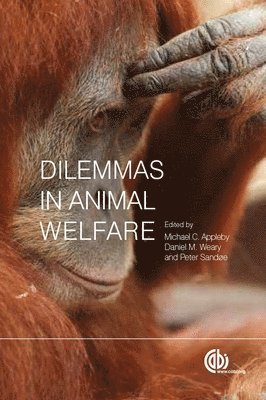
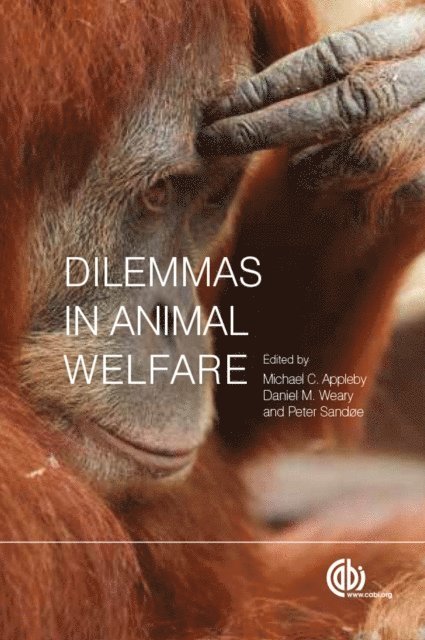
There are many ongoing debates within and about the subject of animal welfare. This book distils some of the major themes of current debate into one volume, edited by internationally known names in the field of animal welfare. Each chapter is written by one or more leading experts who discuss, in an even-handed way, a provocative topic that will be of interest to anyone concerned with animal welfare. Issues covered include tail docking, farm animal production, neutering of feral cats and the need to conserve habitats of native wild animals in the face of threats from non-native species. Chapters address the different values and priorities involved in dealing with these issues, including scientific and more explicit ethical approaches. Each chapter ends with questions for discussion that may help readers to engage with these dilemmas.
E-bok
PDF, Engelska, 2014680 kr
Läs direkt efter köp
There are many ongoing debates within and about the subject of animal welfare. This book distils some of the major themes of current debate into one volume, edited by internationally known names in the field of animal welfare. Each chapter is written by one or more leading experts who discuss, in an even-handed way, a provocative topic that will be of interest to anyone concerned with animal welfare. Issues covered include tail docking, farm animal production, neutering of feral cats and the need to conserve habitats of native wild animals in the face of threats from non-native species. Chapters address the different values and priorities involved in dealing with these issues, including scientific and more explicit ethical approaches. Each chapter ends with questions for discussion that may help readers to engage with these dilemmas.
Häftad, Engelska, 2016
685 kr
Skickas inom 5-8 vardagar
There are many ongoing debates within and about the subject of animal welfare. This book distils some of the major themes of current debate into one volume, edited by internationally known names in the field of animal welfare. Each chapter is written by one or more leading experts who discuss, in an even-handed way, a provocative topic that will be of interest to anyone concerned with animal welfare. Issues covered include tail docking, farm animal production, neutering of feral cats and the need to conserve habitats of native wild animals in the face of threats from non-native species. Chapters address the different values and priorities involved in dealing with these issues, including scientific and more explicit ethical approaches. Each chapter ends with questions for discussion that may help readers to engage with these dilemmas.
E-bok
Engelska, 2014708 kr
Läs direkt efter köp
There are many ongoing debates within and about the subject of animal welfare. This book distils some of the major themes of current debate into one volume, edited by internationally known names in the field of animal welfare. Each chapter is written by one or more leading experts who discuss, in an even-handed way, a provocative topic that will be of interest to anyone concerned with animal welfare. Issues covered include tail docking, farm animal production, neutering of feral cats and the need to conserve habitats of native wild animals in the face of threats from non-native species. Chapters address the different values and priorities involved in dealing with these issues, including scientific and more explicit ethical approaches. Each chapter ends with questions for discussion that may help readers to engage with these dilemmas.
Häftad, Engelska, 2010
2 138 kr
Skickas inom 5-8 vardagar
Animal welfare is attracting increasing interest worldwide, but particularly from those in developed countries, who now have the knowledge and resources to be able to offer the best management systems for their farm animals, as well as potentially being able to offer plentiful resources for companion, zoo and laboratory animals. The increased attention given to farm animal welfare in the West derives largely from the fact that the relentless pursuit of financial reward and efficiency has led to the development of intensive animal production systems that challenge the conscience of many consumers in those countries. In developing countries, human survival is still a daily uncertainty, so that provision for animal welfare has to be balanced against human welfare. Welfare is usually provided for only if it supports the output of the animal, be it food, work, clothing, sport or companionship. In re- ity, there are resources for all if they are properly husbanded in both developing and developed countries. The inequitable division of the world’s riches creates physical and psychological poverty for humans and animals alike in many parts of the world. Livestock are the world’s biggest land user (FAO, 2002) and the population is increasing rapidly to meet the need of an expanding human population. Populations of farm animals managed by humans are therefore increasing worldwide, and there is the tendency to allocate fewer resources to each animal.