Daniel Maudlin – författare
342 kr
Läs direkt efter köp
342 kr
Läs direkt efter köp
420 kr
Skickas inom 5-8 vardagar
2 773 kr
Skickas inom 10-15 vardagar
866 kr
Skickas inom 10-15 vardagar
750 kr
Skickas inom 10-15 vardagar
674 kr
Skickas inom 10-15 vardagar
2 511 kr
Skickas inom 10-15 vardagar
793 kr
Läs direkt efter köp
793 kr
Läs direkt efter köp
883 kr
Läs direkt efter köp
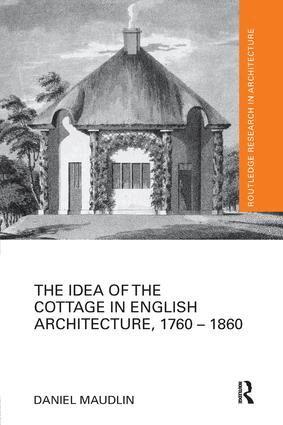
The Idea of the Cottage in English Architecture is a history of the late Georgian phenomenon of the architect-designed cottage and the architectural discourse that articulated it. It is a study of small buildings built on country estates, and not so small buildings built in picturesque rural settings, resort towns and suburban developments.
At the heart of the English idea of the cottage is the Classical notion of retreat from the city to the countryside. This idea was adopted and adapted by the Augustan-infused culture of eighteenth-century England where it gained popularity with writers, artists, architects and their wealthy patrons who from the later eighteenth century commissioned retreats, gate-lodges, estate workers'' housing and seaside villas designed to ''appear as cottages''.
The enthusiasm for cottages within polite society did not last. By the mid-nineteenth century, cottage-related building and book publishing had slowed and the idea of the cottage itself was eventually lost beneath the Tudor barge-boards and decorative chimneystacks of the Historic Revival. And yet while both designer and consumer have changed over time, the idea of the cottage as the ideal rural retreat continues to resonate through English architecture and English culture.
883 kr
Läs direkt efter köp
The Idea of the Cottage in English Architecture is a history of the late Georgian phenomenon of the architect-designed cottage and the architectural discourse that articulated it. It is a study of small buildings built on country estates, and not so small buildings built in picturesque rural settings, resort towns and suburban developments.
At the heart of the English idea of the cottage is the Classical notion of retreat from the city to the countryside. This idea was adopted and adapted by the Augustan-infused culture of eighteenth-century England where it gained popularity with writers, artists, architects and their wealthy patrons who from the later eighteenth century commissioned retreats, gate-lodges, estate workers'' housing and seaside villas designed to ''appear as cottages''.
The enthusiasm for cottages within polite society did not last. By the mid-nineteenth century, cottage-related building and book publishing had slowed and the idea of the cottage itself was eventually lost beneath the Tudor barge-boards and decorative chimneystacks of the Historic Revival. And yet while both designer and consumer have changed over time, the idea of the cottage as the ideal rural retreat continues to resonate through English architecture and English culture.
1 022 kr
Läs direkt efter köp
Projecting forward in time from the processes of design and construction that are so often the focus of architectural discourse, Consuming Architecture examines the variety of ways in which buildings are consumed after they have been produced, focusing in particular on processes of occupation, appropriation and interpretation. Drawing on contributions by architects, historians, anthropologists, literary critics, artists, film-makers, photographers and journalists, it shows how the consumption of architecture is a dynamic and creative act that involves the creation and negotiation of meanings and values by different stakeholders and that can be expressed in different voices. In so doing, it challenges ideas of what constitutes architecture, architectural discourse and architectural education, how we understand and think about it, and who can claim ownership of it.
Consuming Architecture is aimed at students in architectural education and will also be of interest to students and researchers from disciplines that deal with architecture in terms of consumption and material culture.
1 022 kr
Läs direkt efter köp
Projecting forward in time from the processes of design and construction that are so often the focus of architectural discourse, Consuming Architecture examines the variety of ways in which buildings are consumed after they have been produced, focusing in particular on processes of occupation, appropriation and interpretation. Drawing on contributions by architects, historians, anthropologists, literary critics, artists, film-makers, photographers and journalists, it shows how the consumption of architecture is a dynamic and creative act that involves the creation and negotiation of meanings and values by different stakeholders and that can be expressed in different voices. In so doing, it challenges ideas of what constitutes architecture, architectural discourse and architectural education, how we understand and think about it, and who can claim ownership of it.
Consuming Architecture is aimed at students in architectural education and will also be of interest to students and researchers from disciplines that deal with architecture in terms of consumption and material culture.
1 334 kr
Kommande
521 kr
Kommande
2 269 kr
Skickas inom 10-15 vardagar
509 kr
Skickas inom 10-15 vardagar
416 kr
Läs direkt efter köp
1 299 kr
Läs direkt efter köp
Inner empire
Architecture and Imperialism in the British Isles, 1550-1950
1 298 kr
Skickas inom 5-8 vardagar
Inner empire
Architecture and Imperialism in the British Isles, 1550-1950
514 kr
Skickas inom 5-8 vardagar
277 kr
Läs direkt efter köp
1 003 kr
Läs direkt efter köp