Daniel Runde – författare
Visar alla böcker från författaren Daniel Runde. Handla med fri frakt och snabb leverans.
3 produkter
3 produkter
Häftad, Engelska, 2014
587 kr
Skickas inom 10-15 vardagar
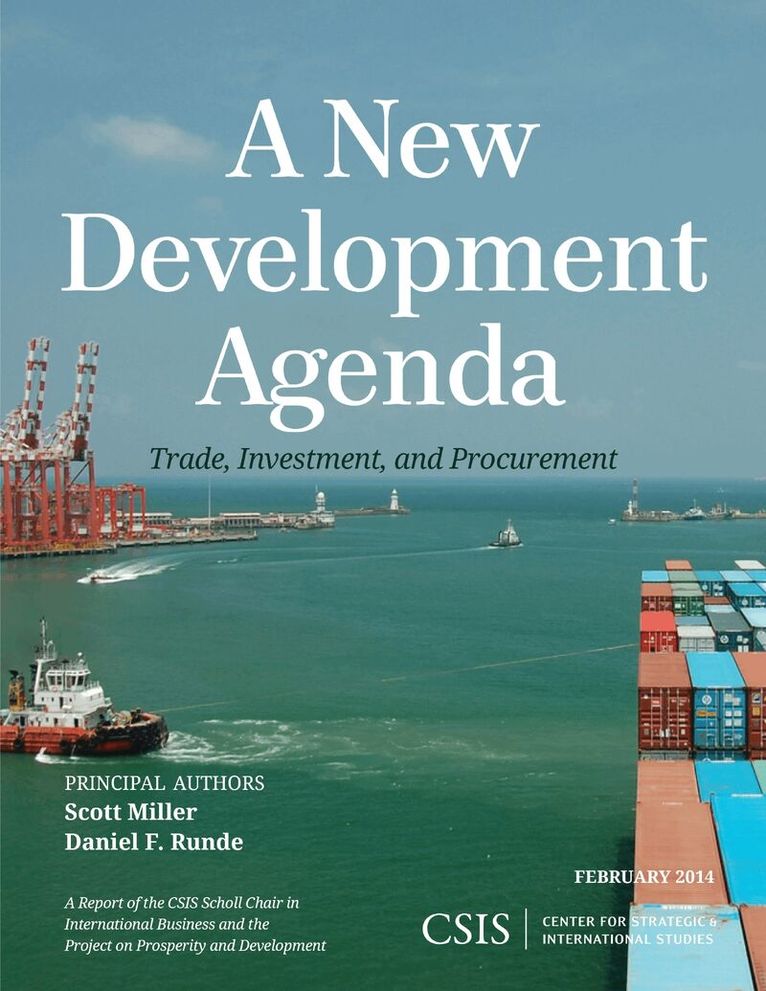
The link between economic development and state security has been well documented. As policymakers consider that link, the model for international development in the twenty-first century must include both governments and the private sector. In this new report, the CSIS Scholl Chair in International Business and the CSIS Project on Prosperity and Development examine the myriad ways that the private sector can engage emerging markets. Inasmuch as demand for private capital exceeds supply, those economies that enhance investor return and minimize security risk will be most successful in attracting private investment. The report’s authors examine the potential implications of trade, investment, and procurement in propelling economic development and the collaborative efforts of the public and private sectors needed to achieve the desired gains.
E-bok
Engelska, 2014636 kr
Läs direkt efter köp
The link between economic development and state security has been well documented. As policymakers consider that link, the model for international development in the twenty-first century must include both governments and the private sector. In this new report, the CSIS Scholl Chair in International Business and the CSIS Project on Prosperity and Development examine the myriad ways that the private sector can engage emerging markets. Inasmuch as demand for private capital exceeds supply, those economies that enhance investor return and minimize security risk will be most successful in attracting private investment. The report’s authors examine the potential implications of trade, investment, and procurement in propelling economic development and the collaborative efforts of the public and private sectors needed to achieve the desired gains.
E-bok
Engelska, 2019620 kr
Läs direkt efter köp
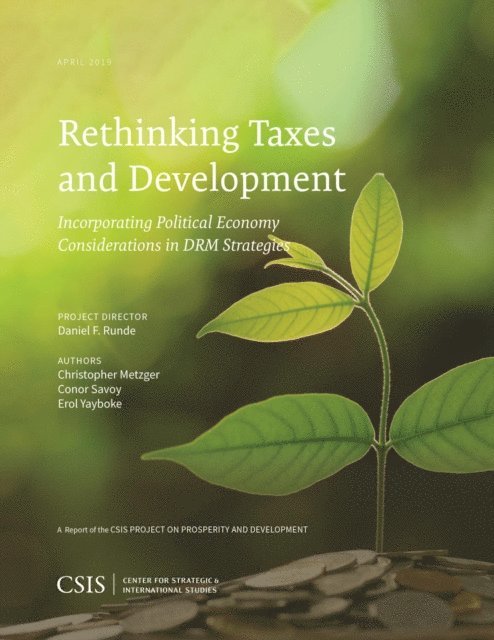
This report from the CSIS Project on Prosperity and Development looks at the domestic resource mobilization (DRM) reforms in developing countries through a political economy lens. As countries mobilize more resources to fund their governments and services, they can think more strategically about transitioning from a reliance on foreign aid to more mutually beneficial relationships with foreign countries. There are structural challenges to mobilizing domestic resources that long have been the focus of DRM efforts; however, addressing the political economy and structural challenges will be critical in the face of increased need and plateauing levels of foreign aid. It is critical that development approaches create the foundational capabilities and systems necessary to capitalize on political windows of opportunity.