Daniel Siemens - Böcker
Visar alla böcker från författaren Daniel Siemens. Handla med fri frakt och snabb leverans.
19 produkter
19 produkter
Writing Against Hitler
Hermann Budzislawski and the Making of Twentieth-Century Socialism
Inbunden, Engelska, 2025
886 kr
Skickas inom 10-15 vardagar
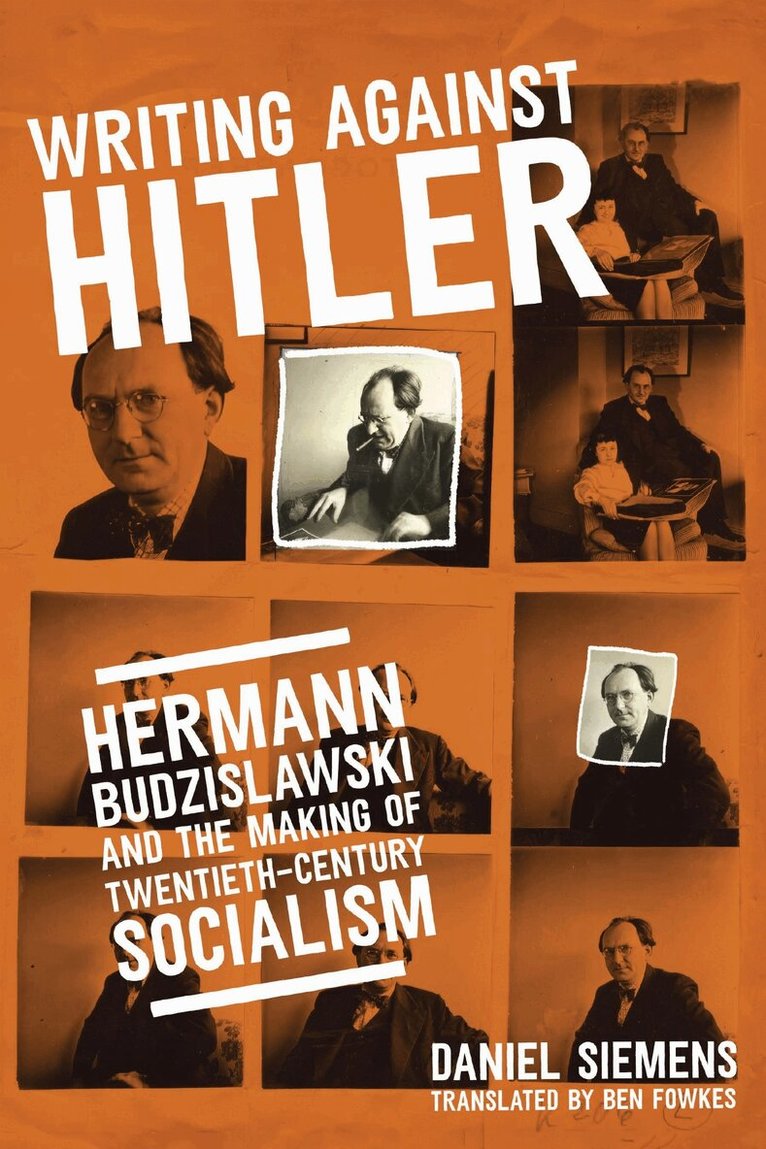
In Writing Against Hitler, Daniel Siemens reconstructs the history of the struggles of socialist intellectuals in Germany from the 1920s through the post–World War II era by focusing on the life of one influential member of that group, Hermann Budzislawski (1901–78). In the 1930s, Budzislawski served as the editor in chief of the prominent antifascist journal Die neue Weltbühne. After the German occupation of France, he worked in exile in the United States until 1948, when he moved to East Germany. He became influential in training a new generation of journalists and worked as a politician.Through the twin stories of a highly ambitious figure and the legendary publication he headed, Siemens charts the course of the intellectual Left’s rise and decline in power during the decades that shaped the political divides of the mid-twentieth century. Crucially, his account challenges the widely held belief that post-1989 German unification has represented a victory over the traumas of the past. Instead, Siemens shows the complexity of different strains of socialist thought and activity and reveals the contested place of Nazi Germany’s exiles at the center of Cold War Germany’s cultural history.
400 kr
Skickas inom 3-6 vardagar
176 kr
Skickas inom 7-10 vardagar
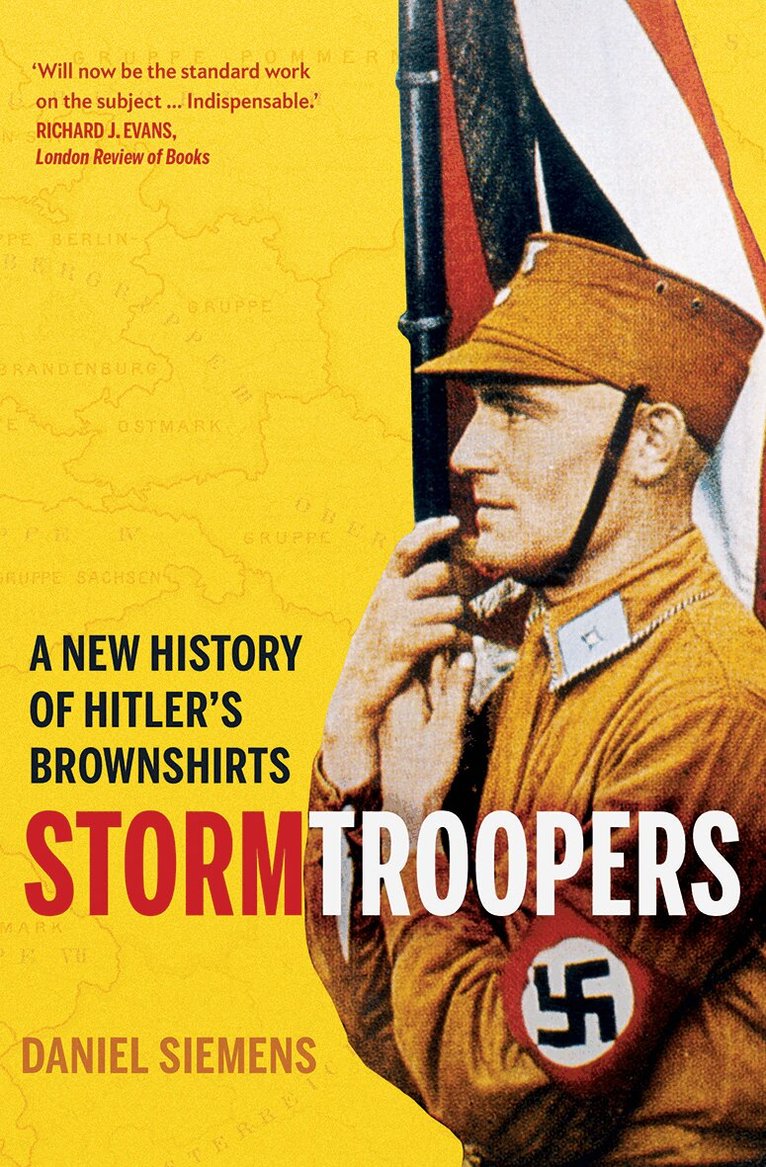
The first full history of the Nazi Stormtroopers whose muscle brought Hitler to power, with revelations concerning their longevity and their contributions to the HolocaustGermany’s Stormtroopers engaged in a vicious siege of violence that propelled the National Socialists to power in the 1930s. Known also as the SA or Brownshirts, these “ordinary” men waged a loosely structured campaign of intimidation and savagery across the nation from the 1920s to the “Night of the Long Knives” in 1934, when Chief of Staff Ernst Röhm and many other SA leaders were assassinated on Hitler’s orders. In this deeply researched history, Daniel Siemens explores not only the roots of the SA and its swift decapitation but also its previously unrecognized transformation into a million-member Nazi organization, its activities in German-occupied territories during World War II, and its particular contributions to the Holocaust. The author provides portraits of individual members and their victims and examines their milieu, culture, and ideology. His book tells the long-overdue story of the SA and its devastating impact on German citizens and the fate of their country.
292 kr
Skickas
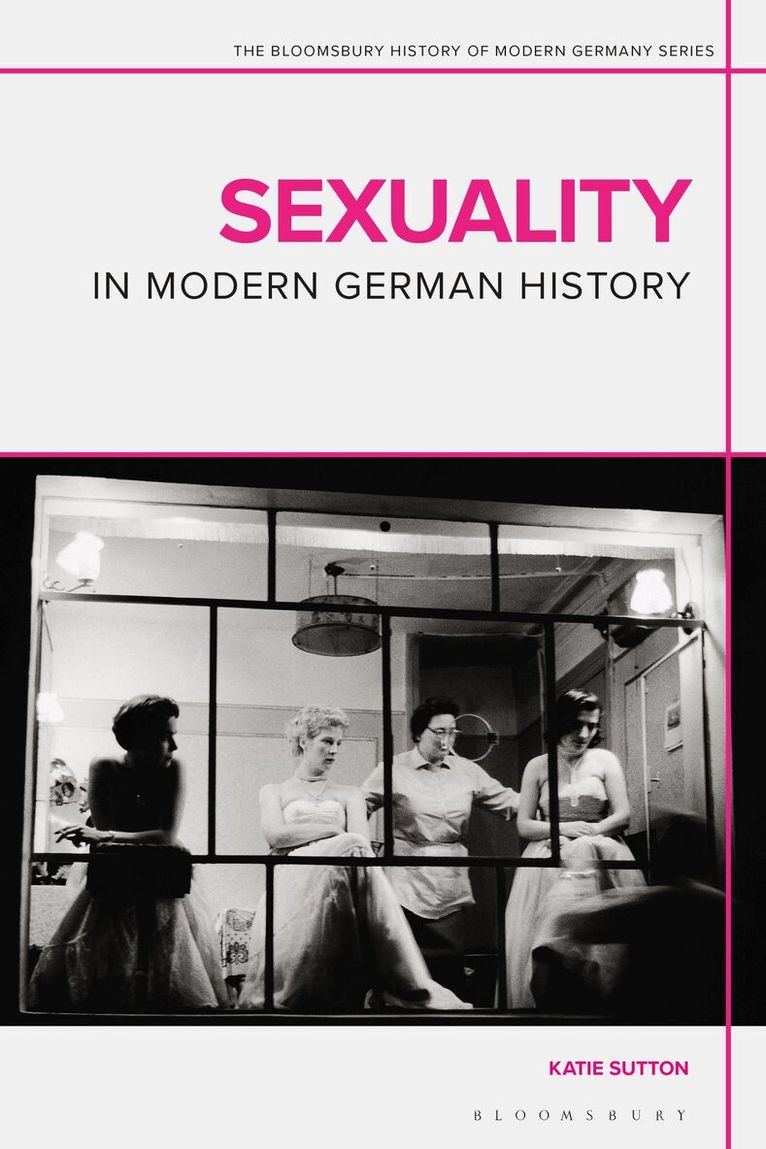
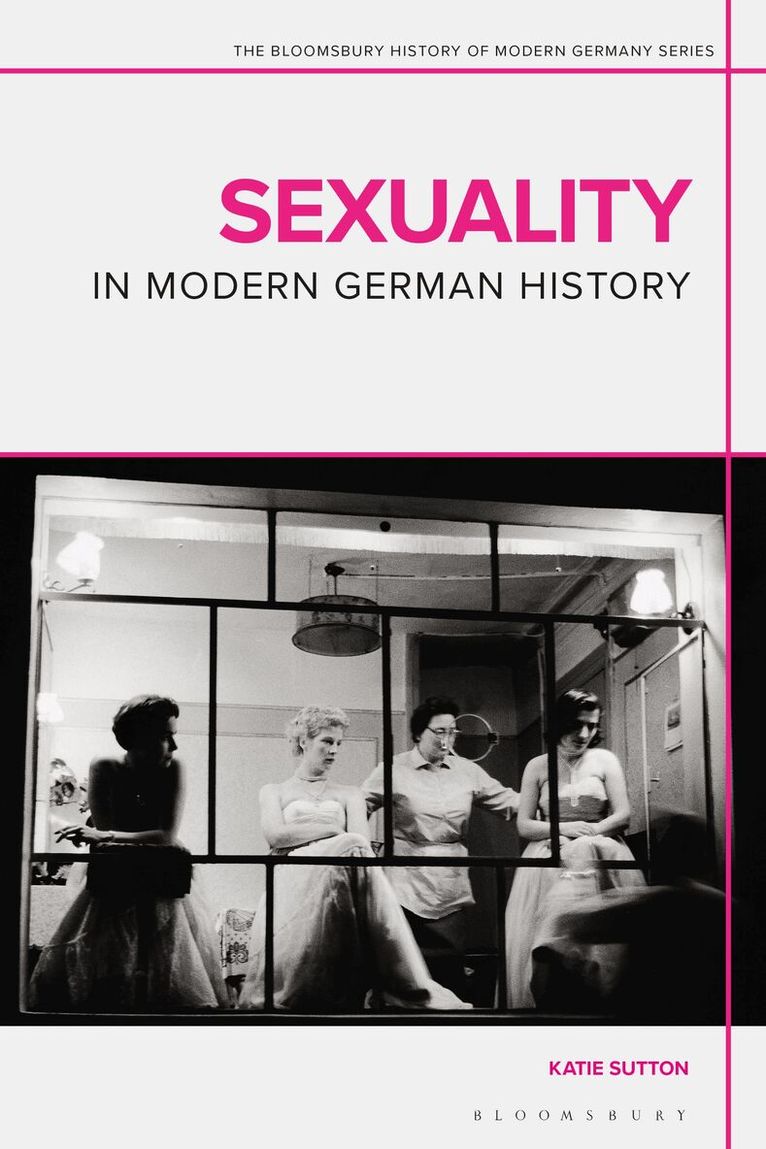
Sexuality in Modern German History offers both a detailed survey of this key subject and a new intervention in the history of sexuality in modern Germany. It investigates the diverse and often contradictory ways in which individuals, activists, doctors, politicians, artists, church leaders, reform movements and cultural commentators have defined ‘normal’ or ‘natural’ sexuality in Germany over the past two centuries. Katie Sutton explores how these definitions have been used to shape identities, behaviours, bodies and practices, from norms of heterosexual, marital, reproductive sex to ideas around the policing and categorisation of ‘unnatural’ or ‘deviant’ bodies and practices.Covering a range of crucial themes, including birth control, prostitution, queer and trans rights and heterosexual intimacy, this important text comes with 30 illustrations and a wealth of primary source extracts and secondary literature, helpfully integrated to enable further insight and analysis.This is a vital volume for all students and scholars with an interested in modern Germany or the history of sexuality in modern Europe.
970 kr
Skickas inom 10-15 vardagar
Sexuality in Modern German History offers both a detailed survey of this key subject and a new intervention in the history of sexuality in modern Germany. It investigates the diverse and often contradictory ways in which individuals, activists, doctors, politicians, artists, church leaders, reform movements and cultural commentators have defined ‘normal’ or ‘natural’ sexuality in Germany over the past two centuries. Katie Sutton explores how these definitions have been used to shape identities, behaviours, bodies and practices, from norms of heterosexual, marital, reproductive sex to ideas around the policing and categorisation of ‘unnatural’ or ‘deviant’ bodies and practices.Covering a range of crucial themes, including birth control, prostitution, queer and trans rights and heterosexual intimacy, this important text comes with 30 illustrations and a wealth of primary source extracts and secondary literature, helpfully integrated to enable further insight and analysis.This is a vital volume for all students and scholars with an interested in modern Germany or the history of sexuality in modern Europe.
1 314 kr
Skickas inom 10-15 vardagar
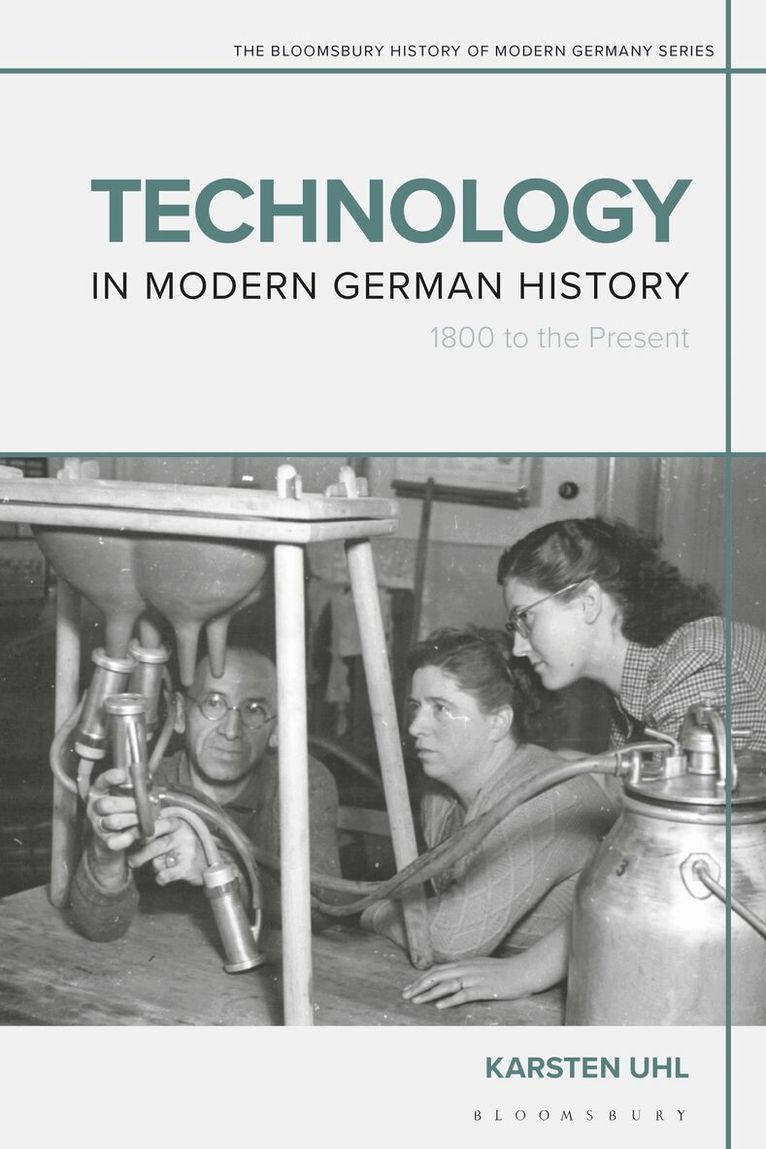
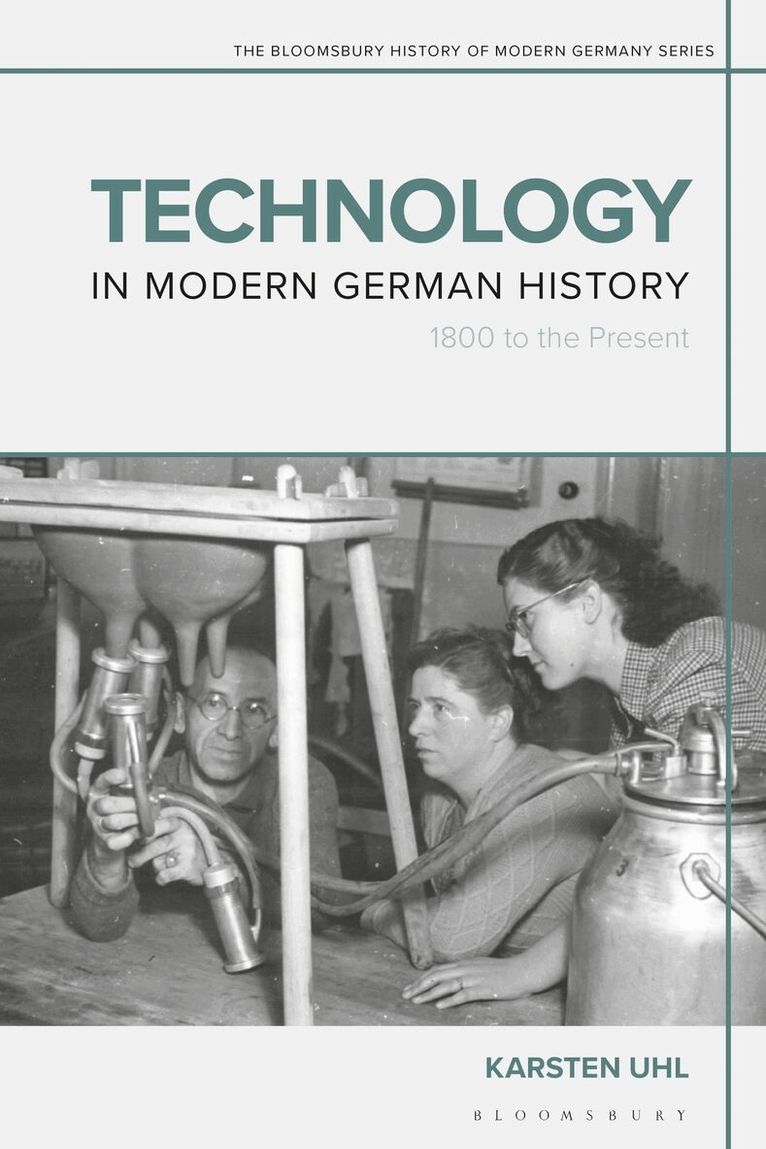
People often associate postwar Germany with technology and with its products of mass consumption, such as luxury cars. Even pop music, most notably Kraftwerk (literally ‘power station’) with songs such as Autobahn, Radioactivity or We are the Robots, disseminates the stereotype of a close link between German culture and technology. Technology in Modern German History explores various forms of technology in 200 years of German history and explains how technology has been fundamental to the shaping of modern Germany.The book investigates the role technology played in transforming Germany’s culture, society and politics during the 19th and 20th centuries. Key topics covered include the different stages of industrialization, the growth of networked cities, and the triumph of a teleological narrative of technology as progress. Moreover, it provides a critical revision of the history of high technology which reveals how high-tech euphoria determined certain paths in history regardless of whether the respective technology proved to be successful.In its second part, the volume introduces new avenues in scholarship. Karsten Uhl examines neglected areas, such as rural technologies or the often-overlooked importance of everyday technologies: How did consumers or workers use new technologies? How did they appropriate and modify them? Lastly, the book considers the final decades of the 20th century and asks if they provided a significant new quality of technological change: To what degree and effects did computerization transform professional and private life in Germany? In culture and politics, reinforced by the German variety of environmentalism, the idea of progress was challenged, as the once prevailing vision of progress gave way to new apprehensions of uncertainty evident to this day.Technology in Modern German History brings fascinating insight into a much neglected area of German history for students and scholars alike.
511 kr
Kommande
Eva Bischoff’s Imperialism in Modern German History is the first comprehensive, English-language exploration of the history of German imperialism. It follows German colonial aspirations from their imaginary beginnings in the 1880s through to the plans of the Nazi regime to create a territorial empire in Eastern Europe and the lingering colonial legacies of postcolonial Germany in the 20th and 21st centuries. In addition, the volume introduces its readers to key aspects of research debates centring on class, race, sexuality and Nazism that shape the way historians see German imperialism today.Examining Germany’s past from a transnational and global perspective, this is a vital text for all students of modern German history and the history of European empires.
1 370 kr
Kommande
Eva Bischoff’s Imperialism in Modern German History is the first comprehensive, English-language exploration of the history of German imperialism. It follows German colonial aspirations from their imaginary beginnings in the 1880s through to the plans of the Nazi regime to create a territorial empire in Eastern Europe and the lingering colonial legacies of postcolonial Germany in the 20th and 21st centuries. In addition, the volume introduces its readers to key aspects of research debates centring on class, race, sexuality and Nazism that shape the way historians see German imperialism today.Examining Germany’s past from a transnational and global perspective, this is a vital text for all students of modern German history and the history of European empires.
499 kr
Kommande
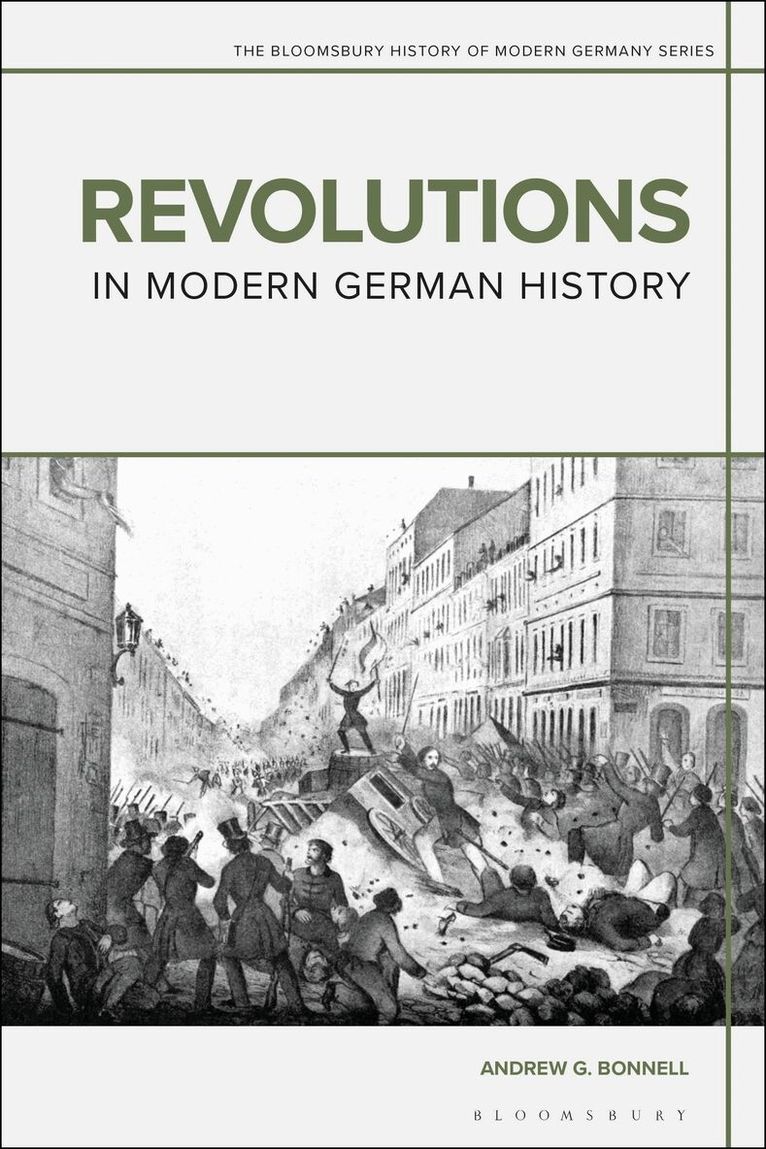
Andrew G. Bonnell’s innovative survey examines the history of revolution in modern Germany by focusing on key revolutionary developments in the German states. There is coverage of Germany and the French Revolution, the 1848 revolutions, the Industrial Revolution, the 1918-19 revolution, the Nazi ‘revolution’ of 1933, the revolution from above in Eastern Germany 1945-49, and the revolution in East Germany in 1989-90.Revolutions in Modern German History sheds new light on the subject by stressing the continuity of conflicts between revolution and counter-revolution in German history, thereby restoring a sense of the dramatic social conflicts that punctuated the history of the country. It also reveals the significance of wider European and transnational developments of revolutionary and counter-revolutionary movements and events. Bonnell even reconstructs a sense of the participants’ changing ‘horizon of expectations’ during these events by looking in-depth at the lives of men and women who lived and experienced these tumultuous times.
1 177 kr
Skickas inom 10-15 vardagar
Andrew G. Bonnell’s innovative survey examines the history of revolution in modern Germany by focusing on key revolutionary developments in the German states. There is coverage of Germany and the French Revolution, the 1848 revolutions, the Industrial Revolution, the 1918-19 revolution, the Nazi ‘revolution’ of 1933, the revolution from above in Eastern Germany 1945-49, and the revolution in East Germany in 1989-90.Revolutions in Modern German History sheds new light on the subject by stressing the continuity of conflicts between revolution and counter-revolution in German history, thereby restoring a sense of the dramatic social conflicts that punctuated the history of the country. It also reveals the significance of wider European and transnational developments of revolutionary and counter-revolutionary movements and events. Bonnell even reconstructs a sense of the participants’ changing ‘horizon of expectations’ during these events by looking in-depth at the lives of men and women who lived and experienced these tumultuous times.
510 kr
Kommande
1 400 kr
Kommande
313 kr
Skickas inom 3-6 vardagar
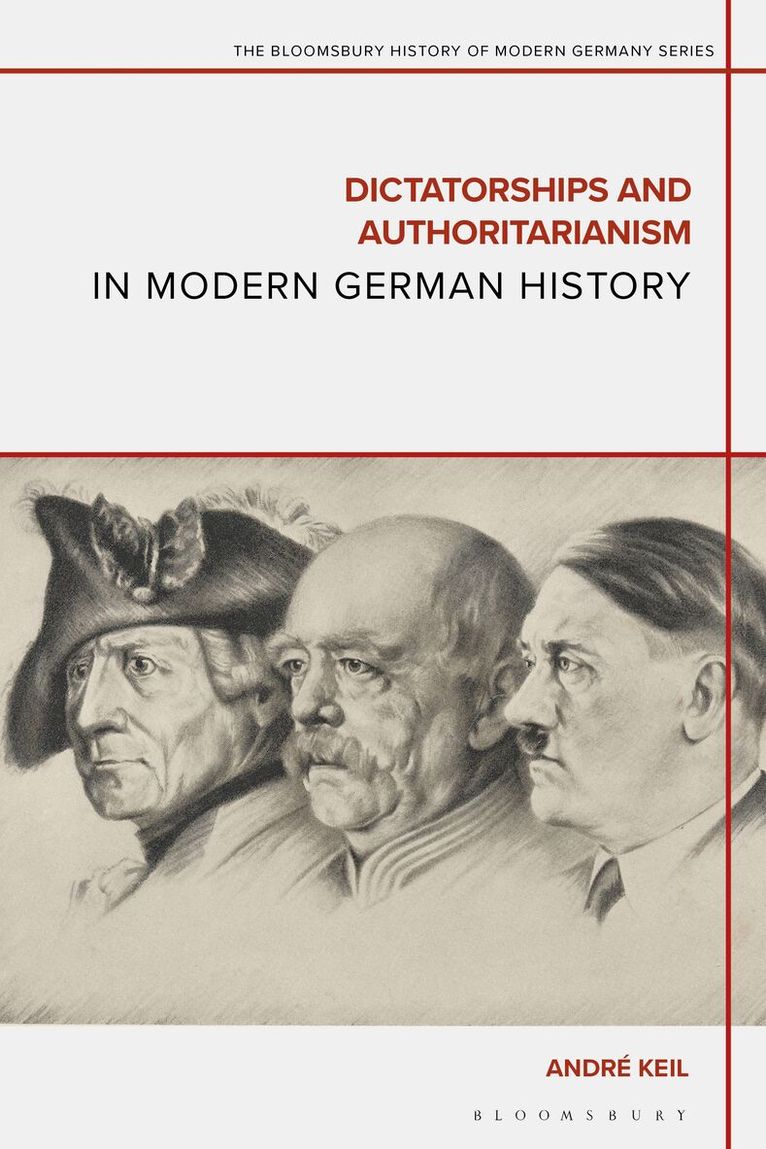
Dictatorships and Authoritarianism in Modern German History provides readers with a comprehensive overview of the history of dictatorships in Germany since the French Revolution. Dictatorships have been a defining feature of modern German history. The Nazi dictatorship between 1933 and 1945, which brought about the Second World War and the Holocaust, is still taught in schools and universities as the prime example of the destructiveness of ideologically driven regimes in the 20th century; the state-socialist regime in the German Democratic Republic that lasted for over 40 years bore many of the same dictatorial features. Understanding the factors that made these two regimes possible, their inner workings, but also their impact on the lives of many people, is key to understanding the course of modern German history as a whole and this is discussed at length in this absorbing volume.The book moves beyond the familiar historical narratives to incorporate analysis of key political thinkers and their interpretations of the problem of authoritarian and totalitarian rule. The discussion of these political dimensions is given further depth with the examination of the impact of dictatorship on German society as well as key figures of the 20th century.
970 kr
Skickas inom 10-15 vardagar
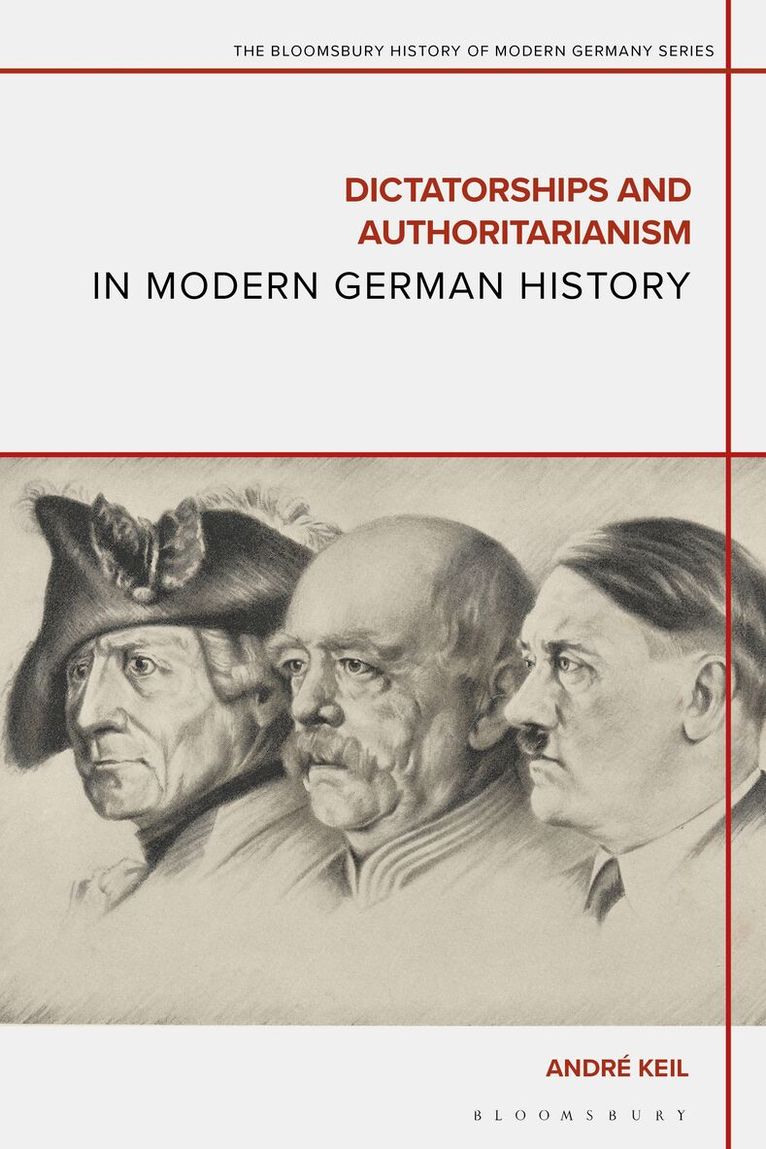
Dictatorships and Authoritarianism in Modern German History provides readers with a comprehensive overview of the history of dictatorships in Germany since the French Revolution. Dictatorships have been a defining feature of modern German history. The Nazi dictatorship between 1933 and 1945, which brought about the Second World War and the Holocaust, is still taught in schools and universities as the prime example of the destructiveness of ideologically driven regimes in the 20th century; the state-socialist regime in the German Democratic Republic that lasted for over 40 years bore many of the same dictatorial features. Understanding the factors that made these two regimes possible, their inner workings, but also their impact on the lives of many people, is key to understanding the course of modern German history as a whole and this is discussed at length in this absorbing volume.The book moves beyond the familiar historical narratives to incorporate analysis of key political thinkers and their interpretations of the problem of authoritarian and totalitarian rule. The discussion of these political dimensions is given further depth with the examination of the impact of dictatorship on German society as well as key figures of the 20th century.
420 kr
Skickas inom 10-15 vardagar
People often associate postwar Germany with technology and with its products of mass consumption, such as luxury cars. Even pop music, most notably Kraftwerk (literally ‘power station’) with songs such as Autobahn, Radioactivity or We are the Robots, disseminates the stereotype of a close link between German culture and technology. Technology in Modern German History explores various forms of technology in 200 years of German history and explains how technology has been fundamental to the shaping of modern Germany.The book investigates the role technology played in transforming Germany’s culture, society and politics during the 19th and 20th centuries. Key topics covered include the different stages of industrialization, the growth of networked cities, and the triumph of a teleological narrative of technology as progress. Moreover, it provides a critical revision of the history of high technology which reveals how high-tech euphoria determined certain paths in history regardless of whether the respective technology proved to be successful.In its second part, the volume introduces new avenues in scholarship. Karsten Uhl examines neglected areas, such as rural technologies or the often-overlooked importance of everyday technologies: How did consumers or workers use new technologies? How did they appropriate and modify them? Lastly, the book considers the final decades of the 20th century and asks if they provided a significant new quality of technological change: To what degree and effects did computerization transform professional and private life in Germany? In culture and politics, reinforced by the German variety of environmentalism, the idea of progress was challenged, as the once prevailing vision of progress gave way to new apprehensions of uncertainty evident to this day.Technology in Modern German History brings fascinating insight into a much neglected area of German history for students and scholars alike.
640 kr
Skickas inom 10-15 vardagar
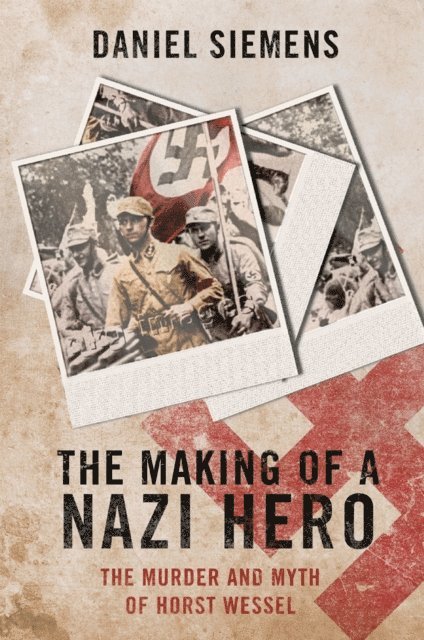
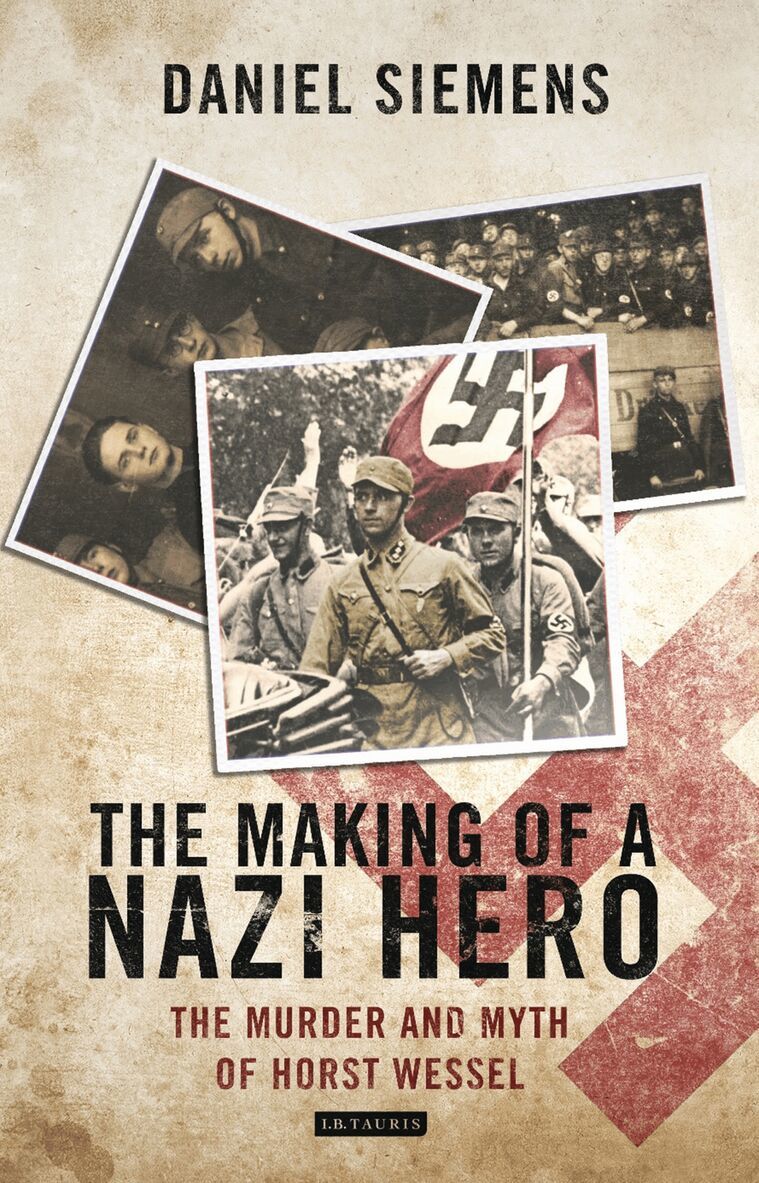
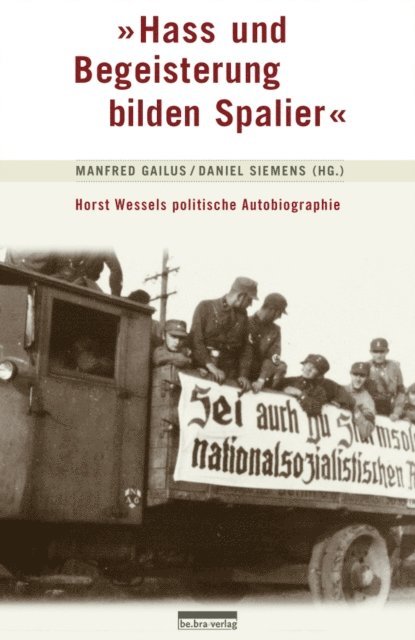
On 14 January 1930, Horst Wessel, a young and ambitious member of the SA was shot at close range at his home in Berlin. Although the crime was never completely solved, the murder was most likely committed by a group of communists with close ties to the city's gangland. Wessel later died from his injuries. Joseph Goebbels, whose attention had already been drawn to Wessel as a possible future Nazi leader, was the first to recognize the propaganda potential of the case. 'A young martyr for the Third Reich' he wrote in his diary on 23 February 1930 immediately after receiving the news of Wessel's death. This was the beginning of the myth-making that transformed an ordinary individual into a masculine role model for an entire generation. Two months later, thousands of people lined the streets for Wessel's funeral parade and Goebbels delivered a graveside eulogy. In the years that followed - and as Nazi power increased - Horst Wessel became the hero of the Nazi movement - with his elaborate memorial quickly becoming a site of pilgrimage.The song Die Fahne Hoch for which Wessel had written the lyrics (and which subsequently became popularly known as the Horst Wessel Song) became the official Nazi party anthem and the Berlin district of Friedrichshain, where Wessel was murdered was renamed Horst-Wessel-Stadt in his honour. Numerous biographies and films followed. Using previously unseen material, Daniel Siemens provides a fascinating and gripping account of the background to Horst Wessel's murder and uncovers how and why the Nazis made him a political hero. He examines the Horst Wessel 'cult' which emerged in the aftermath of Wessel's death and the murders of revenge, particularly against Communists, committed by the SA and Gestapo after 1933. At the same time, the story of Horst Wessel provides a portrait of the Nazi propaganda machine at its most effective and most chilling.
212 kr
Skickas inom 3-6 vardagar
403 kr
Skickas inom 3-6 vardagar
340 kr
Skickas inom 3-6 vardagar