
Daniel Valero – författare
Visar alla böcker från författaren . Handla med fri frakt och snabb leverans.
5 produkter
5 produkter
E-bok
PDF, Engelska, 20205 884 kr
Läs direkt efter köp
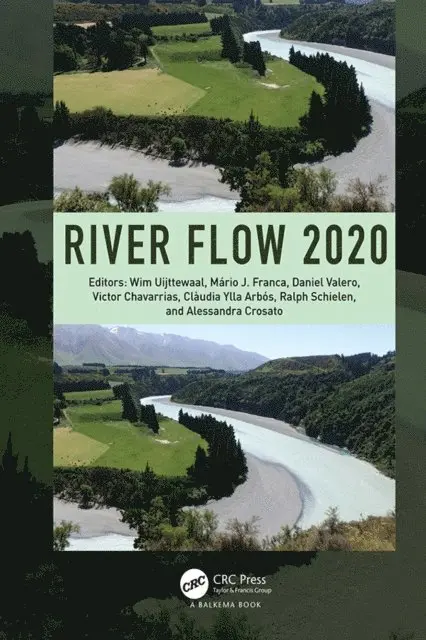
Rivers form one of the lifelines in our society by providing essential services such as availability of fresh water, navigation, energy, ecosystem services, and flood conveyance. Because of this essential role, mankind has interfered continuously in order to benefit most and at the same time avoid adverse consequences such as flood risk and droughts. This has resulted in often highly engineered rivers with a narrow set of functions. In the last decades rivers are increasingly considered in a more holistic manner as a system with a multitude of interdependent processes. River research and engineering has therefore added to the river fundamentals also themes like ecohydraulics, consequences of climate change, and urbanisation. River Flow 2020 contains the contributions presented at the 10th conference on Fluvial Hydraulics, River Flow 2020, organised under the auspices of the Committee on Fluvial Hydraulics of the International Association for Hydro-Environment Engineering and Research (IAHR). What should have been a lively physical gathering of researchers, students and practitioners, was converted into an online event as the COVID-19 pandemic hindered international travelling and large gatherings of people. Nevertheless, the fluvial hydraulics community showed their interest and to be very much alive with a high number of participations for such event. Since its first edition in 2002, in Louvain-la-Neuve, this series of conferences has found a large and loyal audience in the river research and engineering community while being also attractive to the new researchers and young professionals. This is highlighted by the large number of contributions applying for the Coleman award for young researchers, and also by the number of applications and attendants to the Master Classes which are aimed at young researchers and students.River Flow 2020 aims to provide an updated overview of the ongoing research in this wide range of topics, and contains five major themes which are focus of research in the fluvial environment: river fundamentals, the digital river, the healthy river, extreme events and rivers under pressure. Other highlights of River Flow 2020 include the substantial number of interdisciplinary subthemes and sessions of special interest. The contributions will therefore be of interest to academics in hydraulics, hydrology and environmental engineering as well as practitioners that would like to be updated about the newest findings and hot themes in river research and engineering.
E-bok
Engelska, 20205 868 kr
Läs direkt efter köp
Rivers form one of the lifelines in our society by providing essential services such as availability of fresh water, navigation, energy, ecosystem services, and flood conveyance. Because of this essential role, mankind has interfered continuously in order to benefit most and at the same time avoid adverse consequences such as flood risk and droughts. This has resulted in often highly engineered rivers with a narrow set of functions. In the last decades rivers are increasingly considered in a more holistic manner as a system with a multitude of interdependent processes. River research and engineering has therefore added to the river fundamentals also themes like ecohydraulics, consequences of climate change, and urbanisation. River Flow 2020 contains the contributions presented at the 10th conference on Fluvial Hydraulics, River Flow 2020, organised under the auspices of the Committee on Fluvial Hydraulics of the International Association for Hydro-Environment Engineering and Research (IAHR). What should have been a lively physical gathering of researchers, students and practitioners, was converted into an online event as the COVID-19 pandemic hindered international travelling and large gatherings of people. Nevertheless, the fluvial hydraulics community showed their interest and to be very much alive with a high number of participations for such event. Since its first edition in 2002, in Louvain-la-Neuve, this series of conferences has found a large and loyal audience in the river research and engineering community while being also attractive to the new researchers and young professionals. This is highlighted by the large number of contributions applying for the Coleman award for young researchers, and also by the number of applications and attendants to the Master Classes which are aimed at young researchers and students.River Flow 2020 aims to provide an updated overview of the ongoing research in this wide range of topics, and contains five major themes which are focus of research in the fluvial environment: river fundamentals, the digital river, the healthy river, extreme events and rivers under pressure. Other highlights of River Flow 2020 include the substantial number of interdisciplinary subthemes and sessions of special interest. The contributions will therefore be of interest to academics in hydraulics, hydrology and environmental engineering as well as practitioners that would like to be updated about the newest findings and hot themes in river research and engineering.
E-bok
Engelska, 20103 329 kr
Läs direkt efter köp
Interest in the postharvest behavior of fruits and vegetables has a history as long as mankind's. Once we moved past mere survival, the goal of postharvest preservation research became learning how to balance consumer satisfaction with quantity and quality while also preserving nutritional quality. A comprehensive overview of new postharvest techno
Inbunden, Engelska, 2010
2 944 kr
Skickas inom 10-15 vardagar
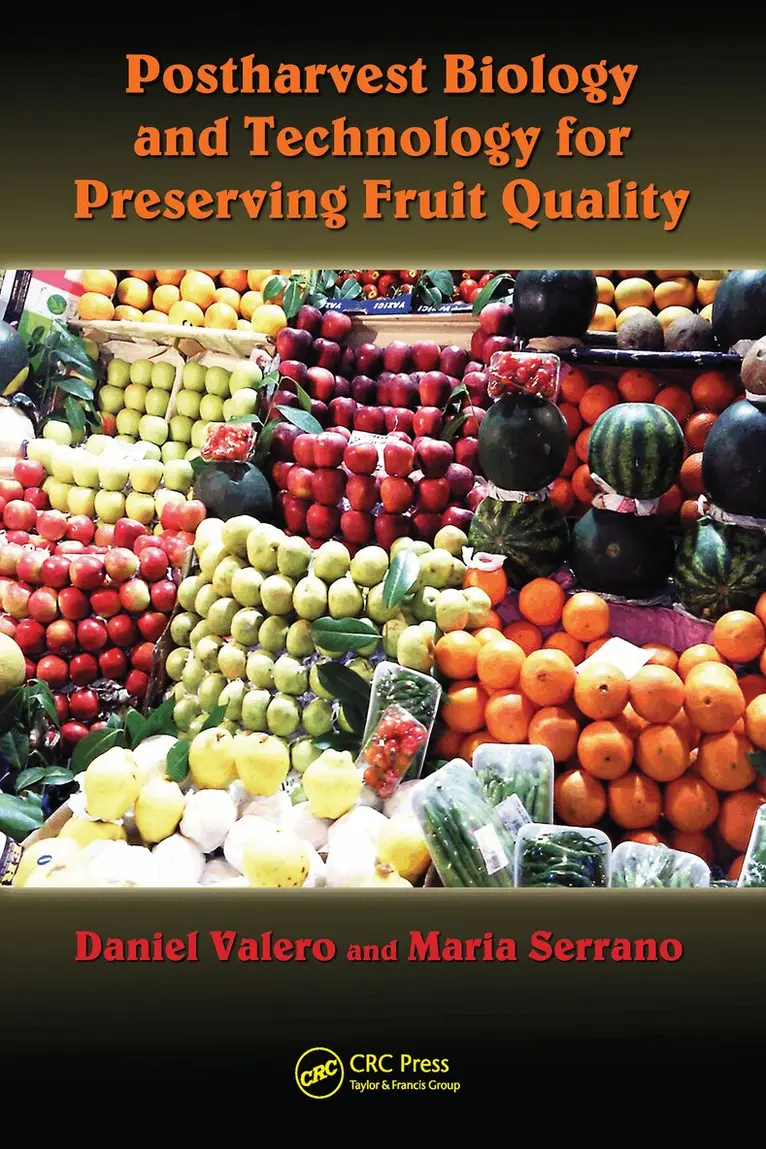
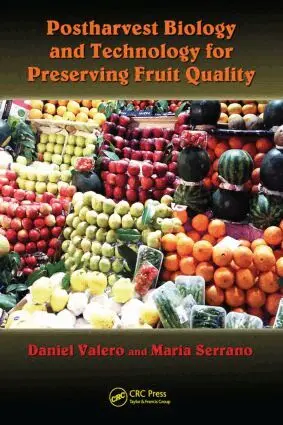
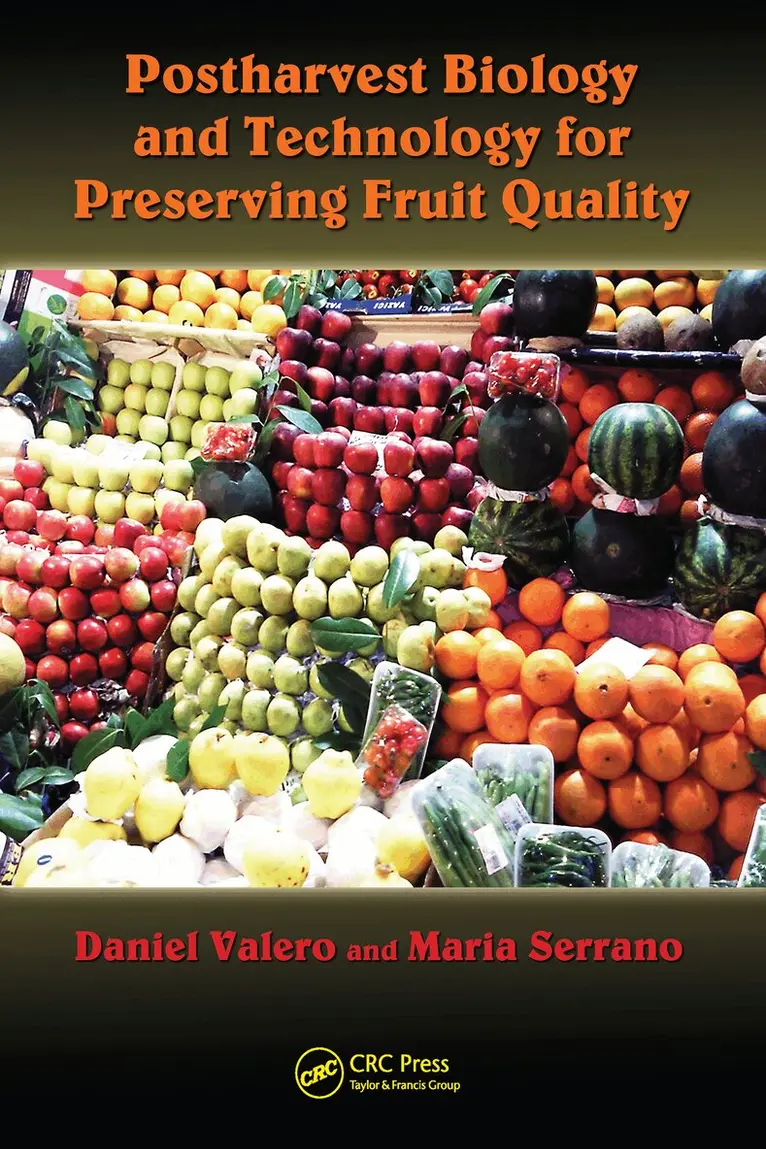
Interest in the postharvest behavior of fruits and vegetables has a history as long as mankind’s. Once we moved past mere survival, the goal of postharvest preservation research became learning how to balance consumer satisfaction with quantity and quality while also preserving nutritional quality. A comprehensive overview of new postharvest technologies, Postharvest Biology and Technology for Preserving Fruit Quality examines the physical, chemical, and nutritional changes that occur during the ripening process. The book chronicles the changes in postharvest technology during the past three decades, highlighting the advances made possible through a deeper understanding of the postharvest physiology of raw produce. It focuses on how to maintain both sensorial and nutritional fruit quality parameters while also extending shelf life. The authors present a wide range of technological applications for postharvest strategies, including heat treatments, naturally-occurring compounds, modified atmosphere packaging, non-toxic chemical compounds, and active packaging. The text also discusses the advantages and disadvantages of using cold temperatures during handling, packaging, and storage. Although each chapter constitutes a separate unit, which could be used in a stand-alone fashion, the order and continuity of the chapters provide a more complete understanding of the subject. Exploring future directions, the book concludes with coverage of emerging technologies such as atmospheres with high O2, biological control, and the use of UV-light. It offers a firm grounding in the basic knowledge of postharvest research, technology, and applications. The text illustrates a broad range of approaches, based on years of research, and brings them together in a convenient, easily accessible resource.
E-bok
PDF, Engelska, 20103 319 kr
Läs direkt efter köp
Interest in the postharvest behavior of fruits and vegetables has a history as long as mankind's. Once we moved past mere survival, the goal of postharvest preservation research became learning how to balance consumer satisfaction with quantity and quality while also preserving nutritional quality. A comprehensive overview of new postharvest techno