Danielle A. Macdonald – författare
Visar alla böcker från författaren Danielle A. Macdonald. Handla med fri frakt och snabb leverans.
6 produkter
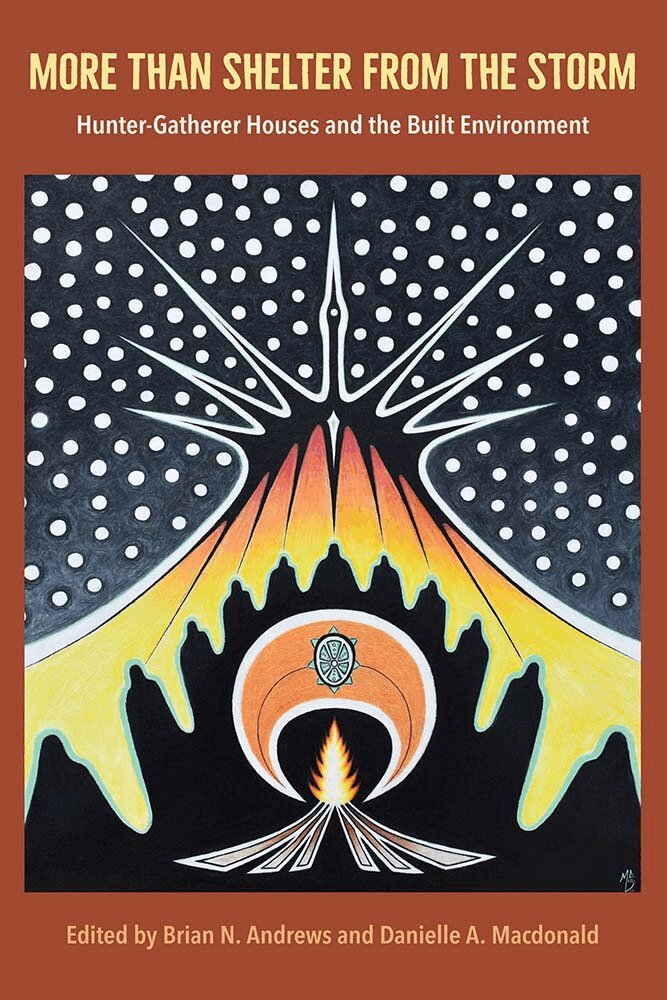
More Than Shelter from the Storm
Hunter-Gatherer Houses and the Built Environment
Av Brian N. Andrews, Danielle A. Macdonald
Inbunden, 2022
1055 kr
Lägg i varukorg
The relationship of hunter-gatherer societies to the built environment is often overlooked or characterized as strictly utilitarian in archaeological research. Taking on deeper questions of cultural significance and social inheritance, this volume offers a more robust examination of houses as not …
More Than Shelter from the Storm
Hunter-Gatherer Houses and the Built Environment
Av Danielle A. Macdonald, Brian N. Andrews
E-bok, 2022
3140 kr
Lägg i varukorg
The role of place-making and architecturein mobile cultures Therelationship of hunter-gatherer societies to the built environment is oftenoverlooked or characterized as strictly utilitarian in archaeological research.Taking on deeper questions of cultural significance and social inheritance,this …
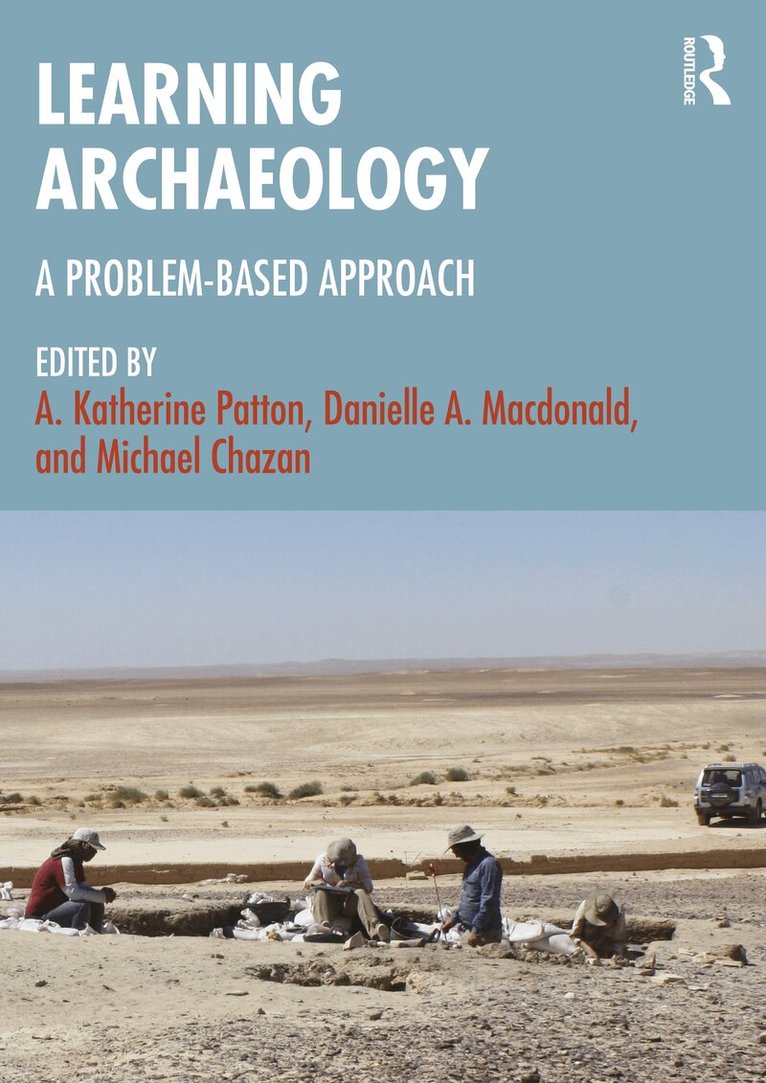
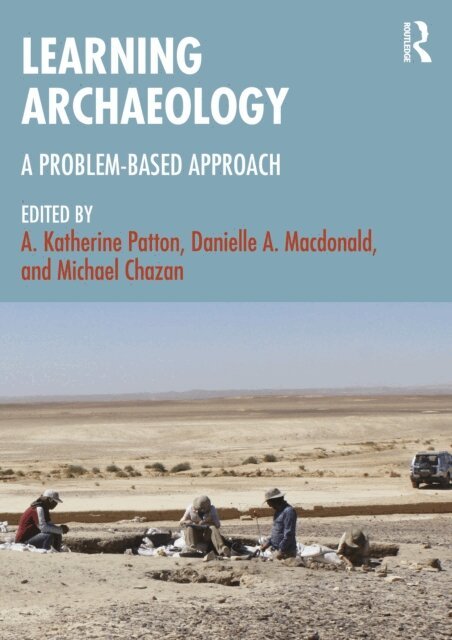
Learning Archaeology
A Problem-Based Approach
Av A. Katherine Patton, Danielle A. Macdonald m. fl.
Häftad, 2025
667 kr
Lägg i varukorg
Learning Archaeology is designed for undergraduate archaeology students, helping them develop interpretive skills in the classroom through problem-oriented, active learning exercises.This book brings together case studies drawn from real archaeological research so students can understand (and …
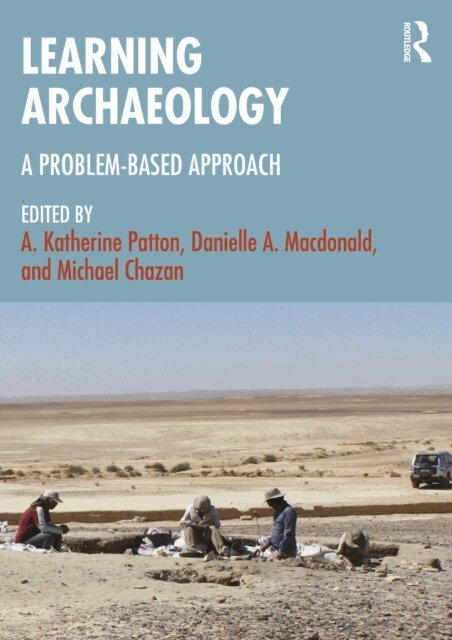
Learning Archaeology
A Problem-Based Approach
Av A. Katherine Patton, Danielle A. Macdonald m. fl.
Inbunden, 2025
2586 kr
Lägg i varukorg
Learning Archaeology is designed for undergraduate archaeology students, helping them develop interpretive skills in the classroom through problem-oriented, active learning exercises.This book brings together case studies drawn from real archaeological research so students can understand (and …
Learning Archaeology
A Problem-Based Approach
Av Michael Chazan, Danielle A. Macdonald m. fl.
E-bok, 2025
785 kr
Lägg i varukorg
Learning Archaeology is designed for undergraduate archaeology students, helping them develop interpretive skills in the classroom through problem-oriented, active learning exercises.This book brings together case studies drawn from real archaeological research so students can understand (and …
Learning Archaeology
A Problem-Based Approach
Av Michael Chazan, Danielle A. Macdonald m. fl.
E-bok, 2025
785 kr
Lägg i varukorg
Learning Archaeology is designed for undergraduate archaeology students, helping them develop interpretive skills in the classroom through problem-oriented, active learning exercises.This book brings together case studies drawn from real archaeological research so students can understand (and …