David A. Weintraub – författare
Visar alla böcker från författaren David A. Weintraub. Handla med fri frakt och snabb leverans.
24 produkter
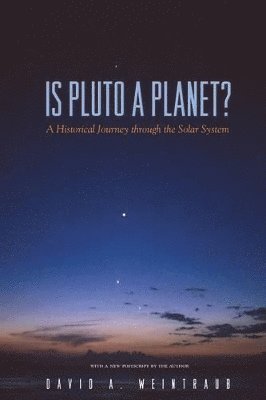
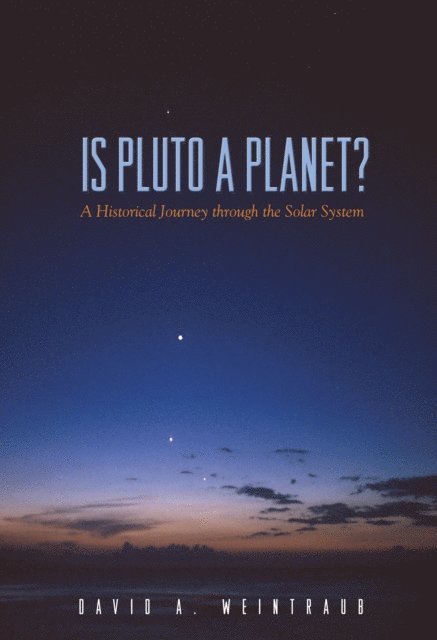
Is Pluto a Planet?
A Historical Journey through the Solar System
Häftad, 2008
316 kr
Lägg i varukorg
A Note from the Author: On August 24, 2006, at the 26th General Assembly of the International Astronomical Union (IAU) in Prague, by a majority vote of only the 424 members present, the IAU (an organization of over 10,000 members) passed a resolution defining planet in such a way as to exclude …
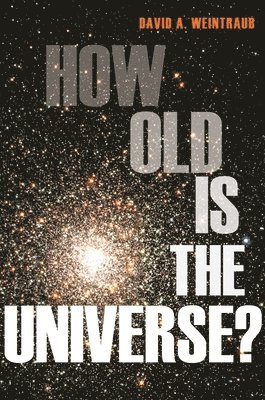
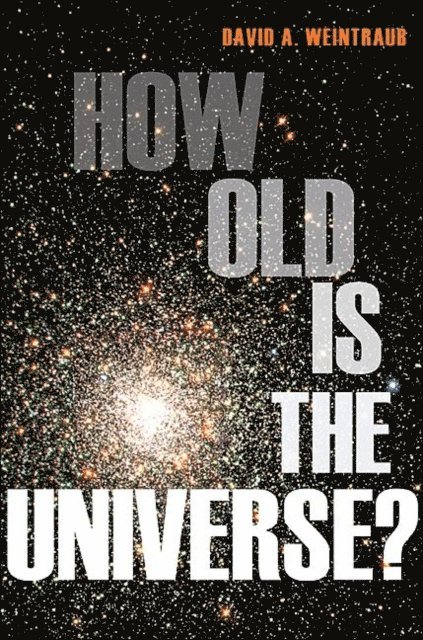
How Old Is the Universe?
Häftad, 2012
316 kr
Lägg i varukorg
How a great enigma of astronomy was solvedAstronomers have determined that our universe is 13.7 billion years old. How exactly did they come to this precise conclusion? How Old Is the Universe? tells the incredible story of how astronomers solved one of the most compelling mysteries in science and, …
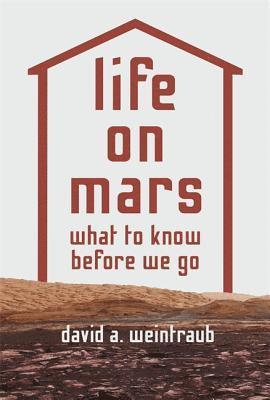
Life on Mars
What to Know Before We Go
Inbunden, 2018
264 kr
Lägg i varukorg
The story of the search for life on Mars—and the moral issues confronting us as we prepare to send humans thereDoes life exist on Mars? The question has captivated humans for centuries, but today it has taken on new urgency. NASA plans to send astronauts to Mars orbit by the 2030s. SpaceX wants to …
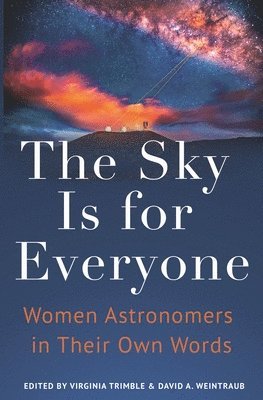
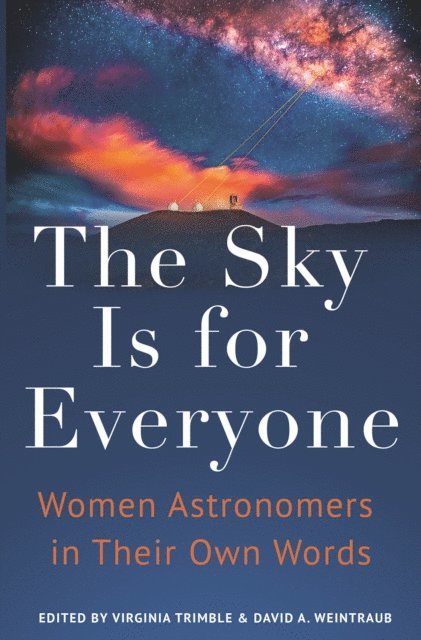
Sky Is for Everyone
Women Astronomers in Their Own Words
Av Virginia Trimble, David A. Weintraub
Inbunden, 2022
280 kr
Lägg i varukorg
An inspiring anthology of writings by trailblazing women astronomers from around the globeThe Sky Is for Everyone is an internationally diverse collection of autobiographical essays by women who broke down barriers and changed the face of modern astronomy. Virginia Trimble and David Weintraub …
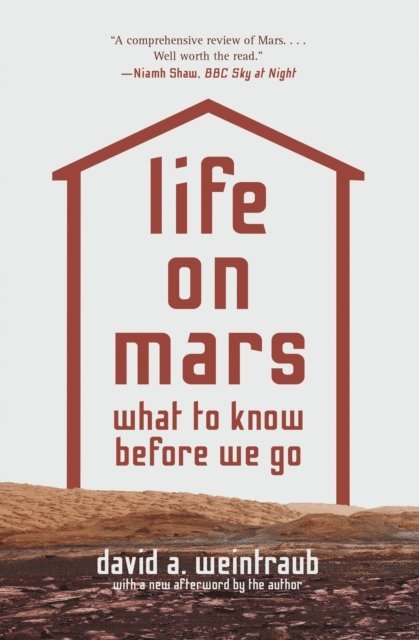
Life on Mars
What to Know Before We Go
Häftad, 2020
178 kr
Lägg i varukorg
The search for life on Mars—and the moral issues confronting us as we prepare to send humans thereDoes life exist on Mars? The question has captivated humans for centuries, but today it has taken on new urgency. As space agencies gear up to send the first manned missions to the Red Planet, we have …
Life on Mars
What to Know Before We Go
E-bok, 2020
243 kr
Lägg i varukorg
The search for life on Mars—and the moral issues confronting us as we prepare to send humans there Does life exist on Mars? The question has captivated humans for centuries, but today it has taken on new urgency. As space agencies gear up to send the first manned missions to the Red Planet, we have …
Sky Is for Everyone
Women Astronomers in Their Own Words
Av David A. Weintraub, Virginia Trimble
E-bok, 2022
273 kr
Lägg i varukorg
An inspiring anthology of writings by trailblazing women astronomers from around the globe The Sky Is for Everyone is an internationally diverse collection of autobiographical essays by women who broke down barriers and changed the face of modern astronomy. Virginia Trimble and David Weintraub …
Sky Is for Everyone
Women Astronomers in Their Own Words
Av Virginia Trimble, David A. Weintraub
Häftad, 2023
198 kr
Lägg i varukorg
An inspiring anthology of writings by trailblazing women astronomers from around the globeThe Sky Is for Everyone is an internationally diverse collection of autobiographical essays by women who broke down barriers and changed the face of modern astronomy. Virginia Trimble and David Weintraub …
How Old Is the Universe?
E-bok, 2010
419 kr
Lägg i varukorg
How a great enigma of astronomy was solved Astronomers have determined that our universe is 13.7 billion years old. How exactly did they come to this precise conclusion? How Old Is the Universe? tells the incredible story of how astronomers solved one of the most compelling mysteries in science …
Is Pluto a Planet?
A Historical Journey through the Solar System
E-bok, 2014
419 kr
Lägg i varukorg
A Note from the Author: On August 24, 2006, at the 26th General Assembly of the International Astronomical Union (IAU) in Prague, by a majority vote of only the 424 members present, the IAU (an organization of over 10,000 members) passed a resolution defining planet in such a way as to exclude …
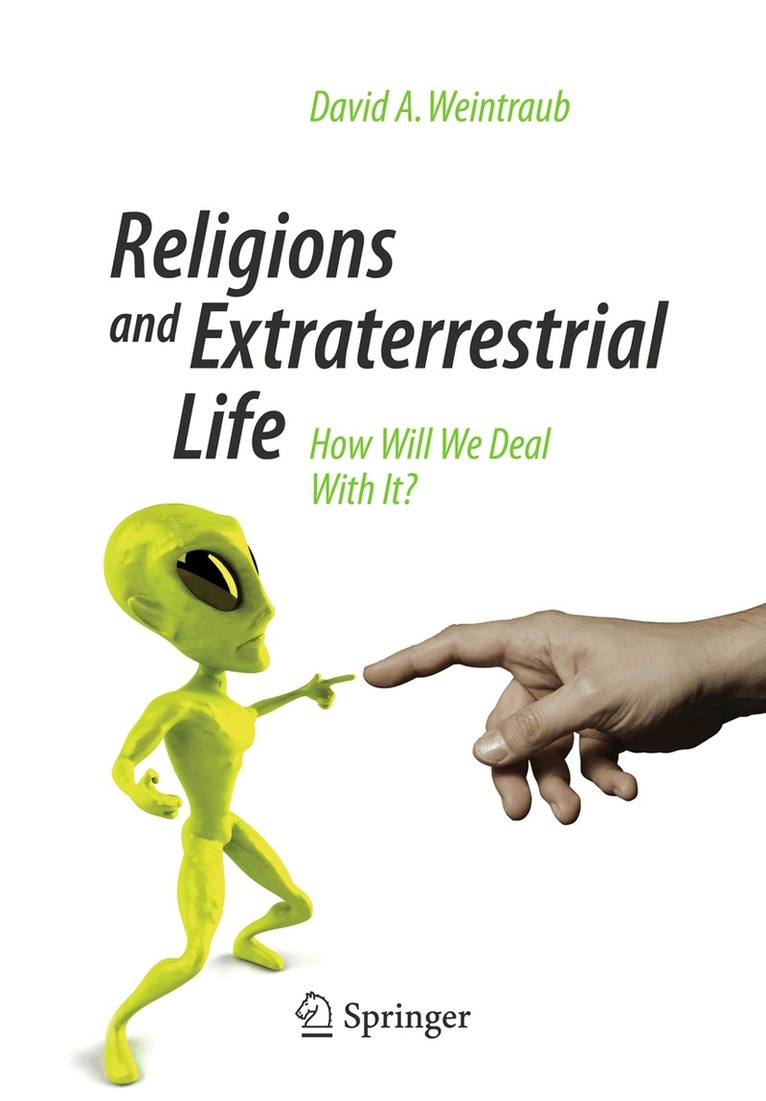
Religions and Extraterrestrial Life
How Will We Deal With It?
Häftad, 2014
420 kr
Lägg i varukorg
In the twenty-first century, the debate about life on other worlds is quickly changing from the realm of speculation to the domain of hard science. Within a few years, as a consequence of the rapid discovery by astronomers of planets around other stars, astronomers very likely will have discovered …
Religions and Extraterrestrial Life
How Will We Deal With It?
E-bok, 2014
538 kr
Lägg i varukorg
In the twenty-first century, the debate about life on other worlds is quickly changing from the realm of speculation to the domain of hard science. Within a few years, as a consequence of the rapid discovery by astronomers of planets around other stars, astronomers very likely will have discovered …
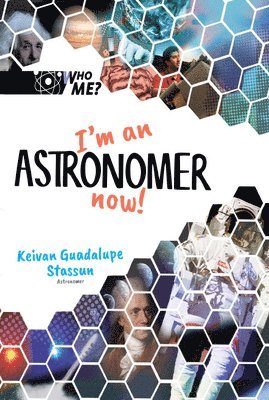
I'M AN ASTRONOMER NOW!
Av Keivan Guadalupe Stassun, David A Weintraub m. fl.
Inbunden, 2021
188 kr
Lägg i varukorg
What is an astronomer? What does he or she do? Meet Keivan, a kid like you and me, who grew up and became an astronomer! As a child, Keivan was always interested in learning about planets orbiting other stars and this interest has taken him to the stars! Learn more about how he became involved in a …
I'M A BIOARCHAEOLOGIST NOW!
Av Tiffiny A Tung, David A Weintraub m. fl.
Inbunden, 2022
174 kr
Lägg i varukorg
What is a bioarchaeologist? What does he or she do?Meet Tiffiny, a kid like you and me, who grew up and became a bioarchaeologist! Tiffiny's father emigrated from China to the United States before she was born. She grew up exploring museums and the outdoors with her father, and discovered her …
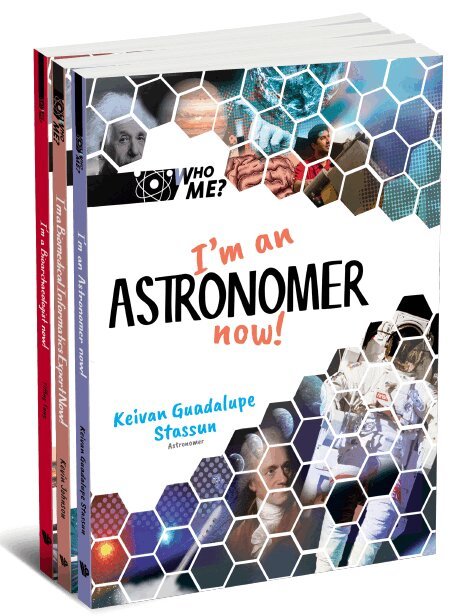
WHO ME? (SET 1)
Av Keivan Guadalupe Stassun, Kevin Johnson m. fl.
Inbunden, 2022
327 kr
Lägg i varukorg
The Who Me? series features inspirational biographies of scientists who young readers will be able to identify with as people like themselves. Written by the scientists themselves and co-authors from Vanderbilt University, the books are designed to help young readers understand that scientists are …
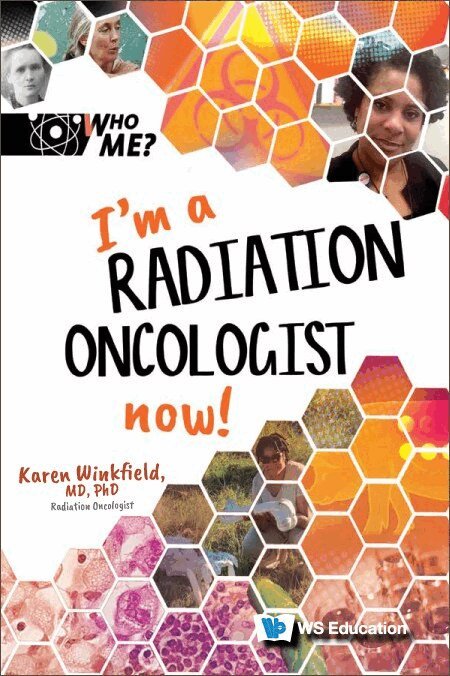
I'M A RADIATION ONCOLOGIST NOW!
Av Karen Winkfield, David A Weintraub m. fl.
Inbunden, 2023
174 kr
Lägg i varukorg
What is a radiation oncologist? What does he or she do?Meet Karen, a kid like you and me, who grew up wanting to become a professional singer. Then she discovered that singing and the science of the human body are related. She then fell in love with science and medicine and became an oncologist. …
WHO ME? (SET 2)
Av Ben Ho Park, Karen Winkfield m. fl.
Inbunden, 2023
411 kr
Lägg i varukorg
The Who Me? series features inspirational biographies of scientists who young readers will be able to identify with as people like themselves. Written by the scientists themselves and co-authors from Vanderbilt University, the books are designed to help young readers understand that scientists are …
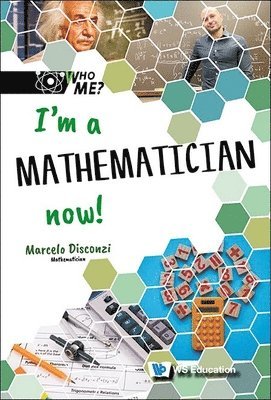
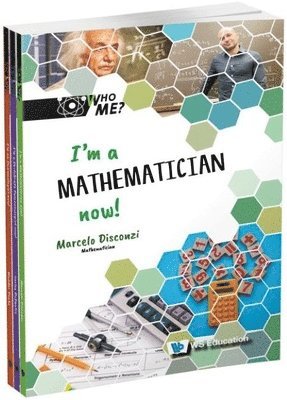
I'M A MATHEMATICIAN NOW!
Av Marcelo Disconzi, David A Weintraub m. fl.
Inbunden, 2024
178 kr
Lägg i varukorg
Meet Marcelo, a kid like you and me, who grew up in Brazil wanting to become a philosopher and solve logic puzzles. Philosophy led him to physics, and physics led him to mathematics. Learn how Marcelo thinks about mathematical equations as puzzles to solve and how solving one of those puzzles …
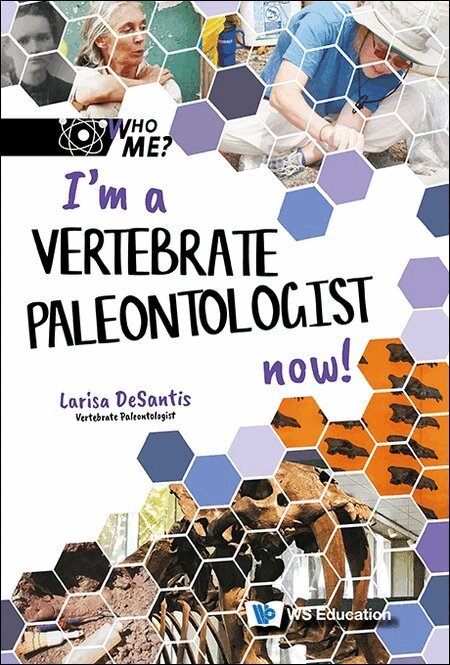
I'M A VERTEBRATE PALEONTOLOGIST NOW!
Av Larisa DeSantis, David A Weintraub m. fl.
Inbunden, 2024
174 kr
Lägg i varukorg
Meet Larisa, a kid like you and me, who grew up wanting to become a politician. Then she discovered fossils. Learn how Larisa uses fossil teeth to clarify the ancient ecology of saber-toothed cats and other ice age mammals. And learn how Larisa, with help from doctors, managed her epilepsy.The Who …
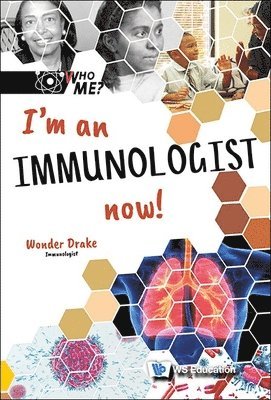
I'M AN IMMUNOLOGIST NOW!
Av Wonder Drake, David A Weintraub m. fl.
Inbunden, 2024
174 kr
Lägg i varukorg
Meet Wonder, a kid like you and me, who moved around a lot and went to lots of different schools. As a teenager, she worked as a waitress, at a library, and helped out with older people. Then, she discovered she wanted to become a doctor. Along the way, she met a patient with an illness called …
WHO ME? (SET 3)
Av Marcelo Disconzi, Larisa DeSantis m. fl.
Inbunden, 2024
411 kr
Lägg i varukorg
The Who Me? series features inspirational biographies of scientists who young readers will be able to identify with as people like themselves. Written by the scientists themselves and co-authors from Vanderbilt University, the books are designed to help young readers understand that scientists are …
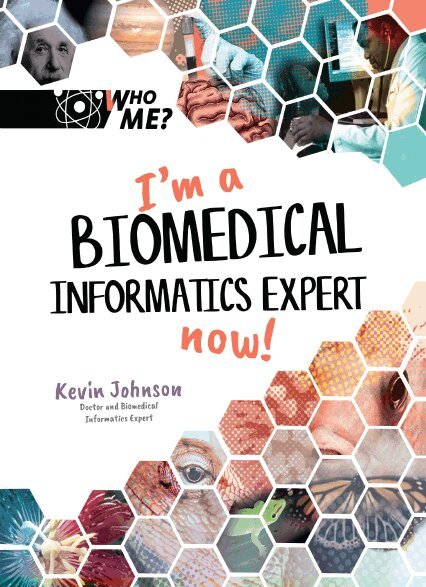
I'M A BIOMEDICAL INFORMATICS EXPERT NOW!
Av Kevin Johnson, David A Weintraub m. fl.
Inbunden, 2021
178 kr
Tillfälligt slut
What is a biomedical informatics expert? What does he or she do?Meet Kevin, a kid like you and me, who grew up to become a biomedical informatics expert! Kevin grew up loving science and caring for animals, and this passion, combined with his engineering aptitude, turned him into a pediatrician …
I'M A CANCER BIOLOGIST NOW!
Av Ben Ho Park, David A Weintraub m. fl.
Inbunden, 2023
102 kr
Tillfälligt slut
What is a cancer biologist? What does he or she do?Meet Ben, a kid like you and me, who grew up and became a cancer biologist. As a child, Ben loved playing basketball and reading books, especially Spiderman comic books. In middle school, he fell in love with science and understanding the human …
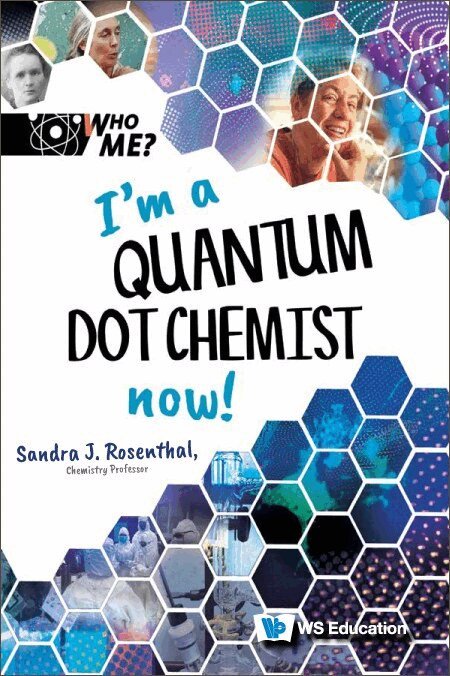
I'M A QUANTUM DOT CHEMIST NOW!
Av Sandra J Rosenthal, David A Weintraub m. fl.
Inbunden, 2023
102 kr
Tillfälligt slut
What is a quantum dot chemist? What does he or she do?Meet Sandy, a kid like you and me, who grew up wanting to become a school teacher. Then she discovered she loved doing chemistry. Now, she does chemistry research and teaches chemistry to college students. Learn how Sandy discovered a quantum …