David de Witt – författare
Visar alla böcker från författaren David de Witt. Handla med fri frakt och snabb leverans.
5 produkter
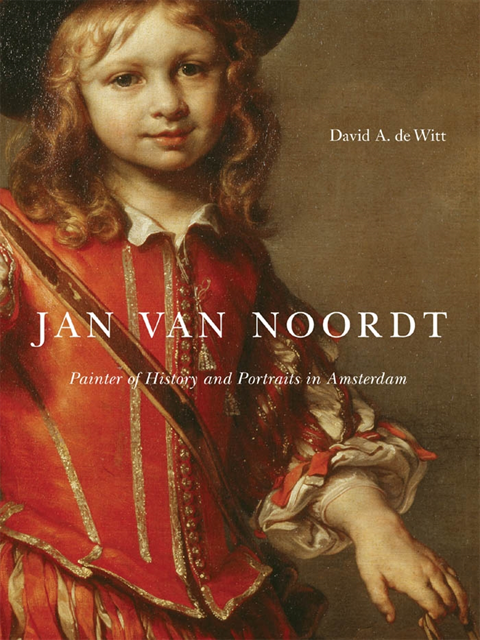
Jan van Noordt
Painter of History and Portraits in Amsterdam
E-bok, 2007
1724 kr
Lägg i varukorg
De Witt offers a detailed biography based on a thorough review of the documentary evidence. He traces Van Noordt''s origins back to a prominent musical family, details his artistic development under the guidance of prominent Amsterdam painter Jacob Adriaensz Backer, and reveals his synthesis of the …
Jan Van Noordt
Painter of History and Portraits in Amsterdam
Inbunden, 2007
2140 kr
Tillfälligt slut
The first monograph of the life and work of a significant but little known Dutch Baroque painter
Not Always Rembrandt
37 Studies in Baroque Painting and Drawing
Av Rudie Van Leeuwen, Lilian Ruhe m. fl.
Inbunden, 2023
1210 kr
Tillfälligt slut
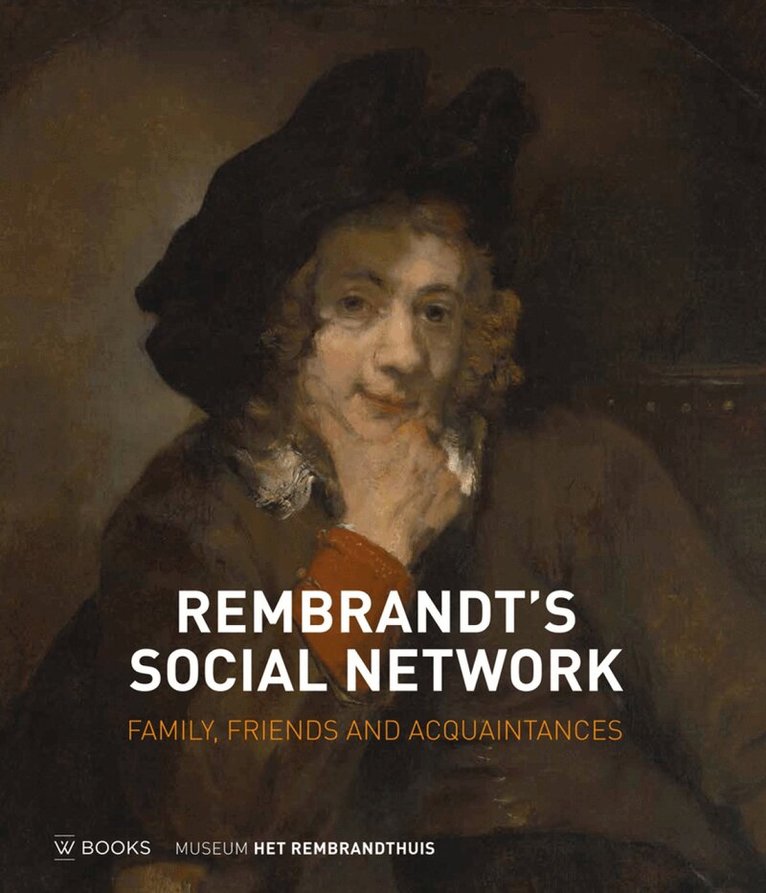
Rembrandt's Social Network
Family, Friends and Acquaintances
Häftad, 2019
292 kr
Tillfälligt slut
Rembrandt seems to have been an artist who took little notice of other people. Yet he had a family, friends and acquaintances who helped him, bought his art, lent him money, challenged him artistically and inspired him. He would never have become such a great artist without his social network. This …
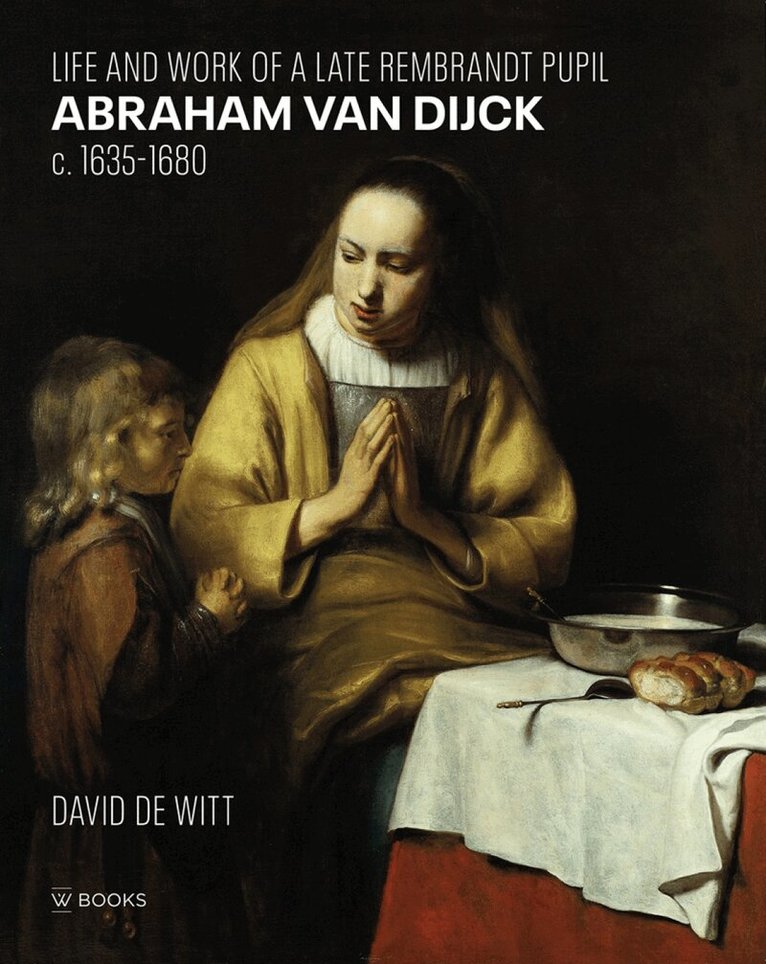
Abraham Van Dijck (1635-1680)
Inbunden, 2020
556 kr
Tillfälligt slut
In the years around 1651, Rembrandts young charges followed him in the turn of his late style, with its concentration, inner emotion, impasto handling, and restrained dynamism.Around then the young Abraham van Dijck also arrived from Dordrecht to complete his studies. He quickly grasped his …