David E. Sutton - Böcker
Visar alla böcker från författaren David E. Sutton. Handla med fri frakt och snabb leverans.
10 produkter
10 produkter
Del 52 - California Studies in Food and Culture
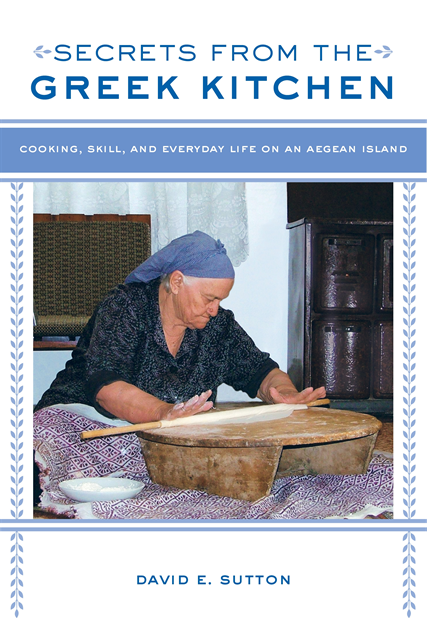
Secrets from the Greek Kitchen
Cooking, Skill, and Everyday Life on an Aegean Island
Inbunden, Engelska, 2014
1 249 kr
Skickas inom 3-6 vardagar
Secrets from the Greek Kitchen explores how cooking skills, practices, and knowledge on the island of Kalymnos are reinforced or transformed by contemporary events. Based on more than twenty years of research and the author's videos of everyday cooking techniques, this rich ethnography treats the kitchen as an environment in which people pursue tasks, display expertise, and confront culturally defined risks. Kalymnian islanders, both women and men, use food as a way of evoking personal and collective memory, creating an elaborate discourse on ingredients, tastes, and recipes. Author David E. Sutton focuses on micropractices in the kitchen, such as the cutting of onions, the use of a can opener, and the rolling of phyllo dough, along with cultural changes, such as the rise of televised cooking shows, to reveal new perspectives on the anthropology of everyday living.
Del 52 - California Studies in Food and Culture
Secrets from the Greek Kitchen
Cooking, Skill, and Everyday Life on an Aegean Island
Häftad, Engelska, 2014
304 kr
Skickas inom 7-10 vardagar
Secrets from the Greek Kitchen explores how cooking skills, practices, and knowledge on the island of Kalymnos are reinforced or transformed by contemporary events. Based on more than twenty years of research and the author's videos of everyday cooking techniques, this rich ethnography treats the kitchen as an environment in which people pursue tasks, display expertise, and confront culturally defined risks. Kalymnian islanders, both women and men, use food as a way of evoking personal and collective memory, creating an elaborate discourse on ingredients, tastes, and recipes. Author David E. Sutton focuses on micropractices in the kitchen, such as the cutting of onions, the use of a can opener, and the rolling of phyllo dough, along with cultural changes, such as the rise of televised cooking shows, to reveal new perspectives on the anthropology of everyday living.
1 747 kr
Skickas inom 3-6 vardagar
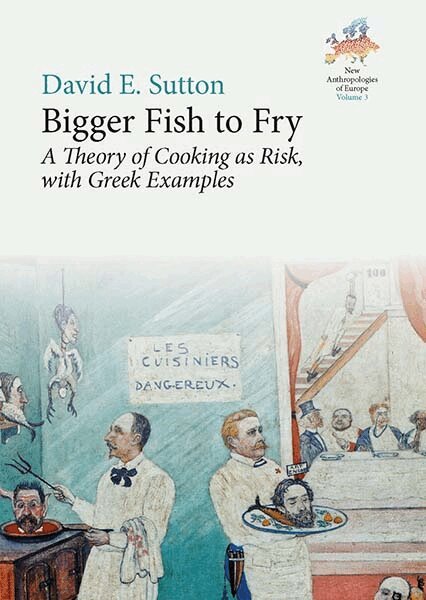
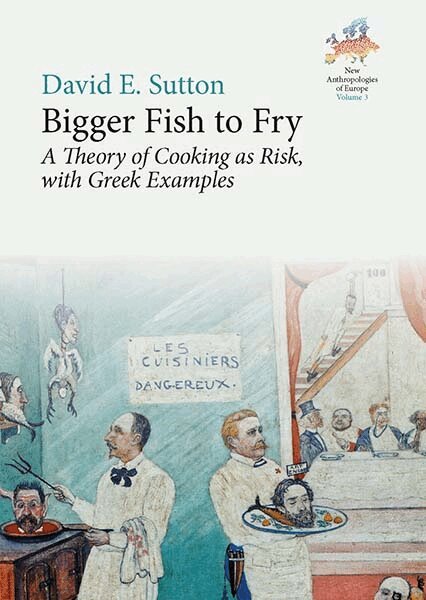
What defines cooking as cooking, and why does cooking matter to the understanding of society, cultural change and everyday life? This book explores these questions by proposing a new theory of the meaning of cooking as a willingness to put oneself and one’s meals at risk on a daily basis. Richly illustrated with examples from the author’s anthropology fieldwork in Greece, Bigger Fish to Fry proposes a new approach to the meaning of cooking and how the study of cooking can reshape our understanding of social processes more generally.
320 kr
Skickas
What defines cooking as cooking, and why does cooking matter to the understanding of society, cultural change and everyday life? This book explores these questions by proposing a new theory of the meaning of cooking as a willingness to put oneself and one’s meals at risk on a daily basis. Richly illustrated with examples from the author’s anthropology fieldwork in Greece, Bigger Fish to Fry proposes a new approach to the meaning of cooking and how the study of cooking can reshape our understanding of social processes more generally.
1 572 kr
Skickas inom 10-15 vardagar
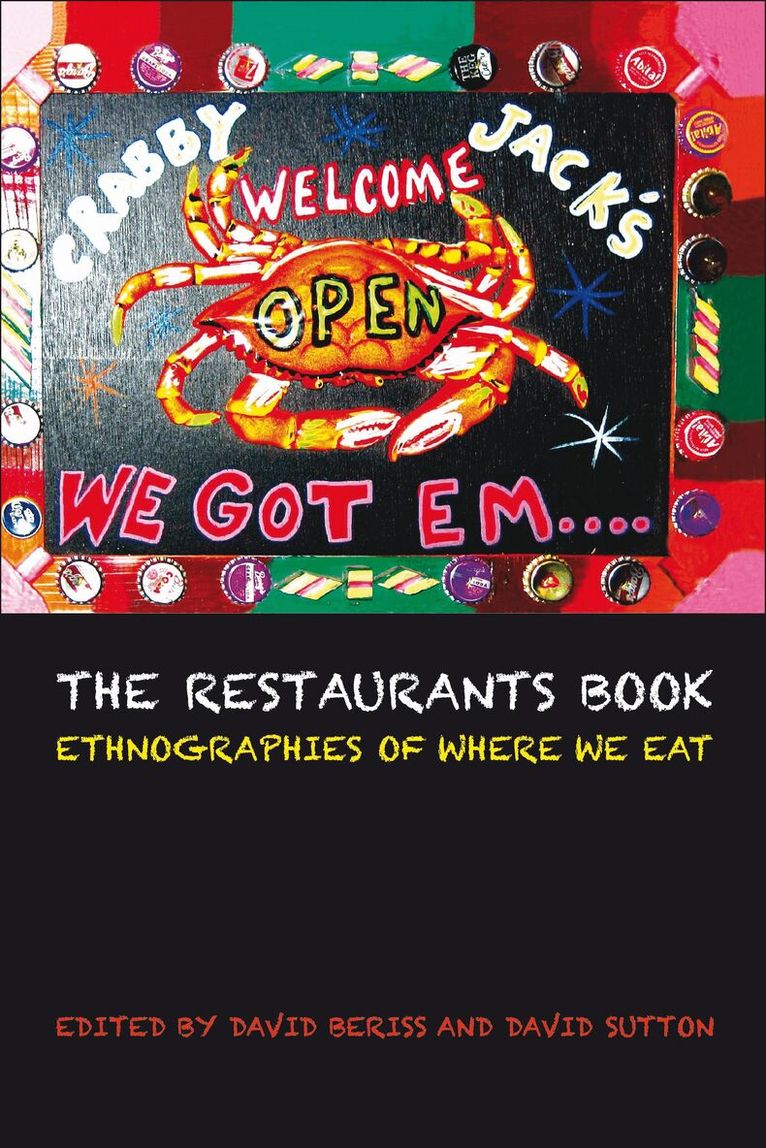
Is the restaurant an ideal total social phenomenon for the contemporary world? Restaurants are framed by the logic of the market, but promise experiences not of the market. Restaurants are key sites for practices of social distinction, where chefs struggle for recognition as stars and patrons insist on seeing and being seen. Restaurants define urban landscapes, reflecting and shaping the character of neighborhoods, or standing for the ethos of an entire city or nation. Whether they spread authoritarian French organizational models or the bland standardization of American fast food, restaurants have been accused of contributing to the homogenization of cultures. Yet restaurants have also played a central role in the reassertion of the local, as powerful cultural brokers and symbols for protests against a globalized food system. The Restaurants Book brings together anthropological insights into these thoroughly postmodern places.
448 kr
Skickas inom 10-15 vardagar
Is the restaurant an ideal total social phenomenon for the contemporary world? Restaurants are framed by the logic of the market, but promise experiences not of the market. Restaurants are key sites for practices of social distinction, where chefs struggle for recognition as stars and patrons insist on seeing and being seen. Restaurants define urban landscapes, reflecting and shaping the character of neighborhoods, or standing for the ethos of an entire city or nation. Whether they spread authoritarian French organizational models or the bland standardization of American fast food, restaurants have been accused of contributing to the homogenization of cultures. Yet restaurants have also played a central role in the reassertion of the local, as powerful cultural brokers and symbols for protests against a globalized food system. The Restaurants Book brings together anthropological insights into these thoroughly postmodern places.
1 703 kr
Skickas inom 10-15 vardagar
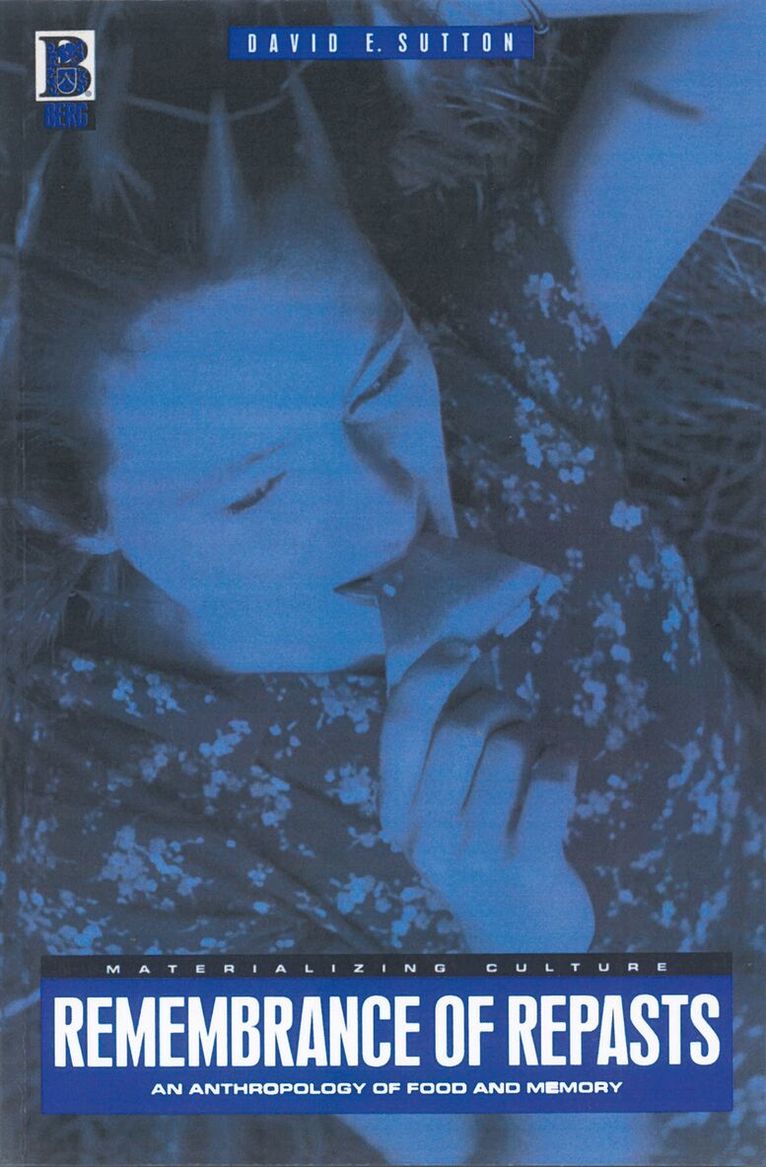
Proust's famous madeleine captures the power of food to evoke some of our deepest memories. Why does food hold such power? What does the growing commodification and globalization of food mean for our capacity to store the past in our meals - in the smell of olive oil or the taste of a fresh-cut fig? This book offers a theoretical account of the interrelationship of culture, food and memory. Sutton challenges and expands anthropology's current focus on issues of embodiment, memory and material culture, especially in relation to transnational migration and the flow of culture across borders and boundaries. The Greek island of Kalymnos in the eastern Aegean, where Islanders claim to remember meals long past -- both humble and spectacular - provides the main setting for these issues, as well as comparative materials drawn from England and the United States. Despite the growing interest in anthropological accounts of food and in the cultural construction of memory, the intersection of food with memory has not been accorded sustained examination.Cultural practices of feasting and fasting, global flows of food as both gifts and commodities, the rise of processed food and the relationship of orally transmitted recipes to the vast market in speciality cookbooks tie traditional anthropological mainstays such as ritual, exchange and death to more current concerns with structure and history, cognition and the 'anthropology of the senses'. Arguing for the crucial role of a simultaneous consideration of food and memory, this book significantly advances our understanding of cultural processes and reformulates current theoretical preoccupations.
408 kr
Skickas inom 10-15 vardagar
Prousts famous madeleine captures the power of food to evoke some of our deepest memories. Why does food hold such power? What does the growing commodification and globalization of food mean for our capacity to store the past in our meals in the smell of olive oil or the taste of a fresh-cut fig? This book offers a theoretical account of the interrelationship of culture, food and memory. Sutton challenges and expands anthropology's current focus on issues of embodiment, memory and material culture, especially in relation to transnational migration and the flow of culture across borders and boundaries. The Greek island of Kalymnos in the eastern Aegean, where Islanders claim to remember meals long past -- both humble and spectacular provides the main setting for these issues, as well as comparative materials drawn from England and the United States. Despite the growing interest in anthropological accounts of food and in the cultural construction of memory, the intersection of food with memory has not been accorded sustained examination.Cultural practices of feasting and fasting, global flows of food as both gifts and commodities, the rise of processed food and the relationship of orally transmitted recipes to the vast market in speciality cookbooks tie traditional anthropological mainstays such as ritual, exchange and death to more current concerns with structure and history, cognition and the anthropology of the senses. Arguing for the crucial role of a simultaneous consideration of food and memory, this book significantly advances our understanding of cultural processes and reformulates current theoretical preoccupations.
2 166 kr
Skickas inom 10-15 vardagar
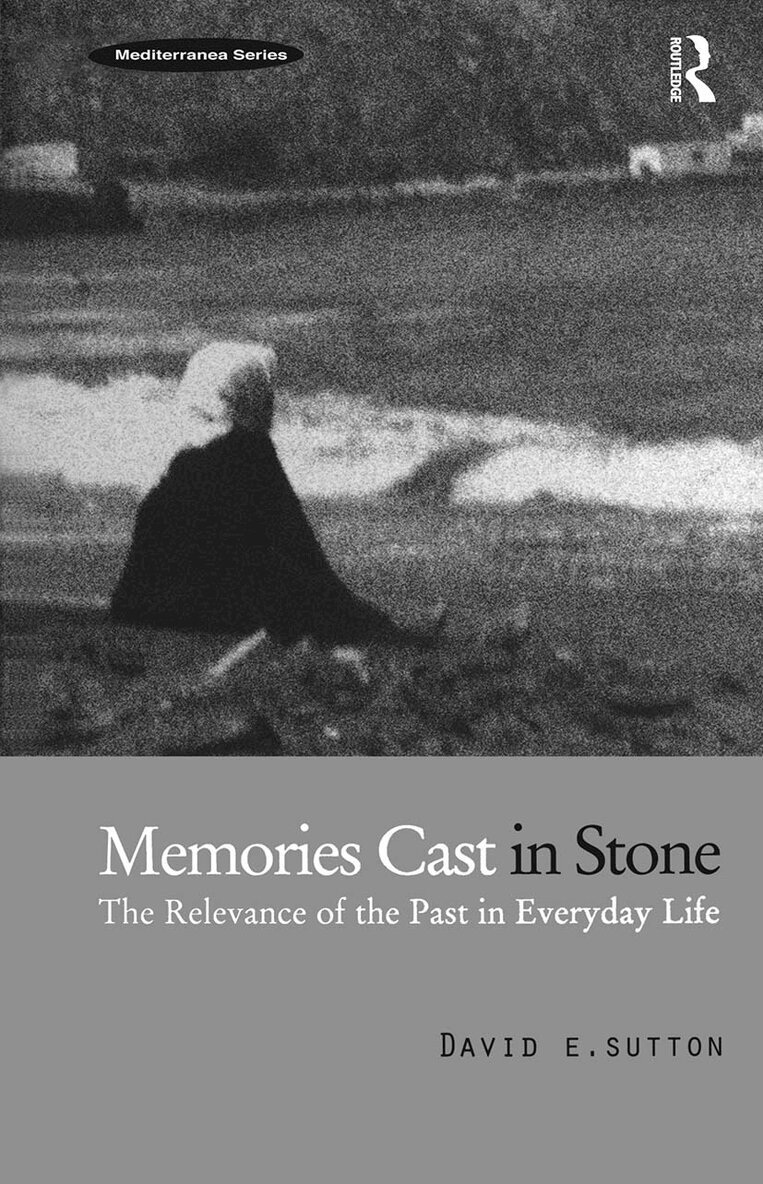
How does the past matter in the present? How is a feeling of ‘ownership' of the past expressed in people's everyday lives? Should continuity with the distant past be seen as simply a nationalist fiction or is it transformed by local historical imagination? While recent anthropological studies have focused on reconstructing disputed histories, this book examines the multiple ways in which the past is used by people as a critical resource for interpreting the meanings of a changing present. It poses the issue of the felt relevance of the past in constructing present day identities. The Greek island of Kalymnos is a barren and seemingly bucolic setting of tourist imagination. But its history has been one of almost continuous occupation by foreign powers and of often fierce resistance. This has made Kalymnians particularly sensitive to seeing their island in a much wider context and to understanding the ‘games played by the powerful'. In examining changing gender relations, European integration, and local perceptions of the war in the former Yugoslavia, this book brings together local, national and international perspectives in a unified field. Controversial contemporary practices of dynamite throwing and dowry giving serve as tropes through which Kalymnians explore alternative ways of living in a changing world. Further, the author argues persuasively for the crucial importance of situated fieldwork in ‘peripheral'places in understanding the issues and conflicts of a transnational world. This book serves as an highly readable case study of the complex connections between local and global discourses and practices, and how they are shaped by their relationship to the past.
569 kr
Skickas inom 10-15 vardagar
How does the past matter in the present? How is a feeling of ‘ownership' of the past expressed in people's everyday lives? Should continuity with the distant past be seen as simply a nationalist fiction or is it transformed by local historical imagination? While recent anthropological studies have focused on reconstructing disputed histories, this book examines the multiple ways in which the past is used by people as a critical resource for interpreting the meanings of a changing present. It poses the issue of the felt relevance of the past in constructing present day identities. The Greek island of Kalymnos is a barren and seemingly bucolic setting of tourist imagination. But its history has been one of almost continuous occupation by foreign powers and of often fierce resistance. This has made Kalymnians particularly sensitive to seeing their island in a much wider context and to understanding the ‘games played by the powerful'. In examining changing gender relations, European integration, and local perceptions of the war in the former Yugoslavia, this book brings together local, national and international perspectives in a unified field. Controversial contemporary practices of dynamite throwing and dowry giving serve as tropes through which Kalymnians explore alternative ways of living in a changing world. Further, the author argues persuasively for the crucial importance of situated fieldwork in ‘peripheral'places in understanding the issues and conflicts of a transnational world. This book serves as an highly readable case study of the complex connections between local and global discourses and practices, and how they are shaped by their relationship to the past.