David F. Richter – författare
Visar alla böcker från författaren David F. Richter. Handla med fri frakt och snabb leverans.
6 produkter
6 produkter
Inbunden, Engelska, 2014
1 752 kr
Skickas inom 10-15 vardagar
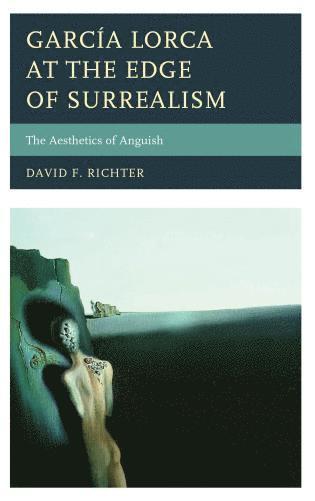
García Lorca at the Edge of Surrealism: The Aesthetics of Anguish examines the variations of surrealism and surrealist theories in the Spanish context, studied through the poetry, drama, and drawings of Federico García Lorca (1898–1936). In contrast to the idealist and subconscious tenets espoused by surrealist leader André Breton, which focus on the marvelous, automatic creative processes, and sublimated depictions of reality, Lorca’s surrealist impulse follows a trajectory more in line with the theories of French intellectuals such as Georges Bataille (1897–1962), who was expelled from Breton’s authoritative group. Bataille critiques the lofty goals and ideals of Bretonian surrealism in the pages of the cultural and anthropological review Documents (1929–1930) in terms of a dissident surrealist ethno-poetics. This brand of the surreal underscores the prevalence of the bleak or darker aspects of reality: crisis, primitive sacrifice, the death drive, and the violent representation of existence portrayed through formless base matter such as blood, excrement, and fragmented bodies.The present study demonstrates that Bataille’s theoretical and poetic expositions, including those dealing with l’informe (the formless) and the somber emptiness of the void, engage the trauma and anxiety of surrealist expression in Spain, particularly with reference to the anguish, desire, and death that figure so prominently in Spanish texts of the 1920s and 1930s often qualified as “surrealist.” Drawing extensively on the theoretical, cultural, and poetic texts of the period, García Lorca at the Edge of Surrealism offers the first book-length consideration of Bataille’s thinking within the Spanish context, examined through the work of Lorca, a singular proponent of what is here referred to as a dissident Spanish surrealism. By reading Lorca’s “surrealist” texts (including Poetaen Nueva York,Viaje a la luna, and El público) through the Bataillean lens, this volume both amplifies our understanding of the poetry and drama of one of the most important Spanish writers of the twentieth century and expands our perspective of what surrealism in Spain means.
E-bok
Engelska, 2014840 kr
Läs direkt efter köp
García Lorca at the Edge of Surrealism: The Aesthetics of Anguish examines the variations of surrealism and surrealist theories in the Spanish context, studied through the poetry, drama, and drawings of Federico García Lorca (1898–1936). In contrast to the idealist and subconscious tenets espoused by surrealist leader André Breton, which focus on the marvelous, automatic creative processes, and sublimated depictions of reality, Lorca’s surrealist impulse follows a trajectory more in line with the theories of French intellectuals such as Georges Bataille (1897–1962), who was expelled from Breton’s authoritative group. Bataille critiques the lofty goals and ideals of Bretonian surrealism in the pages of the cultural and anthropological review Documents (1929–1930) in terms of a dissident surrealist ethno-poetics. This brand of the surreal underscores the prevalence of the bleak or darker aspects of reality: crisis, primitive sacrifice, the death drive, and the violent representation of existence portrayed through formless base matter such as blood, excrement, and fragmented bodies.The present study demonstrates that Bataille’s theoretical and poetic expositions, including those dealing with l’informe (the formless) and the somber emptiness of the void, engage the trauma and anxiety of surrealist expression in Spain, particularly with reference to the anguish, desire, and death that figure so prominently in Spanish texts of the 1920s and 1930s often qualified as “surrealist.” Drawing extensively on the theoretical, cultural, and poetic texts of the period, García Lorca at the Edge of Surrealism offers the first book-length consideration of Bataille’s thinking within the Spanish context, examined through the work of Lorca, a singular proponent of what is here referred to as a dissident Spanish surrealism. By reading Lorca’s “surrealist” texts (including Poetaen Nueva York,Viaje a la luna, and El público) through the Bataillean lens, this volume both amplifies our understanding of the poetry and drama of one of the most important Spanish writers of the twentieth century and expands our perspective of what surrealism in Spain means.
Häftad, Engelska, 2016
801 kr
Skickas inom 10-15 vardagar
García Lorca at the Edge of Surrealism: The Aesthetics of Anguish examines the variations of surrealism and surrealist theories in the Spanish context, studied through the poetry, drama, and drawings of Federico García Lorca (1898–1936). In contrast to the idealist and subconscious tenets espoused by surrealist leader André Breton, which focus on the marvelous, automatic creative processes, and sublimated depictions of reality, Lorca’s surrealist impulse follows a trajectory more in line with the theories of French intellectuals such as Georges Bataille (1897–1962), who was expelled from Breton’s authoritative group. Bataille critiques the lofty goals and ideals of Bretonian surrealism in the pages of the cultural and anthropological review Documents (1929–1930) in terms of a dissident surrealist ethno-poetics. This brand of the surreal underscores the prevalence of the bleak or darker aspects of reality: crisis, primitive sacrifice, the death drive, and the violent representation of existence portrayed through formless base matter such as blood, excrement, and fragmented bodies.The present study demonstrates that Bataille’s theoretical and poetic expositions, including those dealing with l’informe (the formless) and the somber emptiness of the void, engage the trauma and anxiety of surrealist expression in Spain, particularly with reference to the anguish, desire, and death that figure so prominently in Spanish texts of the 1920s and 1930s often qualified as “surrealist.” Drawing extensively on the theoretical, cultural, and poetic texts of the period, García Lorca at the Edge of Surrealism offers the first book-length consideration of Bataille’s thinking within the Spanish context, examined through the work of Lorca, a singular proponent of what is here referred to as a dissident Spanish surrealism. By reading Lorca’s “surrealist” texts (including Poetaen Nueva York,Viaje a la luna, and El público) through the Bataillean lens, this volume both amplifies our understanding of the poetry and drama of one of the most important Spanish writers of the twentieth century and expands our perspective of what surrealism in Spain means.
Inbunden, Engelska, 2020
1 549 kr
Skickas inom 10-15 vardagar
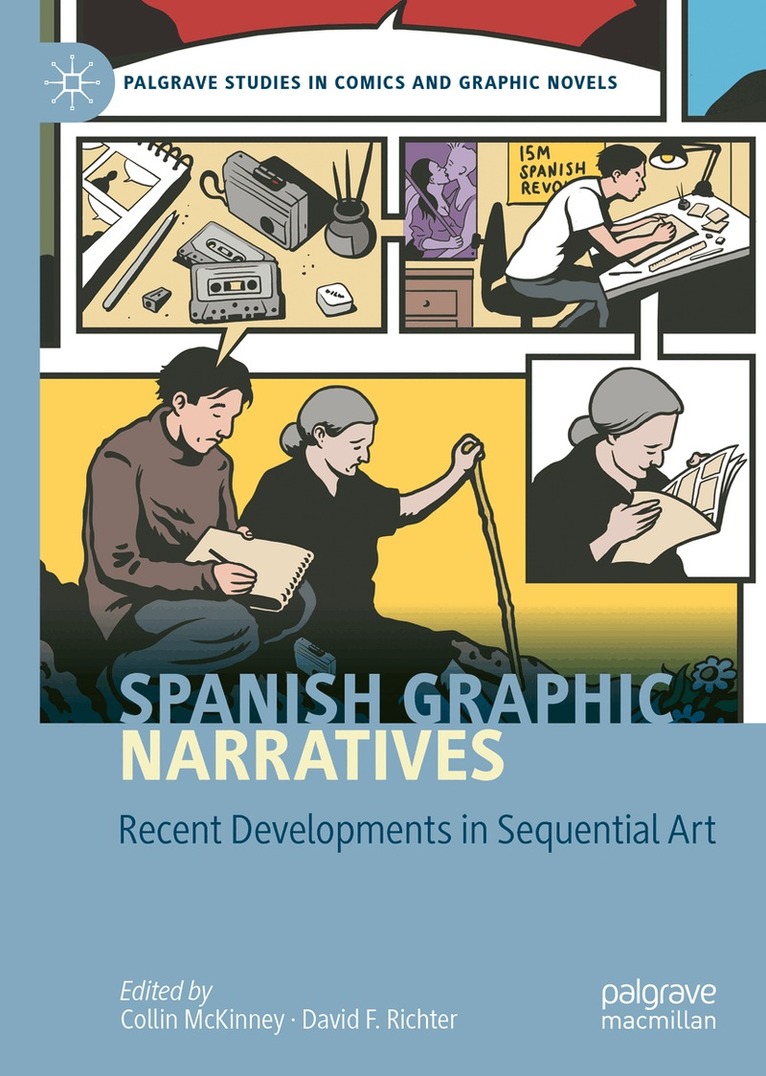
Spanish Graphic Narratives examines the most recent thematic and critical developments in Spanish sequential art, with essays focusing on comics published in Spain since 2007. Considering Spain’s rich literary history, contentious Civil War (1936–39), oppressive Francisco Franco regime (1939–75), and progressive contemporary politics, both the recent graphic novel production in Spain and the thematic focal points of the essays here are greatly varied. Topics of particular interest include studies on the subject of historical and personal memory; representations of gender, race, and identity; and texts dealing with Spanish customs, traditions, and the current political situation in Spain. These overarching topics share many points of contact one with another, and this interrelationship (as well as the many points of divergence) is illustrative of the uniqueness, diversity, and paradoxes of literary and cultural production in modern-day Spain, thus illuminating our understanding of Spanish national consciousness in the present day.
E-bok
Engelska, 20201 831 kr
Läs direkt efter köp
Spanish Graphic Narratives examines the most recent thematic and critical developments in Spanish sequential art, with essays focusing on comics published in Spain since 2007. Considering Spain’s rich literary history, contentious Civil War (1936–39), oppressive Francisco Franco regime (1939–75), and progressive contemporary politics, both the recent graphic novel production in Spain and the thematic focal points of the essays here are greatly varied. Topics of particular interest include studies on the subject of historical and personal memory; representations of gender, race, and identity; and texts dealing with Spanish customs, traditions, and the current political situation in Spain. These overarching topics share many points of contact one with another, and this interrelationship (as well as the many points of divergence) is illustrative of the uniqueness, diversity, and paradoxes of literary and cultural production in modern-day Spain, thus illuminating our understanding of Spanish national consciousness in the present day.
Häftad, Engelska, 2021
1 549 kr
Skickas inom 10-15 vardagar
Spanish Graphic Narratives examines the most recent thematic and critical developments in Spanish sequential art, with essays focusing on comics published in Spain since 2007. Considering Spain’s rich literary history, contentious Civil War (1936–39), oppressive Francisco Franco regime (1939–75), and progressive contemporary politics, both the recent graphic novel production in Spain and the thematic focal points of the essays here are greatly varied. Topics of particular interest include studies on the subject of historical and personal memory; representations of gender, race, and identity; and texts dealing with Spanish customs, traditions, and the current political situation in Spain. These overarching topics share many points of contact one with another, and this interrelationship (as well as the many points of divergence) is illustrative of the uniqueness, diversity, and paradoxes of literary and cultural production in modern-day Spain, thus illuminating our understanding of Spanish national consciousness in the present day.