David G. Orr – författare
Visar alla böcker från författaren David G. Orr. Handla med fri frakt och snabb leverans.
4 produkter
4 produkter
Inbunden, Engelska, 2019
1 145 kr
Skickas inom 10-15 vardagar
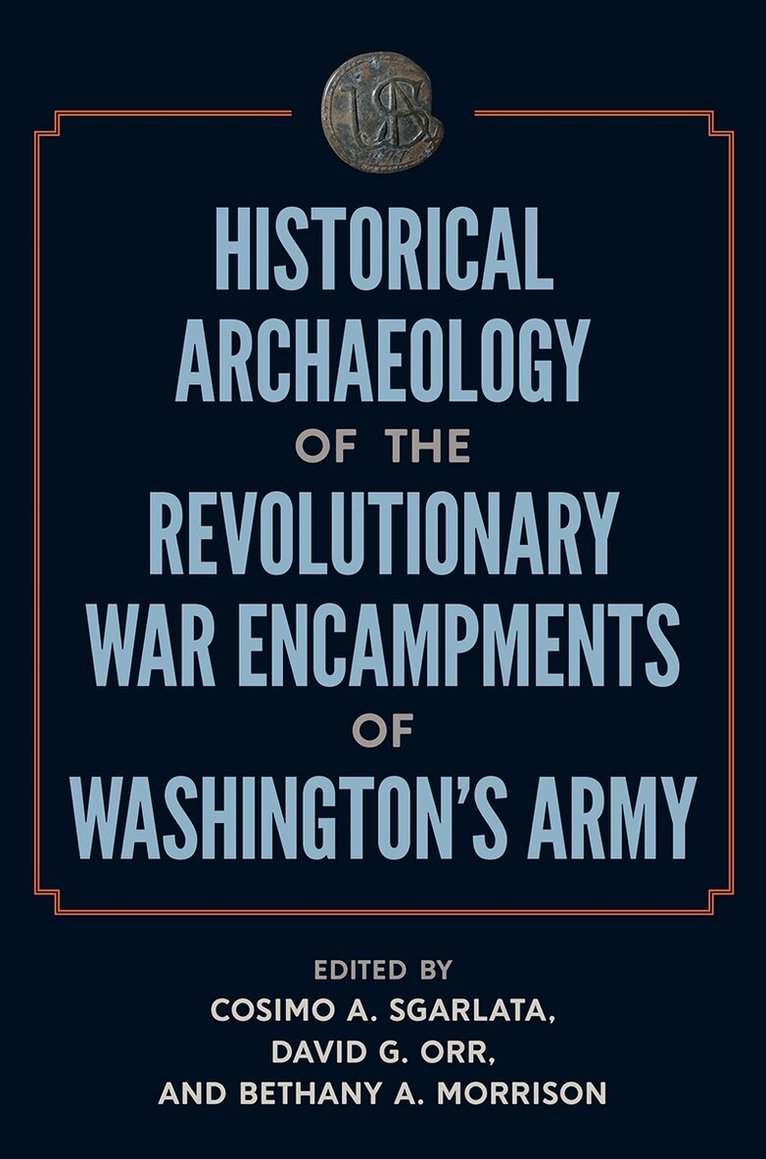
This volume presents recent archaeological and ethnohistorical research on the encampments, trails, and support structures of the Continental Army during the American Revolutionary War, illuminating the daily lives of soldiers, officers, and camp followers apart from the more well-known scenarios of military campaigns and battles. The research featured here includes previously unpublished findings from the winter encampments at Valley Forge, Pennsylvania, as well as work from sites in Redding, Connecticut, and Morristown, New Jersey. Topics range from excavations of a special dining cabin constructed for General George Washington to ballistic analysis of a target range established by General von Steuben. Contributors use experimental archaeology to learn how soldiers constructed their log hut quarters, and they reconstruct Rochambeau’s marching route through Connecticut on his way to help Washington defeat the British at Yorktown. They also describe the under-recognized roles of African descendants, Native peoples, and women who lived and worked at the camps.Showing how archaeology can contribute insights into the American Revolution beyond what historical records convey, this volume calls for protection of and further research into non-conflict sites that were crucial to this formative struggle in the history of the United States.
E-bok
PDF, Engelska, 20191 754 kr
Läs direkt efter köp
This volume presents recent archaeological and ethnohistorical research on the encampments, trails, and support structures of the Continental Army during the American Revolutionary War. These sites illuminate the daily lives of soldiers, officers, and camp followers away from the more well-known military campaigns and battles.The research featured here includes previously unpublished findings from the winter encampments at Valley Forge, Pennsylvania, as well as work from sites in Redding, Connecticut, and Morristown, New Jersey. Topics range from excavations of a special dining cabin constructed for General George Washington to ballistic analysis of a target range established by General von Steuben. Contributors use experimental archaeology to learn how soldiers constructed their log hut quarters, and they reconstruct Rochambeau’s marching route through Connecticut on his way to help Washington defeat the British at Yorktown. They also describe the underrecognized roles of African descendants, Native peoples, and women who lived and worked at the camps.Showing how archaeology can contribute insights into the American Revolution beyond what historical records convey, this volume calls for protection of and further research into non-conflict sites that were crucial to this formative struggle in the history of the United States.Contributors: Cosimo Sgarlata | Joseph Balicki | Joseph R. Blondino | Douglas Campana | Wade P. Catts | Daniel Cruson | Mathew Grubel | Mary Harper | Diane Hassan | David G. Orr | Julia Steele | Laurie Weinstein
E-bok
Engelska, 2026442 kr
Läs direkt efter köp
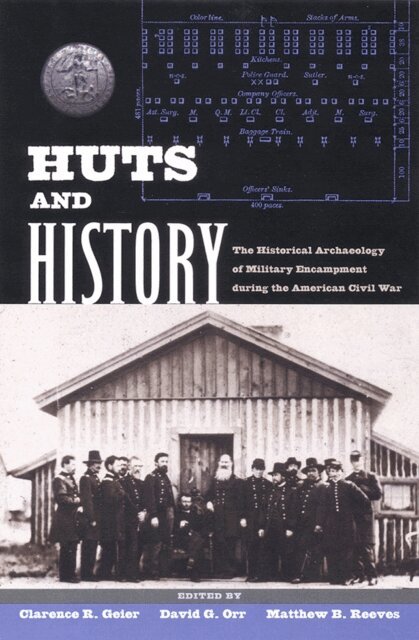
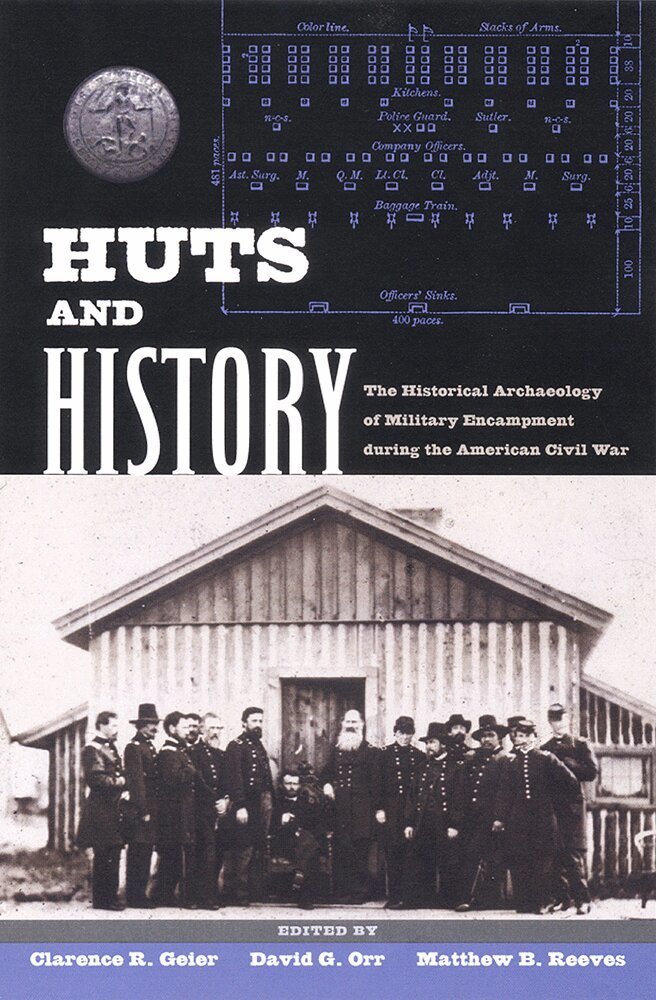
Exploring Civil War camp sites and the lives of the soldiers who lived in themThe American Civil War soldier, confined much of the time to his camp, suffered from boredom and sickness. Encampment was not only tedious but detrimental to his health; far more soldiers died of diseases from sharing close quarters with their comrades than from wounds on the battlefield. Until now, archaeologists have concentrated their study on the battle sites and overlooked the importance of the camps. This edited collection is the first dedicated to the archaeology of Civil War encampments. The authors contend that intensive study to interpret and preserve these sites will help to ensure their protection as well as expand our understanding of the 19th-century soldiers life.Whether they mobilized tens of thousands of men for training or taught maneuvers to smaller groups, encampments are significant in several ways: as cultural landscapes characterized by architectural features, as socially and politically organized mobile communities, and as infrastructures created to support soldiers needs. The authors techniques can be applied to camps not only of the Civil War but the French and Indian War, the American Revolution, the War of 1812, the Mexican War, and the Indian campaign.
Häftad, Engelska, 2026
334 kr
Skickas inom 10-15 vardagar
Exploring Civil War camp sites and the lives of the soldiers who lived in them The American Civil War soldier, confined much of the time to his camp, suffered from boredom and sickness. Encampment was not only tedious but detrimental to his health; far more soldiers died of diseases from sharing close quarters with their comrades than from wounds on the battlefield. Until now, archaeologists have concentrated their study on the battle sites and overlooked the importance of the camps. This edited collection is the first dedicated to the archaeology of Civil War encampments. The authors contend that intensive study to interpret and preserve these sites will help to ensure their protection as well as expand our understanding of the 19th-century soldier’s life. Whether they mobilized tens of thousands of men for training or taught maneuvers to smaller groups, encampments are significant in several ways: as “cultural landscapes” characterized by architectural features, as socially and politically organized “mobile communities,” and as infrastructures created to support soldiers’ needs. The authors’ techniques can be applied to camps not only of the Civil War but the French and Indian War, the American Revolution, the War of 1812, the Mexican War, and the Indian campaign.