David M. Jameson – författare
Visar alla böcker från författaren David M. Jameson. Handla med fri frakt och snabb leverans.
15 produkter
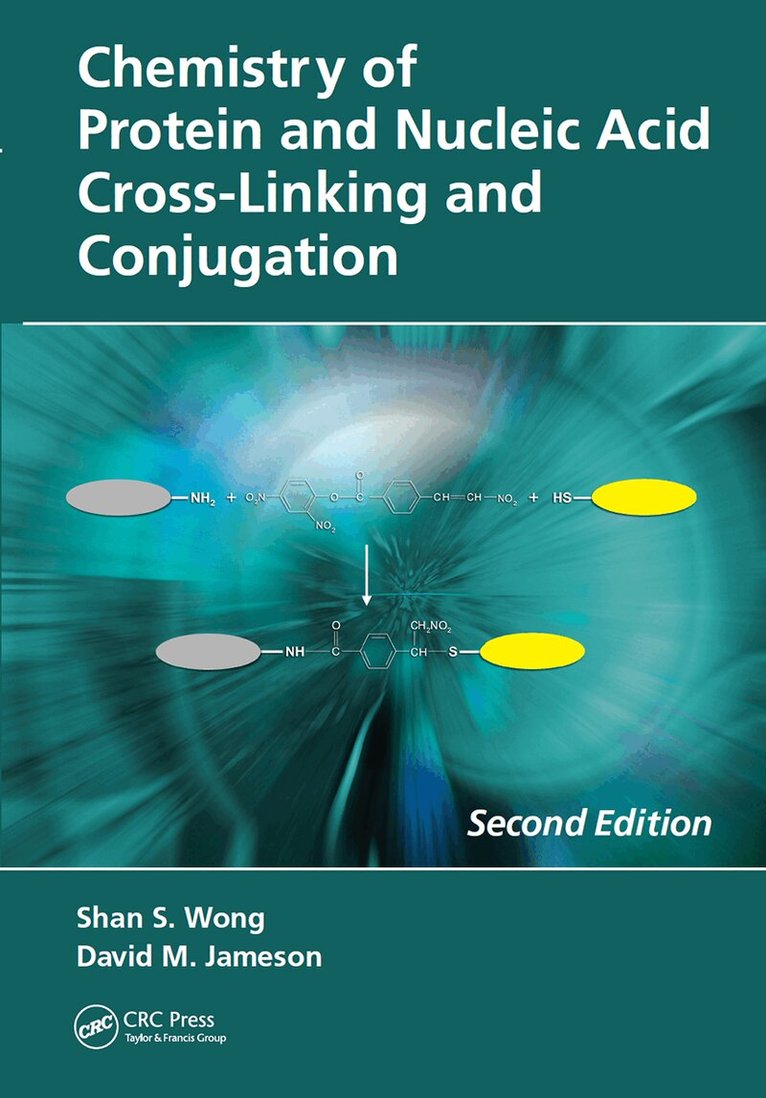
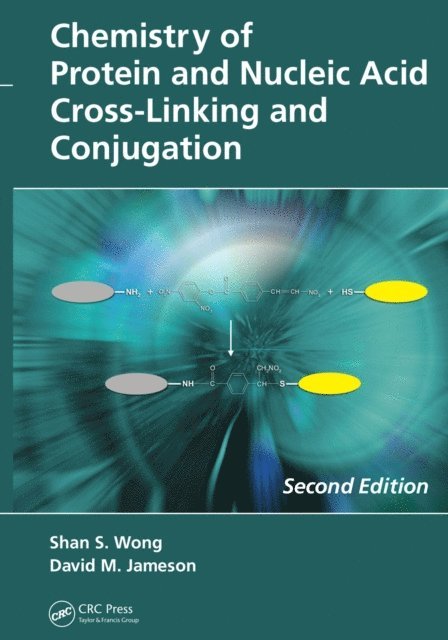
Chemistry of Protein and Nucleic Acid Cross-Linking and Conjugation
Av Shan S. Wong, David M. Jameson
Inbunden, 2011
4217 kr
Lägg i varukorg
Since the publication of the first edition of Chemistry of Protein Conjugation and Cross-Linking in 1991, new cross-linking reagents, notably multifunctional cross-linkers, have been developed and synthesized. The completion of the human genome project has opened a new area for studying nucleic …
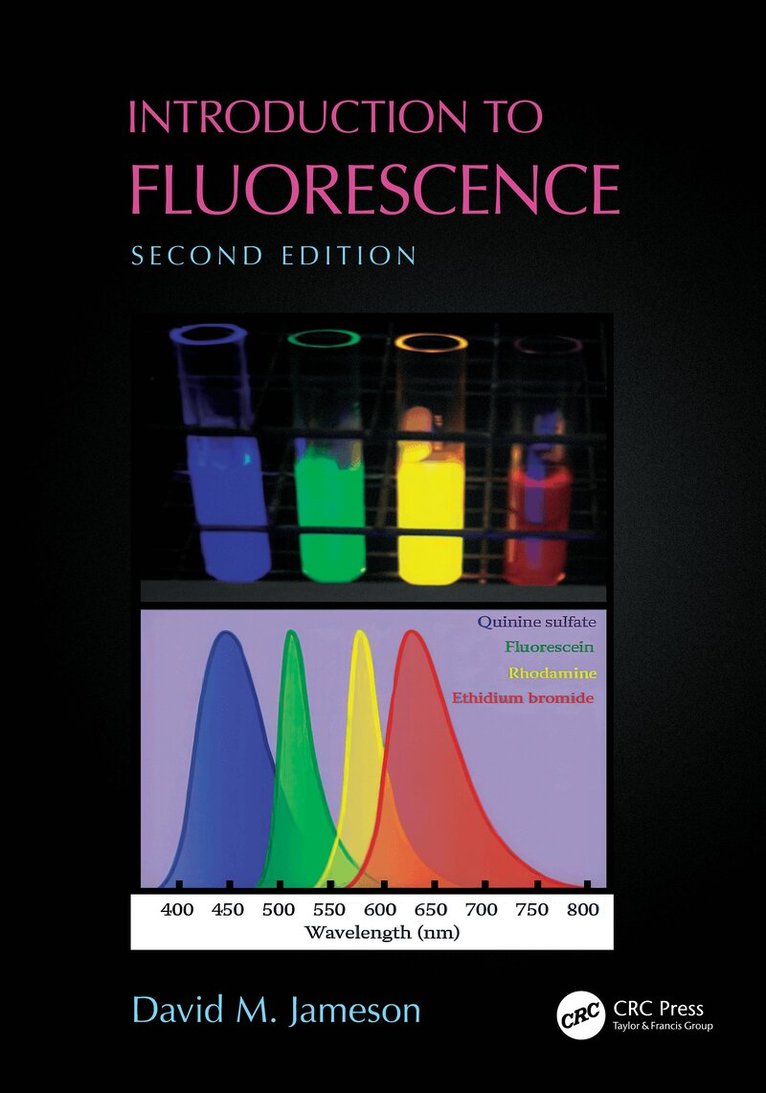
Introduction to Fluorescence
Inbunden, 2025
1226 kr
Lägg i varukorg
The phenomenon known as ‘fluorescence’ is now widely used in the chemical, physical and life sciences largely due to the development of highly sophisticated fluorescent probe chemistries and the commercial availability of these probes as well as the development of novel microscopy approaches. This …
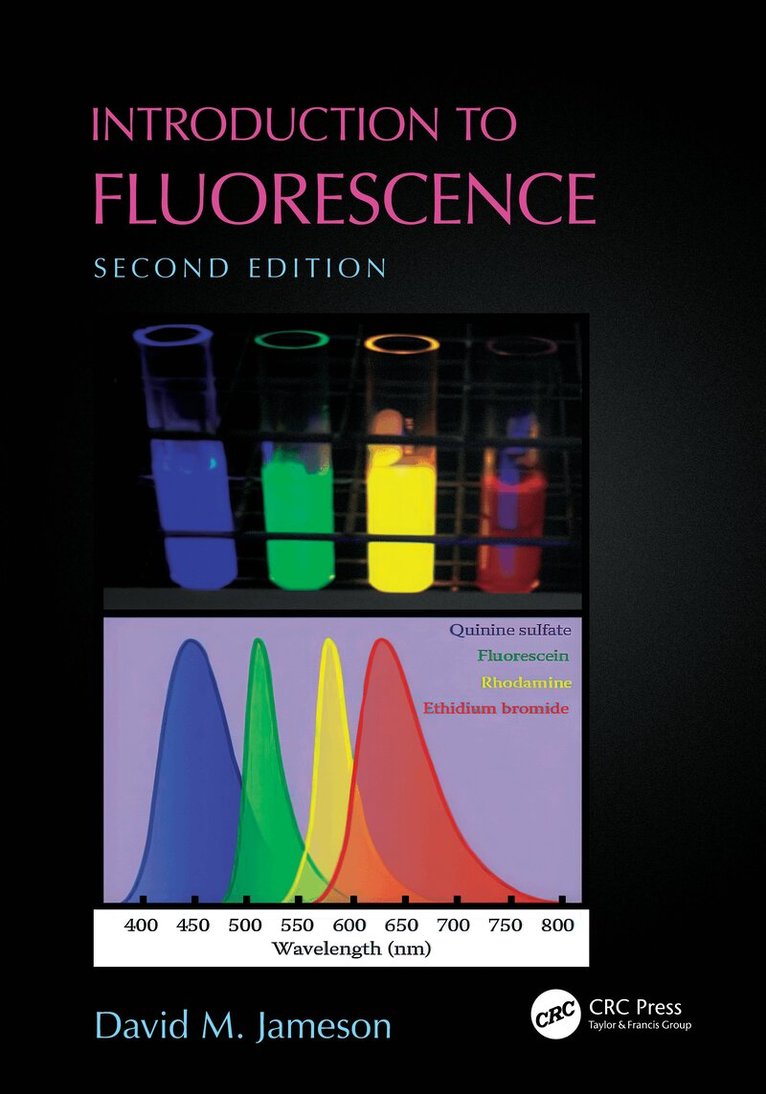
Introduction to Fluorescence
Häftad, 2026
834 kr
Lägg i varukorg
The phenomenon known as ‘fluorescence’ is now widely used in the chemical, physical and life sciences largely due to the development of highly sophisticated fluorescent probe chemistries and the commercial availability of these probes as well as the development of novel microscopy approaches. This …
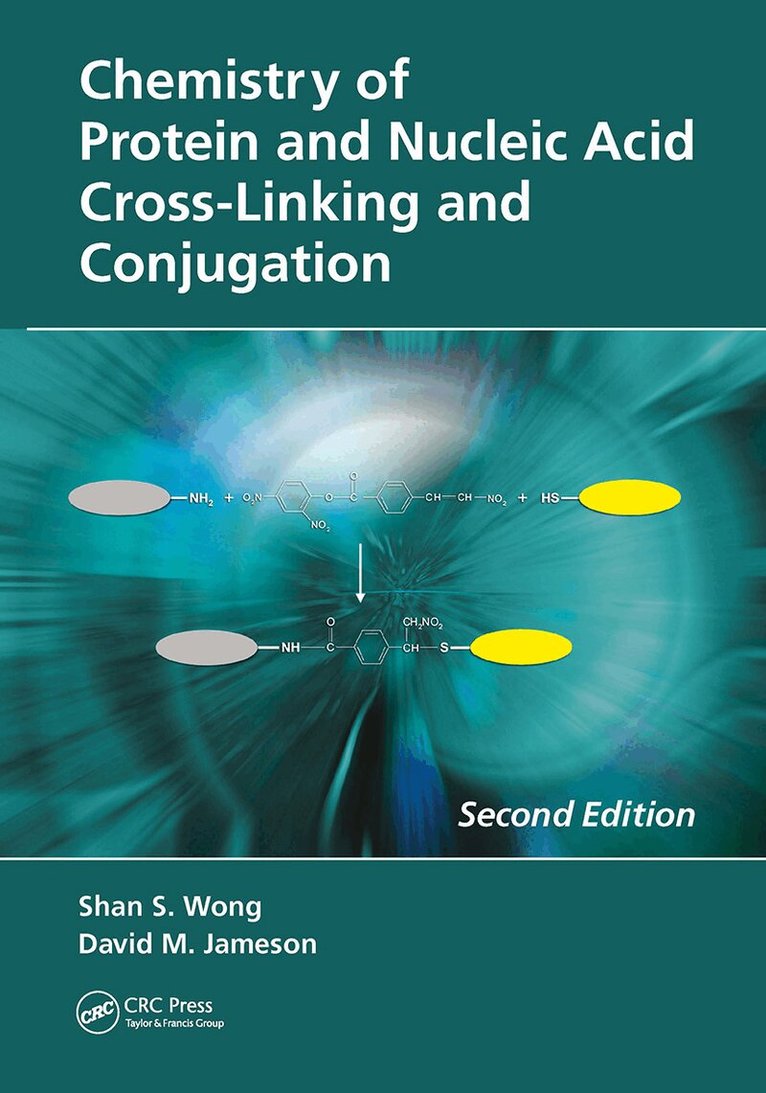
Chemistry of Protein and Nucleic Acid Cross-Linking and Conjugation
Av Shan S. Wong, David M. Jameson
Häftad, 2024
747 kr
Lägg i varukorg
Since the publication of the first edition of Chemistry of Protein Conjugation and Cross-Linking in 1991, new cross-linking reagents, notably multifunctional cross-linkers, have been developed and synthesized. The completion of the human genome project has opened a new area for studying nucleic …
Chemistry of Protein and Nucleic Acid Cross-Linking and Conjugation
Av David M. Jameson, Shan S. Wong
E-bok, 2011
883 kr
Lägg i varukorg
Since the publication of the first edition of Chemistry of Protein Conjugation and Cross-Linking in 1991, new cross-linking reagents, notably multifunctional cross-linkers, have been developed and synthesized. The completion of the human genome project has opened a new area for studying nucleic …
Introduction to Fluorescence
E-bok, 2025
1406 kr
Lägg i varukorg
The phenomenon known as ‘fluorescence’ is now widely used in the chemical, physical and life sciences largely due to the development of highly sophisticated fluorescent probe chemistries and the commercial availability of these probes as well as the development of novel microscopy approaches. This …
Introduction to Fluorescence
E-bok, 2025
1437 kr
Lägg i varukorg
The phenomenon known as ‘fluorescence’ is now widely used in the chemical, physical and life sciences largely due to the development of highly sophisticated fluorescent probe chemistries and the commercial availability of these probes as well as the development of novel microscopy approaches. This …
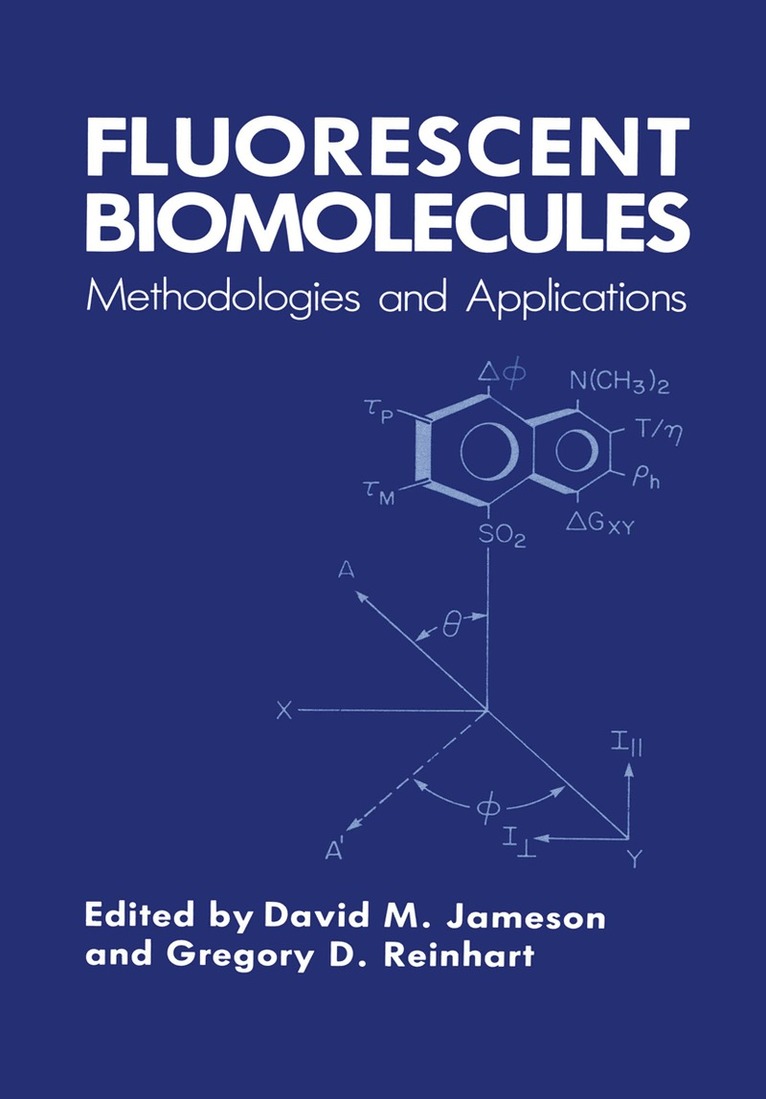
Fluorescent Biomolecules
Methodologies and Applications
Av Gregory D. Reinhart, David M. Jameson
E-bok, 2012
718 kr
Lägg i varukorg
This volume is based on an international symposium held during September 9-12, 1986 in Bocca di Magra, Italy. The intent of the organizers was to bring together expert practitioners of fluorescence spectroscopy, particularly as applied to biological systems, to assess recent developments in the …
Fluorescent Biomolecules
Methodologies and Applications
Av David M. Jameson, Gregory D. Reinhart
Häftad, 2012
551 kr
Lägg i varukorg
This volume is based on an international symposium held during September 9-12, 1986 in Bocca di Magra, Italy. The intent of the organizers was to bring together expert practitioners of fluorescence spectroscopy, particularly as applied to biological systems, to assess recent developments in the …
Perspectives on Fluorescence
A Tribute to Gregorio Weber
Inbunden, 2016
2183 kr
Lägg i varukorg
Gregorio Weber is widely acknowledged as the person responsible for the advent of modern fluorescence spectroscopy. Since 2016 is the 100th anniversary of Gregorio Weber’s birth, this special volume has been prepared to honor his life and achievements. It offers contributions from outstanding …
Perspectives on Fluorescence
A Tribute to Gregorio Weber
E-bok, 2016
2948 kr
Lägg i varukorg
Gregorio Weber is widely acknowledged as the person responsible for the advent of modern fluorescence spectroscopy. Since 2016 is the 100 th anniversary of Gregorio Weber’s birth, this special volume has been prepared to honor his life and achievements. It offers contributions from outstanding …
Perspectives on Fluorescence
A Tribute to Gregorio Weber
Häftad, 2018
2183 kr
Lägg i varukorg
Gregorio Weber is widely acknowledged as the person responsible for the advent of modern fluorescence spectroscopy. Since 2016 is the 100th anniversary of Gregorio Weber’s birth, this special volume has been prepared to honor his life and achievements. It offers contributions from outstanding …
Chemistry of Protein and Nucleic Acid Cross-Linking and Conjugation
Av David M. Jameson, Shan S. Wong
E-bok, 2011
1683 kr
Tillfälligt slut
Since the publication of the first edition of Chemistry of Protein Conjugation and Cross-Linking in 1991, new cross-linking reagents, notably multifunctional cross-linkers, have been developed and synthesized. The completion of the human genome project has opened a new area for studying nucleic …
Introduction to Fluorescence
Inbunden, 2014
891 kr
Tillfälligt slut
The phenomenon known as fluorescence is now widely used in the chemical and life sciences largely due to the development of highly sophisticated fluorescent probe chemistries and the commercial availability of these probes as well as the development of novel microscopy approaches. Introduction to …
Introduction to Fluorescence
E-bok, 2014
678 kr
Tillfälligt slut
In color throughout, this text helps readers acquire a sound understanding of basic fluorescence theory and practice. It takes them through the history of important discoveries to the most current advances. The author introduces the fundamentals of the fluorescence phenomenon and gives detailed …