David R. Maciel - Böcker
Visar alla böcker från författaren David R. Maciel. Handla med fri frakt och snabb leverans.
6 produkter
6 produkter
322 kr
Skickas inom 7-10 vardagar
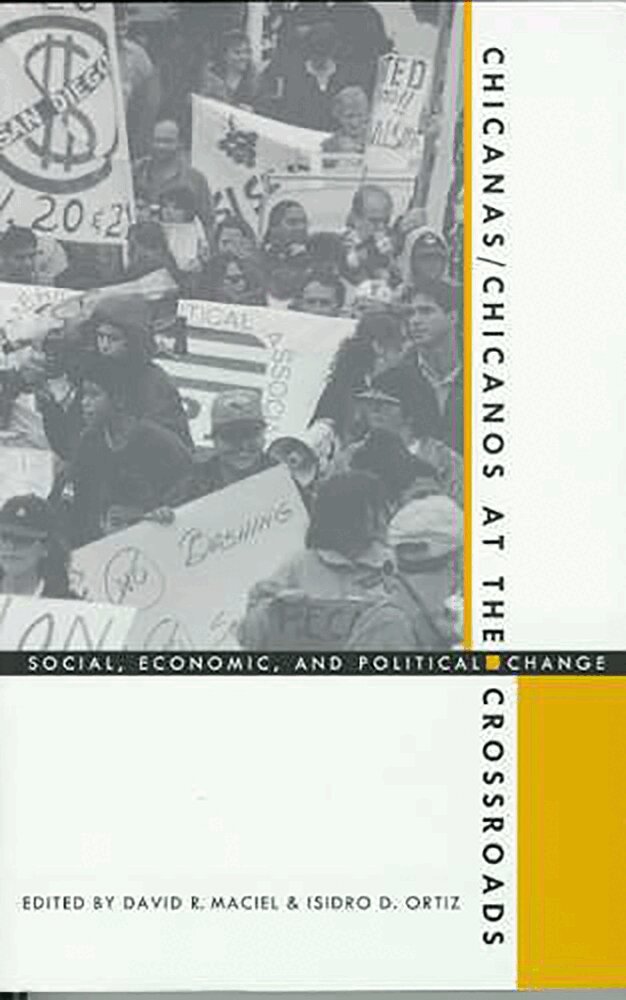
Dubbed the ""decade of the Hispanic,"" the 1980s was instead a period of retrenchment for Chicanas/os as they continued to confront many of the problems and issues of earlier years in the face of a more conservative political environment. Following a substantial increase in activism in the early 1990s, Chicana/o scholars are now prepared to take stock of the Chicano Movement's accomplishments and shortcomings--and the challenges it yet faces--on the eve of a new millennium. Chicanas/Chicanos at the Crossroads is a state-of-the-art assessment of the most significant developments in the conditions, fortunes, and experiences of Chicanas/os since the late seventies, with an emphasis on the years after 1980, which have thus far received little scholarly attention. Ten essays by leading Chicana and Chicano scholars on economic, social, educational, and political trends in Chicana/o life examine such issues as the rapid population growth of Chicanas/os and other Latinos; the ascendancy of Reaganomics and the turn to the right of American politics; the rise of anti-immigrant sentiment; the launching of new initiatives by the Mexican government toward the Chicano community; and the emergence of a new generation of political activists. The authors have been drawn from a broad array of disciplines, ranging from economics to women's studies, in order to offer a multidisciplinary perspective on Chicana/o developments in the contemporary era. The inclusion of authors from different regions of the United States and from divergent backgrounds enhances the broad perspective of the volume. The editors offer this anthology with the intent of providing timely and useful insights and stimulating reflection and scholarship on a diverse and complex population. A testament to three decades of intense social struggle, Chicanas/Chicanos at the Crossroads is ample evidence that the legacy of the Movimiento is alive and well. Contents- Part One: Demographic and Economic Trends Among Chicanas/os-1. Demographic Trends in the Chicano Population: Policy Implications for the Twenty First Century, Susan Gonzalez-Baker-2. Mexican Immigration in the 1980s and Beyond: Implications for Chicanos/as, Leo R. Chavez and Rebecca Martinez-3. Chicanas/os in the Economy: Issues and Challenges Since 1970, Refugio Rochin and Adela de la Torre- Part Two: Chicano Politics: Trajectories and Consequences-4. The Chicano Movement: Its Legacy for Politics and Policy, John A. Garcia-5. Chicano Organizational Politics and Strategies in the Era of Retrenchment, Isidro D. Ortiz-6. Return to Aztlan: Mexican Policy Design Toward Chicanos, Maria Rosa Garcia-Acevedo- Part Three: Chicana/o Educational Struggles: Dimensions, Accomplishments and Challenges-7. Actors Not Victims: Chicanos in the Struggle for Educational Equality, Guadalupe San Miguel-8. Juncture in the Road: Chincano Studies Since El Plan de Santa Barbara, Ignacio Garcia- Part Four: Gender Feminism and Chicanas/os: Developments and Perspectives-9. Gender and Its Discontinuities in Male/Female Domestic Relations: Mexicans in Cross Cultural Context, Adelaida R. Del Castillo-10. With Quill and Torch: A Chicana Perspective on the American Women's Movement and Feminist Theories, Beatriz Pesquera and Denise A. Segura
270 kr
Skickas inom 7-10 vardagar
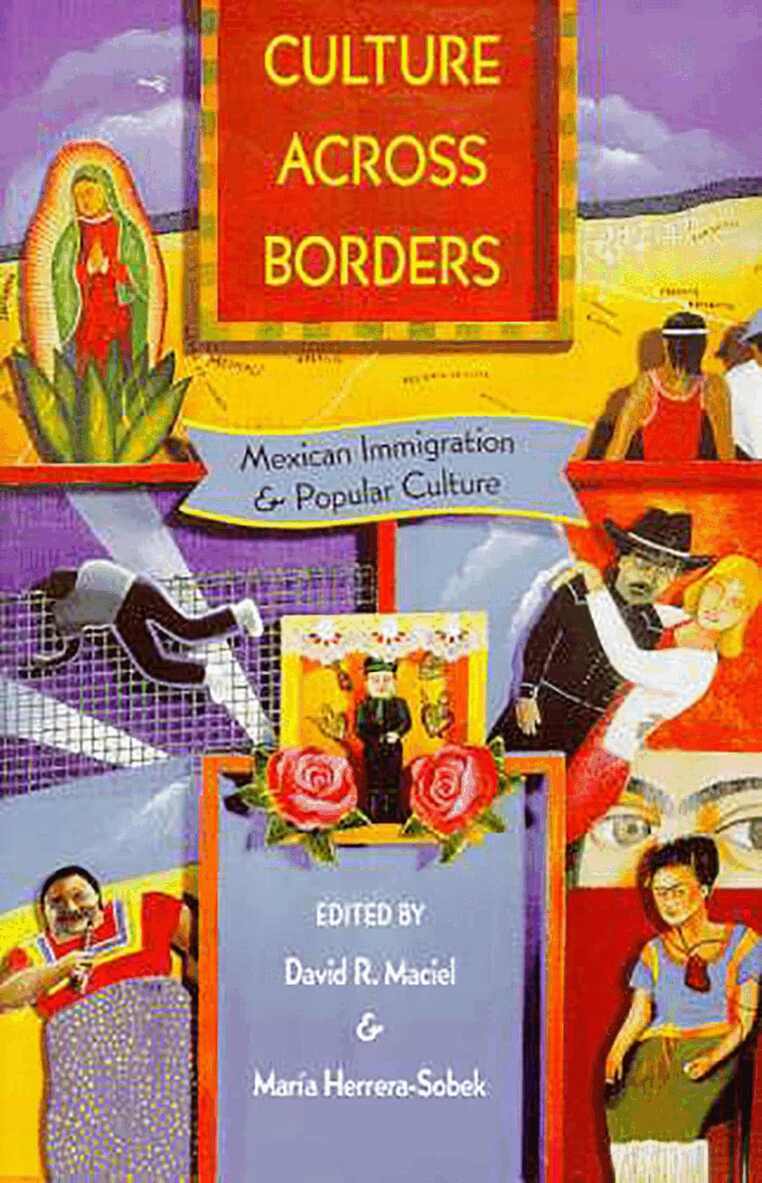
For as long as Mexicans have emigrated to the United States they have responded creatively to the challenges of making a new home. But although historical, sociological, and other aspects of Mexican immigration have been widely studied, its cultural and artistic manifestations have been largely overlooked by scholars even though Mexico has produced the greatest number of cultural works inspired by the immigration process. And recently Chicana/o artists have addressed immigration as a central theme in their cultural productions and motifs. Culture across Borders is the first and only book-length study to analyze a wide range of cultural manifestations of the immigration experience, including art, literature, cinema, corridos, and humor. It shows how Mexican immigrants have been depicted in popular culture both in Mexico and the United States and how Mexican and Chicano/Chicana artists, intellectuals, and others have used artistic means to protest the unjust treatment of immigrants by U.S. authorities.Established and upcoming scholars from both sides of the border contribute their expertise in art history, literary criticism, history, cultural studies, and other fields, capturing the many facets of the immigrant experience in popular culture. Topics include the difference between Chicano/a and Mexican representation of immigration; how films dealing with immigrants are treated differently by Mexican, Chicano, and Hollywood producers; the rich literary and artistic production on immigration themes; and the significance of immigration in Chicano jokes. As a first step in addressing the cultural dimensions of Mexican immigration to the United States, this book captures how the immigration process has inspired powerful creative responses on both sides of the border.
386 kr
Skickas inom 7-10 vardagar
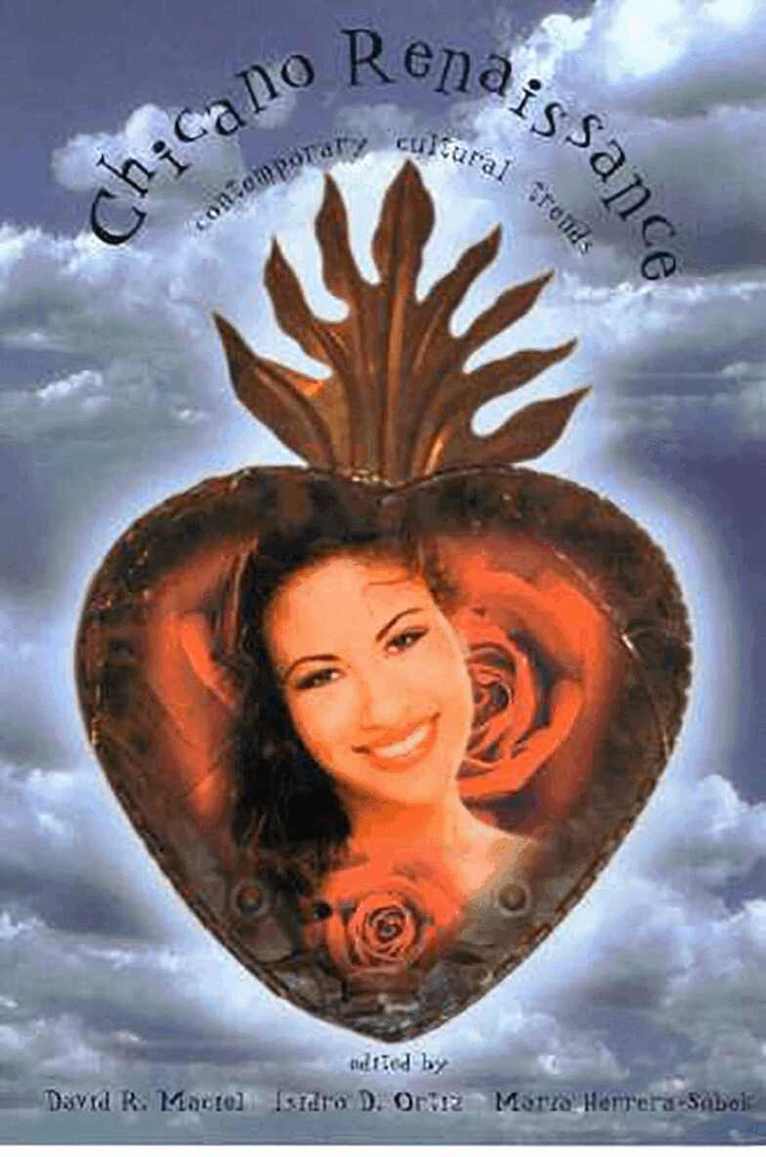
Among the lasting legacies of the Chicano Movement is the cultural flowering that it inspired--one that has steadily grown from the 1960s to the present. It encompassed all of the arts and continues to earn acclaim both nationally and internationally. Although this Chicano artistic renaissance received extensive scholarly attention in its initial phase, the post-Movimiento years after the late 1970s have been largely overlooked. This book meets that need, demonstrating that, despite the changes that have taken place in all areas of Chicana/o arts, a commitment to community revitalization continues to underlie artistic expression. This collection examines changes across a broad range of cultural forms--art, literature, music, cinema and television, radio, and theater--with an emphasis on the last two decades. Original articles by both established and emerging scholars review such subjects as the growth of Tejano music and the rise of Selena, how films and television have affected the Chicana/o experience, the evolution of Chicana/o art over the last twenty years, and postmodern literary trends.In all of the essays, the contributors emphasize that, contrary to the popular notion that Chicanas/os have succumbed to a victim mentality, they continue to actively struggle to shape the conditions of their lives and to influence the direction of American society through their arts and social struggle. Despite decades usually associated with self-interest in the larger society, the spirit of commitment and empowerment has continued to infuse Chicana/o cultural expression and points toward a vibrant future. CONTENTSAll Over the Map: La Onda Tejana and the Making of Selena, Roberto R. CalderonOutside Inside-The Immigrant Workers: Creating Popular Myths, Cultural Expressions, and Personal Politics in Borderlands Southern California, Juan Gomez-Quinones"Yo soy chicano": The Turbulent and Heroic Life of Chicanas/os in Cinema and Television, David R. Maciel and Susan Racho The Politics of Chicano Representation in the Media, Virginia EscalanteChicana/o and Latina/o Gazing: Audiences of the Mass Media, Diana I.Rios An Historical Overview/Update on the State of Chicano Art, George VargasContemporary Chicano Theater, Arturo RamirezBreaking the Silence: Developments in the Publication and Politics of Chicana Creative Writing, 1973-1998, Edwina Barvosa-Carter Trends and Themes in Chicana/o Writings in Postmodern Times, Francisco A. Lomeli, Teresa Marquez, and Maria Herrera-Sobek
534 kr
Skickas inom 3-6 vardagar
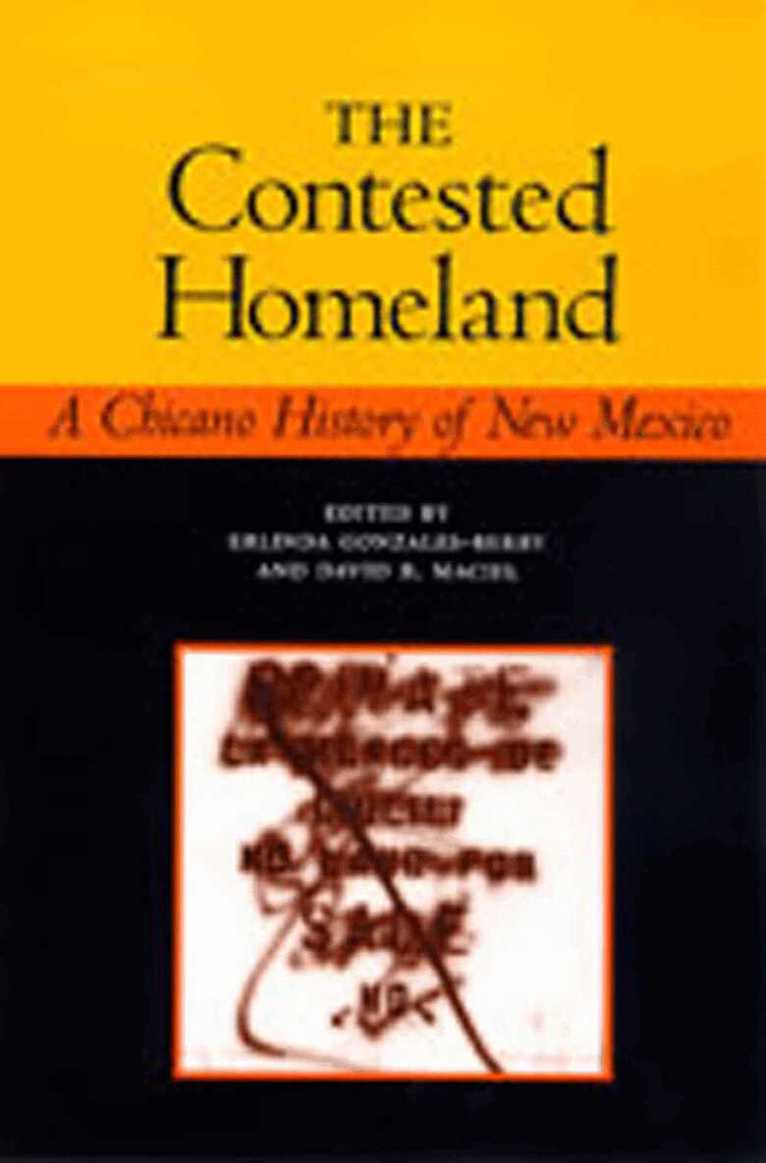
Many books deal with New Mexico's past, but the twelve original essays here reinterpret that history for the first time from a Chicano perspective. Self-determination, resistance, and cultural maintenance are the recurring themes in the lives and struggles of Nuevomexicanos from 1848 to the present. On a more fundamental level, the clash has been over modernisation -- how the Spanish language, folk traditions, and land grants can survive as a heritage for future generations amid English, new and secular values, and real estate booms and speculation. Nuevomexicanos have confronted colonialism, ethnocentrism, and racism throughout their history. But as these essays make clear, pride in Spanish descent runs deep in New Mexico and has led to a vibrancy unmatched in any other region in the United States. Nuevomexicanos have not simply survived or endured. They have secured their influence through the highest level of education among all Chicanos in the United States, through greater political representation at the local and national level-and in both major parties-than in any other state, and through a culture that has simultaneously resisted and adapted to change.
1 476 kr
Skickas inom 10-15 vardagar
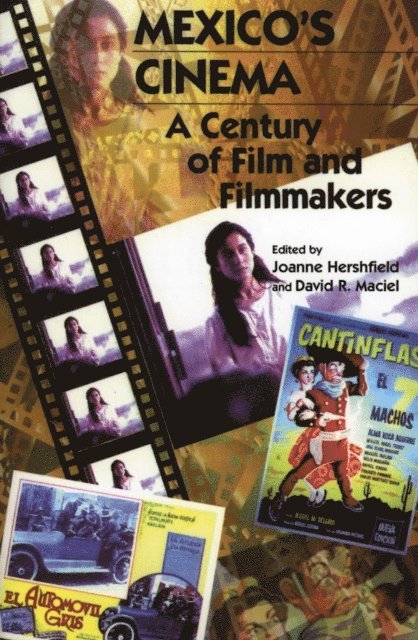
In recent years, Mexican films have received high acclaim and impressive box-office returns. Moreover, Mexico has the most advanced movie industry in the Spanish-speaking world, and its impact on Mexican culture and society cannot be overstated. Mexico's Cinema: A Century of Film and Filmmakers is a collection of fourteen essays that encompass the first 100 years of the cinema of Mexico. Included are original contributions written specifically for this title, plus a few classic pieces in the field of Mexican cinema studies never before available in English. These essays explore a variety of themes including race and ethnicity, gender issues, personalities, and the historical development of a national cinematic style. Each of the book's three sections-The Silent Cinema, The Golden Age, and The Contemporary Era-is preceded by a short introduction to the period and a presentation of the major themes addressed in the section. This insightful anthology is the first published study that includes pieces by Mexican and North American scholars, including a piece by the internationally acclaimed essayist Carlos Monsivais. Contributors include other acclaimed scholars and critics as well as young scholars who are currently making their mark in the area of film studies of Mexico. These authors represent various fields-community studies, film studies, cultural history, ethnic studies, and gender studies-making this volume an interdisciplinary resource, important for courses in Latin America and Third World cinema, Mexican history and culture, and Chicana/o and ethnic studies.
675 kr
Skickas inom 10-15 vardagar
In recent years, Mexican films have received high acclaim and impressive box-office returns. Moreover, Mexico has the most advanced movie industry in the Spanish-speaking world, and its impact on Mexican culture and society cannot be overstated. Mexico's Cinema: A Century of Film and Filmmakers is a collection of fourteen essays that encompass the first 100 years of the cinema of Mexico. Included are original contributions written specifically for this title, plus a few classic pieces in the field of Mexican cinema studies never before available in English. These essays explore a variety of themes including race and ethnicity, gender issues, personalities, and the historical development of a national cinematic style. Each of the book's three sections-The Silent Cinema, The Golden Age, and The Contemporary Era-is preceded by a short introduction to the period and a presentation of the major themes addressed in the section. This insightful anthology is the first published study that includes pieces by Mexican and North American scholars, including a piece by the internationally acclaimed essayist Carlos Monsivais. Contributors include other acclaimed scholars and critics as well as young scholars who are currently making their mark in the area of film studies of Mexico. These authors represent various fields-community studies, film studies, cultural history, ethnic studies, and gender studies-making this volume an interdisciplinary resource, important for courses in Latin America and Third World cinema, Mexican history and culture, and Chicana/o and ethnic studies.