David S. Meyer – författare
Visar alla böcker från författaren David S. Meyer. Handla med fri frakt och snabb leverans.
15 produkter
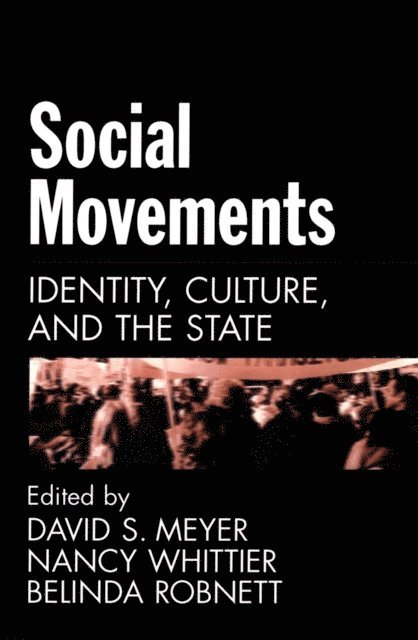
Social Movements
Identity, Culture, and the State
Av Belinda Robnett, Nancy Whittier m. fl.
E-bok, 2002
408 kr
Lägg i varukorg
hy do social movements take the forms they do? How do activists'' efforts and beliefs interact with the cultural and political contexts in which they work? Why do activists take particular strategic paths, and how do their strategies affect the course and impact of the movement? Social Movements …
The Resistance
The Dawn of the Anti-Trump Opposition Movement
Av TARROW MEYER, Tarrow Meyer m. fl.
Inbunden, 2018
2260 kr
Lägg i varukorg
Even before the 2016 presidential election took place, groups and individuals angry at Donald Trump, and frightened about what a Trump presidency could mean, were taking to the streets. After the election, and particularly after he inaugural, the protests continued. Over time, the Resistance was …
The Resistance
The Dawn of the Anti-Trump Opposition Movement
Av David S. Meyer, Sidney Tarrow
Häftad, 2018
565 kr
Lägg i varukorg
Even before the 2016 presidential election took place, groups and individuals angry at Donald Trump, and frightened about what a Trump presidency could mean, were taking to the streets. After the election, and particularly after he inaugural, the protests continued. Over time, the Resistance was …
Resistance
The Dawn of the Anti-Trump Opposition Movement
Av Sidney Tarrow, David S. Meyer
E-bok, 2018
385 kr
Lägg i varukorg
Even before the 2016 presidential election took place, groups and individuals angry at Donald Trump, and frightened about what a Trump presidency could mean, were taking to the streets. After the election, and particularly after he inaugural, the protests continued. Over time, the Resistance was …
Resistance
The Dawn of the Anti-Trump Opposition Movement
Av Sidney Tarrow, David S. Meyer
E-bok, 2018
385 kr
Lägg i varukorg
Even before the 2016 presidential election took place, groups and individuals angry at Donald Trump, and frightened about what a Trump presidency could mean, were taking to the streets. After the election, and particularly after he inaugural, the protests continued. Over time, the Resistance was …
Social Movements
Identity, Culture, and the State
Av Belinda Robnett, Nancy Whittier m. fl.
E-bok, 2002
459 kr
Lägg i varukorg
hy do social movements take the forms they do? How do activists'' efforts and beliefs interact with the cultural and political contexts in which they work? Why do activists take particular strategic paths, and how do their strategies affect the course and impact of the movement? Social Movements …
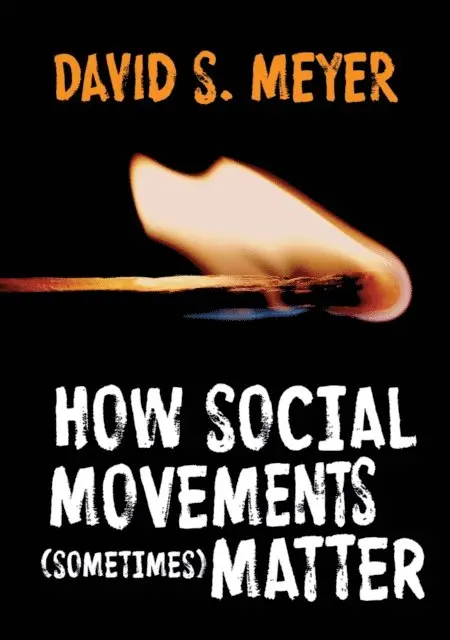
How Social Movements (Sometimes) Matter
Inbunden, 2021
691 kr
Lägg i varukorg
People protest to try to change the world, because they think they can help change the world, and sometimes they do. But not by themselves, and generally not just how and when they want.This incisive book explains how groups of ordinary individuals can affect the world, what makes it possible when …
How Social Movements (Sometimes) Matter
Häftad, 2021
231 kr
Lägg i varukorg
People protest to try to change the world, because they think they can help change the world, and sometimes they do. But not by themselves, and generally not just how and when they want.This incisive book explains how groups of ordinary individuals can affect the world, what makes it possible when …
How Social Movements (Sometimes) Matter
E-bok, 2021
261 kr
Lägg i varukorg
People protest to try to change the world, because they think they can help change the world, and sometimes they do. But not by themselves, and generally not just how and when they want. This incisive book explains how groups of ordinary individuals can affect the world, what makes it possible when …
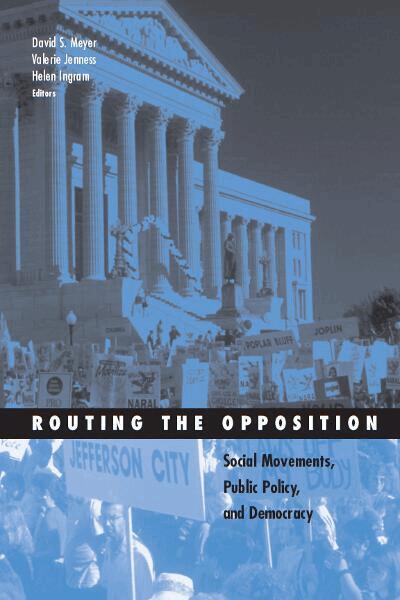
Routing the Opposition
Social Movements, Public Policy, and Democracy
Av David S. Meyer, Valerie Jenness m. fl.
Häftad, 2005
290 kr
Lägg i varukorg
On one side are the policy makers, on the other, the movements and organizations that challenge public policy. Where and how the two meet is a critical juncture in the democratic process. Bringing together a distinguished group of scholars from several different disciplines in the social sciences, …
Social Movement Society
Contentious Politics for a New Century
Av David S. Meyer, Sidney Tarrow
Häftad, 1997
714 kr
Lägg i varukorg
Is there more social protest now than there was prior to the movement politics of the 1960s, and if so, does it result in a distinctly less civil society throughout the world? If everybody protests, what does protest mean in advanced industrial societies? This volume brings together scholars from …
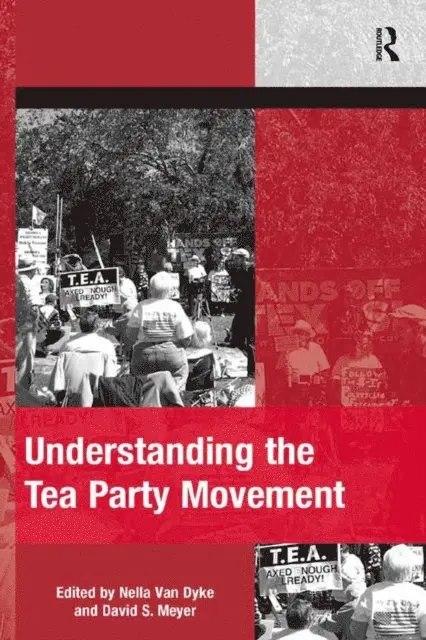
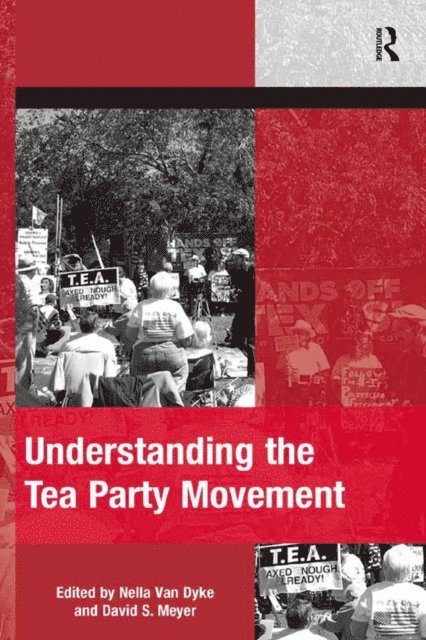
Understanding the Tea Party Movement
Av Nella Van Dyke, David S. Meyer
E-bok, 2016
1074 kr
Lägg i varukorg
Hailing themselves as heirs to the American Revolution, the Tea Party movement staged tax day protests in over 750 US cities in April 2009, quickly establishing a large and volatile social movement. Tea Partiers protested at town hall meetings about health care across the country in August, leading …
Understanding the Tea Party Movement
Av Nella Van Dyke, David S. Meyer
E-bok, 2016
1074 kr
Lägg i varukorg
Hailing themselves as heirs to the American Revolution, the Tea Party movement staged tax day protests in over 750 US cities in April 2009, quickly establishing a large and volatile social movement. Tea Partiers protested at town hall meetings about health care across the country in August, leading …
Understanding the Tea Party Movement
Av Nella Van Dyke, David S. Meyer
Inbunden, 2014
2515 kr
Lägg i varukorg
Hailing themselves as heirs to the American Revolution, the Tea Party movement staged tax day protests in over 750 US cities in April 2009, quickly establishing a large and volatile social movement. Tea Partiers protested at town hall meetings about health care across the country in August, leading …
Understanding the Tea Party Movement
Av Nella Van Dyke, David S. Meyer
Häftad, 2014
911 kr
Lägg i varukorg
Hailing themselves as heirs to the American Revolution, the Tea Party movement staged tax day protests in over 750 US cities in April 2009, quickly establishing a large and volatile social movement. Tea Partiers protested at town hall meetings about health care across the country in August, leading …