Dawesh P. Yadav – författare
Visar alla böcker från författaren Dawesh P. Yadav. Handla med fri frakt och snabb leverans.
6 produkter
6 produkter
Häftad, Engelska, 2025
1 778 kr
Skickas inom 10-15 vardagar
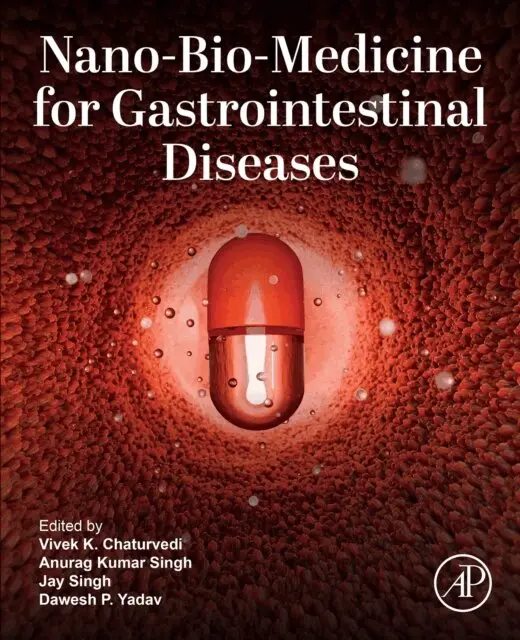
Nano-Bio-Medicine for Gastrointestinal Diseases explores the transformative potential of biomedicine in gastroenterology, from innovative drug delivery systems to nanoscale imaging techniques. The book's content offers a detailed analysis of emerging technologies that are revolutionizing the diagnosis, treatment, and management of gastrointestinal disorders. By addressing conditions like inflammatory bowel disease and gastrointestinal cancers, readers gain a holistic understanding of how biomedicine is reshaping the entire landscape of gastroenterology. With a focus on personalized medicine approaches and future perspectives, this book inspires collaboration and awareness among researchers, medical practitioners, and patients, ultimately leading to improved outcomes and quality of life. Sections cover a wide range of topics that are essential for understanding the intersection of biomedicine and gastroenterology. Beginning with an introduction to NanoBioMedicine and its application in gastrointestinal diseases, readers are guided through nanoscale drug delivery systems, nanoimaging techniques, and nanotheranostics in cancer treatment. Specific chapters address the role of nanotechnology in managing conditions like inflammatory bowel disease and celiac disease, while also exploring the integration of artificial intelligence and big data analytics.Offers a thorough examination of various gastrointestinal conditions such as inflammatory bowel disease, celiac disease, gastrointestinal cancers, and pancreatitisShowcases how biomedicine is reshaping the landscape of gastroenterologyExplores cutting-edge advancements in gastroenterology, including precision medicine, the microbiome-gut-brain axis, endoscopic innovations, and the integration of artificial intelligence and big data analyticsEmphasizes personalized medicine approaches, showcasing the importance of tailoring treatments to each patient's unique characteristics and disease profiles
E-bok
Engelska, 20252 184 kr
Läs direkt efter köp
Nano-Bio-Medicine for Gastrointestinal Diseases explores the transformative potential of biomedicine in gastroenterology, from innovative drug delivery systems to nanoscale imaging techniques. The book's content offers a detailed analysis of emerging technologies that are revolutionizing the diagnosis, treatment, and management of gastrointestinal disorders. By addressing conditions like inflammatory bowel disease and gastrointestinal cancers, readers gain a holistic understanding of how biomedicine is reshaping the entire landscape of gastroenterology. With a focus on personalized medicine approaches and future perspectives, this book inspires collaboration and awareness among researchers, medical practitioners, and patients, ultimately leading to improved outcomes and quality of life. Sections cover a wide range of topics that are essential for understanding the intersection of biomedicine and gastroenterology. Beginning with an introduction to NanoBioMedicine and its application in gastrointestinal diseases, readers are guided through nanoscale drug delivery systems, nanoimaging techniques, and nanotheranostics in cancer treatment. Specific chapters address the role of nanotechnology in managing conditions like inflammatory bowel disease and celiac disease, while also exploring the integration of artificial intelligence and big data analytics. - Offers a thorough examination of various gastrointestinal conditions such as inflammatory bowel disease, celiac disease, gastrointestinal cancers, and pancreatitis- Showcases how biomedicine is reshaping the landscape of gastroenterology- Explores cutting-edge advancements in gastroenterology, including precision medicine, the microbiome-gut-brain axis, endoscopic innovations, and the integration of artificial intelligence and big data analytics- Emphasizes personalized medicine approaches, showcasing the importance of tailoring treatments to each patient's unique characteristics and disease profiles
Inbunden, Engelska, 2024
1 902 kr
Skickas inom 5-8 vardagar
Del 2 - Recent Advances in Biosensor Technology
Recent Advances in Biosensor Technology
Häftad, Engelska, 2023
506 kr
Skickas inom 5-8 vardagar
Inbunden, Engelska, 2025
1 681 kr
Skickas inom 10-15 vardagar
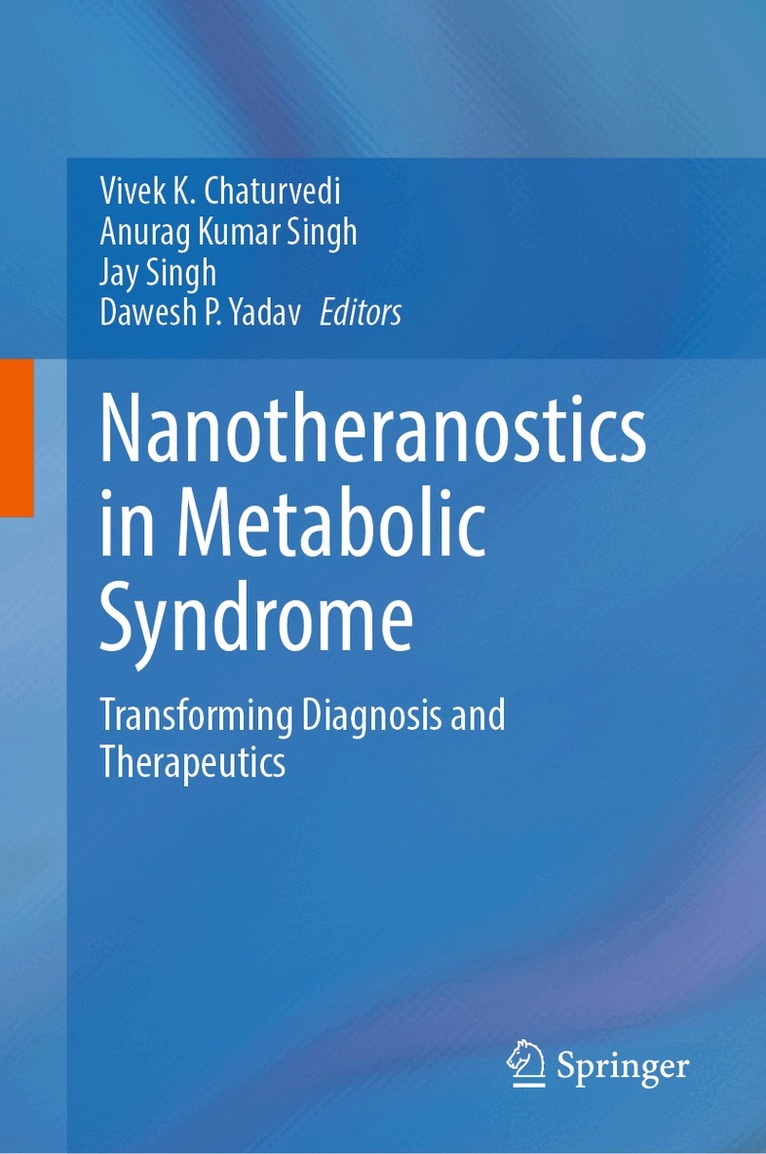
This book explores the potential of nanotechnology in treating metabolic disorders, highlighting its potential to improve drug delivery, early disease detection, and precision therapeutics. Metabolic syndrome is a significant global health challenge, with a five-fld increase in the risk of developing type-2 diabetes and a two-fold heightened risk of cardiovascular diseases. Despite advancements in understanding the pathogenesis of metabolic syndrome, current therapeutic interventions have not achieved optimal efficacy. The integration of nanotechnology into biomedicine is seen as a promising avenue to address this issue.Nanoparticles can be engineered to carry anti-inflammatory agents, providing targeted relief at inflammation sites, reducing inflammation and minimizing systemic side effects. Nanotechnology also enhances drug delivery systems by navigating biological barriers and reaching specific sites with precision. This not only improves the bioavailability of therapeutic agents but also minimizes off-target effects, enhancing overall treatment effectiveness.Nanotechnology also plays a pivotal role in early disease detection and diagnosis through innovative nano-imaging techniques. These techniques enable the visualization of molecular and cellular events at unprecedented resolutions, facilitating the identification of metabolic syndrome markers and associated disorders at their incipient stages. As research progresses, the integration of nanotechnology has the potential to redefine metabolic syndrome management, offering hope for improved patient outcomes and a healthier global population.The chapters cover metabolic syndromes, including insulin resistance, hypertension, dyslipidemia, type 2 diabetes, obesity, inflammation, and non-alcoholic fatty liver disease. It provides up-to-date literature on mechanistic understanding and therapeutic strategies. It is a valuable resource for UG/PG students, clinicians, academicians, scientists, researchers, and industrial specialists in advanced materials science, flexible electronics, nanoelectronics, energy, environmental, and biomedical sciences.
2 036 kr
Läs direkt efter köp
This book explores the potential of nanotechnology in treating metabolic disorders, highlighting its potential to improve drug delivery, early disease detection, and precision therapeutics. Metabolic syndrome is a significant global health challenge, with a five-fld increase in the risk of developing type-2 diabetes and a two-fold heightened risk of cardiovascular diseases. Despite advancements in understanding the pathogenesis of metabolic syndrome, current therapeutic interventions have not achieved optimal efficacy. The integration of nanotechnology into biomedicine is seen as a promising avenue to address this issue.Nanoparticles can be engineered to carry anti-inflammatory agents, providing targeted relief at inflammation sites, reducing inflammation and minimizing systemic side effects. Nanotechnology also enhances drug delivery systems by navigating biological barriers and reaching specific sites with precision. This not only improves the bioavailability of therapeutic agents but also minimizes off-target effects, enhancing overall treatment effectiveness.Nanotechnology also plays a pivotal role in early disease detection and diagnosis through innovative nano-imaging techniques. These techniques enable the visualization of molecular and cellular events at unprecedented resolutions, facilitating the identification of metabolic syndrome markers and associated disorders at their incipient stages. As research progresses, the integration of nanotechnology has the potential to redefine metabolic syndrome management, offering hope for improved patient outcomes and a healthier global population.The chapters cover metabolic syndromes, including insulin resistance, hypertension, dyslipidemia, type 2 diabetes, obesity, inflammation, and non-alcoholic fatty liver disease. It provides up-to-date literature on mechanistic understanding and therapeutic strategies. It is a valuable resource for UG/PG students, clinicians, academicians, scientists, researchers, and industrial specialists in advanced materials science, flexible electronics, nanoelectronics, energy, environmental, and biomedical sciences.