Debapriya Bhattacharya – författare
Visar alla böcker från författaren Debapriya Bhattacharya. Handla med fri frakt och snabb leverans.
15 produkter
Bangladesh's Graduation from the Least Developed Countries Group
Pitfalls and Promises
Häftad, 2020
691 kr
Lägg i varukorg
Since the group of least developed countries (LDCs) was identified in 1971, only five countries have graduated from the group, all of which are characterised by small size or population. The projections are that the next decade will see a rapid increase in the pace of graduation, with Bangladesh in …
Bangladesh's Graduation from the Least Developed Countries Group
Pitfalls and Promises
E-bok, 2018
820 kr
Lägg i varukorg
Since the group of least developed countries (LDCs) was identified in 1971, only five countries have graduated from the group, all of which are characterised by small size or population. The projections are that the next decade will see a rapid increase in the pace of graduation, with Bangladesh in …
Bangladesh's Graduation from the Least Developed Countries Group
Pitfalls and Promises
E-bok, 2018
838 kr
Lägg i varukorg
Since the group of least developed countries (LDCs) was identified in 1971, only five countries have graduated from the group, all of which are characterised by small size or population. The projections are that the next decade will see a rapid increase in the pace of graduation, with Bangladesh in …
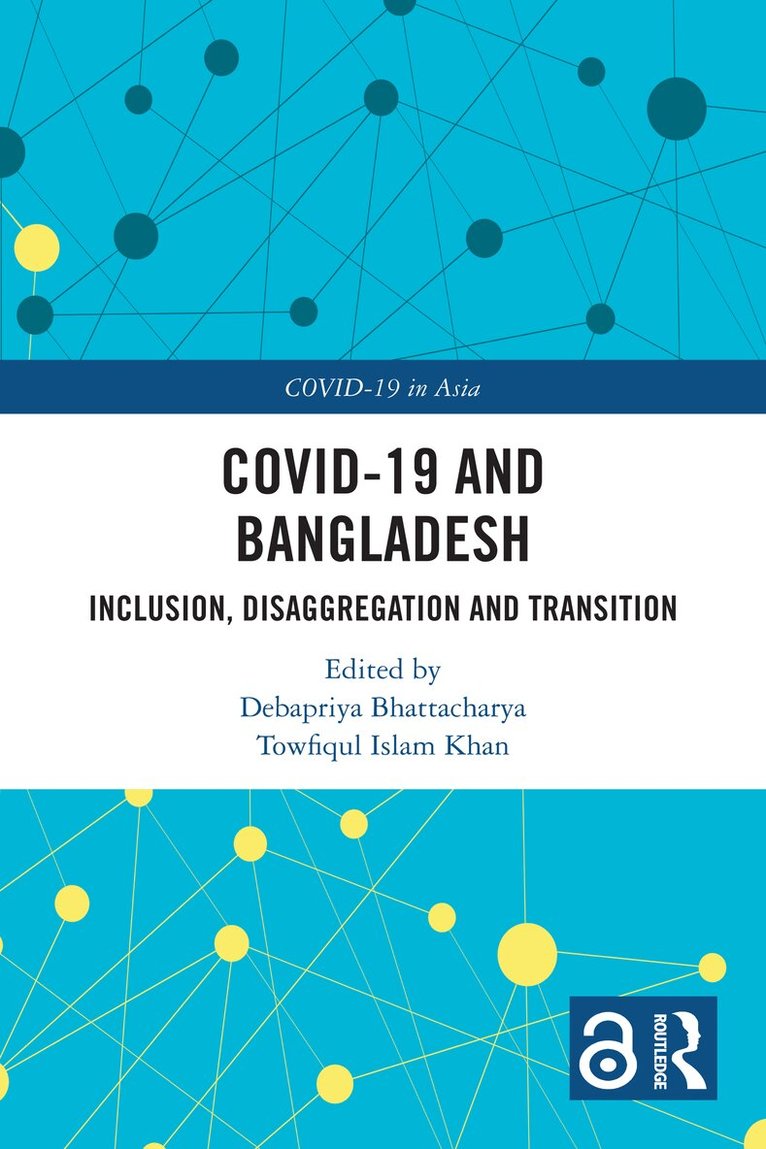
COVID-19 and Bangladesh
Inclusion, Disaggregation and Transition
Av Debapriya Bhattacharya, Towfiqul Islam Khan
Inbunden, 2024
2585 kr
Lägg i varukorg
COVID-19 and Bangladesh analyzes the aftermath of the COVID-19 pandemic and features the socioeconomic fallouts for disadvantaged communities in Bangladesh, their coping mechanisms, and implications for the country’s development ambitions.The contributors to the book examine the immediate impact of …
COVID-19 and Bangladesh
Inclusion, Disaggregation and Transition
Av Debapriya Bhattacharya, Towfiqul Islam Khan
Häftad, 2025
727 kr
Lägg i varukorg
COVID-19 and Bangladesh analyzes the aftermath of the COVID-19 pandemic and features the socioeconomic fallouts for disadvantaged communities in Bangladesh, their coping mechanisms, and implications for the country’s development ambitions.The contributors to the book examine the immediate impact of …
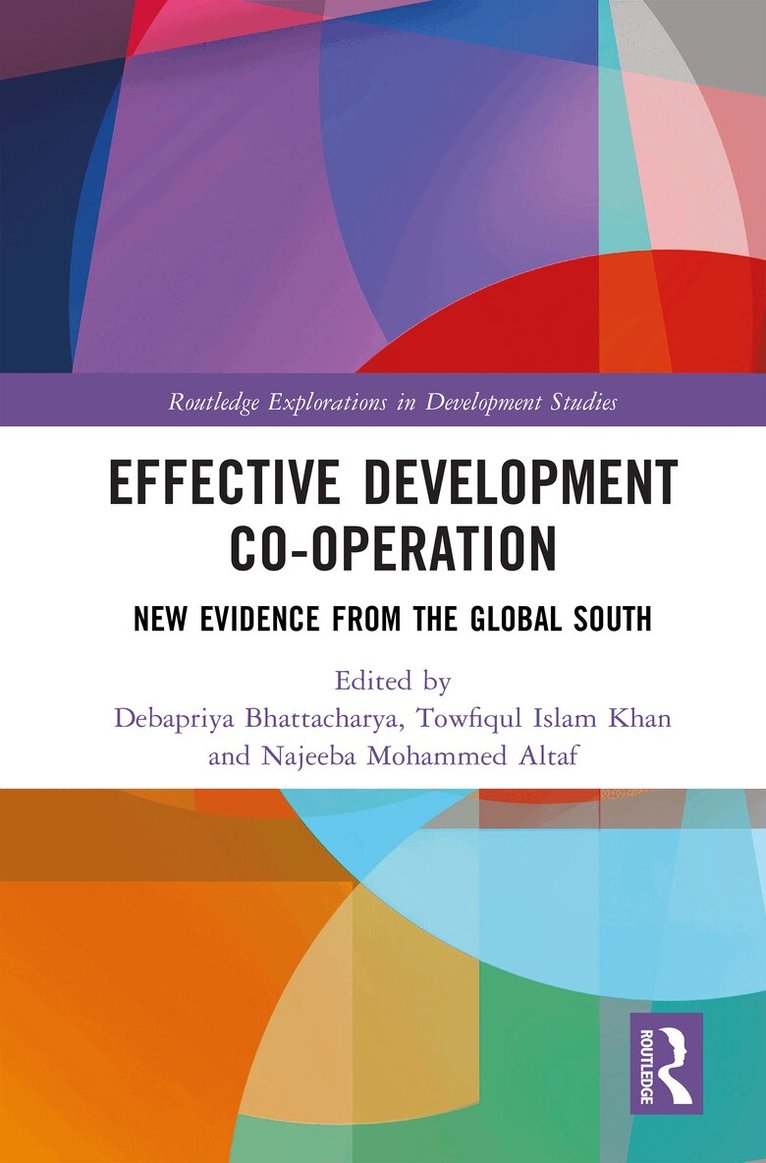
Effective Development Co-operation
New Evidence from the Global South
Av Debapriya Bhattacharya, Towfiqul Islam Khan m. fl.
Inbunden, 2025
2510 kr
Lägg i varukorg
This book considers how development cooperation principles and practices can be made more inclusive and impactful. Amplifying voices from across the global south, the book combines key thematic discussions with new case studies spanning three continents and three key sectors: agriculture, …
Effective Development Co-operation
New Evidence from the Global South
Av Debapriya Bhattacharya, Towfiqul Islam Khan m. fl.
Häftad, 2026
696 kr
Kommande
This book considers how development cooperation principles and practices can be made more inclusive and impactful. Amplifying voices from across the global south, the book combines key thematic discussions with new case studies spanning three continents and three key sectors: agriculture, …
Effective Development Co-operation
New Evidence from the Global South
Av Najeeba Mohammed Altaf, Towfiqul Islam Khan m. fl.
E-bok, 2025
808 kr
Lägg i varukorg
This book considers how development cooperation principles and practices can be made more inclusive and impactful. Amplifying voices from across the global south, the book combines key thematic discussions with new case studies spanning three continents and three key sectors: agriculture, …
Effective Development Co-operation
New Evidence from the Global South
Av Najeeba Mohammed Altaf, Towfiqul Islam Khan m. fl.
E-bok, 2025
782 kr
Lägg i varukorg
This book considers how development cooperation principles and practices can be made more inclusive and impactful. Amplifying voices from across the global south, the book combines key thematic discussions with new case studies spanning three continents and three key sectors: agriculture, …
Southern Perspectives on the Post-2015 International Development Agenda
Av Debapriya Bhattacharya, Andrea Ordóñez Llanos
Inbunden, 2016
2704 kr
Lägg i varukorg
At the turn of the millennium, the unanimous adoption of the Millennium Development Goals (MDGs) by the United Nations General Assembly marked a new chapter in international development. However, voices from the Global South were noticeably absent in shaping the agenda. Fifteen years later, the …
Bangladesh's Graduation from the Least Developed Countries Group
Pitfalls and Promises
Inbunden, 2018
2510 kr
Lägg i varukorg
Since the group of least developed countries (LDCs) was identified in 1971, only five countries have graduated from the group, all of which are characterised by small size or population. The projections are that the next decade will see a rapid increase in the pace of graduation, with Bangladesh in …
Southern Perspectives on the Post-2015 International Development Agenda
Av Debapriya Bhattacharya, Andrea Ordóñez Llanos
Häftad, 2018
749 kr
Lägg i varukorg
At the turn of the millennium, the unanimous adoption of the Millennium Development Goals (MDGs) by the United Nations General Assembly marked a new chapter in international development. However, voices from the Global South were noticeably absent in shaping the agenda. Fifteen years later, the …
Southern Perspectives on the Post-2015 International Development Agenda
Av Andrea Ordonez Llanos, Debapriya Bhattacharya
E-bok, 2016
883 kr
Lägg i varukorg
At the turn of the millennium, the unanimous adoption of the Millennium Development Goals (MDGs) by the United Nations General Assembly marked a new chapter in international development. However, voices from the Global South were noticeably absent in shaping the agenda. Fifteen years later, the …
Southern Perspectives on the Post-2015 International Development Agenda
Av Andrea Ordonez Llanos, Debapriya Bhattacharya
E-bok, 2016
858 kr
Lägg i varukorg
At the turn of the millennium, the unanimous adoption of the Millennium Development Goals (MDGs) by the United Nations General Assembly marked a new chapter in international development. However, voices from the Global South were noticeably absent in shaping the agenda. Fifteen years later, the …
Least Developed Countries and Trade
Challenges of Implementing the Bali Package
Av United Nations: Economic and Social Commission for Asia and the Pacific, Debapriya Bhattacharya m. fl.
Häftad, 2016
295 kr
Tillfälligt slut
After more than a decade of negotiations, the Ninth Ministerial Conference, held in Bali in 2013, brought reprieve for the Doha Development Agenda (DDA). The Ministerial Declaration that was agreed on, known as ""Bali Package"", intends to help streamline trade procedures through trade facilitation …