Deborah R. Geis - Böcker
Visar alla böcker från författaren Deborah R. Geis. Handla med fri frakt och snabb leverans.
4 produkter
4 produkter
413 kr
Skickas inom 7-10 vardagar
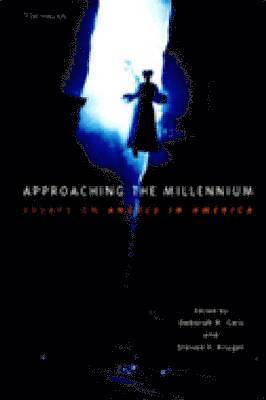
Tony Kushner's complex and demanding play Angels in America: A Gay Fantasia on National Themes has been the most talked about, analyzed, and celebrated play of the decade. The critic Harold Bloom has included Kushner's play in his "Western canon" alongside Shakespeare and the Bible, and drama scholar John M. Clum has termed it "a turning point in the history of gay drama, the history of American drama, and of American literary culture." While we might be somewhat wary of the instant canonization that such critical assessments confer, clearly Kushner's play is an important work, honored by the Pulitzer Prize, thought worthy of recognition on "purely aesthetic" grounds at the same time that it has been embraced--and occasionally rejected--for its politics. Kushner's play explicitly positions itself in the current American conflict over identity politics, yet also situates that debate in a broader historical context: the American history of McCarthyism, of immigration and the "melting pot," of westward expansion, and of racist exploitation. Furthermore, the play enters into the politically volatile struggles of the AIDS crisis, struggles themselves interconnected with the politics of sexuality, gender, race, and class. The original essays in Approaching the Millennium explore the complexities of the play and situate it in its particular, conflicted historical moment. The contributors help us understand and appreciate the play as a literary work, as theatrical text, as popular cultural phenomenon, and as political reflection and intervention. Specific topics include how the play thematizes gender and sexuality, race and ethnicity; the postmodern incarnation of the Brechtian epic; AIDS and the landscape of American politics. The range of different international productions of Angels in America provides a rich basis for discussion of its production history, including the linguistic and cultural shifts required in its "translation" from one stage to the next. The last section of Approaching the Millennium includes interviews with Tony Kushner and other key creators and players involved in the original productions of Angels. The interviews explore issues raised earlier in the volume and dialogues between the creative artists who have shaped the play and the critics and "theatricians" engaged in responding to it. Contributors to this volume are Arnold Aronson, Art Borreca, Gregory W. Bredbeck, Michael Cadden, Nicholas de Jongh, Allen J. Frantzen, Stanton B. Garner, Deborah R. Geis, Martin Harries, Steven F. Kruger, James Miller, Framji Minwalla, Donald Pease, Janelle Reinelt, David Román, David Savran, Ron Scapp, and Alisa Solomon. Deborah Geis is Associate Professor of English, Queens College, City University of New York. Steven F. Kruger is Professor and Chair of the Department of English, Queens College, City University of New York.
Considering ""Maus
Approaches to Art Spiegelman's Survivor's Tale of the Holocaust
Häftad, Engelska, 2010
294 kr
Skickas inom 7-10 vardagar
In 1992, Art Spiegelman's two-volume illustrated work Maus: A Survivor's Tale was awarded a special-category Pulitzer Prize. In a comic book form, Spiegelman tells the gripping, heart-rending story of his father's experiences in the Holocaust. The book renders in stark clarity the trials Spiegelman's father endured as a Jewish refugee in the ghettos and concentration camps of Poland during World War II, his American life following his immigration to New York, and the author's own troubled sense of self as he grapples with his father's history. Mixing autobiography, biography, and oral history in the comic form, Maus has been hailed as a daring work of postmodern narration and as a vivid example of the power of the graphic narrative. Now, for the first time in one collection, prominent scholars in a variety of fields take on Spiegelman's text and offer it the critical and artistic scrutiny it deserves. They explore many aspects of the work, including Spiegelman's use of animal characters, the influence of other ""comix"" artists, the role of the mother and its relation to gender issues, the use of repeating images such as smoke and blood, Maus's position among Holocaust testimonials, its appropriation of cinematic technique, its use of language and styles of dialect, and the implications of the work's critical and commercial success. Informed readers in many areas of study, from popular culture and graphic arts to psychoanalysis and oral history, will value this first substantial collection of criticism on a revered work of literature.
561 kr
Skickas inom 10-15 vardagar
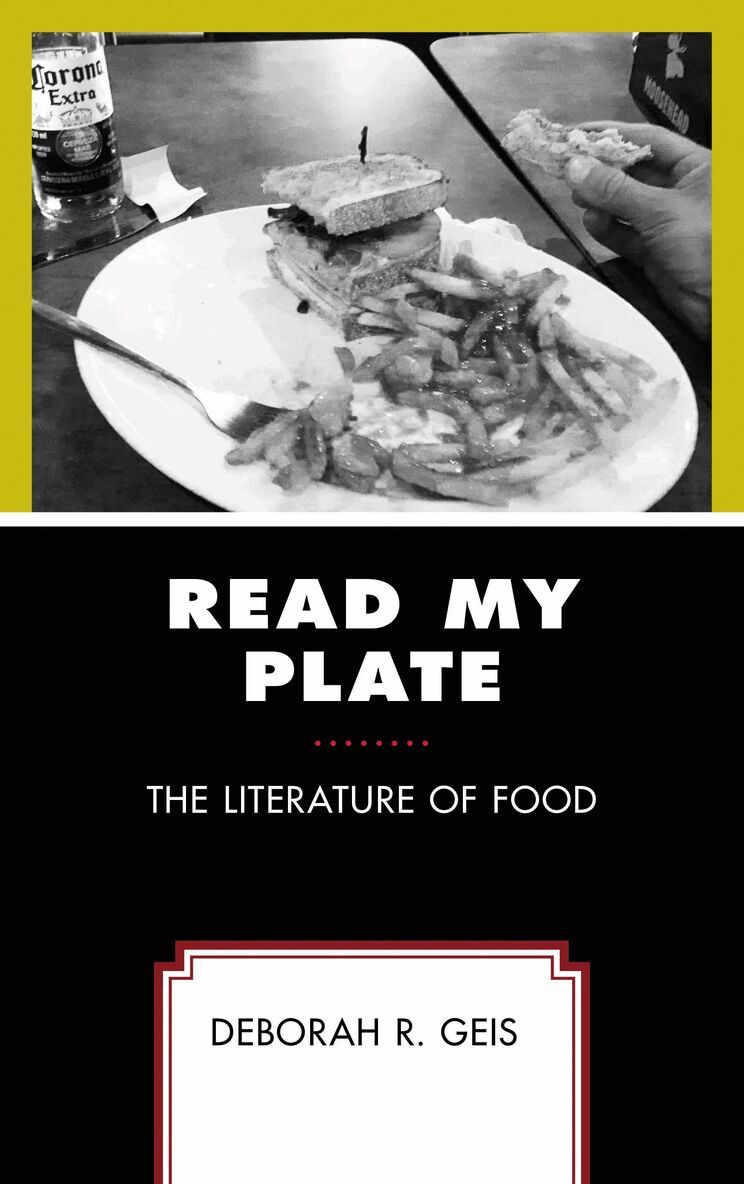
Whether perusing a recipe or learning what a literary character eats, readers approach a text differently when reading about food. Read My Plate: The Literature of Food explores what narrators and characters (in fiction, in performance, and in the popular genre of the “food memoir”) cook and eat. Beat poet Allen Ginsberg, the inmates of the Terezin concentration camp, performance artist Karen Finley, novelist Jhumpa Lahiri, playwright Suzan-Lori Parks, and the celebrated chef-turned-travel-journalist Anthony Bourdain are just a few examples of the writers whose works are discussed. Close readings of the literal and figurative “plates” in these texts allow a unique form of intimate access to the speakers’ feelings and memories and help readers to understand more about how the dynamics of race, ethnicity, gender, religion, and social class affect what the narrators/characters eat, from tourtière to collard greens to a school lunch bento box.
1 142 kr
Skickas inom 10-15 vardagar
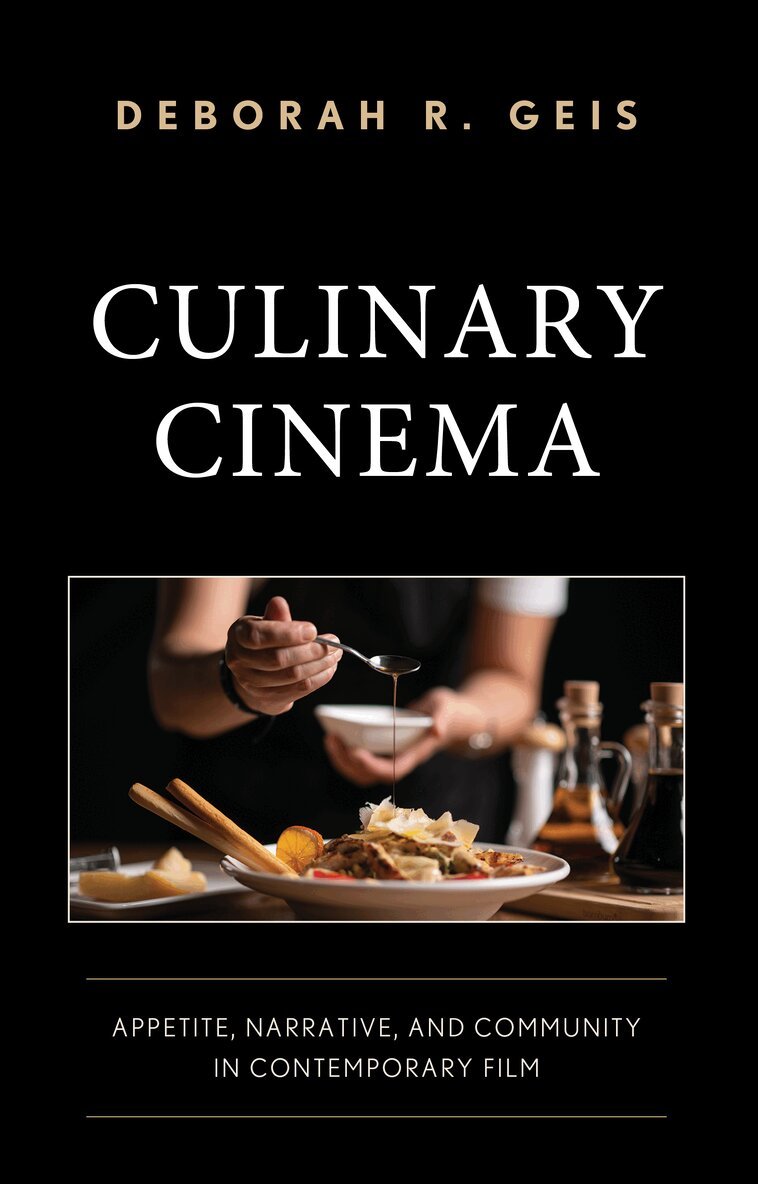
In this book, Deborah Geis offers a new approach to the evolving genre of culinary films that center on the acts of eating and cooking through close analyses of ten different films. These films range from the classics, like Big Night (1996) and Babette’s Feast (1987) to later box-office hits, like Chef (2014) and to films that deserve a second look, like East Side Sushi (2014), Burnt (2015), and Mid-August Lunch (2008). Throughout these analyses, the book focuses on tropes including the “big dinner” as it connects to intercultural and transcultural communities; the self-destructive perfectionism of the obsessive chef; and the craft of cooking in relation to aging and mortality. Geis invites readers and viewers to experience food-driven narrative films with an appetite for appreciating the visual ingredients and the ways in which they construct pleasure through the act of looking as a vicarious approach to consuming the actual food. Drawing on the work of film theorist Christian Metz, Geis ultimately poses a new paradigm for watching and understanding culinary cinema as a significant – and constantly-evolving – genre that comes with its own conventions and contemporary filmmakers who seek to expand and transform those conventions in surprising ways.