Deepanjan Datta – författare
Visar alla böcker från författaren Deepanjan Datta. Handla med fri frakt och snabb leverans.
3 produkter
3 produkter
Del 7 - Biomaterials, Bioengineering and Sustainability
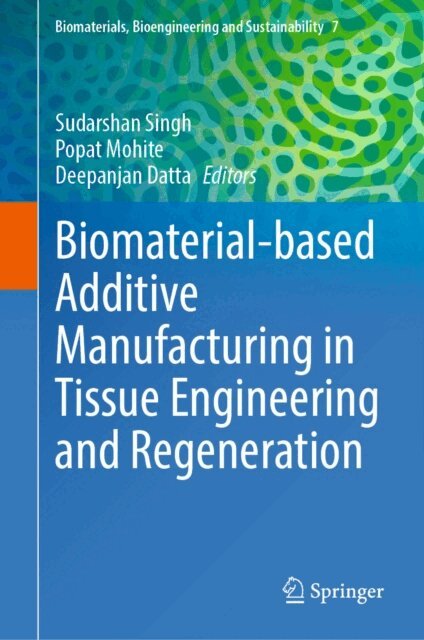
Biomaterial-based Additive Manufacturing in Tissue Engineering and Regeneration
Inbunden, Engelska, 2025
1 563 kr
Skickas inom 5-8 vardagar
Biomaterials are substances that are engineered to interact with biological systems for medical and therapeutic purposes. Biomaterial-based additive manufacturing in tissue engineering is a rapidly evolving field with ongoing research and development. As technology advances, it is likely to play a pivotal role in the development of regenerative medicine and personalized healthcare. Biomaterial-based additive manufacturing, also known as 3D bioprinting utilizing biodegradable or bioavailable polymeric materials, is a cutting-edge technology with great potential and promise for tissue engineering and regeneration. This innovative approach combines biomaterial or engineered biomaterials with precise or customized printing to develop a complex three-dimensional structure that mimics the architecture and functionality of native tissues. An important aspect in development of 3D printed products for tissue engineering or regeneration is selection of biomaterials, development of bio inks using those biomaterials, cell integration, customization, vascularization, and biodegradability of the product. Although 3D bioprinting has shown promise in various applications with potential to revolutionize organ transplantation and tissue engineering, there are several challenges such as ensuring proper vascularization, improving the mechanical properties of printed products, and addressing regulatory aspects with ethical consideration. Therefore, in this book emphasis on tissue engineering and regeneration will be presented, which is an interdisciplinary field that aim to restore, repair, or replace damaged or lost biological tissues. Moreover, chapters inform on recent shift in research that indicates a customized fabrication of biodegradable products, the future of tissue engineering and regeneration.
1 879 kr
Läs direkt efter köp
Biomaterials are substances that are engineered to interact with biological systems for medical and therapeutic purposes. Biomaterial-based additive manufacturing in tissue engineering is a rapidly evolving field with ongoing research and development. As technology advances, it is likely to play a pivotal role in the development of regenerative medicine and personalized healthcare. Biomaterial-based additive manufacturing, also known as 3D bioprinting utilizing biodegradable or bioavailable polymeric materials, is a cutting-edge technology with great potential and promise for tissue engineering and regeneration. This innovative approach combines biomaterial or engineered biomaterials with precise or customized printing to develop a complex three-dimensional structure that mimics the architecture and functionality of native tissues. An important aspect in development of 3D printed products for tissue engineering or regeneration is selection of biomaterials, development of bio inks using those biomaterials, cell integration, customization, vascularization, and biodegradability of the product. Although 3D bioprinting has shown promise in various applications with potential to revolutionize organ transplantation and tissue engineering, there are several challenges such as ensuring proper vascularization, improving the mechanical properties of printed products, and addressing regulatory aspects with ethical consideration. Therefore, in this book emphasis on tissue engineering and regeneration will be presented, which is an interdisciplinary field that aim to restore, repair, or replace damaged or lost biological tissues. Moreover, chapters inform on recent shift in research that indicates a customized fabrication of biodegradable products, the future of tissue engineering and regeneration.
Inbunden, Engelska, 2026
3 376 kr
Kommande
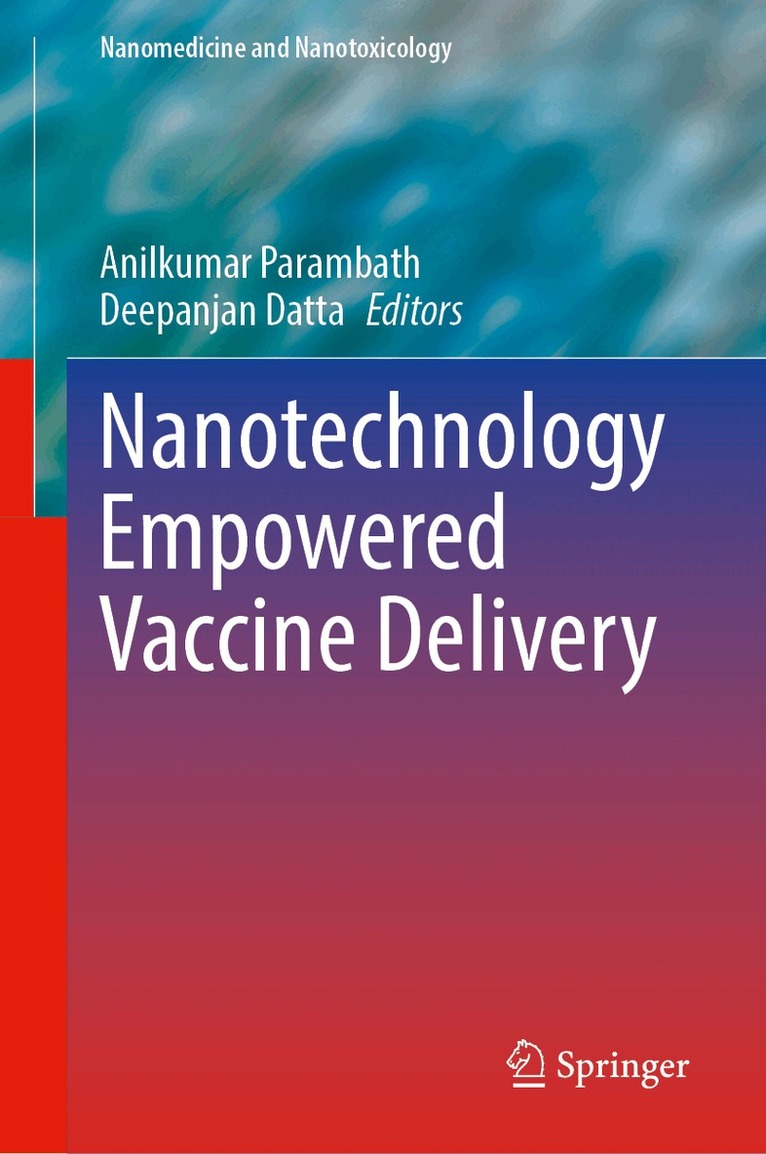
This book offers a comprehensive exploration of advanced vaccine delivery systems, emphasizing how nanotechnology can enhance immunogenicity and overall vaccine performance. It provides an in‑depth examination of vaccine categories, mechanisms of action, and the development of innovative nanocarriers, including nanogels, polymeric nanoparticles, and transdermal platforms. Dedicated chapters discuss the application of nanotechnology in addressing diseases such as cancer, asthma, HIV, and COVID‑19, alongside essential considerations related to safety, toxicity, pharmacokinetics, and regulatory frameworks. With contributions from leading experts, the book delivers valuable insights for researchers and professionals working to advance next‑generation vaccine design and delivery technologies.