Deepika Kathuria – författare
2 919 kr
Läs direkt efter köp
2 050 kr
Skickas inom 10-15 vardagar
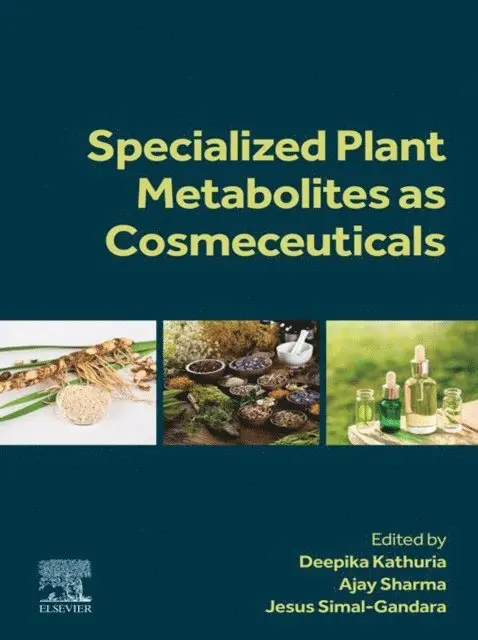
Specialized Plant Metabolites as Cosmeceuticals presents a comprehensive guide to traditional medicinal plants that are used in the field of cosmetics. Chapters cover geographical distribution, extraction of key components from each plant, traditional uses, pharmacognostic characteristics, phytochemistry, pharmacology, toxicology, and future prospects. This book will be a valuable asset for researchers and graduate students of chemistry, botany, biotechnology, microbiology, cosmetology and the pharmaceutical sciences. As medicinal plants are a rich source of a variety of bioactive secondary metabolites, their wide range of pharmacological applications as antibiotics, antifungals, anticancer agents, and antimicrobial and antiviral applications provide new and exciting avenues.In addition, they have great implications for the food, pharmaceutical, cosmetics and personal care product industries. Secondary metabolites also ecofriendly, cost effective, biocompatible, and cause less side effects as compare to synthetic compounds.
Highlights comprehensive information on major classes of plant secondary metabolites with potent cosmeceutical applicationsProvides details on the encapsulation of secondary metabolites for the betterment of cosmeceutical productsCovers toxicity of secondary metabolite based cosmeceuticals2 955 kr
Kommande
2 422 kr
Skickas inom 5-8 vardagar
2 748 kr
Läs direkt efter köp
Understand the properties and applications of one of the world’s most ubiquitous flora
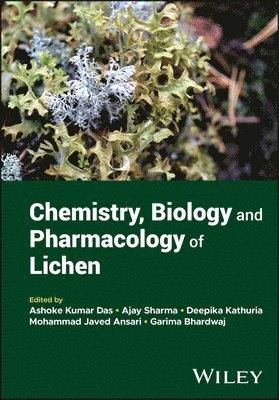
Lichen is a single entity comprising two or more organisms—most typically algae and fungus—in a symbiotic relationship. It is one of the planet’s most abundant categories of flora, with over 25,000 known species across all regions of the globe. Lichens’ status as a rich source of bioactive metabolites and phytochemicals, as well as their potential as bio-indicators, has given them an increasingly prominent role in modern research into medicine, cosmetics, food, and more.
Chemistry, Biology and Pharmacology of Lichen provides a comprehensive overview of these bountiful flora and their properties. It provides not only in-depth analysis of lichen physiology and ecology, but also a thorough survey of their modern and growing applications. It provides all the tools readers need to domesticate lichen and bring their properties to bear on some of humanity’s most intractable scientific problems.
Chemistry, Biology and Pharmacology of Lichen readers will also find:
Applications of lichen in fields ranging from food to cosmetics to nanoscience and beyond Detailed discussion of topics including lichen as habitats for other organisms, lichens as anticancer drugs, antimicrobial properties of lichen, and many more Detailed discussion on key bioactive compounds from lichensChemistry, Biology and Pharmacology of Lichen is ideal for scientists and researchers in ethnobotany, pharmacology, chemistry, and biology, as well as teachers and students with an interest in biologically important lichens.
It is gratifying to see the enthusiasm of Indian mycologists for lichens grow over the last 25 years, especially in their possible exploitation. That this book has a staggering 63 contributors, of which all but seven are from India or Pakistan, is a testament to that enthusiasm. Following a series of nine chapters on general aspects of lichen biology, conservation and ecology, are ten on different aspects of actual or prospected applications. These cover traditional uses, therapeutic potential of bioactive compounds, antioxidant properties, antimicrobial activities, anticancer drugs, food value, perfumery and cosmetics, bioindication, and nanoparticles. One contribution compiles ethnobotanical and pharmacological properties of four particular genera (Cetraria, Cladonia, Parmelia s.lat., and Usnea). The compilations of pertinent very scattered publications and reports will be of value for anyone wishing to explore particular activities further, especially as starting points for fresh research. However, it has to be recognized that many of the studies commented on, especially in relation to potential medical applications, are based on individual rather small-scale studies (and not always on precisely identified material). Further, in many chapters, published reports are carefully compiled but generally accepted without indications of their limitations. I was concerned to see that in the chapter on taxonomy, lichens were not presented from the standpoint of the phylogenetic placements of the fungal partners (to which the “lichen” name applies). Instead, it is Zahlbruckner’s system that is used, treating them as a separate group divided into Ascolichens, Basidiolichens, and categories such as Gymnocarpeae. In justification they say this “has been widely adopted by all British lichenologists” and give a reference to a 1959 publication! It is sad to see such obsolete treatments being perpetuated, as in addition to misleading readers it may inhibit them from looking into what is known of the activities and properties of related non-lichen fungi and their products. There are also inconsistencies in the scientific names used, and erratic use of author citations (which in any case have no place in nontaxonomic works). It is unfortunate that a work on a subject of such potentially wide interest was evidently not as critically reviewed and edited to the standard I would have expected from such a prestigious and respected publisher.David L. Hawksworth, 2024 Mycological book news, Fungal Biology Reviews, Volume 50, 2024, 100399. https://doi.org/10.1016/j.fbr.2024.100399
2 748 kr
Läs direkt efter köp
Understand the properties and applications of one of the world’s most ubiquitous flora
Lichen is a single entity comprising two or more organisms—most typically algae and fungus—in a symbiotic relationship. It is one of the planet’s most abundant categories of flora, with over 25,000 known species across all regions of the globe. Lichens’ status as a rich source of bioactive metabolites and phytochemicals, as well as their potential as bio-indicators, has given them an increasingly prominent role in modern research into medicine, cosmetics, food, and more.
Chemistry, Biology and Pharmacology of Lichen provides a comprehensive overview of these bountiful flora and their properties. It provides not only in-depth analysis of lichen physiology and ecology, but also a thorough survey of their modern and growing applications. It provides all the tools readers need to domesticate lichen and bring their properties to bear on some of humanity’s most intractable scientific problems.
Chemistry, Biology and Pharmacology of Lichen readers will also find:
Applications of lichen in fields ranging from food to cosmetics to nanoscience and beyond Detailed discussion of topics including lichen as habitats for other organisms, lichens as anticancer drugs, antimicrobial properties of lichen, and many more Detailed discussion on key bioactive compounds from lichensChemistry, Biology and Pharmacology of Lichen is ideal for scientists and researchers in ethnobotany, pharmacology, chemistry, and biology, as well as teachers and students with an interest in biologically important lichens.
It is gratifying to see the enthusiasm of Indian mycologists for lichens grow over the last 25 years, especially in their possible exploitation. That this book has a staggering 63 contributors, of which all but seven are from India or Pakistan, is a testament to that enthusiasm. Following a series of nine chapters on general aspects of lichen biology, conservation and ecology, are ten on different aspects of actual or prospected applications. These cover traditional uses, therapeutic potential of bioactive compounds, antioxidant properties, antimicrobial activities, anticancer drugs, food value, perfumery and cosmetics, bioindication, and nanoparticles. One contribution compiles ethnobotanical and pharmacological properties of four particular genera (Cetraria, Cladonia, Parmelia s.lat., and Usnea). The compilations of pertinent very scattered publications and reports will be of value for anyone wishing to explore particular activities further, especially as starting points for fresh research. However, it has to be recognized that many of the studies commented on, especially in relation to potential medical applications, are based on individual rather small-scale studies (and not always on precisely identified material). Further, in many chapters, published reports are carefully compiled but generally accepted without indications of their limitations. I was concerned to see that in the chapter on taxonomy, lichens were not presented from the standpoint of the phylogenetic placements of the fungal partners (to which the “lichen” name applies). Instead, it is Zahlbruckner’s system that is used, treating them as a separate group divided into Ascolichens, Basidiolichens, and categories such as Gymnocarpeae. In justification they say this “has been widely adopted by all British lichenologists” and give a reference to a 1959 publication! It is sad to see such obsolete treatments being perpetuated, as in addition to misleading readers it may inhibit them from looking into what is known of the activities and properties of related non-lichen fungi and their products. There are also inconsistencies in the scientific names used, and erratic use of author citations (which in any case have no place in nontaxonomic works). It is unfortunate that a work on a subject of such potentially wide interest was evidently not as critically reviewed and edited to the standard I would have expected from such a prestigious and respected publisher.David L. Hawksworth, 2024 Mycological book news, Fungal Biology Reviews, Volume 50, 2024, 100399. https://doi.org/10.1016/j.fbr.2024.100399
2 971 kr
Skickas inom 5-8 vardagar
2 927 kr
Skickas inom 5-8 vardagar
2 657 kr
Läs direkt efter köp
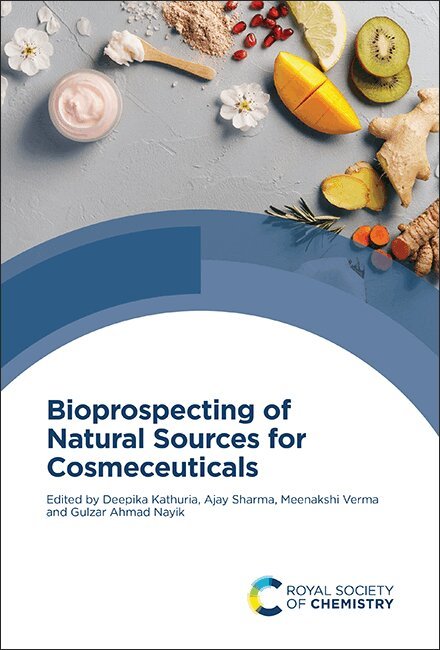
This book delves into the world of natural sources from medicinal plants, microbes, and fungi, to lichen, algae, and clay minerals that have been used for centuries in traditional medicine. These sources are rich in bioactive secondary metabolites that have a wide range of applications in various industries, including cosmetics and personal care products.
This book provides a comprehensive guide to secondary metabolites for cosmeceutical purposes, regulatory perspectives for cosmeceuticals in different countries, and allergic responses from these secondary metabolites. Additionally, this book discusses the impact of nanotechnology on cosmetic products such as skin and hair care.
Bioprospecting of Natural Sources for Cosmeceuticals is a valuable resource for researchers and graduate students in chemistry, botany, biotechnology, microbiology, cosmetic science, and the pharmaceutical sciences. It is also useful for those researching traditional medicine systems and those in the microbiology, biotechnology, pharmaceutical, and nanoscience industries.
2 657 kr
Läs direkt efter köp
This book delves into the world of natural sources from medicinal plants, microbes, and fungi, to lichen, algae, and clay minerals that have been used for centuries in traditional medicine. These sources are rich in bioactive secondary metabolites that have a wide range of applications in various industries, including cosmetics and personal care products.
This book provides a comprehensive guide to secondary metabolites for cosmeceutical purposes, regulatory perspectives for cosmeceuticals in different countries, and allergic responses from these secondary metabolites. Additionally, this book discusses the impact of nanotechnology on cosmetic products such as skin and hair care.
Bioprospecting of Natural Sources for Cosmeceuticals is a valuable resource for researchers and graduate students in chemistry, botany, biotechnology, microbiology, cosmetic science, and the pharmaceutical sciences. It is also useful for those researching traditional medicine systems and those in the microbiology, biotechnology, pharmaceutical, and nanoscience industries.
2 603 kr
Läs direkt efter köp
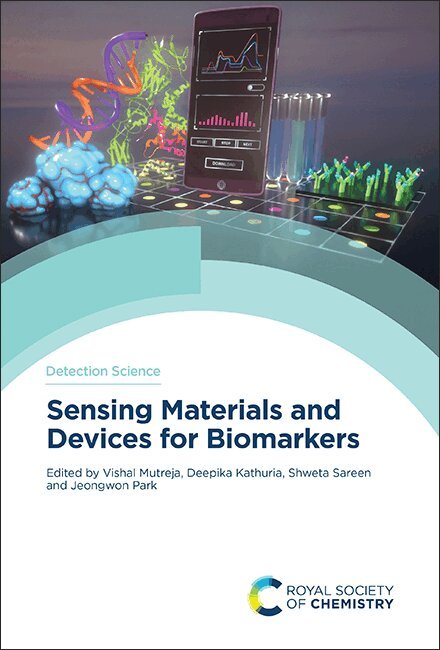
Providing a comprehensive look at the state-of-the-art detection technologies and materials used in the development of diagnostics for clinical, medicinal and environmental applications, the books in this series are a valuable reference for graduate students and professional researchers across academia and industry. Emphasising the detection of chemicals and biochemical species in a quantitative fashion, the in-depth knowledge featured in the series will also interest advisors, consultants and government agency staff.
2 580 kr
Läs direkt efter köp
Providing a comprehensive look at the state-of-the-art detection technologies and materials used in the development of diagnostics for clinical, medicinal and environmental applications, the books in this series are a valuable reference for graduate students and professional researchers across academia and industry. Emphasising the detection of chemicals and biochemical species in a quantitative fashion, the in-depth knowledge featured in the series will also interest advisors, consultants and government agency staff.
2 422 kr
Skickas inom 10-15 vardagar
3 137 kr
Läs direkt efter köp
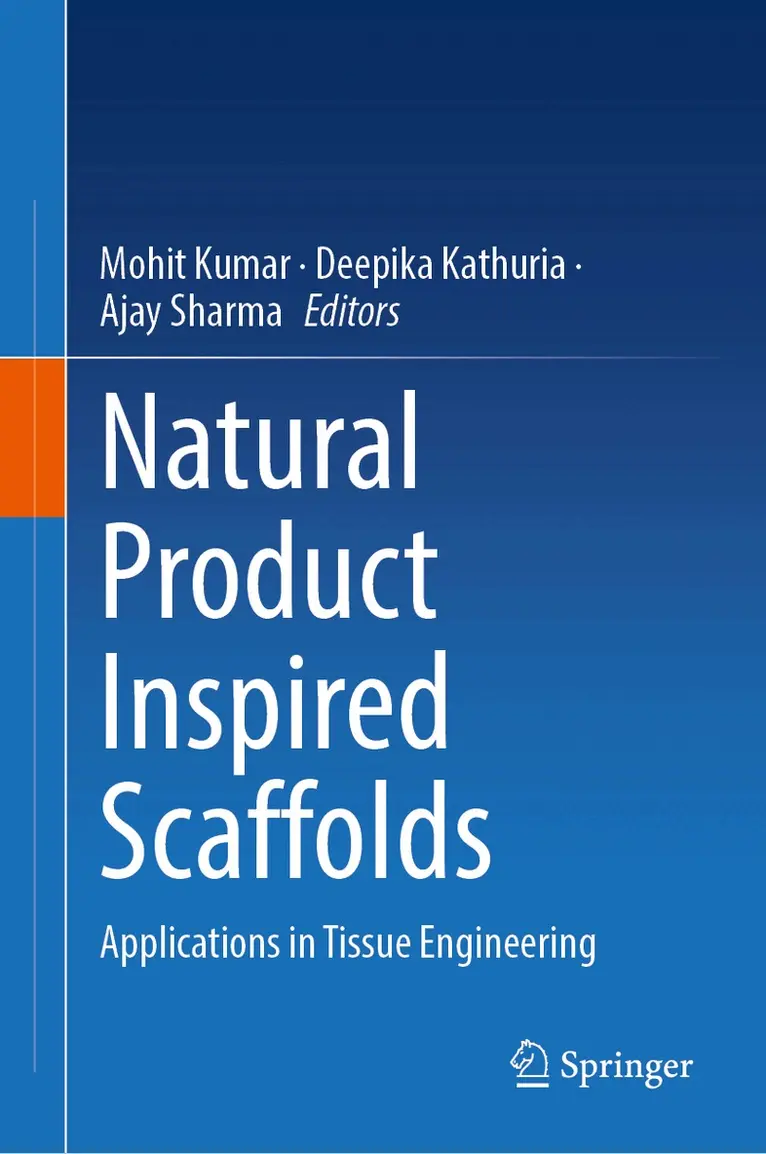
The book explains the use of natural products as scaffolds in tissue engineering. It presents an introduction to the concept of natural product-based scaffolds and explores various fabrication strategies for their synthesis. The book highlights the wide range of applications of these scaffolds in tissue engineering, including their use in tissue regeneration, wound healing, plastic surgery, and breast reconstruction. Specific natural products, such as gums (xanthan, gellan, arabic, guar, ghatti gum), chitosan, collagen are discussed in separate chapters. In addition, various application of natural product loaded PCL and PLA scaffolds have also been discussed. Each chapter focuses on the application of these natural product based scaffolds and explores their potential in tissue engineering. It also covers specific applications of these scaffolds in tissue regeneration, including angiogenesis, bone, skin, and nerve tissue regeneration. The book addresses important considerations regarding the toxicity and regulatory aspects of natural product-based scaffolds and explores the challenges associated with their implementation and emphasizes the need for safety and compliance in their use. Overall, the book provides a comprehensive overview of the field. It serves as a valuable resource for researchers, scientists, and professionals in the field of tissue engineering.