Dejan Djokic – författare
Visar alla böcker från författaren Dejan Djokic. Handla med fri frakt och snabb leverans.
10 produkter
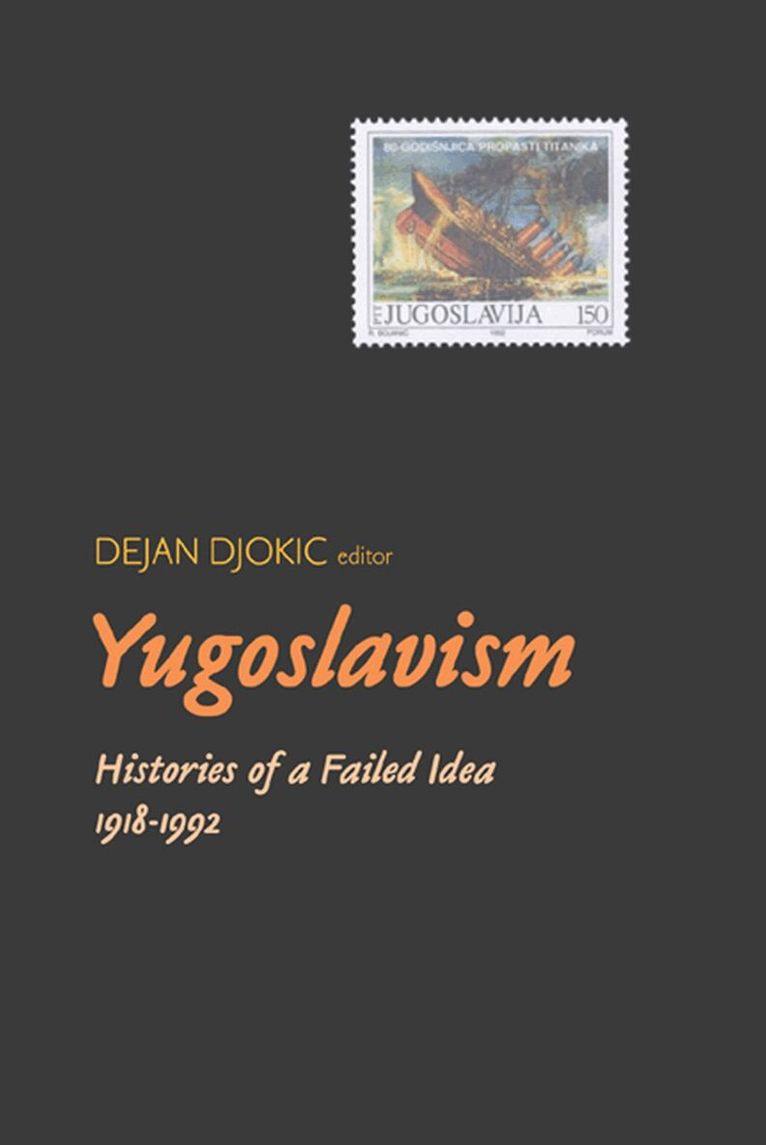
Yugoslavism
Histories of a Failed Idea, 1918-1992
Av Dejan Djokic
Häftad, 2003
284 kr
Lägg i varukorg
This volume explores historical, political, social, diplomatic, and economic aspects of the Yugoslav idea—"Yugoslavism"—between the creation of the nation in 1918 and its dissolution in the early 1990s. The key theme that emerges is that Yugoslavism was a fluid concept, understood differently at …
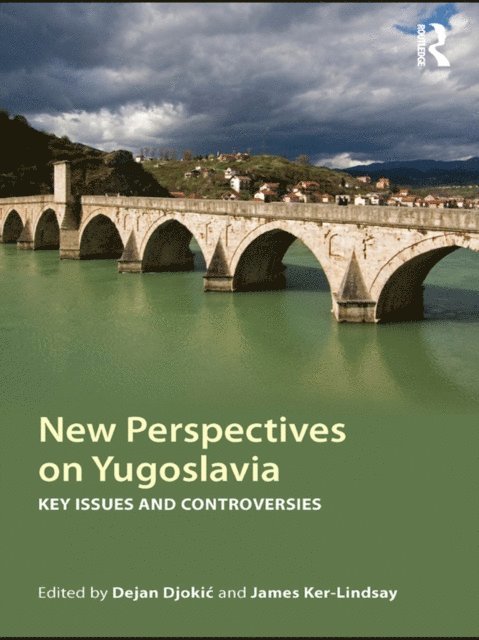
New Perspectives on Yugoslavia
Key Issues and Controversies
Av Dejan Djokić, James Ker-Lindsay
Inbunden, 2010
2588 kr
Lägg i varukorg
Nearly twenty years after it ceased to exist as a multinational federation, Yugoslavia still has the power to provoke controversy and debate. Bringing together contributions from twelve of the leading scholars of modern and contemporary South East Europe, this volume explores the history of …
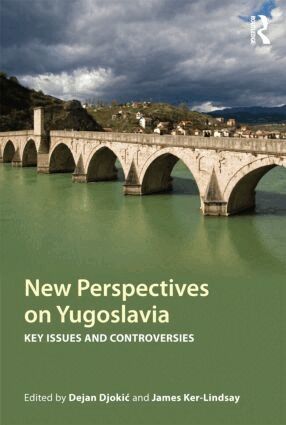
New Perspectives on Yugoslavia
Key Issues and Controversies
Av Dejan Djokić, James Ker-Lindsay
Häftad, 2010
667 kr
Lägg i varukorg
Nearly twenty years after it ceased to exist as a multinational federation, Yugoslavia still has the power to provoke controversy and debate. Bringing together contributions from twelve of the leading scholars of modern and contemporary South East Europe, this volume explores the history of …
Concise History of Serbia
Av Dejan Djokic
E-bok, 2023
487 kr
Lägg i varukorg
This accessible and engaging book covers the full span of Serbia''s history, from the sixth-century Slav migrations up to the present day. It traces key developments surrounding the medieval and modern polities associated with Serbs, revealing a fascinating history of entanglements and …
Concise History of Serbia
Av Dejan Djokic
E-bok, 2023
487 kr
Lägg i varukorg
This accessible and engaging book covers the full span of Serbia''s history, from the sixth-century Slav migrations up to the present day. It traces key developments surrounding the medieval and modern polities associated with Serbs, revealing a fascinating history of entanglements and …
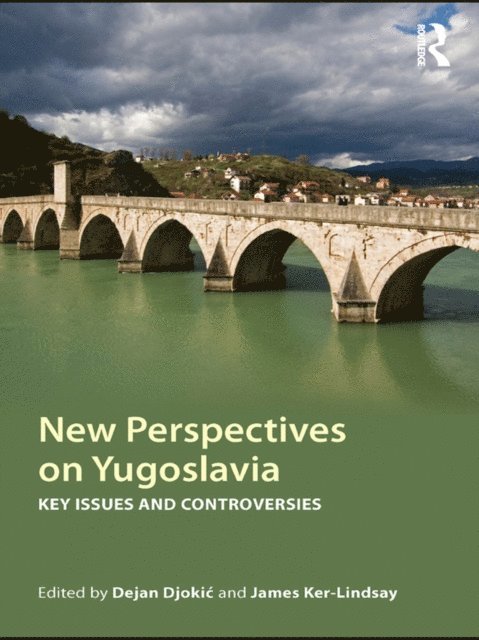
New Perspectives on Yugoslavia
Key Issues and Controversies
Av James Ker-Lindsay, Dejan Djokic
E-bok, 2010
696 kr
Lägg i varukorg
Nearly twenty years after it ceased to exist as a multinational federation, Yugoslavia still has the power to provoke controversy and debate. Bringing together contributions from twelve of the leading scholars of modern and contemporary South East Europe, this volume explores the history of …
New Perspectives on Yugoslavia
Key Issues and Controversies
Av James Ker-Lindsay, Dejan Djokic
E-bok, 2010
696 kr
Lägg i varukorg
Nearly twenty years after it ceased to exist as a multinational federation, Yugoslavia still has the power to provoke controversy and debate. Bringing together contributions from twelve of the leading scholars of modern and contemporary South East Europe, this volume explores the history of …
Elusive Compromise
A History of Interwar Yugoslavia
Av Dejan Djokic
Inbunden, 2007
621 kr
Lägg i varukorg
Before Tito's Yugoslavia, which disintegrated violently in the 1990s, there was another Yugoslav state. This book is about the original, interwar Yugoslavia (1918-41), and is based on the author's research in Croatian, Serbian, British and American archives and on extensive study of published …
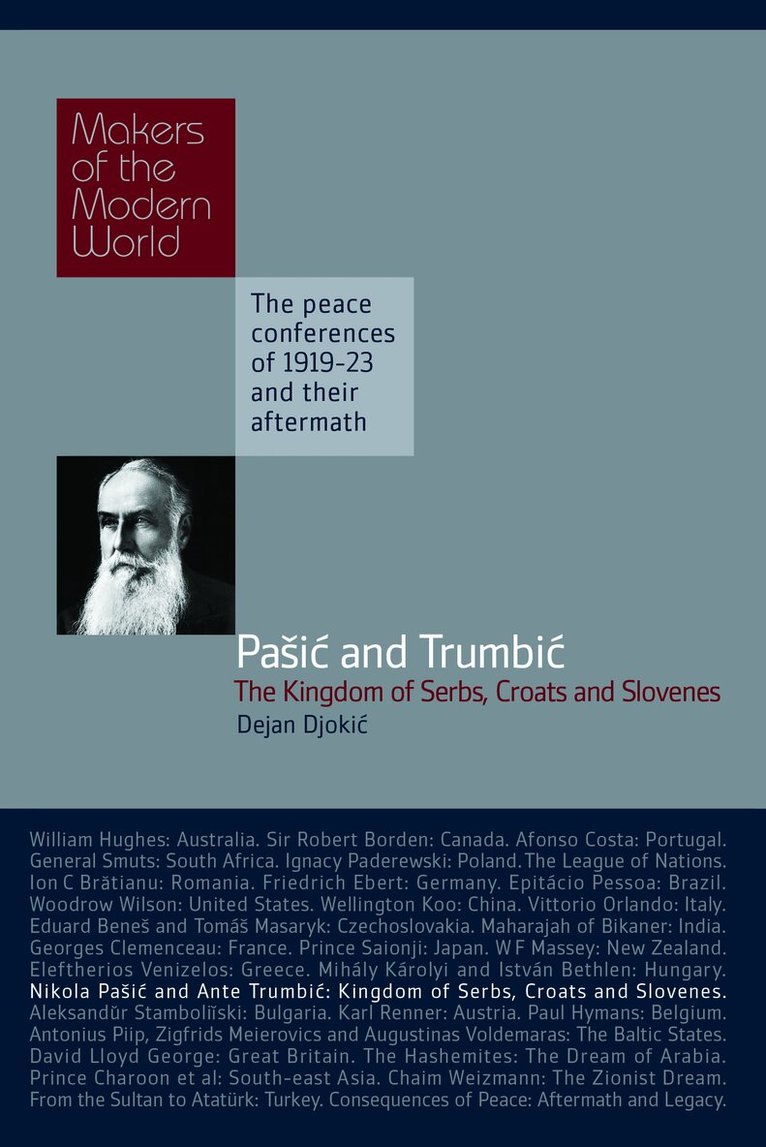
Pasic & Trumbic: The Kingdom of Serbs, Croats and Slovenes
Av Dejan Djokic
Inbunden, 2010
141 kr
Tillfälligt slut
"Nicola Pasic and Ante Trumbic: The book" will provide the first parallel biographies of two key Yugoslav politicians of the early 20th century: Nikola Pasic, a Serb, and Ante Trumbic, a Croat. It will also offer a brief history of the creation of Yugoslavia (initially known as the Kingdom of …