James Ker-Lindsay – författare
Visar alla böcker från författaren James Ker-Lindsay. Handla med fri frakt och snabb leverans.
20 produkter
20 produkter
Häftad, Engelska, 2023
137 kr
Skickas
What makes a state? This question has attracted more and more attention in recent years with Catalan's illegal vote for independence from Spain and Palestine's ongoing search for international recognition. And while Scotland chose to remain with the United Kingdom, discussions of independence have only continued as the ramifications of the later Brexit vote begin to set in. As James Ker-Lindsay and Mikulas Fabry show in this new addition to the What Everyone Needs to Know® series, the road to statehood does not run smooth. Declaring independence is only the first step; gaining both local and global acceptance is necessary before a state can become truly independent. The prospect of losing territory is usually not welcomed by the parent state, and any such threat to an existing culture and its economy is often met with resistance--armed or otherwise. Beyond this immediate conflict, the international community often refuses to accept new states without proof of defined territory, a settled population, and effective government, which frequently translates to a democratic one with demonstrated respect for human rights. Covering the legal, political, and practical issues of secession and state creation, Ker-Lindsay and Fabry provide an essential guide to this timely topic.
Inbunden, Engelska, 2023
552 kr
Skickas inom 11-20 vardagar
What makes a state? This question has attracted more and more attention in recent years with Catalan's illegal vote for independence from Spain and Palestine's ongoing search for international recognition. And while Scotland chose to remain with the United Kingdom, discussions of independence have only continued as the ramifications of the later Brexit vote begin to set in. As James Ker-Lindsay and Mikulas Fabry show in this new addition to the What Everyone Needs to Know® series, the road to statehood does not run smooth. Declaring independence is only the first step; gaining both local and global acceptance is necessary before a state can become truly independent. The prospect of losing territory is usually not welcomed by the parent state, and any such threat to an existing culture and its economy is often met with resistance--armed or otherwise. Beyond this immediate conflict, the international community often refuses to accept new states without proof of defined territory, a settled population, and effective government, which frequently translates to a democratic one with demonstrated respect for human rights. Covering the legal, political, and practical issues of secession and state creation, Ker-Lindsay and Fabry provide an essential guide to this timely topic.
Inbunden, Engelska, 2012
1 183 kr
Skickas inom 5-8 vardagar
How do states prevent the recognition of territories that have unilaterally declared independence? At a time when the issue of secession is becoming increasingly significant on the world stage, this is the first book to consider this crucial question. Analysing the efforts of the governments of Serbia, Georgia, and Cyprus to prevent the international recognition of Kosovo, South Ossetia, Abkhazia, and northern Cyprus the work draws on in depth interviews with a number of leading policy makers to explain how each of the countries has designed, developed, and implemented its counter secession strategies. After explaining how the principle of the territorial integrity of states has tended to take precedence over the right of self-determination, it examines the range of ways countries facing a separatist threat can prevent recognition by other states and considers the increasingly important role played by international and regional organisations, especially the United Nations, in the recognition process. Additionally, it shows how forms of legitimisation or acknowledgement are also central elements of any counter-recognition process, and why steps to prevent secessionist entities from participating in major sporting and cultural bodies are given so much attention. Finally, it questions the effects of these counter recognition efforts on attempts to solve these territorial conflicts. Drawing on history, politics, and international law this book is the first and only comprehensive account of this increasingly important field of foreign policy.
Häftad, Engelska, 2011
184 kr
Skickas
For nearly 60 years--from its uprising against British rule in the 1950s, to the bloody civil war between Greek and Turkish Cypriots in the 1960s, the Turkish invasion of Cyprus in the 1970s, and the United Nation's ongoing 30-year effort to reunite the island--the tiny Mediterranean nation of Cyprus has taken a disproportionate share of the international spotlight. And while it has been often in the news, accurate and impartial information on the conflict has been nearly impossible to obtain. In The Cyprus Problem, James Ker-Lindsay offers an incisive, even-handed account of the conflict. Ker-Lindsay covers all aspects of the Cyprus problem, placing it in historical context, addressing the situation as it now stands, and looking toward its possible resolution. The book begins with the origins of the Greek and Turkish Cypriot communities as well as the other indigenous communities on the island (Maronites, Latin, Armenians, and Gypsies). Ker-Lindsay then examines the tensions that emerged between the Greek and Turkish Cypriots after independence in 1960 and the complex constitutional provisions and international treaties designed to safeguard the new state. He pays special attention to the Turkish invasion in 1974 and the subsequent efforts by the UN and the international community to reunite Cyprus. The book's final two chapters address a host of pressing issues that divide the two Cypriot communities, including key concerns over property, refugee returns, and the repatriation of settlers. Ker-Lindsay concludes by considering whether partition really is the best solution, as many observers increasingly suggest.Written by a leading expert, The Cyprus Problem brings much needed clarity and understanding to a conflict that has confounded observers and participants alike for decades.
Inbunden, Engelska, 2011
900 kr
Skickas inom 5-8 vardagar
For nearly 60 years--from its uprising against British rule in the 1950s, to the bloody civil war between Greek and Turkish Cypriots in the 1960s, the Turkish invasion of Cyprus in the 1970s, and the United Nation's ongoing 30-year effort to reunite the island--the tiny Mediterranean nation of Cyprus has taken a disproportionate share of the international spotlight. And while it has been often in the news, accurate and impartial information on the conflict has been nearly impossible to obtain. In The Cyprus Problem, James Ker-Lindsay offers an incisive, even-handed account of the conflict. Ker-Lindsay covers all aspects of the Cyprus problem, placing it in historical context, addressing the situation as it now stands, and looking toward its possible resolution. The book begins with the origins of the Greek and Turkish Cypriot communities as well as the other indigenous communities on the island (Maronites, Latin, Armenians, and Gypsies). Ker-Lindsay then examines the tensions that emerged between the Greek and Turkish Cypriots after independence in 1960 and the complex constitutional provisions and international treaties designed to safeguard the new state. He pays special attention to the Turkish invasion in 1974 and the subsequent efforts by the UN and the international community to reunite Cyprus. The book's final two chapters address a host of pressing issues that divide the two Cypriot communities, including key concerns over property, refugee returns, and the repatriation of settlers. Ker-Lindsay concludes by considering whether partition really is the best solution, as many observers increasingly suggest.Written by a leading expert, The Cyprus Problem brings much needed clarity and understanding to a conflict that has confounded observers and participants alike for decades.
Inbunden, Engelska, 2018
2 138 kr
Skickas inom 10-15 vardagar
This comprehensive volume is the first systematic effort to explore the ways in which recognised states and international organisations interact with secessionist ‘de facto states’, while maintaining the position that they are not regarded as independent sovereign actors in the international system. It is generally accepted by policy makers and scholars that some interaction with de facto states is vital, if only to promote a resolution of the underlying conflict that led to their decision to break away, and yet this policy of ‘engagement without recognition’ is not without complications and controversy. This book analyses the range of issues and problems that such interaction inevitably raises. The authors highlight fundamental questions of sovereignty, conflict management and resolution, settlement processes, foreign policy and statehood. This book will be of interest to policy makers, students and researchers of international relations. It was originally published as a special issue of the journal Ethnopolitics.
Inbunden, Engelska, 2019
2 138 kr
Skickas inom 10-15 vardagar
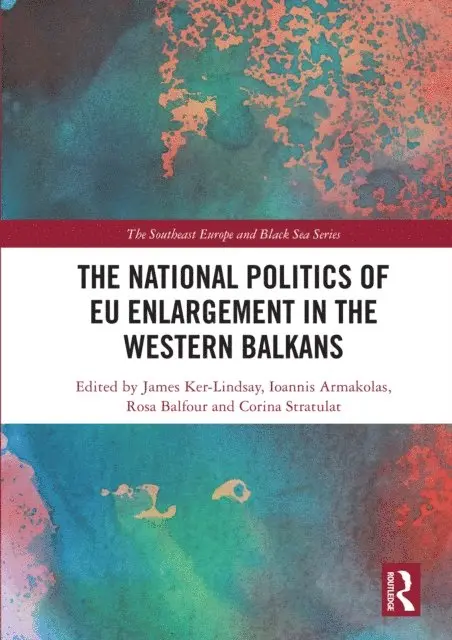
The National Politics of EU Enlargement in the Western Balkans examines the way in which a number of European Union member states, including Germany and France, formulate their policies towards enlargement in the Western Balkans.The six countries of the Western Balkans – Albania, Bosnia and Herzegovina, Kosovo, Montenegro, North Macedonia and Serbia – are on course to become the next members of the European Union. While there has been a lot of work on the ways in which these countries are preparing for accession, and how the EU as a whole approaches the question of expansion, very little attention has been paid to how individual EU member states regard enlargement into a region that presents a number of serious challenges, including the legacies of the conflicts of the 1990s, economic underdevelopment and poor governance. Focusing on key states, such as Germany, France and Italy, the neighbouring countries of Central and South East Europe, and Britain, once a leading advocate of enlargement that is now in the process of leaving the European Union, this volume casts important new empirical and conceptual light on the diverse motivations that underpin member state attitudes towards EU enlargement.The National Politics of EU Enlargement in the Western Balkans will be of great interest to scholars of the European Union, European politics, and the politics of the Western Balkans. The chapters were originally published as a special issue of Southeast European and Black Sea Studies.
Häftad, Engelska, 2020
626 kr
Skickas inom 10-15 vardagar
This comprehensive volume is the first systematic effort to explore the ways in which recognised states and international organisations interact with secessionist ‘de facto states’, while maintaining the position that they are not regarded as independent sovereign actors in the international system. It is generally accepted by policy makers and scholars that some interaction with de facto states is vital, if only to promote a resolution of the underlying conflict that led to their decision to break away, and yet this policy of ‘engagement without recognition’ is not without complications and controversy. This book analyses the range of issues and problems that such interaction inevitably raises. The authors highlight fundamental questions of sovereignty, conflict management and resolution, settlement processes, foreign policy and statehood. This book will be of interest to policy makers, students and researchers of international relations. It was originally published as a special issue of the journal Ethnopolitics.
Inbunden, Engelska, 2010
2 202 kr
Skickas inom 10-15 vardagar
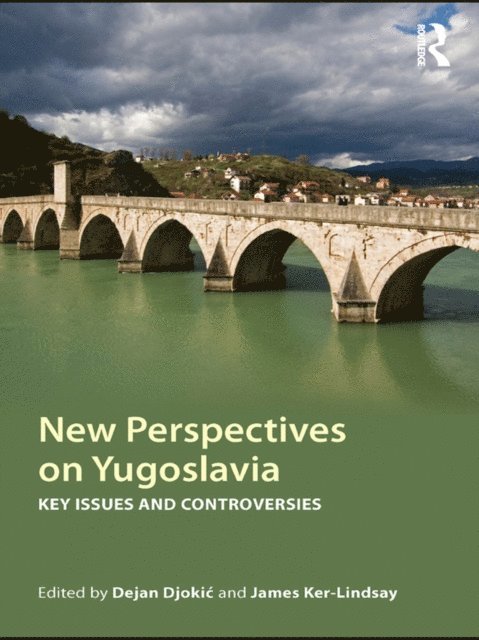
Nearly twenty years after it ceased to exist as a multinational federation, Yugoslavia still has the power to provoke controversy and debate. Bringing together contributions from twelve of the leading scholars of modern and contemporary South East Europe, this volume explores the history of Yugoslavia from creation to dissolution.Drawing on the very latest historical research, this book explains how the country came about, how it evolved and why, eventually, it failed. From the start of the twentieth century, through the First World War, the interwar years and the Second World War, to the road to socialism under President Tito and the wars of Yugoslav succession in the 1990s, this volume provides up to date analysis of the causes and consequences of a range of events that shaped the development of this remarkable state across its various iterations. The book concludes by examining post-conflict relations in the era of European integration. Traversing ninety years of history, this volume presents a fascinating story of how a country that once served as the model for multiethnic states around the world has now become a byword for ethno-national fragmentation and conflict.Contributors include Dejan Djokić, James Ker-Lindsay, Connie Robinson, Mark Cornwall, John Paul Newman, Tomislav Dulić, Stevan K. Pavlowitch, Dejan Jović, Nebojša Vladisavljević, Florian Bieber, Jasna Dragović-Soso and Eric Gordy.
Häftad, Engelska, 2010
602 kr
Skickas inom 10-15 vardagar
Nearly twenty years after it ceased to exist as a multinational federation, Yugoslavia still has the power to provoke controversy and debate. Bringing together contributions from twelve of the leading scholars of modern and contemporary South East Europe, this volume explores the history of Yugoslavia from creation to dissolution.Drawing on the very latest historical research, this book explains how the country came about, how it evolved and why, eventually, it failed. From the start of the twentieth century, through the First World War, the interwar years and the Second World War, to the road to socialism under President Tito and the wars of Yugoslav succession in the 1990s, this volume provides up to date analysis of the causes and consequences of a range of events that shaped the development of this remarkable state across its various iterations. The book concludes by examining post-conflict relations in the era of European integration. Traversing ninety years of history, this volume presents a fascinating story of how a country that once served as the model for multiethnic states around the world has now become a byword for ethno-national fragmentation and conflict.Contributors include Dejan Djokić, James Ker-Lindsay, Connie Robinson, Mark Cornwall, John Paul Newman, Tomislav Dulić, Stevan K. Pavlowitch, Dejan Jović, Nebojša Vladisavljević, Florian Bieber, Jasna Dragović-Soso and Eric Gordy.
Häftad, Engelska, 2021
626 kr
Skickas inom 10-15 vardagar
The National Politics of EU Enlargement in the Western Balkans examines the way in which a number of European Union member states, including Germany and France, formulate their policies towards enlargement in the Western Balkans.The six countries of the Western Balkans – Albania, Bosnia and Herzegovina, Kosovo, Montenegro, North Macedonia and Serbia – are on course to become the next members of the European Union. While there has been a lot of work on the ways in which these countries are preparing for accession, and how the EU as a whole approaches the question of expansion, very little attention has been paid to how individual EU member states regard enlargement into a region that presents a number of serious challenges, including the legacies of the conflicts of the 1990s, economic underdevelopment and poor governance. Focusing on key states, such as Germany, France and Italy, the neighbouring countries of Central and South East Europe, and Britain, once a leading advocate of enlargement that is now in the process of leaving the European Union, this volume casts important new empirical and conceptual light on the diverse motivations that underpin member state attitudes towards EU enlargement.The National Politics of EU Enlargement in the Western Balkans will be of great interest to scholars of the European Union, European politics, and the politics of the Western Balkans. The chapters were originally published as a special issue of Southeast European and Black Sea Studies.
Häftad, Engelska, 2016
335 kr
Skickas inom 5-8 vardagar
Survival, the bi-monthly publication from The International Institute for Strategic Studies, is a leading forum for analysis and debate of international and strategic affairs. With a diverse range of authors, thoughtful reviews and review essays, Survival is scholarly in depth while vivid, well-written and policy-relevant in approach. Shaped by its editors to be both timely and forward-thinking, the publication encourages writers to challenge conventional wisdom and bring fresh, often controversial, perspectives to bear on the strategic issues of the moment.
Häftad, Engelska, 2020
467 kr
Skickas inom 10-15 vardagar
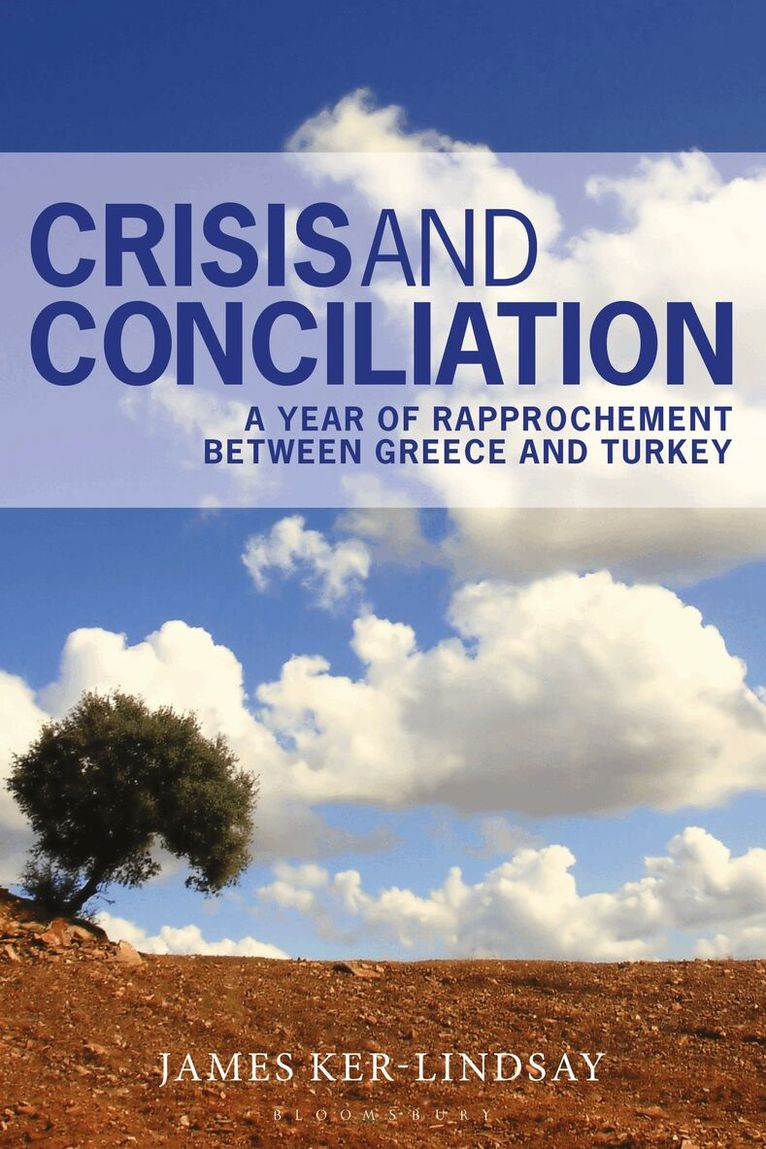
When Abdullah Ocalan, leader of the Kurdistan Workers' Party (PKK), was arrested in February 1999, it marked a turning point in relations between Greece and Turkey. As the country's most wanted man, his arrest was greeted with jubilation throughout most of Turkey. However, it also led to a public outcry when it emerged that he had been captured leaving the Greek Embassy in Nairobi, Kenya. This was seen as definitive proof that the Greek Government had been aiding and abetting the PKK. In the days and weeks that followed the arrest, relations between the Aegean neighbours sank to their lowest level since the summer of 1974, when Athens and Ankara had come to the brink of war over Cyprus. However, by the end of the year, the picture could not have been more different. An improbable series of events that included a regional conflict, two major disasters and the death of a senior Greek politician had led to a complete transformation in the relations between the two countries. The crowning moment of this change came in December when Greece dropped its long-standing opposition to Turkish candidacy for EU membership. How did this remarkable change come about? Who should take the credit? And what did it mean for diplomatic relations in the Eastern Mediterranean? This is the story of how two countries started down a path to peace after decades of tension and hostility and how, over the course of one monumental year, relations between Greece and Turkey went from the brink of conflict to an unprecedented affirmation of friendship and solidarity.
Häftad, Engelska, 2015
340 kr
Skickas inom 10-15 vardagar
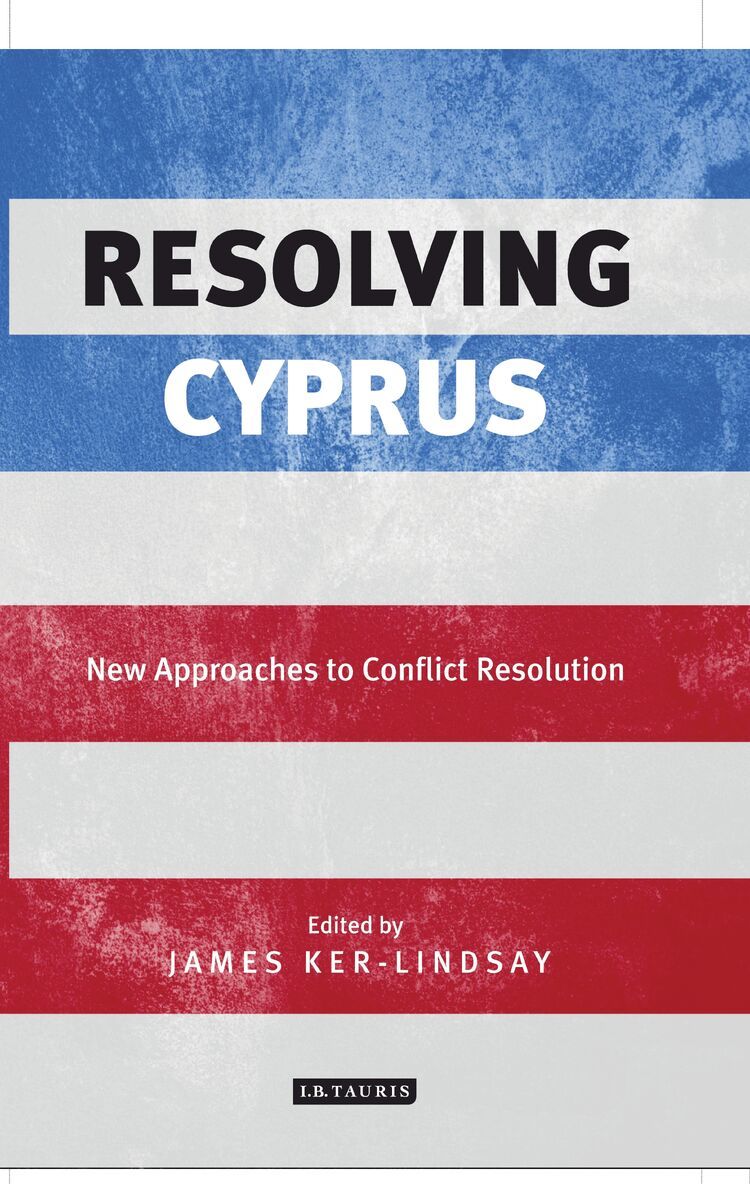
Over the past fifty years the Cyprus Problem has come to be regarded as the archetype of an intractable ethnic conflict. Since 1964, the United Nations has been at the forefront of efforts to find a political solution to the dispute between the island s Greek and Turkish communities. And yet, despite the active involvement of six Secretaries-General (U Thant, Kurt Waldheim, Javier Perez de Cuellar, Boutros Boutros Ghali, Kofi Annan and Ban Ki-Moon), every attempt to reach a mutually acceptable solution has failed. Here, James Ker-Lindsay draws together new and original perspectives from the leading experts on Cyprus, including academics, policy-makers, politicians and activists. All have addressed one deceptively simple question: Can Cyprus be solved? Resolving Cyprus presents a comprehensive overview of the Cyprus Problem from a variety of approaches and offers new and innovative ideas as to how to tackle one of the longest running ethnic conflicts on the world stage. This represents an essential contribution to the body of work on Cyprus, and will be required reading for all those following the debates surrounding the Cyprus problem."
Inbunden, Engelska, 2007
1 766 kr
Skickas inom 10-15 vardagar
When Abdullah Ocalan, leader of the Kurdistan Workers' Party (PKK), was arrested in February 1999, it marked a turning point in relations between Greece and Turkey. As the country's most wanted man, his arrest was greeted with jubilation throughout most of Turkey. However, it also led to a public outcry when it emerged that he had been captured leaving the Greek Embassy in Nairobi, Kenya. This was seen as definitive proof that the Greek Government had been aiding and abetting the PKK. In the days and weeks that followed the arrest, relations between the Aegean neighbours sank to their lowest level since the summer of 1974, when Athens and Ankara had come to the brink of war over Cyprus. However, by the end of the year, the picture could not have been more different. An improbable series of events that included a regional conflict, two major disasters and the death of a senior Greek politician had led to a complete transformation in the relations between the two countries. The crowning moment of this change came in December when Greece dropped its long-standing opposition to Turkish candidacy for EU membership. How did this remarkable change come about? Who should take the credit?And what did it mean for diplomatic relations in the Eastern Mediterranean? This is the story of how two countries started down a path to peace after decades of tension and hostility and how, over the course of one monumental year, relations between Greece and Turkey went from the brink of conflict to an unprecedented affirmation of friendship and solidarity.
Inbunden, Engelska, 2009
2 059 kr
Skickas inom 5-8 vardagar
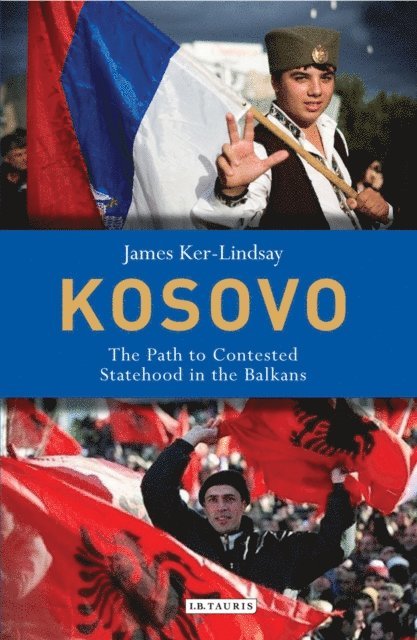
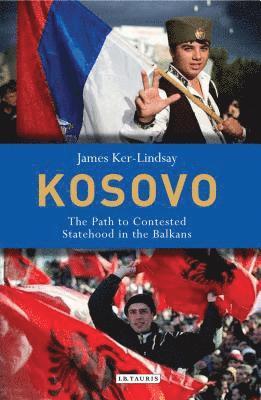
Kosovo is the most important issue in contemporary Europe - and potentially the most explosive. This book presents an objective and up to date history of Kosovo's contested path to the declaration of independence in 2008. The author combines academic and practical experience of the subject and is uniquely well placed to comment.In February 2008, Kosovo declared its independence from Serbia. Was this the final chapter in the break up of Yugoslavia and the successful conclusion to the Balkan Wars of the 1990s? Or was it just one more wrong turn in the path to stability in the Balkans which has set a dangerous precedent for regional conflict throughout the world?When the UN Security Council authorised negotiations to determine the final status of Kosovo in October 2005, most observers confidently expected the Serbian province to become an independent state by the end of the following year. However, the process did not go as planned."Kosovo: The Path to Contested Statehood in the Balkans" charts the course of the status process from 2005 to the present and analyses how and why it went so very wrong.This clear and perceptive account will be essential reading for anyone with an interest in the recent history of the Balkans or in international conflict resolution.
Inbunden, Engelska, 2011
1 766 kr
Skickas inom 10-15 vardagar
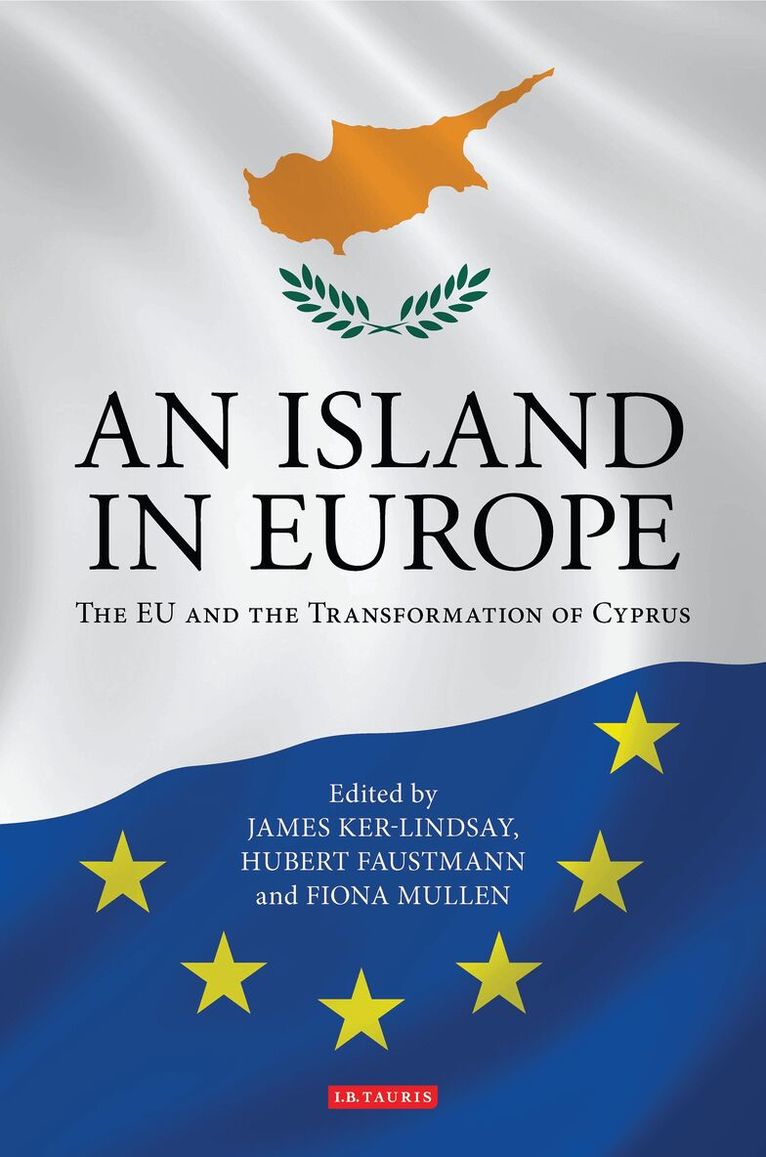
The celebrations which marked the accession of the Republic of Cyprus to the European Union on 1st May 2004 signalled the end of a fourteen year process since the island had first applied to join - and the end of six full years of complicated and intense negotiations. Upon joining the EU, Cyprus was widely regarded as the most advanced of the ten acceding states. Yet this did not prevent the conditions of accession and its aftermath from bringing widespread and comprehensive changes to the internal social, economic and political situation of Cyprus, as well as to its external relations. "An Island in Europe" traces these developments, examining the process of accession and its wide-reaching repercussions. It offers an authoritative and comprehensive account of a critical phase in Cypriot history, from a range of experts in the fields of politics, academia and conflict resolution. The authors explain the economic, political and legal ramifications of EU membership and explore how Cyprus has endeavoured - sometimes successfully, at other times less so - to adapt to these demands. This book is an important contribution to an understanding of contemporary Cyprus.It will be a vital resource for anyone involved with the politics or history of the island or seeking to understand Cyprus as a case study for conflict resolution.
Häftad, Engelska, 2011
495 kr
Skickas inom 10-15 vardagar
In 2008, Kosovo declared independence from Serbia. Was this the final chapter in the break-up of Yugoslavia and the successful conclusion to the Balkan Wars of the 1990s? Or was it just one more wrong turn in the path to stability in the Balkans which has set a dangerous precedent for regional conflict throughout the world? When the UN Security Council authorised negotiations to determine the final status of Kosovo in October 2005, most observers confidently expected the Serbian province to become an independent state by the end of the following year. However, the process did not go as planned. James Ker-Lindsay here charts the course of the status process from 2005 to the present and analyses how and why it went so very wrong. This clear and perceptive account will be essential reading for anyone with an interest in the recent history of the Balkans or in international conflict resolution.
Inbunden, Engelska, 2019
1 393 kr
Skickas inom 10-15 vardagar
This edited volume explores the different ways in which members of the European Union have interacted with Kosovo since it declared independence in 2008.
Häftad, Engelska, 2020
1 393 kr
Skickas inom 10-15 vardagar
This edited volume explores the different ways in which members of the European Union have interacted with Kosovo since it declared independence in 2008.