Denis Byrne – författare
Visar alla böcker från författaren Denis Byrne. Handla med fri frakt och snabb leverans.
14 produkter
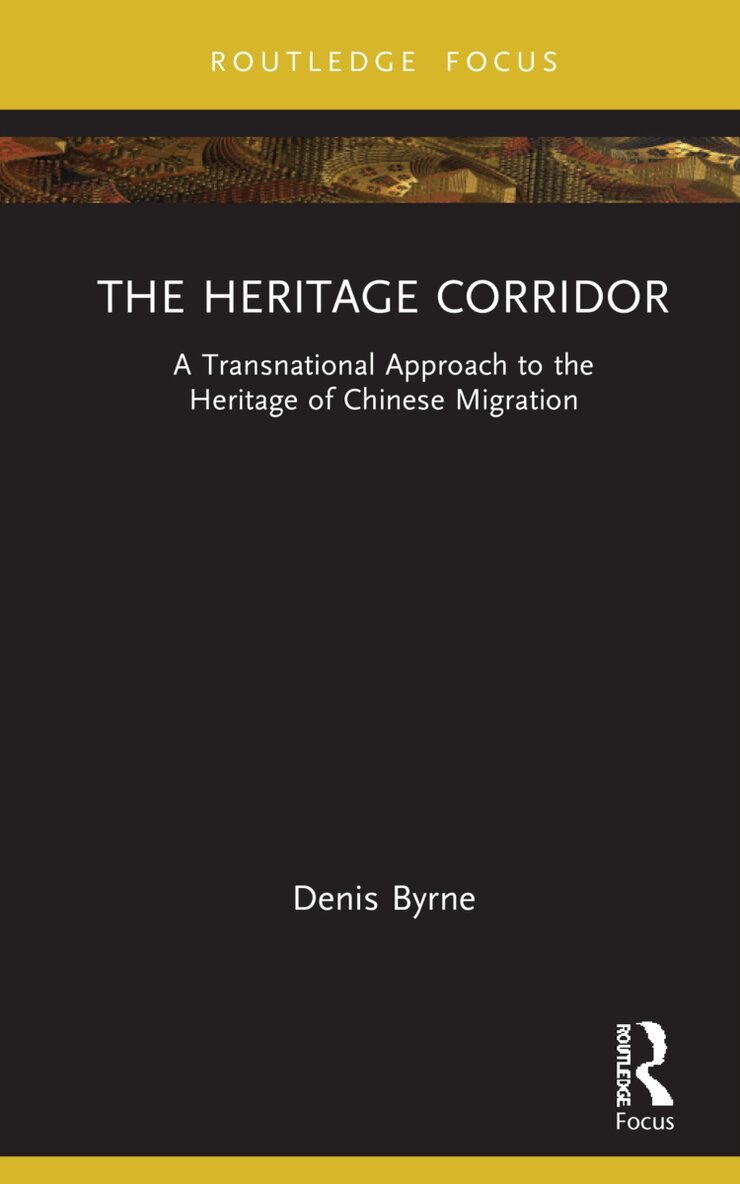
Heritage Corridor
A Transnational Approach to the Heritage of Chinese Migration
Av Denis Byrne
Inbunden, 2021
1024 kr
Lägg i varukorg
The Heritage Corridor argues for a transnational approach to investigating and recording heritage places that emerge from histories of migration. Addressing the material legacy of migration, this book also relates it to issues of contemporary importance.Presenting an image of the built environment …
Heritage Corridor
A Transnational Approach to the Heritage of Chinese Migration
Av Denis Byrne
Häftad, 2023
336 kr
Lägg i varukorg
The Heritage Corridor argues for a transnational approach to investigating and recording heritage places that emerge from histories of migration. Addressing the material legacy of migration, this book also relates it to issues of contemporary importance.Presenting an image of the built environment …
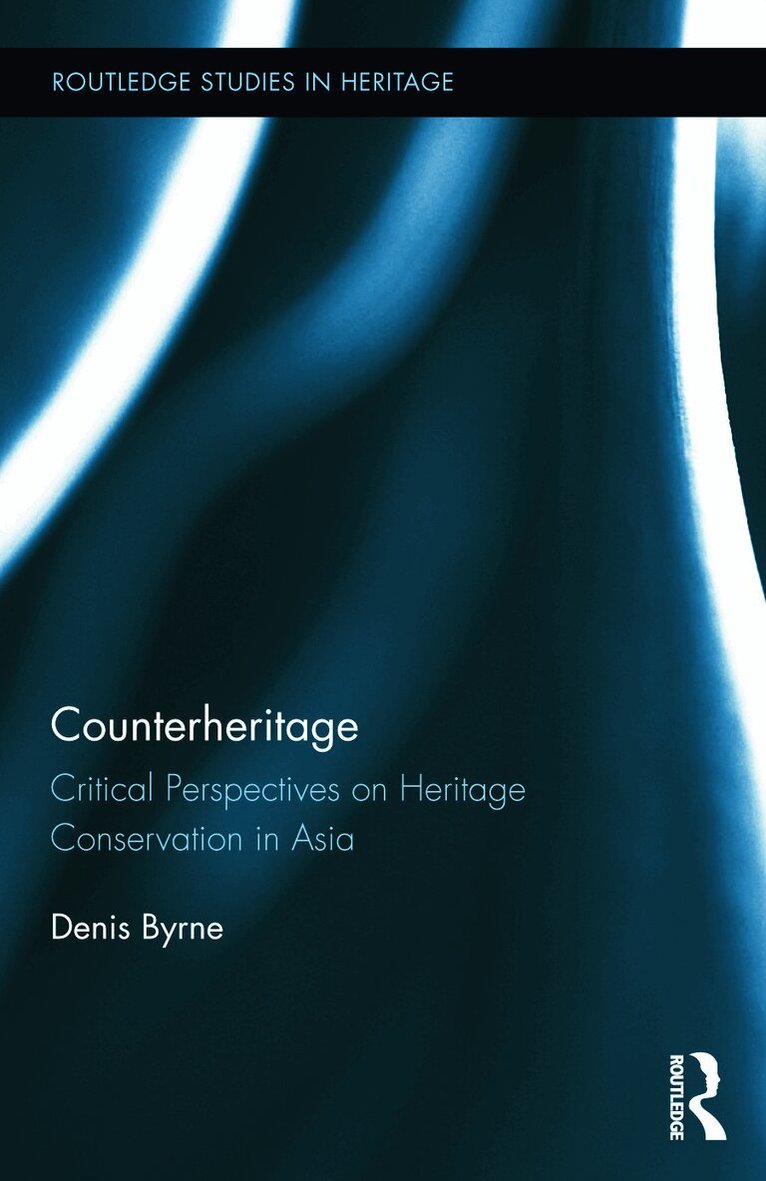
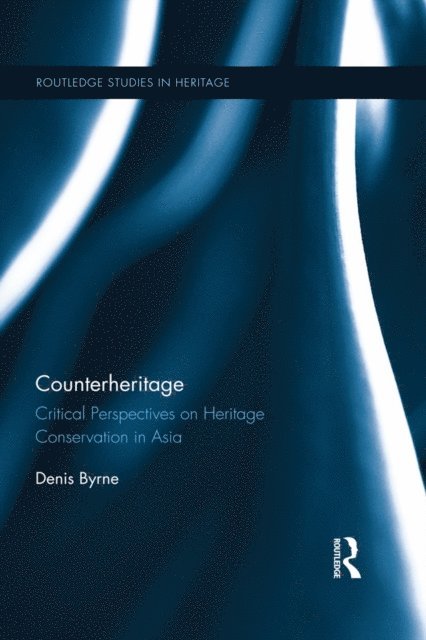
Counterheritage
Critical Perspectives on Heritage Conservation in Asia
Av Denis Byrne
Inbunden, 2014
2504 kr
Lägg i varukorg
The claim that heritage practice in Asia is Eurocentric may be well-founded, but the view that local people in Asia need to be educated by heritage practitioners and governments to properly conserve their heritage distracts from the responsibility of educating oneself about the local-popular …
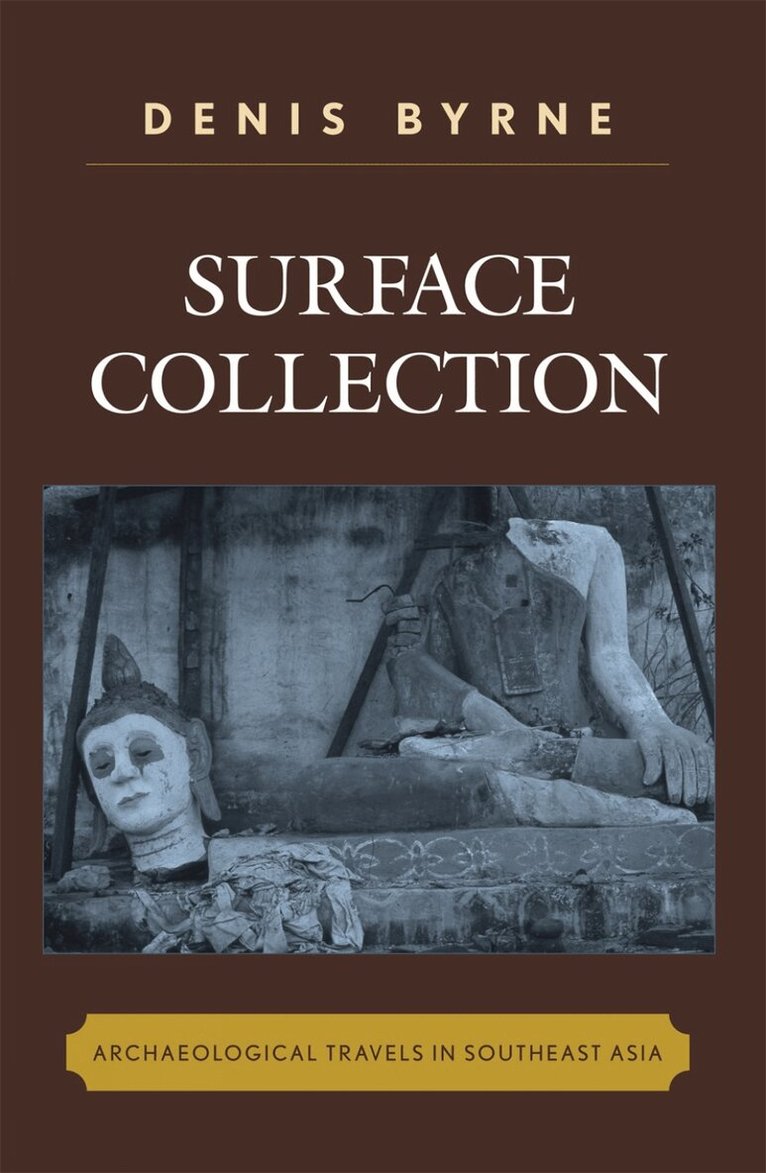
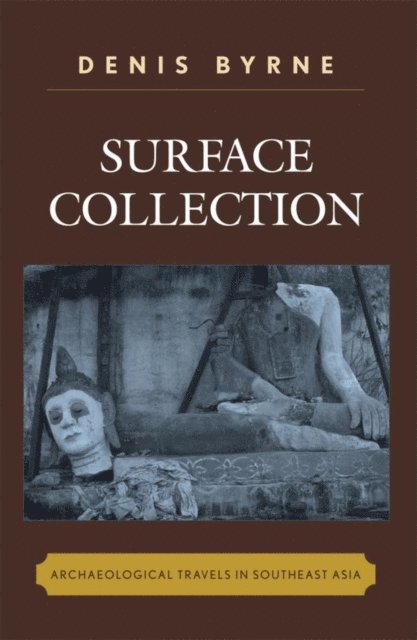
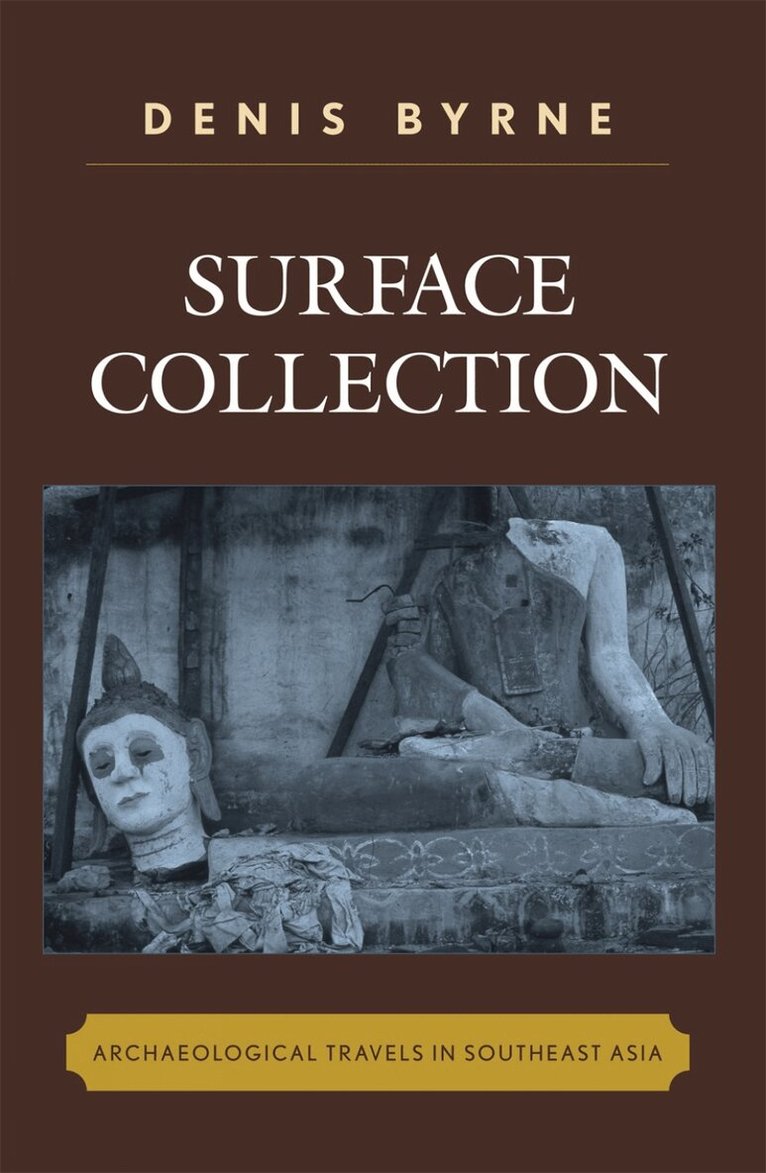
Surface Collection
Archaeological Travels in Southeast Asia
Av Denis Byrne
Häftad, 2007
616 kr
Lägg i varukorg
Written as a travelogue, Surface Collection: Archaeological Travels in Southeast Asia tackles the most pressing issues of cultural-heritage management in an engaging and accessible way. In each chapter the author makes the past relevant to the present through his encounters with archaeological …
Surface Collection
Archaeological Travels in Southeast Asia
Av Denis Byrne
E-bok, 2007
674 kr
Lägg i varukorg
Written as a travelogue, Surface Collection: Archaeological Travels in Southeast Asia tackles the most pressing issues of cultural-heritage management in an engaging and accessible way. In each chapter the author makes the past relevant to the present through his encounters with archaeological …
Counterheritage
Critical Perspectives on Heritage Conservation in Asia
Av Denis Byrne
Häftad, 2020
733 kr
Lägg i varukorg
The claim that heritage practice in Asia is Eurocentric may be well-founded, but the view that local people in Asia need to be educated by heritage practitioners and governments to properly conserve their heritage distracts from the responsibility of educating oneself about the local-popular …
Heritage Corridor
A Transnational Approach to the Heritage of Chinese Migration
Av Denis Byrne
E-bok, 2021
373 kr
Lägg i varukorg
The Heritage Corridor argues for a transnational approach to investigating and recording heritage places that emerge from histories of migration. Addressing the material legacy of migration, this book also relates it to issues of contemporary importance. Presenting an image of the built environment …
Heritage Corridor
A Transnational Approach to the Heritage of Chinese Migration
Av Denis Byrne
E-bok, 2021
381 kr
Lägg i varukorg
The Heritage Corridor argues for a transnational approach to investigating and recording heritage places that emerge from histories of migration. Addressing the material legacy of migration, this book also relates it to issues of contemporary importance. Presenting an image of the built environment …
Counterheritage
Critical Perspectives on Heritage Conservation in Asia
Av Denis Byrne
E-bok, 2014
854 kr
Lägg i varukorg
The claim that heritage practice in Asia is Eurocentric may be well-founded, but the view that local people in Asia need to be educated by heritage practitioners and governments to properly conserve their heritage distracts from the responsibility of educating oneself about the local-popular …
Counterheritage
Critical Perspectives on Heritage Conservation in Asia
Av Denis Byrne
E-bok, 2014
854 kr
Lägg i varukorg
The claim that heritage practice in Asia is Eurocentric may be well-founded, but the view that local people in Asia need to be educated by heritage practitioners and governments to properly conserve their heritage distracts from the responsibility of educating oneself about the local-popular …
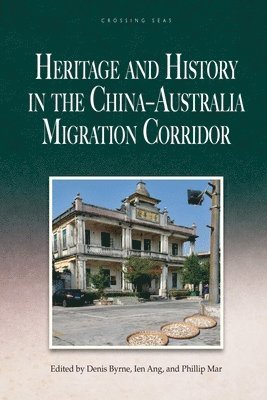
Heritage and History in the China-Australia Migration Corridor
Av Denis Byrne, Ien Ang m. fl.
Inbunden, 2023
1027 kr
Lägg i varukorg
Surface Collection
Archaeological Travels in Southeast Asia
Av Denis Byrne
Inbunden, 2007
1318 kr
Tillfälligt slut
Written as a travelogue, Surface Collection: Archaeological Travels in Southeast Asia tackles the most pressing issues of cultural-heritage management in an engaging and accessible way. In each chapter the author makes the past relevant to the present through his encounters with archaeological …