Denis Waelbroeck – författare
1 847 kr
Skickas inom 5-8 vardagar
1 569 kr
Läs direkt efter köp
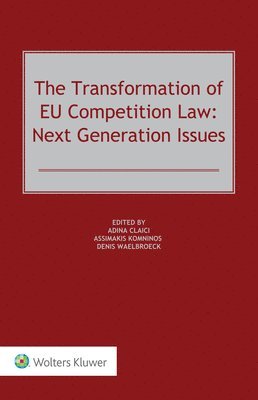
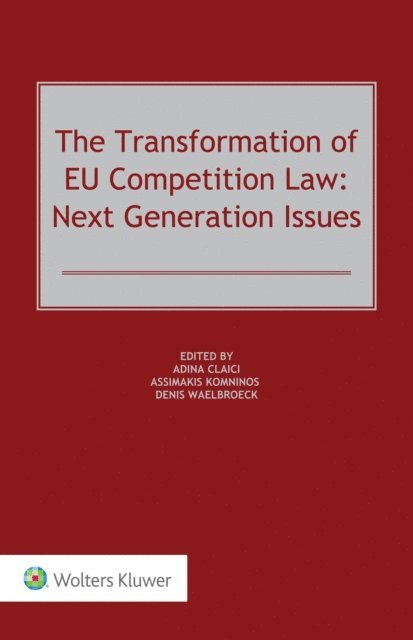
The controversy surrounding EU competition rules has grown in recent years. Pressure from such phenomena as the COVID-19 pandemic, climate change and the digital economy have fostered a fragmentation in the interpretation of the rules at both national and EU levels. This volume takes stock of the current situation, assessing the successes and failures of the prevailing ‘modernisation’ policy and setting forth a range of potential legal adaptations designed to offer the right responses to a rapidly changing world.
The book’s contributions are based on papers delivered at the 2022 Annual Conference of the Global Competition Law Center (GCLC) at the College of Europe in Bruges. The authors include prominent practitioners and academics, members of the European Commission, representatives of national competition authorities, and judges from both EU and national courts. They address such salient issues as the following:
free competition versus ‘regulated competition’ as alternative or complementary models;
new methods for the identification of consumer harm and benefits;
sui generis competition law regimes for specific sectors;
State aid enforcement and crisis management; and
the green and digital objectives and their legal and political implications.
Taken together, the essays provide extensive treatment of the EU Courts’ jurisprudence and the literature in the field. For practitioners, policymakers and academics working with competition law, the book will clearly explain the new competencies of the Commission, raise awareness of the latest case law on the analysis of effects, and ensure a forward-looking approach to competition law enforcement in Europe.
1 569 kr
Läs direkt efter köp
The controversy surrounding EU competition rules has grown in recent years. Pressure from such phenomena as the COVID-19 pandemic, climate change and the digital economy have fostered a fragmentation in the interpretation of the rules at both national and EU levels. This volume takes stock of the current situation, assessing the successes and failures of the prevailing ‘modernisation’ policy and setting forth a range of potential legal adaptations designed to offer the right responses to a rapidly changing world.
The book’s contributions are based on papers delivered at the 2022 Annual Conference of the Global Competition Law Center (GCLC) at the College of Europe in Bruges. The authors include prominent practitioners and academics, members of the European Commission, representatives of national competition authorities, and judges from both EU and national courts. They address such salient issues as the following:
free competition versus ‘regulated competition’ as alternative or complementary models;
new methods for the identification of consumer harm and benefits;
sui generis competition law regimes for specific sectors;
State aid enforcement and crisis management; and
the green and digital objectives and their legal and political implications.
Taken together, the essays provide extensive treatment of the EU Courts’ jurisprudence and the literature in the field. For practitioners, policymakers and academics working with competition law, the book will clearly explain the new competencies of the Commission, raise awareness of the latest case law on the analysis of effects, and ensure a forward-looking approach to competition law enforcement in Europe.
1 578 kr
Skickas inom 5-8 vardagar
1 339 kr
Läs direkt efter köp
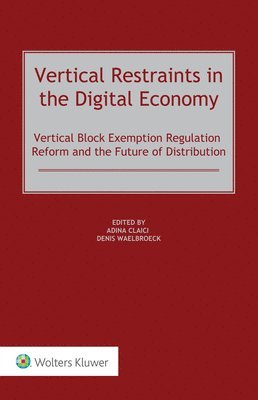
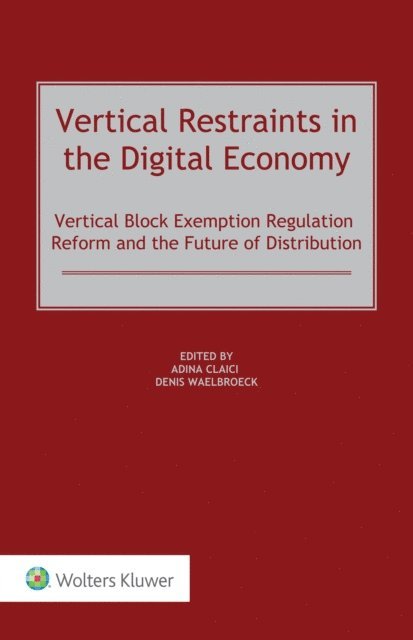
Vertical agreements between undertakings at the various levels of a supply chain have long been seen as a fundamental focus for antitrust legislation, such as the European Union’s Vertical Block Exemption Regulation (VBER). It goes without saying that such issues are particularly prevalent in digital markets. This authoritative commentary analyses the main restrictions in vertical agreements, emphasising the numerous new and contentious issues arising in the context of Internet distribution. It offers both legal and economic perspectives, as well as examines enforcement and possible changes to the legislation.
The contributors – leading competition authority officials, lawyers, economists, and academics – provide in-depth discussions of topics that have emerged as areas for conscious policy choices, including the following:
restrictions of online sales; price parity obligations; resale price maintenance; the duration of non-compete obligations; sustainability agreements; geo-blocking practices; and restraint of trade in pharmaceuticals.The contributions have emerged from the 2020 conference of the Global Competition Law Centre at the College of Europe in the context of the currently ongoing review of the VBER and vertical guidelines. With its multidisciplinary approach highlighting the efficiencies and harms caused by the restrictions at stake, this important book clearly shows how law and practice apply to specific issues relating to digital markets and how the law is likely to change in the near future. It will be of immeasurable value to lawyers and officials concerned with European competition law and academics in the field.
1 339 kr
Läs direkt efter köp
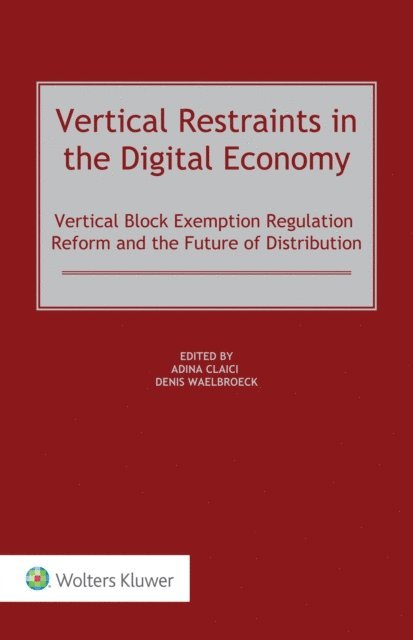
Vertical agreements between undertakings at the various levels of a supply chain have long been seen as a fundamental focus for antitrust legislation, such as the European Union’s Vertical Block Exemption Regulation (VBER). It goes without saying that such issues are particularly prevalent in digital markets. This authoritative commentary analyses the main restrictions in vertical agreements, emphasising the numerous new and contentious issues arising in the context of Internet distribution. It offers both legal and economic perspectives, as well as examines enforcement and possible changes to the legislation.
The contributors – leading competition authority officials, lawyers, economists, and academics – provide in-depth discussions of topics that have emerged as areas for conscious policy choices, including the following:
restrictions of online sales; price parity obligations; resale price maintenance; the duration of non-compete obligations; sustainability agreements; geo-blocking practices; and restraint of trade in pharmaceuticals.The contributions have emerged from the 2020 conference of the Global Competition Law Centre at the College of Europe in the context of the currently ongoing review of the VBER and vertical guidelines. With its multidisciplinary approach highlighting the efficiencies and harms caused by the restrictions at stake, this important book clearly shows how law and practice apply to specific issues relating to digital markets and how the law is likely to change in the near future. It will be of immeasurable value to lawyers and officials concerned with European competition law and academics in the field.