Derick Fay – författare
Visar alla böcker från författaren Derick Fay. Handla med fri frakt och snabb leverans.
10 produkter
Rights and Wrongs of Land Restitution
'Restoring What Was Ours'
Inbunden, 2008
2309 kr
Lägg i varukorg
The Rights and Wrongs of Land Restitution: ‘Restoring What Was Ours’offers a critical, comparative ethnographic, examination of land restitution programs. Drawing on memories and histories of past dispossession, governments, NGOs, informal movements and individual claimants worldwide have attempted …
Rights and Wrongs of Land Restitution
'Restoring What Was Ours'
Häftad, 2009
689 kr
Lägg i varukorg
The Rights and Wrongs of Land Restitution: ‘Restoring What Was Ours’offers a critical, comparative ethnographic, examination of land restitution programs. Drawing on memories and histories of past dispossession, governments, NGOs, informal movements and individual claimants worldwide have attempted …
Rights and Wrongs of Land Restitution
'Restoring What Was Ours'
E-bok, 2008
813 kr
Lägg i varukorg
The Rights and Wrongs of Land Restitution: ‘Restoring What Was Ours’ offers a critical, comparative ethnographic, examination of land restitution programs. Drawing on memories and histories of past dispossession, governments, NGOs, informal movements and individual claimants worldwide have …
Rights and Wrongs of Land Restitution
'Restoring What Was Ours'
E-bok, 2008
795 kr
Lägg i varukorg
The Rights and Wrongs of Land Restitution: ‘Restoring What Was Ours’ offers a critical, comparative ethnographic, examination of land restitution programs. Drawing on memories and histories of past dispossession, governments, NGOs, informal movements and individual claimants worldwide have …
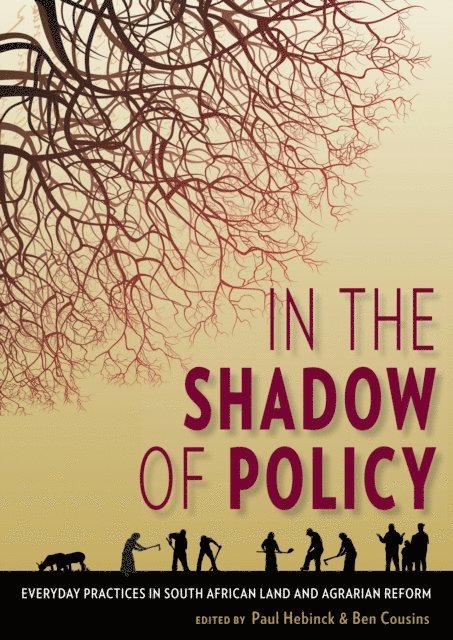
In the Shadow of Policy
Everyday Practices in South Africa''s Land and Agrarian Reform
Av Yves van Leynseele, Wim van Averbeke m. fl.
E-bok, 2013
398 kr
Lägg i varukorg
Notions of land and agrarian reform are now well entrenched in post-apartheid South Africa. But what this reform actually means for everyday life is not clearly understood, nor the way it will impact on the political economy. In the Shadow of Policy explores the interface between the policy of land …
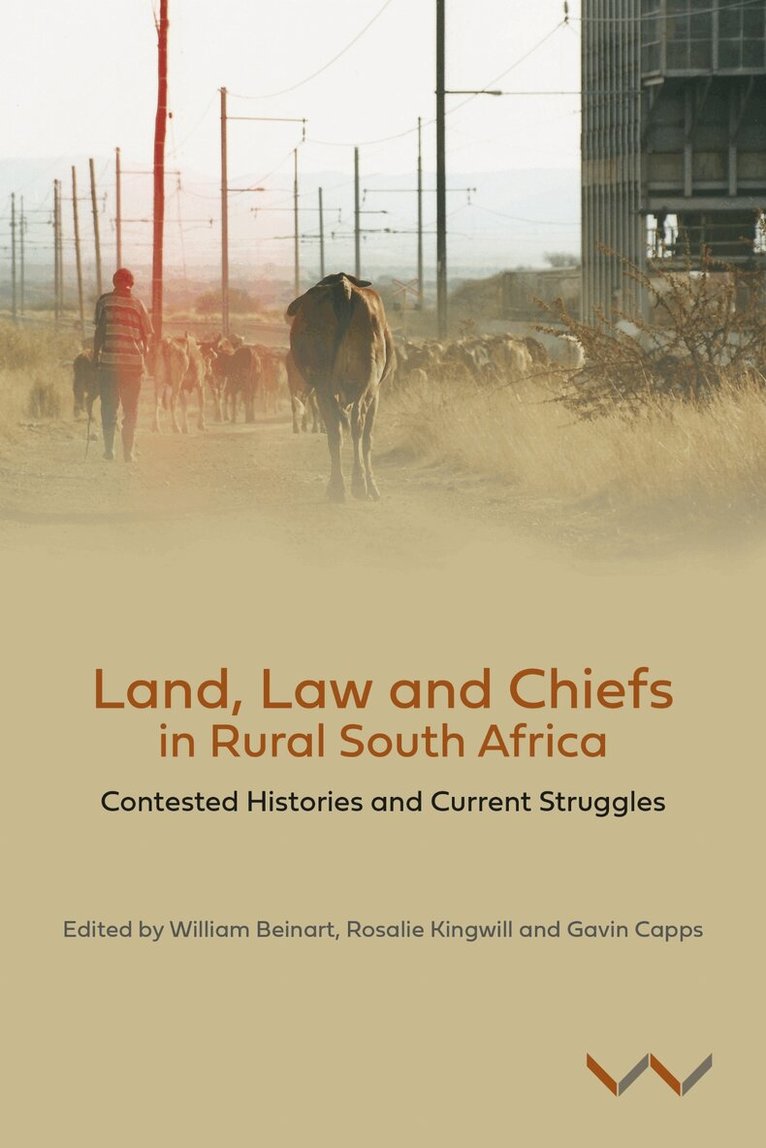
Land, Law and Chiefs in Rural South Africa
Contested Histories and Current Struggles
Av William Beinart, Rosalie Kingwill m. fl.
Häftad, 2021
354 kr
Lägg i varukorg
This edited collection illustrates contestations over land and political authority in South Africa's rural areas, focusing on threats to popular rights and how they are being supported.Who controls the land and minerals in the former Bantustans of South Africa - chiefs, the state or landholders? …
Land, Law and Chiefs in Rural South Africa
Contested histories and current struggles
Av Tara Weinberg, Janine Ubink m. fl.
E-bok, 2021
366 kr
Lägg i varukorg
Who controls the land and minerals in the former Bantustans of South Africa - chiefs, the state or landholders? Disputes are taking place around the ownership of resources, decisions about their exploitation and who should benefit. With respect to all of these issues, the courts have become …
Land, Law and Chiefs in Rural South Africa
Contested histories and current struggles
Av Tara Weinberg, Janine Ubink m. fl.
E-bok, 2021
358 kr
Lägg i varukorg
Who controls the land and minerals in the former Bantustans of South Africa - chiefs, the state or landholders? Disputes are taking place around the ownership of resources, decisions about their exploitation and who should benefit. With respect to all of these issues, the courts have become …
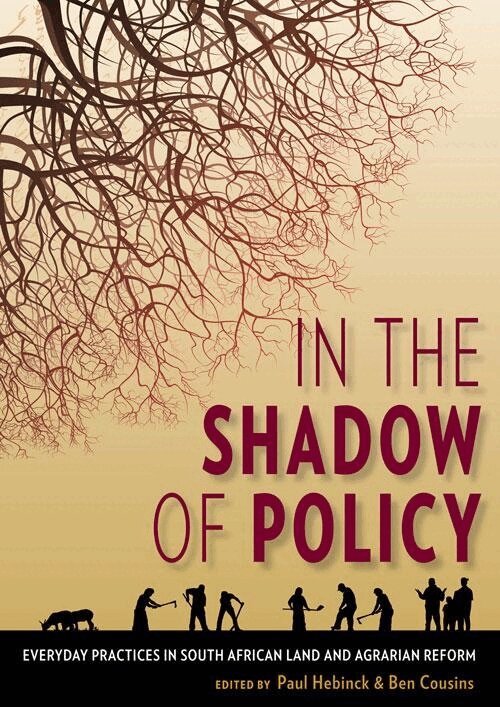
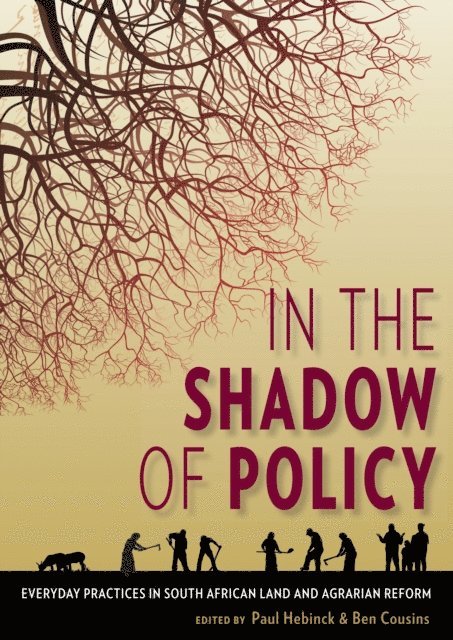
In the Shadow of Policy
Everyday Practices in South Africa's Land and Agrarian Reform
Av Paul Hebinck, Ben Cousins m. fl.
Häftad, 2013
386 kr
Lägg i varukorg
Notions of land and agrarian reform are now well entrenched in post-apartheid South Africa. But what this reform actually means for everyday life is not clearly understood, nor the way it will impact on the political economy. In the Shadow of Policy explores the interface between the policy of land …
In the Shadow of Policy
Everyday Practices in South Africa''s Land and Agrarian Reform
Av Yves van Leynseele, Wim van Averbeke m. fl.
E-bok, 2013
398 kr
Lägg i varukorg
Notions of land and agrarian reform are now well entrenched in post-apartheid South Africa. But what this reform actually means for everyday life is not clearly understood, nor the way it will impact on the political economy. In the Shadow of Policy explores the interface between the policy of land …