Diana Amantea - Böcker
Visar alla böcker från författaren Diana Amantea. Handla med fri frakt och snabb leverans.
4 produkter
4 produkter
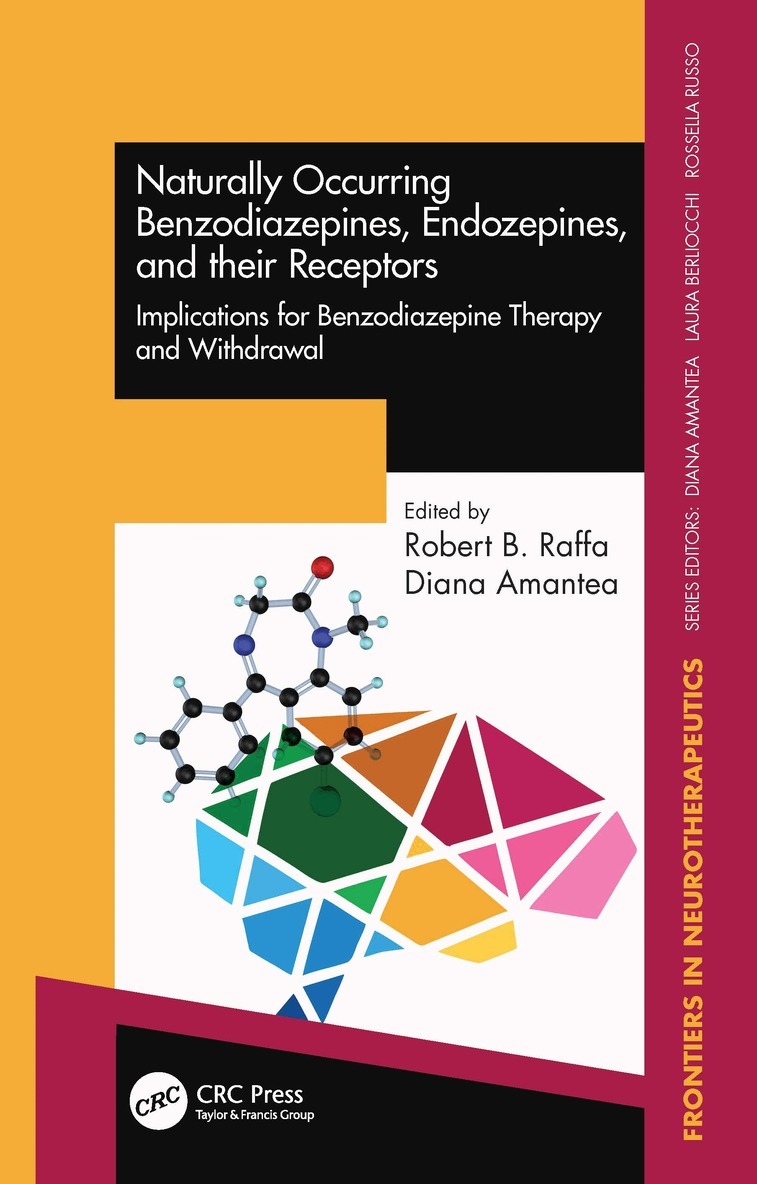
Naturally Occurring Benzodiazepines, Endozepines, and their Receptors
Implications for Benzodiazepine Therapy and Withdrawal
Häftad, Engelska, 2021
1 040 kr
Skickas inom 10-15 vardagar
Understanding and addressing the current opioid crisis requires knowledge of endogenous opioids (endorphins and enkephalins), but there is now evidence for a benzodiazepine crisis. Are there endogenous benzodiazepine-like substances—and what do they do? How do they affect antianxiety drugs and their adverse effects? Do they explain enigmatic prolonged benzodiazepine withdrawal syndrome? This book raises important questions about the clinical consequences of ignoring the existence of or understanding the potential influence of endogenous benzodiazepines on the therapeutic effect of benzodiazepines, their adverse effects, and the problems of withdrawal from them and other benzodiazepine receptor agonists.FEATURESDiscusses endogenous benzodiazepine-like substances—what do they do, and do they affect antianxiety drugs and their adverse effects?Presents information on enigmatic prolonged benzodiazepine withdrawal syndromeDescribes the compounds acting at the BDZ binding sites, both exogenous (classical BDZ drugs and BDZ from food and plants) and endogenous (endozepines)Assesses the putative interactions in physiology, pathology, and pharmacology of the compounds acting at the BDZ binding sitesDr. Raffa is Adjunct Professor at the University of Arizona College of Pharmacy and Professor Emeritus at Temple University School of Pharmacy. He has co-authored or edited several books on pharmacology and thermodynamics, is a co-editor of two journals, is a past president of the Mid-Atlantic Pharmacology Society, and is the recipient of research and teaching awards. Dr. Amantea is Associate Professor of Pharmacology at the Department of Pharmacy, Health and Nutritional Sciences of the University of Calabria (Italy), where she is the leader of the Stroke Research Unit at the Section of Preclinical and Translational Pharmacology operating in the frame of the Italian Stroke Organization (ISO) Basic Science. She is a member of the Editorial Board and the Guest Editor of the 2016 Neuroscience section of Current Opinion in Pharmacology (Elsevier), and the founder and the editor of the CRC Press Frontiers in Neurotherapeutics series.
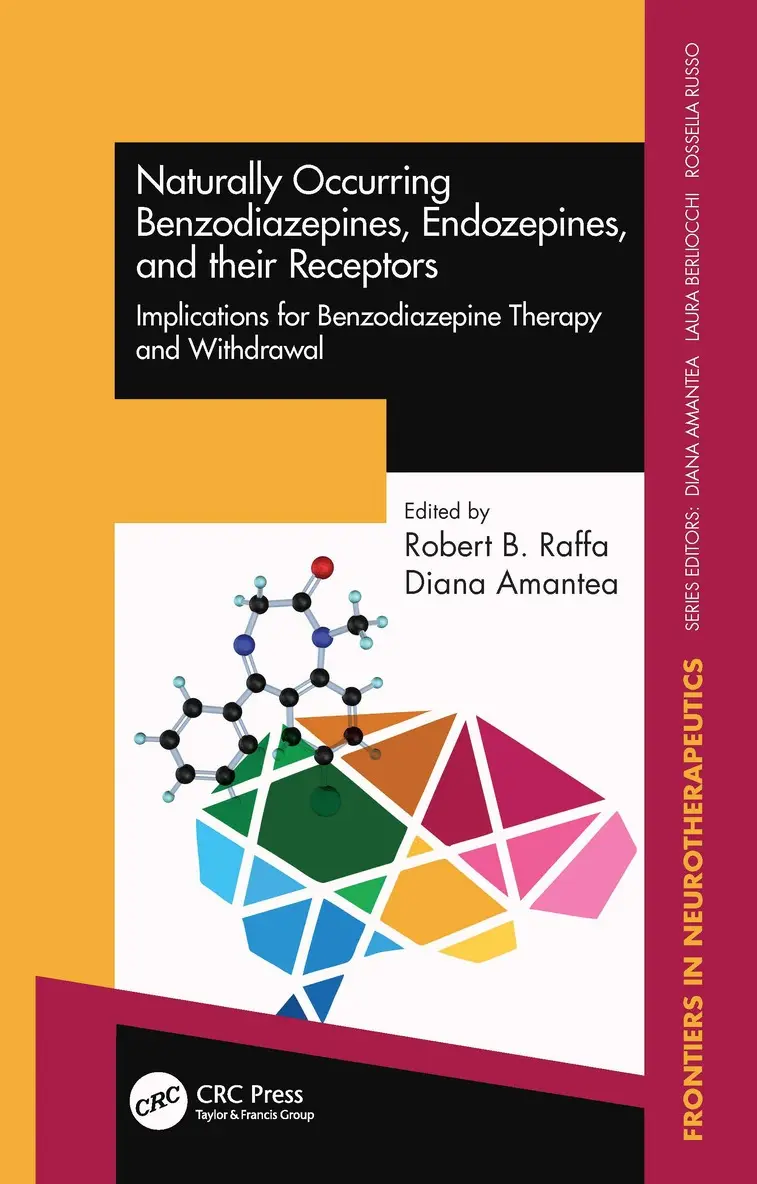
Naturally Occurring Benzodiazepines, Endozepines, and their Receptors
Implications for Benzodiazepine Therapy and Withdrawal
Inbunden, Engelska, 2021
2 634 kr
Skickas inom 10-15 vardagar
Understanding and addressing the current opioid crisis requires knowledge of endogenous opioids (endorphins and enkephalins), but there is now evidence for a benzodiazepine crisis. Are there endogenous benzodiazepine-like substances—and what do they do? How do they affect antianxiety drugs and their adverse effects? Do they explain enigmatic prolonged benzodiazepine withdrawal syndrome? This book raises important questions about the clinical consequences of ignoring the existence of or understanding the potential influence of endogenous benzodiazepines on the therapeutic effect of benzodiazepines, their adverse effects, and the problems of withdrawal from them and other benzodiazepine receptor agonists.FEATURESDiscusses endogenous benzodiazepine-like substances—what do they do, and do they affect antianxiety drugs and their adverse effects?Presents information on enigmatic prolonged benzodiazepine withdrawal syndromeDescribes the compounds acting at the BDZ binding sites, both exogenous (classical BDZ drugs and BDZ from food and plants) and endogenous (endozepines)Assesses the putative interactions in physiology, pathology, and pharmacology of the compounds acting at the BDZ binding sitesDr. Raffa is Adjunct Professor at the University of Arizona College of Pharmacy and Professor Emeritus at Temple University School of Pharmacy. He has co-authored or edited several books on pharmacology and thermodynamics, is a co-editor of two journals, is a past president of the Mid-Atlantic Pharmacology Society, and is the recipient of research and teaching awards. Dr. Amantea is Associate Professor of Pharmacology at the Department of Pharmacy, Health and Nutritional Sciences of the University of Calabria (Italy), where she is the leader of the Stroke Research Unit at the Section of Preclinical and Translational Pharmacology operating in the frame of the Italian Stroke Organization (ISO) Basic Science. She is a member of the Editorial Board and the Guest Editor of the 2016 Neuroscience section of Current Opinion in Pharmacology (Elsevier), and the founder and the editor of the CRC Press Frontiers in Neurotherapeutics series.
928 kr
Skickas inom 10-15 vardagar
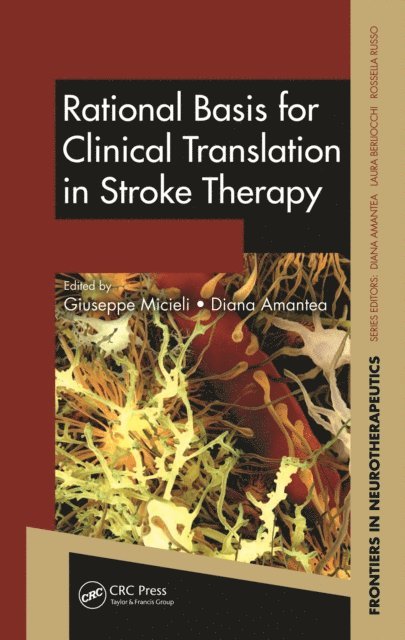
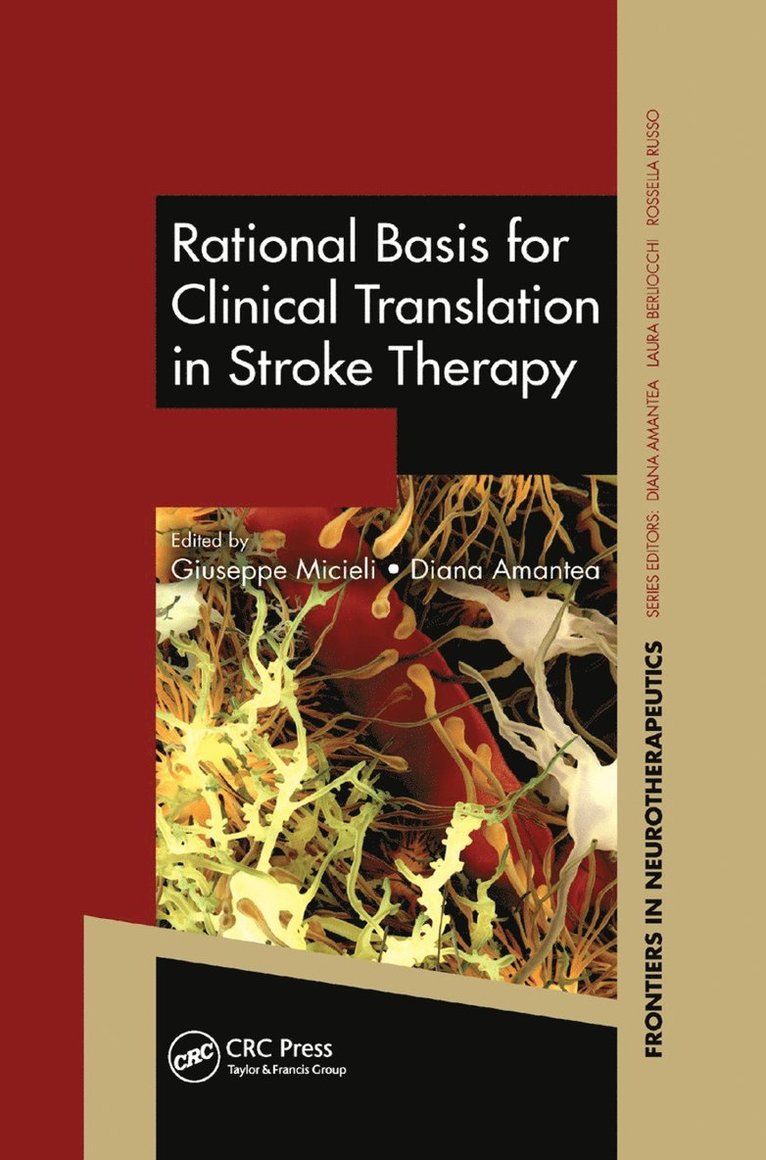
Stroke remains one of the major causes of death and long-term disability worldwide. Currently, the only approved therapy for the acute treatment of this disease is thrombolysis, a strategy that can only be applied to a small percentage of patients due to its narrow therapeutic window. Unfortunately, during the last years numerous promising drugs that showed neuroprotection in the experimental setting failed to translate into the clinic because of their toxicity or lack of efficacy.Researchers in the field now face the crucial need to develop effective stroke therapies and successfully translate novel strategies into the clinical setting. Rational Basis for Clinical Translation in Stroke Therapy presents the most recent promising preclinical approaches and the most updated clinical evidence for treating stroke patients. By bringing together the experience of accomplished stroke researchers and clinicians, the book is a useful tool for improving the treatment and management of stroke patients.The book describes current approaches for the management of stroke patients including thrombolysis and mechanical recanalization procedures as well as other clinically relevant topics such as diagnosis, imaging, risk factors, and prevention. Also described are emerging interventions based on the use of stem cells, botulinum toxin, and antidepressants which complement emergency stroke treatment and conventional rehabilitation procedures. Clinical approaches are integrated with the most promising therapeutic opportunities based on targeting the immune system, hypothermia, and postconditioning. The book also covers issues related to the improvement of R&D strategies in stroke therapeutics, aimed at the implementation of preclinical approaches with stroke model guidelines and at the optimization of clinical trial design. This volume is a reference for all those interested in the rational development of novel stroke therapeutics.
2 772 kr
Skickas inom 10-15 vardagar
Stroke remains one of the major causes of death and long-term disability worldwide. Currently, the only approved therapy for the acute treatment of this disease is thrombolysis, a strategy that can only be applied to a small percentage of patients due to its narrow therapeutic window. Unfortunately, during the last years numerous promising drugs that showed neuroprotection in the experimental setting failed to translate into the clinic because of their toxicity or lack of efficacy.Researchers in the field now face the crucial need to develop effective stroke therapies and successfully translate novel strategies into the clinical setting. Rational Basis for Clinical Translation in Stroke Therapy presents the most recent promising preclinical approaches and the most updated clinical evidence for treating stroke patients. By bringing together the experience of accomplished stroke researchers and clinicians, the book is a useful tool for improving the treatment and management of stroke patients.The book describes current approaches for the management of stroke patients including thrombolysis and mechanical recanalization procedures as well as other clinically relevant topics such as diagnosis, imaging, risk factors, and prevention. Also described are emerging interventions based on the use of stem cells, botulinum toxin, and antidepressants which complement emergency stroke treatment and conventional rehabilitation procedures. Clinical approaches are integrated with the most promising therapeutic opportunities based on targeting the immune system, hypothermia, and postconditioning. The book also covers issues related to the improvement of R&D strategies in stroke therapeutics, aimed at the implementation of preclinical approaches with stroke model guidelines and at the optimization of clinical trial design. This volume is a reference for all those interested in the rational development of novel stroke therapeutics.